The Musings of Jaime David
@jaimedavid.blog@jaimedavid.blog

The writings of some random dude on the internet

1,161 posts
1 follower

Tag: personality

  • Ogres, Onions, and Opposites: How Shrek Accidentally Became a Masterclass on Introverts and Extroverts Becoming Friends

    Ogres, Onions, and Opposites: How Shrek Accidentally Became a Masterclass on Introverts and Extroverts Becoming Friends

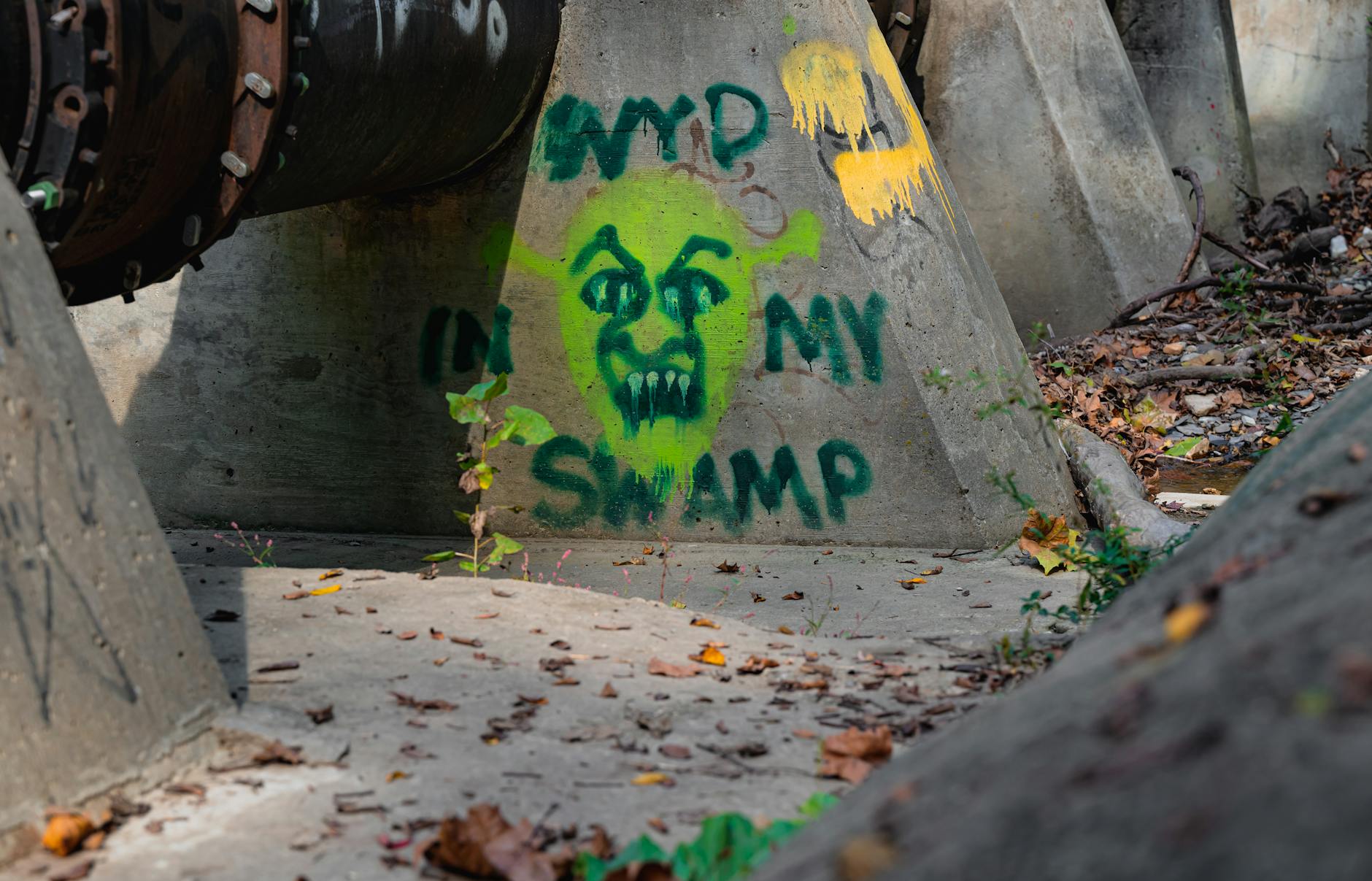
    There are movies that try very hard to teach lessons. They announce their morals loudly, underline them twice, and then pause to make sure you were paying attention. And then there are movies like Shrek, which stumbled into emotional intelligence like it tripped over a fairy tale trope and fell face-first into a surprisingly thoughtful exploration of personality differences. On the surface, Shrek is a crude, irreverent parody of Disney fairy tales, full of fart jokes, pop culture references, and a soundtrack that screams early 2000s energy. But underneath that layer of swamp muck and sarcasm is a genuinely sharp story about how an introvert and an extrovert collide, clash, and eventually form a real friendship.

    At the center of this is the unlikely pairing of Shrek and Donkey. One is an ogre who has built his entire life around being left alone. The other is a talking donkey who thrives on interaction, noise, and connection and does not understand the concept of personal space even a little bit. They meet not because they seek each other out, not because they have anything in common, but because circumstance shoves them together and refuses to let go. And by the end of the film, against all odds and irritation, they are friends. Not polite acquaintances. Not reluctant allies. Actual friends. The kind who understand each other more than they want to admit.

    What makes Shrek so effective in this regard is that it never frames one personality type as superior to the other. Shrek is not “fixed” by becoming more extroverted. Donkey is not “fixed” by learning to shut up and disappear. Instead, both characters are changed through contact, friction, and exposure. They don’t become the same. They become compatible. And that distinction matters more than people often realize.

    Shrek, from the very first scene, is a walking embodiment of the introvert stereotype, and not in the shallow “quiet bookworm” way. He lives alone in a swamp, deliberately far from society, and he has structured his entire existence around solitude. He enjoys routines that involve no one else. He bathes in mud. He eats alone. He talks to no one. And most importantly, he has built a psychological fortress around himself that justifies this isolation as preference rather than defense. He insists he likes being alone. He insists he doesn’t need anyone. He insists that people are annoying, shallow, and cruel. And given his experiences, he’s not entirely wrong.

    Shrek’s introversion isn’t just about needing quiet or recharging alone. It’s about safety. People stare at him. People fear him. People project stories onto him without knowing him. Over time, he has internalized the idea that distance equals peace. If no one comes close, no one can hurt him. This is a very real introvert experience, especially for people who have been misunderstood or rejected repeatedly. Solitude stops being just a preference and becomes a shield.

    Then there’s Donkey, who is the polar opposite in nearly every conceivable way. Donkey is loud, chatty, emotionally expressive, and relentlessly social. He talks when he’s nervous. He talks when he’s happy. He talks when no one asked him to. Silence makes him uncomfortable, not because he fears his own thoughts, but because connection is how he processes the world. He doesn’t just enjoy being around others; he needs it. Being alone is not restful to him. It’s distressing.

    Importantly, Donkey is also deeply lonely at the beginning of the film, even if he doesn’t frame it that way. When everyone else runs from Shrek in fear, Donkey doesn’t. Not because he’s brave, necessarily, but because he’s desperate not to be alone again. He latches onto Shrek immediately, not because Shrek is kind or welcoming, but because Shrek doesn’t reject him outright. That alone is enough.

    This is where the dynamic becomes painfully familiar to anyone who has ever watched an extrovert “adopt” an introvert. Donkey decides they are friends within minutes. Shrek does not agree to this arrangement. Donkey follows him home, talks constantly, invades his personal space, and ignores every social cue that says “please leave.” From Shrek’s perspective, this is a nightmare. His carefully controlled environment has been breached by noise, chaos, and emotional demands.

    And yet, Shrek doesn’t throw Donkey out. He threatens. He insults. He complains. But he lets Donkey stay. This is one of the most honest depictions of how introverts sometimes respond to extroverts who push past their walls. The resistance is real, but so is the curiosity. Shrek is annoyed, but he’s also engaged. He argues back. He listens. He responds. Donkey, for all his intrusiveness, is also persistent in a way that cuts through Shrek’s defenses.

    As they travel together, the film repeatedly stages moments that highlight the clash between introvert and extrovert needs. Shrek wants quiet. Donkey fills the silence. Shrek wants to sleep. Donkey wants to talk about feelings. Shrek wants to focus on the task. Donkey wants to connect emotionally while doing it. These moments are played for humor, but they’re rooted in very real interpersonal tension. Anyone who has been on a road trip with someone wired differently recognizes this immediately.

    What’s crucial is that the film does not mock either of them for these differences. Shrek’s need for solitude is not framed as coldness. Donkey’s need for connection is not framed as stupidity. The humor comes from the mismatch, not from declaring one approach correct. This is why the friendship feels earned rather than forced.

    One of the most revealing scenes comes when Shrek explains the “ogres are like onions” metaphor. On the surface, it’s a joke about layers. But emotionally, it’s a confession. Shrek is telling Donkey that there is more to him than what people see, that his isolation hides complexity, pain, and vulnerability. Donkey, being Donkey, initially misunderstands. But he listens. He tries. And that matters.

    For introverts, being seen without being overwhelmed is rare. Shrek isn’t used to anyone wanting to know what’s under the surface. Donkey’s curiosity, while clumsy, is genuine. He doesn’t accept the caricature of Shrek as a scary ogre. He talks to him like a person. That alone begins to change the dynamic.

    At the same time, Shrek begins to understand Donkey in ways he doesn’t articulate. He notices Donkey’s fear. He notices his need for reassurance. He notices that the constant talking masks anxiety and insecurity. Donkey isn’t loud because he’s shallow. He’s loud because silence means abandonment. This realization doesn’t turn Shrek into a chatterbox, but it softens him. He becomes more patient. Slightly. On a good day.

    The turning point in their relationship comes not when they agree, but when they hurt each other. Shrek overhears Donkey discussing him with Fiona and assumes the worst. He retreats. He lashes out. He reinforces his belief that closeness leads to pain. Donkey, on the other hand, is genuinely hurt by Shrek’s rejection. For him, the friendship was real already. The dismissal cuts deep.

    This moment is important because it reflects how introvert-extrovert friendships often fracture. The introvert withdraws to self-protect. The extrovert experiences that withdrawal as rejection. Neither is wrong, but both are hurt. Shrek doesn’t resolve this with a simple apology montage. It takes time. It takes reflection. It takes both characters realizing that their default coping mechanisms don’t work when they actually care about someone.

    By the end of the film, Shrek and Donkey haven’t changed their core personalities. Shrek still values solitude. Donkey still talks too much. What has changed is their understanding of each other’s rhythms. Shrek tolerates noise because he knows it comes from affection, not malice. Donkey learns, imperfectly, when to give Shrek space. Their friendship works not because they become the same, but because they adapt.

    This is perhaps the most valuable lesson Shrek offers. Friendship is not about finding someone who mirrors you. It’s about finding someone whose differences challenge you without erasing you. Introverts and extroverts don’t need to compromise their identities to coexist. They need mutual respect, patience, and a willingness to interpret behavior generously rather than defensively.

    Shrek’s swamp, once a symbol of isolation, becomes a shared space. Donkey doesn’t turn it into a party venue, and Shrek doesn’t banish Donkey for being loud. They negotiate the space emotionally, not explicitly. This is how real friendships work. There’s no contract. Just trial, error, and adjustment.

    It’s also worth noting that Donkey never demands that Shrek be more social in a broad sense. He doesn’t push him to love crowds or crave approval. He just wants to be included. One person. One connection. For many introverts, that is manageable. Even welcome. Shrek doesn’t suddenly love people. He loves Donkey. And that distinction makes all the difference.

    In a world that often frames introversion as something to overcome and extroversion as something to celebrate, Shrek quietly rejects that hierarchy. It suggests that solitude and sociability are both valid, and that the friction between them can be productive rather than destructive. Shrek needs Donkey to pull him out of emotional stagnation. Donkey needs Shrek to ground him and provide stability. They balance each other without neutralizing each other.

    That’s why their friendship endures beyond the first film. It’s not a gimmick. It’s a dynamic. And it resonates because so many people recognize themselves in it, whether they’re the one guarding their swamp or the one knocking on the door asking to come in.

    In the end, Shrek isn’t just a fairy tale parody. It’s a story about how connection happens in spite of discomfort. How friendship can grow between people who would never seek each other out. And how introverts and extroverts, despite all their differences, often have exactly what the other needs.

    The swamp was never just about being alone. It was about choosing who gets close. And when Shrek chooses Donkey, loudly, messily, and imperfectly, he chooses growth without losing himself. That’s a lesson worth revisiting, even years later, hidden beneath layers of jokes, onions, and a talking donkey who really, really hates silence.

  • Seeing the Patterns: How My ENFJ Intuition Helps Me Predict and Perceive

    Seeing the Patterns: How My ENFJ Intuition Helps Me Predict and Perceive

    I’ve always had this strange sense of foresight — not in a mystical or psychic way, but in an intuitive, human way. It’s like I can see the connections between things before they fully form. I can sense how people might act, how situations might play out, how emotions might shift. It’s not that I’m sitting there “predicting the future,” but more that I can feel the direction something’s headed before most others see it.

    And lately, I’ve realized how much of that has to do with being an ENFJ. That personality type — with its mix of empathy, perception, and pattern recognition — seems almost wired for it. ENFJs have this ability to read people, to pick up emotional energy, and to piece together behaviors and intentions like clues in a story. We sense trajectories — emotional, social, and even political ones.

    I’ve noticed it time and time again in myself. I’ll write something or say something that feels like an observation, just me connecting dots — and then, weeks or months later, it actually happens. Like when I wrote about the 2025 government shutdown and the possible extreme outcomes that could come with it. I saw how the energy around it — the way people in power were speaking, the way the media was spinning it, the lack of urgency in leadership — all pointed to something chaotic, drawn-out, and emotionally charged. And sure enough, it unfolded that way.

    Or when I talked about the Hasan dog drama — the whole situation that blew up online and spiraled into bigger conversations about ethics, responsibility, and online image. I felt it coming before it was even big news. You could feel the tension brewing in the tone of his streams, the way people were reacting, the subtle defensiveness in his voice. Something about it just didn’t sit right — the vibe was off. And when you pay attention to vibes as closely as ENFJs do, you notice when the energy of a person or situation shifts from steady to unstable.

    Then there’s the Zohran connection. When I noticed the links between Hasan and Zohran, I knew something was brewing. Even before it went public, I had a sense that the overlap would create ripples — that once the dots were connected on a bigger platform, it would trigger a reaction. I could feel the narrative forming in real time — that instinctive awareness that this wasn’t just a coincidence, but part of a larger unfolding story. And when the connection finally came to light, it wasn’t surprising at all. It was almost expected.

    That’s the thing about intuition — it’s not about guessing. It’s about noticing. It’s about tuning in to emotional energy, patterns in behavior, tone shifts, timing, and context. When you pay attention long enough, you start to see the invisible threads that tie everything together. You start to sense where things are heading — not because you’re magical, but because you’re deeply observant.

    ENFJs have what’s called “extraverted feeling” (Fe) and “introverted intuition” (Ni) — two traits that, when combined, make for a powerful kind of perception. Fe helps us read emotions and social dynamics in the present, while Ni helps us see where those dynamics are going. We feel the emotional undercurrent, then project it forward to imagine what comes next.

    That’s exactly how it feels for me. I can have one conversation with someone and already get a sense of where their mindset is headed — whether they’ll stay grounded, spiral, change direction, or evolve. I can tell when a public figure’s energy is shifting toward burnout or scandal. I can tell when a political situation feels like it’s teetering toward collapse or breakthrough. It’s like seeing a series of dominoes and knowing which way they’ll fall, not because I’ve seen the future, but because I understand the motion.

    It’s not always something I can explain rationally. Sometimes it’s just a feeling — a gut-level awareness. A sense that “something’s about to happen.” And when I reflect back, I realize it was always there — the clues, the energy, the foreshadowing. I just noticed it before it became obvious.

    I think that’s one reason I tend to connect dots others might miss. Because I’m not just analyzing facts — I’m feeling them. I’m picking up the emotional subtext behind events, the human motivations beneath the surface. Politics, media, culture — they’re all human stories. And humans are emotional creatures. Once you understand the emotional rhythm, you can often predict the next beat.

    But this ability also comes with responsibility. Because when you can see patterns so clearly, it can be frustrating when others don’t. You try to explain what you sense, and people might dismiss it until it’s too late. You can feel like the only one seeing the storm clouds while everyone else insists the sky is clear. And yet, you keep noticing, keep feeling, keep sensing. It’s just who you are.

    There’s also the emotional side of it. When you can predict how people might react — or how events might emotionally unfold — it can make you hyper-aware of pain before it even arrives. You can sense a friend’s heartbreak before they admit it. You can feel the tension in a group before it erupts. You can anticipate the backlash before the outrage starts. It’s powerful, but it’s also heavy.

    That’s where balance comes in. Because being intuitive doesn’t mean trying to control what happens — it means understanding and preparing for it. Sometimes the most you can do is acknowledge, “I can feel this coming,” and let things unfold naturally.

    Still, I find it fascinating how often my intuition aligns with reality. Not perfectly, of course — nobody’s right 100% of the time. But when my observations about people or events line up so consistently, it reaffirms that what I’m picking up on is real. That emotional and intuitive awareness has tangible effects.

    Take the political landscape, for example. I’ve written multiple posts about how emotional energy drives public behavior — how fear, anger, and tribal loyalty shape policy and rhetoric more than logic ever could. When you understand those emotional forces, you can predict outcomes not just based on data, but on vibe. Because vibes are data too — subtle, emotional data that reveals where people’s heads and hearts really are.

    It’s the same in interpersonal relationships. You can tell when someone’s interest is fading. You can sense when a friendship is drifting. You can pick up on when someone’s pretending to be fine, when they’re trying to mask insecurity, or when they’re quietly struggling. And because I feel that so strongly, I often end up reaching out at just the right time — sending a message, checking in, or saying something that resonates before they even ask for help.

    That’s the ENFJ way — a blend of empathy, foresight, and intuition that creates this almost predictive understanding of people and events. It’s not logic-based; it’s emotional logic. It’s the logic of human energy.

    What’s interesting, too, is how this ability overlaps with creativity. My brain naturally maps connections — between people, between events, between themes. When I write or analyze something, I’m often pulling from emotional intuition as much as from facts. I might not always know how I know, but I know. And later, when things play out the way I said they would, I realize it wasn’t coincidence — it was clarity.

    Sometimes it feels like living half a step ahead — not in a detached, know-it-all way, but in a deeply connected way. Like standing in a river and feeling the current before it reaches everyone else downstream. You feel it first because you’re paying attention. Because you care. Because you’re listening not just to words, but to energy.

    And that’s the key — listening. Intuition thrives on observation, empathy, and care. You have to actually want to understand people to see them clearly. You have to be willing to feel what they feel. That’s what opens up the channels of perception.

    So when I look back at moments like my predictions about the shutdown, or the Hasan and Zohran situation, or other social and political stories, I realize they weren’t “guesses.” They were natural extensions of paying attention — of feeling patterns and connecting dots that were already there. My ENFJ side just helps me notice those dots sooner.

    In a world where so much feels uncertain, that kind of perception feels grounding. It reminds me that human behavior follows emotional logic, and emotional logic is something you can learn to read. Once you do, you see that so much of what happens isn’t random — it’s the natural unfolding of feelings, choices, and relationships.

    And I think that’s what makes being an ENFJ so interesting — it’s like living at the intersection of heart and foresight. You don’t just understand people; you anticipate them. You don’t just analyze situations; you feel their direction. You don’t just observe — you intuit.

    It’s both a gift and a challenge, but it’s one I’m grateful for. Because it allows me to write with insight, to care deeply, and to sense the shape of things before they take form.

    And maybe that’s what intuition really is — not magic, not prediction, but perception sharpened by empathy.

  • Feeling the Vibe: How I Pick Up on People’s Emotions

    Feeling the Vibe: How I Pick Up on People’s Emotions

    There’s something I’ve come to realize about myself — something I didn’t always have words for, but that’s always been there. I can pick up on people’s emotions. Like, really pick up on them. Even when they’re not saying much, even when the words don’t tell the full story, I can feel it. It’s like I can sense what someone’s feeling underneath the surface. Sometimes I can even guess what they’re about to say, or what they’re holding back from saying.

    It’s not some mystical power or anything. It’s more like a deep form of awareness — an intuitive sensitivity that just comes naturally. And it’s something I think a lot of ENFJs can relate to. We tend to pick up on emotional energy, body language, tone, the pauses between words — all the invisible cues that tell you what’s really going on.

    It’s almost like emotional radar. Someone doesn’t have to say, “I’m upset.” I can feel it in the way their smile tightens, the way their eyes shift, the rhythm of their voice. Or I can tell when someone’s genuinely happy — not because they’re saying all the right things, but because the energy around them feels lighter, freer. It’s in the vibe, the air, the subtle details most people overlook.

    I’ve noticed this ability shows up even in first conversations. I can talk to someone once and already get a read on who they are, what kind of person they might be, how they handle emotions, whether they’re guarded or open, sincere or performative. It’s not about judging them — it’s more about feeling them. Getting a sense of their emotional rhythm.

    I think part of it comes from listening — not just with your ears, but with your presence. When I talk to someone, I’m not just hearing words. I’m observing tone, pace, expression, microreactions. I’m taking in the whole person. It’s almost like I’m tuning into their frequency — feeling the vibrations behind their words.

    And that tuning-in happens naturally. I don’t have to force it or overthink it. It just happens. Someone starts talking, and I start sensing. I can tell when someone’s hiding pain behind humor. I can tell when they’re pretending to be okay. I can tell when they’re tired, or when something deeper is weighing on them.

    It’s not always easy, though. Because when you can pick up on emotions like that, it can be heavy sometimes. You don’t just see what people show — you feel what they don’t show. You pick up the undercurrents, the things unsaid. And when you care deeply — as most ENFJs do — that can get overwhelming. You want to help, to comfort, to make things better. You want to hold space for them. But sometimes people don’t want to be read that way. Sometimes they’re not ready to open up. And you have to respect that, even if you can feel what’s going on.

    Still, I wouldn’t trade this ability for anything. Because it’s also what makes connection so meaningful. When I vibe with someone — really vibe with them — it’s more than just a conversation. It’s resonance. It’s that feeling when both energies sync, when you understand each other without having to explain everything. It’s that unspoken “I get you” that exists beyond words.

    I think this ability has helped me in countless ways. In friendships. In work. In creative projects. Even in writing. It helps me see people — really see them. Their fears, their hopes, their contradictions. It’s like emotional pattern recognition — the way someone’s face tightens when they’re unsure, the way their tone shifts when they’re trying to sound confident but don’t quite believe themselves yet. Those details tell stories words can’t.

    And when you notice them, you start realizing how much of life happens between the lines. We live in a world obsessed with what’s said out loud — statements, posts, declarations. But so much more exists in the subtleties. The quiet moments. The silences. The looks. The energy that passes between people when no one’s talking. That’s where truth often hides.

    It’s funny because people sometimes ask how I can “just know” certain things about them. Like, I’ll say something empathetic, and they’ll pause — almost surprised, like I read their mind. But it’s not mind reading. It’s pattern reading. It’s intuition combined with observation. It’s years of paying attention to human behavior, listening deeply, and feeling the energy in every interaction.

    I think empathy is often misunderstood as simply “feeling for others.” But real empathy — deep empathy — is about feeling with others. It’s about tuning yourself so closely to someone else’s emotional state that, for a moment, you step inside it. You sense what they’re feeling without needing them to explain it. And while that can be emotionally intense, it’s also profoundly beautiful. It’s what makes human connection so raw and genuine.

    As an ENFJ, that’s something that defines me. It’s like this inner compass that guides how I move through the world. I read the room instinctively. I can tell when tension is thick, when someone’s uncomfortable, when someone needs a change in tone. I can adjust, mirror, soften — not to manipulate, but to create safety. It’s almost like emotional choreography — dancing with the energy in the room so everyone feels seen and understood.

    Of course, it’s not perfect. Sometimes my readings are off. Sometimes I project, or misunderstand. Sometimes I pick up an emotion that’s more about me than them. It’s part of being human. Intuition isn’t infallible — it’s a tool, not a guarantee. But more often than not, it leads me somewhere real.

    And honestly, this kind of awareness also helps with compassion. Because when you can sense what people feel, you understand that everyone’s carrying something. That person who seems rude? Maybe they’re scared. The quiet one? Maybe they’re overwhelmed. The one making jokes? Maybe they’re hurting. It changes the way you see people. It softens your reactions. You stop taking things so personally and start responding with care.

    That’s something I’ve learned — sensitivity doesn’t make you weak. It makes you attuned. It helps you navigate human emotions like a musician hearing every note in a song. You become fluent in subtlety. You notice the tremor in someone’s voice, the glance they give when something hits too close. You feel when something shifts in the emotional atmosphere. It’s powerful — not in a controlling way, but in a connective way.

    Sometimes, though, it’s hard to “turn off.” Because when you’re that tuned-in, you can’t help but pick up on tension or sadness around you, even when it’s not directed at you. It’s like walking through an emotional echo chamber — you can feel everything vibrating. That’s when grounding becomes important. You have to remember that not everything you feel is yours. Some emotions you pick up are simply passing through you, like echoes from someone else’s story.

    But the gift of it — the real gift — is understanding. When you can read emotions well, you build trust faster. People feel seen around you. They relax, open up, reveal themselves in ways they don’t around most others. And that’s sacred. That’s what connection is made of — safety and understanding.

    Sometimes I wonder if everyone feels energy this strongly. Maybe some people do, but they ignore it. Maybe others have it, but don’t trust it. For me, it’s like second nature. I can walk into a room and just know the mood. I can sense tension before words even begin. It’s subtle but powerful — and it’s shaped so much of who I am.

    Even online, I can feel it — through messages, tone, phrasing, rhythm. The emotion seeps through. I can tell when someone’s anxious, or pretending to be fine. Words carry emotional fingerprints. You just have to look closely enough.

    It’s something I’ve come to value deeply — this ability to vibe people, to read them, to feel them. Because in a world where so much is superficial and rushed, being able to tune into what’s real feels grounding. It reminds me of what connection actually means.

    At its best, this emotional intuition helps build empathy, trust, and genuine understanding. It helps me be a better friend, listener, writer, and human being. It helps me see beyond appearances — to the person underneath.

    I think that’s the essence of what being an ENFJ is about. Feeling deeply. Understanding naturally. Sensing before knowing. Connecting before speaking.

    And maybe that’s the quiet magic of it all — not just knowing people, but feeling them.

  • The Art of Bringing Friends Together

    The Art of Bringing Friends Together

    There’s something deeply human about wanting to connect people. Some of us are wired that way — to see links between personalities, to notice the spark that might form when two people meet, to feel that small thrill when it actually happens. I’ve always been that kind of person. The kind who likes to bring friends together, to see if they’ll click, to create little circles of warmth where maybe none existed before.

    I think about it sometimes — how it might seem strange to some people. A lot of folks like to keep their worlds separate. Work friends here, online friends there, childhood friends tucked away in nostalgia somewhere. They compartmentalize, and they like it that way. And that’s okay. But I’m just… different. I like seeing my friends meet. I like watching them talk and laugh and find common ground. It gives me a kind of joy that’s hard to describe — like watching connections spark and form in real time.

    Part of it, I’ll admit, probably comes from being an ENFJ. That personality type has a reputation for being the “connector,” the “people person,” the “harmonizer.” And honestly, it fits. I love understanding people — their stories, their quirks, their ways of thinking. And when I meet someone new, my brain starts spinning, almost automatically, thinking of who they’d get along with, who they’d find interesting, who would understand them. It’s not matchmaking, exactly — it’s more like soul-weaving. I’m trying to build a network of people who can support, inspire, and uplift one another.

    There’s a beauty in seeing your friends connect without you being the center of it. Some people might feel left out when their friends get closer to each other, but I feel the opposite — I feel fulfilled. Because that means the bridge worked. That means two people who might never have spoken now have something — a friendship, a shared laugh, a new understanding. It’s a form of creation that doesn’t get talked about much. People talk about art, writing, music, invention — but friendship itself can be an art form.

    And like art, it’s not always predictable. Sometimes you introduce two people and expect fireworks — and nothing happens. The energy doesn’t mesh. They talk politely, maybe text once or twice, and it fades. Other times, you make an introduction almost casually, and suddenly they’re inseparable. You become the person who unknowingly helped two lifelong friends find each other. It’s beautiful, mysterious, humbling.

    But here’s the thing — not everyone likes that. Some people prefer to keep things separate. They see introductions as interference. And I get that. There are people who guard their peace, who don’t want social blending, who like their circles small and well-defined. I try to respect that. It’s not my job to force connection — only to invite it. I’ve learned that the best friendships form naturally, not through pressure or expectation.

    Still, I think there’s something special about trying. About putting the effort in to build community in a world that feels increasingly disconnected. We live in an era where friendship can feel distant — online, occasional, transactional. But I still believe in the closeness, in the warmth of shared understanding, in genuine care. I believe friendship can heal things loneliness breaks.

    Maybe that’s why I try so hard to connect people. I’ve felt loneliness before — that quiet ache of feeling like no one truly understands you. So when I meet someone and think, Oh, you’d really get along with my other friend, I can’t help but want to make that happen. I want them to feel less alone. To have someone they can talk to, laugh with, confide in. Maybe it’s selfish in a way — because seeing that connection gives me comfort too. It’s proof that goodness spreads when you let it.

    Being an ENFJ, I also just can’t help but care about harmony. If there’s tension, I want to ease it. If there’s misunderstanding, I want to bridge it. If two people could benefit from knowing each other, I want to make it happen. It’s like a calling — a quiet, human one. The desire to bring people together, to build instead of break, to connect instead of divide.

    Sometimes, when I’m reflecting, I realize that bringing friends together is really just another expression of hope. Hope that people can get along. Hope that connection still matters. Hope that kindness can multiply. I think that’s why it feels so fulfilling — because every introduction carries a small spark of optimism.

    Of course, not every attempt works out perfectly. There are awkward moments. People who don’t vibe. Times when you realize, “Okay, maybe those two were too different.” And that’s okay. That’s part of it. You can’t control chemistry — all you can do is create the opportunity for it to exist. And honestly, even when it doesn’t click, it still means something that you tried. It means you care enough to want people to meet, to build, to grow.

    There’s also something very selfless about it. When you bring people together, you’re not doing it for gain — you’re doing it because you want others to experience joy. It’s a small act of love. You’re saying, “I see you. I see your kindness, your humor, your spark — and I think someone else should see it too.” That’s powerful. That’s connection in its purest form.

    I’ve also found that, in time, this habit builds a kind of invisible community. You start to notice that your friends become friends with your other friends, and then their friends meet new people, and before long, there’s a web of shared stories, support, and laughter that traces back to those early introductions. You realize you’ve helped create something larger than yourself — a network of good souls who know each other because you took a small chance on connection.

    And maybe, in a world that often feels divided and harsh, that’s one of the most beautiful things a person can do. To be the thread that ties others together. To be the connector.

    Sometimes people will tell me I care too much — that I get too involved, that I think too deeply about relationships. But I don’t see it as a weakness. I see it as part of who I am. Caring is not a flaw; it’s a gift. Wanting others to meet, to bond, to feel seen — that’s empathy in motion. And yes, it’s vulnerable. You risk disappointment when things don’t work out. You risk being misunderstood. But it’s worth it. Every time.

    Because when it does work — when you see your friends laughing together, bonding over something you never expected — it’s magical. You realize that connection doesn’t have to be forced or planned. It just needs an open door. And sometimes, you’re the one holding that door open.

    As I get older, I think about how friendships evolve — how people drift apart, move away, change jobs, change interests. It’s inevitable. But I also think about how new friendships begin, often in the most unexpected ways. And that’s what gives me hope. That’s what keeps me introducing people, encouraging them to talk, to share, to care. Because friendship, at its core, is one of the most meaningful things in life.

    We talk about love all the time, but friendship is its own kind of love — quiet, steady, healing. It asks for nothing but presence. And when you bring friends together, you’re essentially creating new possibilities for love in the world — platonic love, understanding, solidarity.

    So yes, I like to bring my friends together. Not because I need control, or because I’m trying to play social chess — but because I believe in the beauty of connection. Because I know how it feels to be alone, and how good it feels when someone includes you. Because I believe that every new bond makes the world a little softer, a little warmer, a little more human.

    Maybe it’s idealistic. Maybe it’s my ENFJ heart leading the way. But I’d rather be the one who tries to connect people than the one who stands back and stays distant. I’d rather risk awkwardness than miss out on potential friendship. Because you never know which introduction could lead to something life-changing.

    At the end of the day, that’s what it’s all about — hope. Hope that people can meet, can connect, can grow together. Hope that kindness still matters. Hope that friendship is something worth nurturing, again and again.

    And if I can be the person who helps make that happen — even just once — then I’ll consider that a success.

    Because bringing friends together isn’t just something I do — it’s something I am.