The Musings of Jaime David
@jaimedavid.blog@jaimedavid.blog

The writings of some random dude on the internet

1,089 posts
1 follower

Tag: fan theory

  • Surviving the Storm: How The Martian Could Foreshadow Interstellar’s Dust-Choked Earth

    Surviving the Storm: How The Martian Could Foreshadow Interstellar’s Dust-Choked Earth

    When we watch The Martian (2015), it’s easy to see Mark Watney’s story as a thrilling tale of survival on a distant planet. He battles isolation, resource scarcity, and, most pressingly, Mars’ massive dust storms. Meanwhile, Interstellar (2014) portrays a dying Earth, ravaged by relentless dust storms and agricultural collapse. On the surface, the films seem unrelated — different worlds, different crises, different stakes. But a fascinating fan theory suggests that the Mars mission in The Martian might have been humanity’s trial run for surviving exactly the kind of environmental catastrophe that we see in Interstellar.


    Mars as a Dust Storm Laboratory

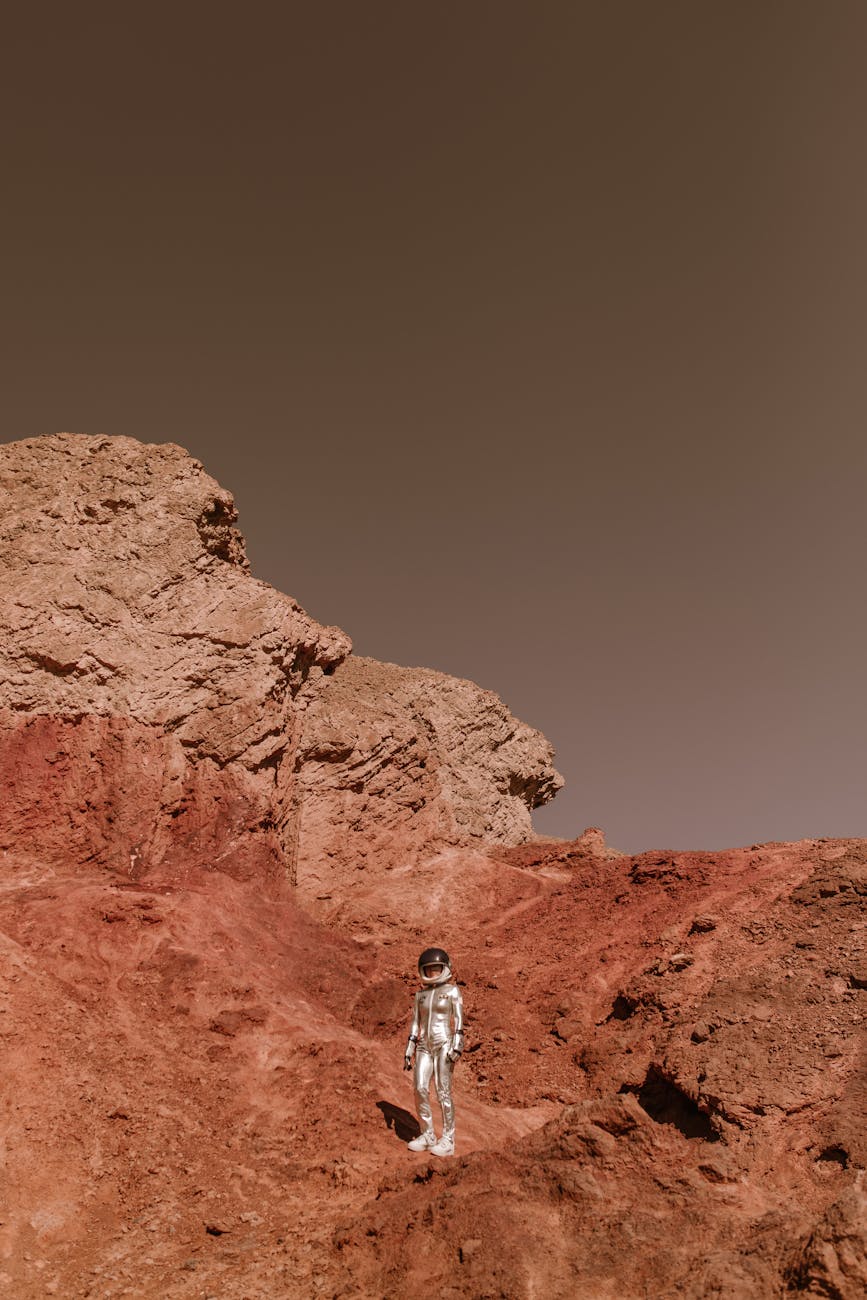
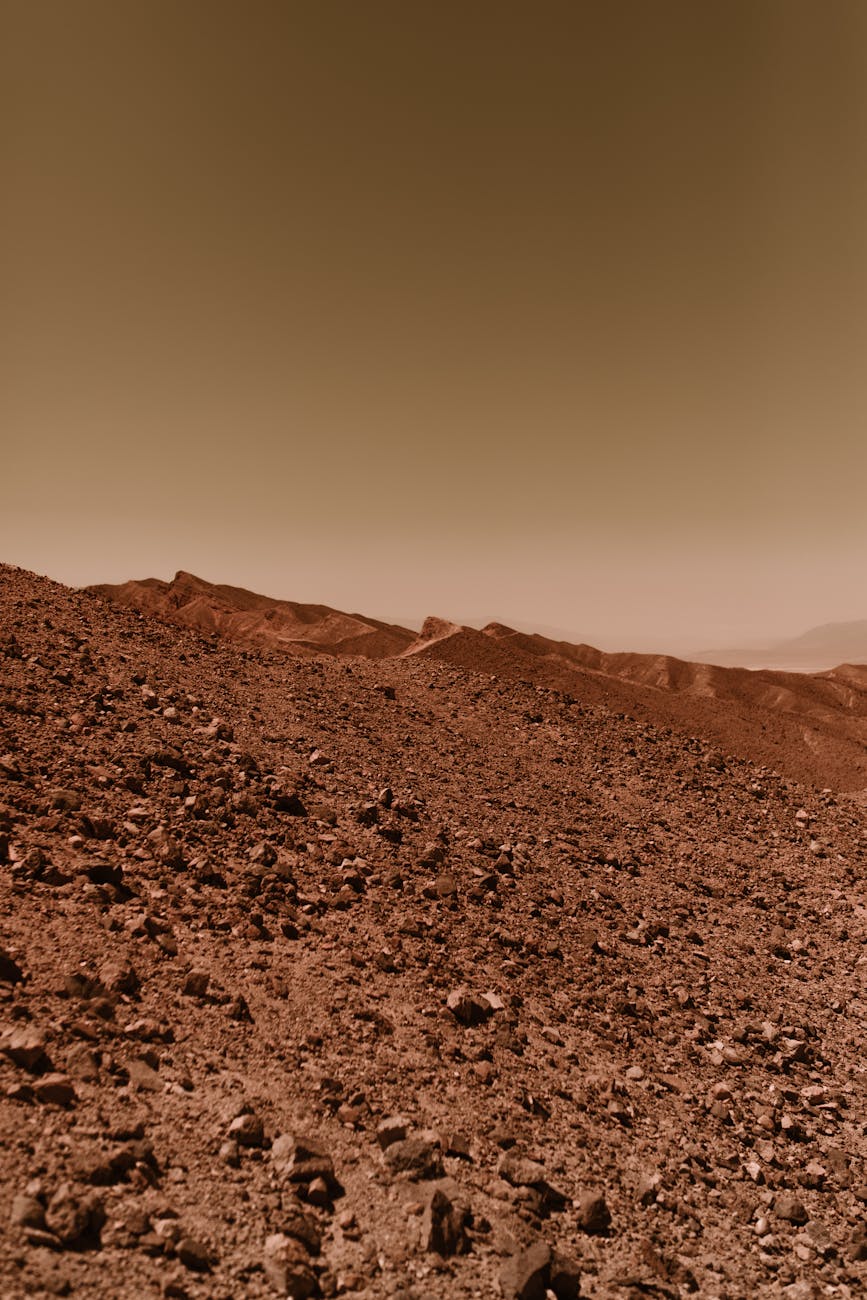
    In The Martian, the storm that forces Watney’s crew to evacuate is the inciting incident for his ordeal. The dust isn’t just a dramatic backdrop — it’s a relentless hazard that shapes every aspect of his survival strategy. He must seal habitats, engineer oxygen production, conserve water, and grow crops in harsh, wind-driven conditions. Every improvised solution is a test of human ingenuity under environmental pressure.

    Now imagine if NASA designed the Mars mission with a dual purpose: exploration and environmental research. The goal would be to see how humans could survive and adapt in extreme, dusty conditions — essentially using Mars as a laboratory for techniques that could later be applied to Earth’s declining ecosystems. Every rover drive, every habitat seal, every nutrient calculation becomes a rehearsal for surviving future dust storms on our own planet.


    From Mars Lessons to Earth Survival

    Fast forward to the timeline of Interstellar: Earth is experiencing massive dust storms that devastate crops and threaten global food security. While NASA operates in secrecy, the lessons learned from Watney’s Mars mission — life support, resource rationing, habitat resilience, and psychological endurance — could have informed their plans for humanity’s long-term survival.

    If we accept the headcanon that Watney eventually becomes Dr. Mann, the connection deepens. Mann’s expertise in extreme survival would be informed by firsthand experience on Mars. His ability to assess planetary environments, manage life support systems, and react under intense pressure stems not only from his natural skill but from a “dress rehearsal” on the red planet.


    Psychological Preparation

    Dealing with dust storms on Mars doesn’t just test physical survival — it tests mental resilience. Watney faces isolation, frustration, and the constant threat of failure. This psychological endurance is directly applicable to the high-stakes missions in Interstellar, where astronauts must confront vast distances, near-impossible odds, and the crushing loneliness of space. Watney’s experience shows that surviving the elements is as much about mental fortitude as it is about engineering prowess.


    A Hidden Continuity

    By framing the Mars mission as an environmental experiment, the subtle connections between the two films become compelling. The dust storms in The Martian aren’t just a plot device; they’re a precursor to the challenges in Interstellar. The narrative link suggests a shared universe where human ingenuity and resilience are tested repeatedly — first on Mars, then on a dying Earth, and finally in the uncharted expanse of space.

    Watney’s journey thus becomes more than a thrilling survival story; it’s a blueprint for the survival of humanity itself. Every improvised solution, every adaptation to dust, is a step toward preparing humanity for the world we see in Interstellar.


    Conclusion

    While The Martian and Interstellar were made independently and have distinct stories, imagining the Mars mission as a survival experiment for Earth’s environmental collapse provides a fascinating lens for analysis. It transforms Watney’s adventures into a precursor for Mann’s mission, links the dust storms of two worlds, and adds a layer of thematic continuity to both films. In this light, humanity’s struggle against the elements — whether on Mars or Earth — is a continuous story of adaptation, ingenuity, and resilience.

    Fediverse Reactions
  • From Watney to Mann: How The Martian Could Be the Hidden Prequel to Interstellar

    From Watney to Mann: How The Martian Could Be the Hidden Prequel to Interstellar

    When audiences first watched Matt Damon in The Martian (2015), they met Mark Watney: the clever, resourceful astronaut stranded alone on Mars, surviving against all odds. His story was one of ingenuity, humor, and hope, showing humanity at its best. A year earlier, Damon appeared in Christopher Nolan’s Interstellar (2014) as Dr. Mann, the brilliant but ultimately tragic astronaut who betrays his team. On the surface, the characters are polar opposites: one a hero, the other a cautionary tale.

    Yet, if we look purely at the plots and timelines of these films, an intriguing fan theory emerges: The Martian could actually take place before Interstellar, and Mark Watney could grow into Dr. Mann. This headcanon isn’t official, of course, but the storylines align in a way that makes the theory surprisingly plausible — and deeply compelling.


    The Timeline Connection

    In this theory, The Martian represents the final golden age of public space exploration. NASA is active and transparent, manned Mars missions are happening, and the world watches as Watney survives using science, grit, and humor. This places the story in the mid-21st century, long before Earth becomes uninhabitable. Interstellar, by contrast, shows a planet in ecological decline, where dust storms ravage crops and the future of humanity is uncertain. NASA operates secretly, sending Lazarus missions through a wormhole to find habitable planets.

    By placing The Martian first, the timeline becomes coherent: humanity experiences a near-future era of optimism, then slowly descends into desperation. Watney survives Mars as a symbol of human resilience, but decades later, as the world falters, he reemerges in a new identity, hardened by experience and disillusionment, as Dr. Mann.


    Fame and Its Consequences

    After surviving Mars, Mark Watney would have become one of the most famous humans alive. Globally celebrated, he would have been invited to conferences, honored by governments, and interviewed by countless media outlets. His story would inspire generations — and also weigh heavily on him.

    The pressure of being a living legend could have been suffocating. Every failure on Earth, every shortage or disaster, would be contrasted against the miracle of Watney’s survival. Public perception might have turned against him if humanity failed to measure up. In this light, the fame that once seemed like a reward could become a burden, pushing Watney toward the desire to disappear.


    Reinventing Himself

    Here’s where the name change makes sense. Mark Watney, the hero of Mars, wants to vanish. He wants to shed the burden of fame and the public expectation that he embodies hope itself. Adopting the identity of “Dr. Mann” allows him to step away from the symbol of optimism and reinvent himself in a world growing darker by the day.

    This reinvention is not just cosmetic. It marks a psychological shift. By hiding behind a new name, Watney begins to embrace cynicism and pragmatism over idealism and hope. He becomes Mann, a man driven less by inspiration than by survival — a stark contrast to the witty, resourceful astronaut audiences first met on Mars.


    Trauma’s Lasting Effects

    Surviving Mars left scars. Watney endured extreme isolation, constant life-threatening danger, and the ever-present possibility of failure. Even though he kept a sense of humor in The Martian, the psychological effects ran deep. In our headcanon, these scars intensify over the decades, amplified by Earth’s worsening climate crisis and society’s failure to prepare.

    This is where Mann’s chilling line in Interstellar, “I’ve seen things,” takes on new significance. If Mann is indeed Watney, then those things aren’t just vague horrors — they’re the lived reality of months stranded alone on Mars. He has experienced extreme isolation, near-death moments every day, and the immense weight of survival. Mann’s fear on his planet, his paranoia, and even his betrayal can all be traced back to a man who has already faced being utterly alone in the universe once — and knows he doesn’t want to endure it again.


    Jaded by Humanity

    Watney’s experience on Mars gave him unique insight into human resilience, but also into human fragility. Surviving alone, he saw how small mistakes could be fatal, how reliant humans were on preparation and cooperation. Returning to Earth, he likely noticed that society was not adequately prepared for real crises. Governments were slow to act, infrastructure was fragile, and large-scale disasters could threaten millions.

    This realization could have turned hope into disillusionment. Mann is a Watney who has lost faith in humanity’s ability to survive on its own. His betrayal in Interstellar is not merely cowardice; it is the tragic culmination of decades of jaded experience. The man who once inspired the world becomes the man who endangers it, convinced that he alone can secure his survival.


    Technological Leap

    Some might argue that the tech gap between The Martian and Interstellar is too wide. The Martian features near-future Mars rovers and habitats, while Interstellar has cryosleep, wormholes, and AI-driven spacecraft. In this headcanon, however, the leap is plausible. Between Watney’s Mars survival and the Lazarus missions, decades pass. NASA continues secret, high-risk projects that push technology beyond public knowledge, eventually enabling interstellar travel. The Lazarus missions represent a quiet, desperate effort to save humanity, hidden from the failing world below.


    Survival, Light and Dark

    Thematically, this theory casts the two films as two sides of the same coin. The Martian represents the light side of survival: optimism, ingenuity, and collaboration. Interstellar shows the dark side: paranoia, betrayal, and moral compromise. By imagining Watney as Mann, we see a full spectrum of human endurance. Survival is not a single narrative but a continuum — and the same person can embody both extremes, shaped by experience, trauma, and circumstance.

    Mann’s “I’ve seen things” line becomes a bridge connecting these extremes. It’s the echo of Watney’s humor, hope, and ingenuity now transformed into fear and survival obsession. The line is no longer just dramatic dialogue — it is a reflection of a man haunted by having already survived the impossible.


    The Cover-Up

    Watney’s reinvention as Mann also explains why no one recognizes him in Interstellar. The collapse of Earth, the secrecy of NASA, and the passage of decades could erase the public memory of his Mars exploits. The story of the heroic survivor becomes a myth, and Dr. Mann emerges in the historical record as a brilliant, isolated, and ultimately tragic figure.


    Conclusion

    While The Martian and Interstellar are not officially connected, the plots align in ways that make this fan theory surprisingly plausible. Mark Watney’s survival on Mars could logically precede the events of Interstellar, and the psychological, societal, and technological changes between the two films create a believable path from hero to tragic figure.

    Watney as Mann transforms the story into a cautionary tale of survival, fame, and the fragility of the human spirit. The man who once inspired humanity eventually becomes the man who challenges it — a full-circle arc that is as tragic as it is compelling.

    In the realm of fan theories, this one not only connects two beloved science fiction stories but deepens their themes, showing that hope and despair, heroism and betrayal, can all inhabit the same human soul. And when Mann says, “I’ve seen things,” we can imagine that he truly has — the lonely nights and life-or-death challenges of Mars, forever etched into the man who once was Mark Watney.

    Fediverse Reactions
  • The Moment Zoro and Sanji’s True Bond Could Be Revealed

    The Moment Zoro and Sanji’s True Bond Could Be Revealed

    For years, fans of One Piece have been entertained by the rivalry between Zoro and Sanji. Their constant bickering, insults, and competitive antics are a defining feature of the Straw Hat dynamic. On the surface, it seems like they simply don’t get along. But for those paying close attention, subtle hints have always suggested that this rivalry masks something deeper—a bond of respect, care, and shared purpose. Now, imagining the endgame, it’s easy to see how Oda could deliver one of the most emotionally powerful moments in the series: a scene where Zoro and Sanji’s true bond is revealed.

    Picture a pivotal moment in battle or crisis. One of them is badly injured—seriously, though not necessarily fatally. The stakes are high, the tension unbearable. And for the first time, the usual insults, sarcastic jabs, and teasing vanish. In this vulnerable state, one of them turns to the other and says something like:

    “If I don’t make it… just know, I always cared about you, brother.”

    The other, equally affected, responds:

    “I cared about you too… partner.”

    A single, quiet exchange like this would completely redefine their relationship for viewers. Fans who have only witnessed the surface-level rivalry would be stunned, finally realizing that all the teasing and conflict was a mask for mutual care. Meanwhile, those who have been studying the subtle hints—their coordinated teamwork, moments of concern, and acts of sacrifice—would see it as a natural, deeply earned moment, a confirmation of what they’ve long suspected.

    This imagined scene works on multiple levels. Emotionally, it would hit hard, delivering a rare moment of vulnerability between two of the crew’s strongest and most stoic members. Narratively, it would validate all the subtle cues Oda has placed throughout the series: Zoro’s unwavering trust in Sanji during battle, Sanji’s protective instincts, and the ways in which they complement each other’s strengths. The scene would also reinforce their hidden dreams: Zoro’s desire to inspire and Sanji’s drive to nurture and connect, now expressed not only in their contributions to Luffy’s vision, but directly toward each other.

    Psychologically, it makes perfect sense. Intense emotions, whether expressed as love or conflict, often occupy the same space. The “hate” fans have watched for years is really intense care and investment. By showing them acknowledge each other in a moment of vulnerability, Oda would be making this invisible bond visible, rewarding viewers who noticed the hints while shocking those who only watched the surface.

    Moreover, this scene would become an iconic moment for the Straw Hat crew. It’s not just about Zoro and Sanji—it’s a statement about the nature of bonds forged through shared purpose and emotional intensity. Their rivalry has always been a mechanism to push each other to their best, and seeing them openly acknowledge that would tie perfectly into the broader theme of Luffy’s universal dream: connection, friendship, and the power of people bringing out the best in each other.

    In conclusion, a moment like this—where Zoro calls Sanji “brother” and Sanji calls him “partner,” free of insults or teasing—would be a masterstroke of storytelling. It would reward attentive fans, shock casual viewers, and crystallize a subtle, years-long narrative arc. The rivalry between Zoro and Sanji has never been just about jokes or surface conflict; it has always been about mutual respect, care, and the desire to see each other succeed. A scene like this would finally make that explicit, giving fans a deeply emotional and satisfying payoff that has been decades in the making.

  • Zoro and Sanji: When Rivalry Reveals Brotherhood and Hidden Alignment

    Zoro and Sanji: When Rivalry Reveals Brotherhood and Hidden Alignment

    At first glance, the rivalry between Zoro and Sanji in One Piece seems straightforward. They bicker constantly, insult each other at every turn, and engage in a kind of competitive sparring that makes it seem like they simply don’t like one another. Many fans take it at face value, chalking it up to conflicting personalities or comedic relief. Zoro is stoic, disciplined, and blunt, while Sanji is flamboyant, theatrical, and emotionally expressive. The surface-level tension makes it easy to assume antagonism. But if we look deeper, a far more interesting truth emerges: their rivalry is not actual conflict. It’s a window into a profound emotional and narrative alignment, a form of brotherly love expressed through intensity, challenge, and mutual growth.

    One of the keys to understanding this dynamic lies in their hidden dreams. Zoro’s secret dream goes beyond simply becoming the greatest swordsman. While that goal is tied to his promise to Kuina and his personal ambition, beneath it lies a deeper purpose: to inspire others. Zoro’s mastery of the sword is a vehicle for encouraging people to pursue their own dreams, challenge stereotypes, and realize their potential. Sanji’s hidden dream, on the other hand, goes beyond finding the All Blue. While the All Blue represents a culinary paradise, the deeper layer is about connection, nourishment, and fostering unity. Through his food and care, Sanji enables people to live, thrive, and engage fully with the world around them. Both hidden dreams, though different in method, contribute to Luffy’s ultimate vision: a network of global friendship and connection.

    The rivalry gains a new dimension when we consider this: Zoro and Sanji’s hidden dreams are fundamentally about helping people be their best. Zoro inspires excellence through strength and discipline; Sanji fosters excellence through care, support, and nourishment. On the surface, their interactions look combative, but the underlying reality is that they are pushing each other to reach their fullest potential. Every insult, challenge, or teasing remark is an unconscious mechanism to make the other stronger, sharper, and more capable. Their so-called “hate” is actually a profound expression of mutual investment and respect.

    Psychology helps explain this. There’s a well-known principle that intense emotions—whether negative or positive—are often two sides of the same coin. Love and hate can coexist when deep investment is present. Zoro and Sanji’s surface-level animosity reflects intense care and engagement. They notice each other’s strengths and weaknesses, and the emotional energy that manifests as rivalry is the same energy that binds them to the crew, Luffy, and the larger mission. It’s brotherly in nature: challenging, sometimes abrasive, but fundamentally rooted in shared purpose and loyalty.

    The narrative reinforces this repeatedly. In moments of danger or high stakes, Zoro and Sanji coordinate instinctively, trust each other implicitly, and support one another without hesitation. The rivalry is not wasted energy—it’s a performative layer over a deeply functional and emotional bond. Oda uses the surface-level conflict to entertain and provide tension, while the hidden alignment reinforces the thematic core of the Straw Hats’ hidden and universal dreams.

    When we connect this to the broader framework of the Straw Hats’ universal dreams, the pattern becomes even clearer. Zoro’s hidden dream of inspiring others complements Sanji’s dream of uniting and nourishing people. Both contribute different dimensions to Luffy’s ultimate vision: Zoro provides the emotional and motivational spark, while Sanji ensures people are cared for and able to participate. Their surface-level friction, then, is not a disruption of the network but a mechanism that strengthens it. Their rivalry keeps both sharp, aligned, and actively contributing to a shared mission.

    Viewed through this lens, the Zoro-Sanji dynamic transcends simple rivalry. It becomes a metaphor for cooperation through tension. Their arguments, insults, and competitions are expressions of mutual investment, shared values, and brotherly care. Every clash is a push toward excellence—each is holding the other accountable in subtle, emotionally rich ways. Their “hate” is a sign that they care deeply, that they value each other’s growth, and that they are committed to contributing to something larger than themselves.

    In conclusion, Zoro and Sanji’s rivalry is far more than comedic banter or surface-level conflict. Their hidden dreams—Zoro’s drive to inspire others and Sanji’s desire to connect and nurture—show that they are fundamentally aligned in purpose. Their apparent “hate” is actually an expression of mutual care and motivation, a brotherly push toward excellence, and a crucial part of the Straw Hats’ network of support that makes Luffy’s universal dream of friendship and connection possible. Oda’s storytelling genius lies in creating relationships where conflict and care coexist, where rivalry is a form of love, and where surface tension masks deep emotional and thematic alignment. Zoro and Sanji remind us that sometimes, the strongest bonds are the ones that challenge us the most.

  • The Hidden Thread That Connects the Straw Hats: Luffy’s True Dream

    The Hidden Thread That Connects the Straw Hats: Luffy’s True Dream

    In the world of One Piece, fans often focus on the Straw Hats’ stated dreams. Luffy wants to become Pirate King, Zoro aims to become the greatest swordsman, Sanji searches for the All Blue, Nami desires to map the entire world, and each crew member has a goal that seems personal and isolated. These ambitions drive the story forward, and on the surface, they make each character distinct and compelling. However, if you dig deeper, a fascinating pattern emerges: the Straw Hats’ hidden or secret dreams are not merely personal—they all point toward the same universal goal. Every Straw Hat’s ultimate drive, when examined through the lens of motivation and action, is about connecting people in meaningful ways. This insight reframes how we understand Oda’s narrative structure and sheds light on the hidden architecture of the crew’s endgame.

    Take Luffy, for example. His stated dream is simple and iconic: to become the Pirate King. But by now, it is clear to attentive fans that Luffy’s desire goes beyond personal glory. His secret dream is to be friends with the entire world. Luffy’s adventures are not just about treasure or notoriety—they are about building bonds, creating trust, and fostering connections. This is evident in how he approaches every interaction, whether it’s with a crew member, an ally, or even former enemies. Luffy’s charisma, unyielding optimism, and fearlessness act as the hub for a network of relationships that span the world. In essence, he is not just chasing a title; he is creating the conditions for a global web of friendship, a dream that extends far beyond the personal realm.

    Zoro, on the other hand, offers an interesting case study. His stated dream—to become the greatest swordsman—is, on the surface, a personal goal tied to Kuina, his childhood friend. But if we look closely at his character and his actions, it becomes clear that Zoro’s dream has a much broader purpose. His pursuit of sword mastery is a vehicle for something deeper: inspiring others. By achieving greatness, Zoro demonstrates the power of discipline, perseverance, and courage. He shows people that no matter what obstacles or stereotypes exist, they can achieve their own dreams. In this sense, Zoro’s hidden dream aligns perfectly with Luffy’s ultimate vision. He doesn’t just want to be strong for himself; he wants the world to see that strength can empower others to reach their potential. The sword is a symbol, but the real objective is emotional and societal connection—encouraging others to pursue their goals, break boundaries, and connect with the world in their own way.

    Brook provides another compelling example. His surface-level dream is to reunite with Laboon, the whale he left behind long ago. At first glance, this seems deeply personal—a promise to a friend and a longing rooted in nostalgia. However, Brook’s hidden dream transcends even this touching objective. His time with the Rumbar Pirates, whose lives were defined by music, joy, and celebration, planted a seed that goes far beyond personal reunion. Brook’s ultimate dream is to share music with the world, spreading the joy and emotional resonance that the Rumbar Pirates embodied. Music, in this sense, is a medium for connection, capable of bridging language, culture, and even species. Laboon is the starting point, the emotional anchor, but the universal application of Brook’s dream is global. Through his music, he unites hearts and evokes empathy, joy, and reflection, directly contributing to Luffy’s broader network of connections.

    Sanji’s dream also operates on multiple layers. His surface-level goal is the All Blue, the legendary sea where all fish converge. At first, it seems like a purely culinary ambition, a personal fantasy for a chef who loves to cook. But Sanji’s hidden dream has both a social and a practical dimension. By sharing meals, he fosters unity, joy, and interpersonal bonds, creating spaces where people can gather, share, and connect. At the same time, food is essential for survival, and by nourishing others, Sanji ensures that they can live, thrive, and engage fully in the world. In this way, Sanji’s dream supports Luffy’s universal goal on two fronts: emotionally, through shared experiences, and physically, by enabling life and health, which are prerequisites for forming meaningful connections.

    Other Straw Hats also fit this pattern. Nami maps the seas, making the world navigable and understandable, which allows people to physically reach one another. Usopp inspires courage and hope, equipping people with the emotional tools to take risks, connect, and act. Chopper heals, removing physical and emotional barriers that might prevent people from participating in relationships or alliances. Robin uncovers and teaches history, fostering empathy, understanding, and cultural connection. Franky builds ships and infrastructure, enabling exploration and safe travel across vast distances. Jinbe works to bridge divides between humans and fishmen, demonstrating that reconciliation and inclusion are possible across even the most entrenched societal boundaries.

    When viewed as a whole, a fascinating picture emerges. The Straw Hats’ dreams are nested layers: each has a surface-level personal goal, a hidden dream that expands their influence, and a universal core that ties directly into Luffy’s secret dream. This universal core is the desire to connect people—emotionally, socially, culturally, physically, and intellectually. Zoro inspires, Brook spreads joy, Sanji nourishes, Nami navigates, Usopp motivates, Chopper heals, Robin teaches, Franky enables, Jinbe reconciles, and Luffy binds it all together. Each crew member contributes a unique dimension, and together they form a network that makes global friendship and understanding possible.

    This perspective shifts the way we interpret One Piece as a narrative. The Straw Hats are not just a team of adventurers chasing personal ambitions; they are a coordinated network of forces, each complementing the others, all working toward a singular meta-goal. The personal stakes keep the story engaging and relatable, but the hidden and universal layers provide depth, thematic cohesion, and a sense of inevitability. Oda is not merely telling individual stories—he is building a framework where every character’s actions and dreams contribute to a larger, interconnected vision of global unity.

    It’s a rare insight because it is subtle and largely underexplored in fan discussions. While many fans analyze the stated or hidden dreams of individual Straw Hats, few have noticed that there is a universal dream shared by all of them. This realization transforms how we view the endgame of One Piece: it’s not just about treasure, the Pirate King title, or adventure—it’s about achieving a world where people are empowered, connected, and capable of forming meaningful relationships. The Straw Hats’ individual journeys, sacrifices, and triumphs are all instruments for creating this network of human connection.

    In conclusion, the Straw Hats’ dreams are not isolated ambitions—they are part of a carefully constructed thematic system. Each member has a personal dream, a hidden dream that broadens its impact, and a universal core that aligns with Luffy’s secret vision of friendship and connection across the world. Zoro inspires potential, Brook spreads emotional bonds through music, Sanji nourishes both physically and socially, and every other member contributes in their own way. Together, they form a network of connection, making Luffy’s dream possible. Oda’s genius lies in crafting a crew where the individual and universal intersect, creating a story that is as much about people and relationships as it is about adventure, treasure, and the seas. The Straw Hats’ hidden network of dreams is perhaps the greatest treasure of all—a blueprint for a world where everyone can reach out, connect, and be part of something bigger than themselves.

  • Mystery in Motion: How Scooby-Doo’s World Evolved While the Gang Stayed the Same

    Mystery in Motion: How Scooby-Doo’s World Evolved While the Gang Stayed the Same

    For decades, fans of Scooby-Doo have noticed something peculiar—not just the endless supply of villains in masks or the gang’s insatiable hunger for meddling in mysteries, but something deeper, stranger, and more layered. The gang never seems to age. They’re always referred to as “kids,” perpetually in their late teens, whether they’re solving ghost mysteries in spooky rural towns or tracking down cybercriminals in high-tech urban settings. Technology evolves around them, from rotary phones to smartphones, from film projectors to artificial intelligence, but Scooby, Shaggy, Velma, Daphne, and Fred remain locked in the same youthful glow, solving crimes with the same energy as when they began in 1969. And the question arises: how?

    A floating timeline has always been the go-to explanation for this kind of time-bending phenomenon in animation. But Scooby-Doo isn’t The Simpsons. There’s no wink at the audience. No internal logic-joke about how the world resets. There’s no omnipotent cartoon god keeping the gang in stasis. This isn’t South Park or Family Guy where the absurdity of frozen aging is acknowledged. In Scooby-Doo, there’s a seriousness to the structure—even when the show is being silly—that doesn’t let you escape the creeping inconsistency. These are “kids” living in increasingly modern times. So what if the answer isn’t some magical stasis or a broken timeline? What if their world simply… evolves faster?

    Imagine a version of Earth where technological advancement is on overdrive. Not just smartphones by 2010, but flying drones and holograms and high-speed transit systems developing within a few years. A society where innovation is accelerated not over centuries or decades, but in sharp, compressed bursts. In this world, what takes us fifty years to achieve only takes ten. Smart cities rise faster, tech becomes more accessible quicker, and by the time our Mystery Inc. gang is in their early twenties—still “kids” to the adults—they’re already living in a world with gadgets, apps, digital forensics, and robotics that mimic the future. This, in turn, gives weight to the idea that the world around them isn’t static while they are—it’s just fast while they remain stable.

    This theory makes even more sense when you trace their arc across the franchise. In the early shows, their cases take them to ghost towns, swamps, abandoned amusement parks, and rural villages. These weren’t exactly places bursting with modern infrastructure. They were in the middle of nowhere, tackling hoaxes staged with fishing wire and tape recorders. In those years, the gang was new—enthusiastic, maybe a little inexperienced, eager to prove themselves. Naturally, they would go where the work is easiest to find: places that couldn’t afford better security, where shady land developers had room to hide. And these backwater towns would lag behind in the technology department, which means their low-tech mysteries weren’t due to a primitive world—they were just solving crime on the rural circuit.

    But as they solved more cases, as their fame grew and their name spread, they began attracting a different kind of attention. They were no longer just ghost chasers; they were consultants, specialists in exposing elaborate frauds. With that growth came more complex mysteries. They were called to tech expos, modern cities, corporate offices, and scientific facilities. Their skills had scaled up, and the cases had scaled with them. Now, instead of peeling rubber masks off janitors, they were confronting artificial intelligence, hackers, virtual reality hoaxes, and cyber criminals. The villains were more sophisticated, and so was the world they moved through.

    The gang’s knowledge grew, too. Velma adapted immediately to new systems, decoding firewalls and analyzing digital footprints. Fred’s traps became increasingly elaborate, sometimes bordering on sci-fi contraptions that defied traditional physics. Daphne evolved into a savvy investigator, occasionally even a media figure in her own right. Shaggy and Scooby, while still comedic and food-obsessed, demonstrated uncanny instincts that often placed them at the heart of every crucial clue. Their skills didn’t plateau—they evolved alongside the tech, meaning the gang aged professionally if not physically.

    This also reframes their apparent agelessness. In a world where culture and tech move so fast, where new gadgets and norms drop yearly, a twenty-year-old can still be referred to as a “kid” by society, even when they’ve built a professional portfolio that includes stopping bank heists, chasing down saboteurs, and dismantling corporate espionage rings. They’re the prodigies of mystery solving, and their “youth” is just the way the world sees them—not an indicator of literal time.

    If you look at it this way, the timeline never floated. It didn’t fracture. It just moved. Scooby-Doo’s world was never frozen in amber—it was rushing ahead, pulling the Mystery Inc. gang into bigger, better mysteries, escalating threats, and more technologically advanced hoaxes. And the gang? They’ve simply kept up. Not by magic. Not by divine suspension. But by being really, really good at what they do.

  • How the Life Is Strange TV Show Can Feel Branching Without Actually Being Branching

    How the Life Is Strange TV Show Can Feel Branching Without Actually Being Branching

    Inspired by Noer’s video and the fan concerns surrounding a linear adaptation

    The upcoming Life Is Strange TV adaptation has generated a ton of excitement — and a fair share of concern. As a longtime fan of the game series, I’ve been cautiously optimistic. But after watching Noer’s recent video, “The Life is Strange Show Has Me Concerned…”, I felt inspired to sit down and explore one of the most important questions: How do you turn a game known for its multiple narrative branches into a linear show — without losing the magic of choice?

    Let’s be real: the Life Is Strange games are built around consequence. Every major choice feels like a moral gut punch, and the ripple effects often blindside you hours later. That’s hard to translate into television — a format that’s inherently passive and traditionally linear.

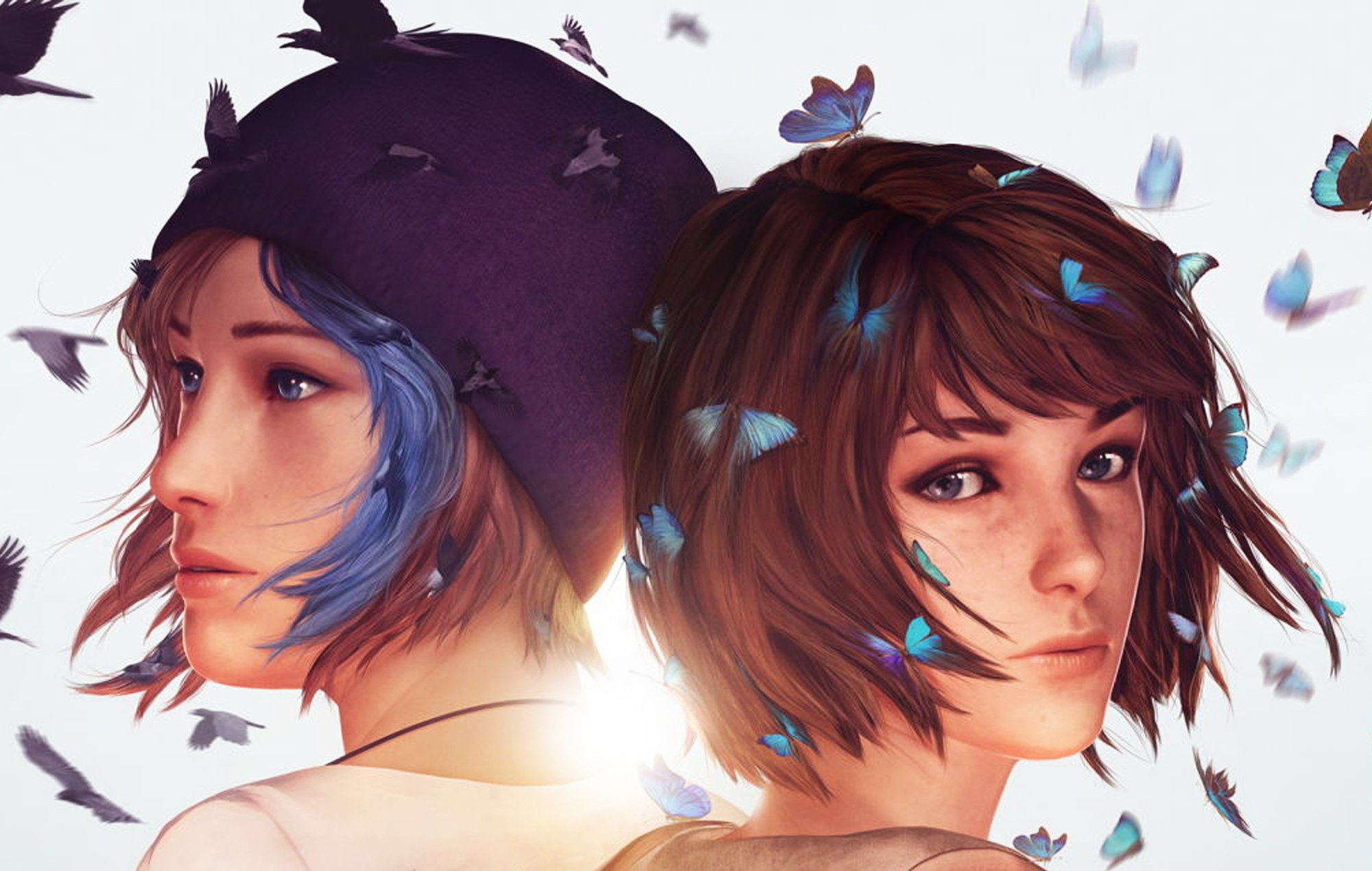
    But here’s a solution I think could work beautifully: introduce a narrative mechanic where Max Caulfield — the series’ iconic protagonist — briefly sees potential outcomes of both major decisions before she makes them.


    Glimpses of Consequences: A Cinematic Rework of Max’s Powers

    We already know Max can rewind time in the game. It’s one of the most memorable gameplay features. In a show, that should absolutely stay. But to keep the emotional complexity of the branching choices, the creators could add a new dimension to her powers:

    When Max faces a pivotal decision — saving someone, revealing a secret, choosing who to trust — she momentarily sees flashes of both outcomes.

    We’re not talking full alternate timelines, but short, disorienting glimpses. A teardrop. A shattered photo. Someone walking away. A gun on the floor. Maybe even symbolic, dreamy fragments like those we see in the game’s surreal sequences.


    There’s Already Evidence This Could Work — In the Game Itself

    This might sound like a stretch to some, but here’s the kicker: this concept already exists in the source material. In Life Is Strange, Max has apocalyptic visions of a tornado devastating Arcadia Bay — days before it actually happens.

    These visions aren’t the result of her rewinding time. She’s not reacting to an event she’s already seen — she’s peering into a possible future. In fact, her visions come unprovoked, disconnected from any direct choice. That proves the framework is there.

    The game only focuses on that moment — the tornado — but who’s to say that’s the only type of future glimpse Max is capable of having? If the show expands this mechanic just slightly, it opens the door to a whole new kind of storytelling. One that:

    • Honors the branching nature of the game
    • Adds new visual and emotional depth
    • Feels authentic to Max’s established abilities

    Why This Works

    • It preserves the emotional weight of decision-making — fans still get to experience Max’s internal conflict.
    • It mimics the “player choice” tension from the games in a way that works on screen.
    • It adds visual flair — perfect for intense editing, mood shifts, or dreamlike montages.
    • It reinforces Max’s power while showing that she, too, is haunted by uncertainty.

    She still has to choose. The show would follow one path. But now we know what was at stake — and that hits just as hard.


    Less Is More: Use Sparingly for Impact

    To keep the mechanic from becoming gimmicky or overwhelming, these glimpses should only appear during the most meaningful choices — moments like:

    • Intervening with Kate on the rooftop
    • Choosing whether to blame David or Nathan
    • The finale’s ultimate sacrifice decision

    This makes each instance feel earned and adds gravity to the moments where it matters most.


    Real Talk: Could They Actually Do This?

    With Amazon now tied to the adaptation — according to Screen Rant (April 12, 2024), Collider (April 11, 2024), and GamesRadar (April 10, 2024) — there’s both budget and narrative room to get creative. The show has reportedly been in development limbo for years (GGRecon, October 19, 2023; Keengamer, March 14, 2025), but the addition of Shawn Mendes as executive producer (IGN, August 15, 2023) signals a renewed commitment to bringing it to life.

    With Mendes’ influence and Amazon’s resources, this is a golden opportunity to expand on the original vision. The idea of using Max’s powers to simulate branching could be a powerful middle ground — satisfying long-time players while offering an emotionally resonant story for newcomers.


    Wrapping Up

    This idea wasn’t just pulled from thin air — I owe a lot to Noer’s insightful commentary on the risks of linear storytelling in a franchise like this. His video helped me crystallize the narrative anxiety a lot of fans are feeling — and sparked this idea for a possible fix.

    The truth is, we all want this show to succeed. We want to see Max and Chloe brought to life with all the nuance and heartbreak we experienced in the games. And maybe — just maybe — this idea can help the show keep that sense of weight and wonder that made Life Is Strange so unforgettable.

    What do you think? Could this approach work? How would you handle choice in a Life Is Strange series?