The Musings of Jaime David
@jaimedavid.blog@jaimedavid.blog

The writings of some random dude on the internet

1,126 posts
1 follower

Category: analysis

  • Wonderment Within Weirdness and the Many Inspirations Behind It

    Wonderment Within Weirdness and the Many Inspirations Behind It

    No story exists in a vacuum.

    Every piece of media, every book, every show, every game—it all comes from somewhere. From what we watch, what we read, what we play, what we experience, and even who we meet along the way.

    Wonderment Within Weirdness is no different.

    In fact, one of the defining aspects of the book is just how many different inspirations come together to shape it. And not in a way where it feels copied or stitched together—but in a way where everything blends into something that feels entirely its own.

    At its core, the story pulls heavily from the kind of media that isn’t afraid to go big. The kind that embraces chaos, high stakes, and larger-than-life concepts. There’s a clear influence from sci-fi storytelling, especially when it comes to multiverses, time travel, and bending the rules of reality. The idea that anything can happen—and probably will—runs deep throughout the narrative.

    But it doesn’t stop there.

    There’s also a strong influence from anime and manga. Not just in the action, but in the tone. The willingness to shift from intense, high-stakes moments to absurd, almost ridiculous scenarios. The kind of storytelling where a scene can be emotional one moment and completely unhinged the next—and somehow it still works.

    That balance is intentional.

    There’s also inspiration from superhero stories and comic books. The idea of characters being thrown into situations far bigger than themselves. Of having to rise to the occasion, even when they’re not ready. Of dealing with powers, responsibilities, and consequences that they never asked for.

    At the same time, there’s a noticeable influence from video games.

    Not just in the action, but in how scenes are structured. The movement. The pacing. The way characters navigate environments. Some moments feel like levels, like missions, like sequences that you could almost play through. That sense of momentum, of constantly moving forward into the next challenge, is very much inspired by gaming.

    And then there’s the more grounded, personal side of inspiration.

    Real-life experiences. Conversations. Memories. Even something as simple as a funny story told years ago can evolve into a full-blown scene in the book. Those moments matter, because they bring a level of authenticity that pure imagination alone can’t replicate.

    They give the story texture.

    All of these influences—sci-fi, anime, comics, games, real life—they don’t compete with each other. They coexist. They build on each other. They create something that’s unpredictable, something that doesn’t fit neatly into one category.

    And that’s the point.

    Wonderment Within Weirdness was never meant to be just one thing. It was never meant to follow a single lane or stick to a single tone. It embraces the idea that stories can be messy, that they can pull from everywhere, and that they can still come together in a way that feels cohesive.

    Because inspiration isn’t about limitation.

    It’s about expansion.

    And this book is built on that idea from the ground up.

    Fediverse Reactions
  • Wonderment Within Weirdness Has Something a Lot of Media Is Missing: Heart

    Wonderment Within Weirdness Has Something a Lot of Media Is Missing: Heart

    There’s a lot of media out there today that looks incredible on the surface. Big budgets. Huge stakes. Flashy action. Multiverse-level chaos. But for all the spectacle, something often feels… off. Empty, even. Like it’s all noise without meaning.

    That’s where Wonderment Within Weirdness stands apart.

    And no, this isn’t me gassing myself up. This is me recognizing something I didn’t fully see at first: beneath all the absurdity, the chaos, the wild set pieces, and the multiverse insanity, there is something grounding it all.

    Heart.

    Real, genuine heart.

    At its core, this story isn’t just about saving the multiverse. It’s about people. Flawed people. Messy people. People who don’t always get along. People who make mistakes, who argue, who split apart and come back together. People who aren’t purely good or purely bad, but exist somewhere in between.

    And that matters.

    Because a lot of media today simplifies things. Clear heroes. Clear villains. Clean arcs. Easy resolutions. But life isn’t like that. Relationships aren’t like that. Growth isn’t like that. And Wonderment Within Weirdness doesn’t pretend otherwise.

    Even in the middle of insane battles—whether it’s chaos unfolding across space and time, or conflicts happening in grounded, everyday places—what really drives the story is how the characters react to it all. Their fears. Their choices. Their bonds. Their disagreements.

    The story allows characters to feel human, even in the most inhuman situations.

    And that’s where the heart comes from.

    It’s in the way characters don’t always stay united. In the way trust shifts. In the way alliances form and break. In the way people come and go. Nothing is static, and that fluidity makes everything feel alive.

    It’s also in the themes that sit underneath the surface.

    There’s an underlying resistance to the idea that perfection is necessary. A pushback against the notion that the world—or the multiverse—needs to be “cleansed” or made flawless. Instead, the story leans into something deeper: that imperfection is part of existence, and that flawed people still deserve to live, to try, to grow.

    That message carries weight.

    Because even when things get absurd—even when the story leans into humor, chaos, and over-the-top moments—it never loses sight of that core idea. The stakes aren’t just about winning or losing. They’re about what it means to fight for others. To stand up even when things are overwhelming. To keep going when giving up would be easier.

    That’s heart.

    And it’s something that can’t be faked.

    You can have the biggest battles, the wildest concepts, the most creative worlds—but without heart, it all fades. It becomes forgettable. Interchangeable. Just another story.

    Wonderment Within Weirdness doesn’t fall into that trap.

    Because underneath everything—the weirdness, the wonder, the chaos—it cares.

    And that’s what makes it matter.

    Fediverse Reactions
  • Why Wonderment Within Weirdness Stands Apart From Other Books and Media

    Why Wonderment Within Weirdness Stands Apart From Other Books and Media

    When I think about Wonderment Within Weirdness, one of the things that constantly comes to mind is just how much story there is in a single debut novel. And I don’t say that to brag—it’s just a fact. For a lot of readers, authors, and even media consumers, it’s rare to see a single book, especially a debut, that carries so much narrative weight, so many ideas, so many characters, and so many moving pieces all at once. The story is dense, chaotic, sprawling, absurd, and yet meticulously planned. It’s the kind of book that contains layers of plot, subplots, character arcs, thematic exploration, and world-building that would make some multi-volume series feel sparse by comparison.

    To put this in perspective, think about the most famous and expansive series in modern pop culture. You have Harry Potter, a seven-book series that became a global phenomenon. You have The Lord of the Rings, which even in its trilogy form spans a massive, detailed universe. You have anime and manga like One Piece, which literally has thousands of chapters and hundreds of volumes. You have superhero franchises like the Marvel Cinematic Universe, sprawling across movies, TV series, and comics. And you have video game series like Final Fantasy or The Legend of Zelda, which tell sprawling stories with multiple characters, worlds, and plotlines.

    Now, here’s the wild part: Wonderment Within Weirdness, in just one book, contains more story than many of these individual works combined. And again, I’m not gassing up my book—I’m speaking to the sheer density and scope of the narrative. Within its 600+ pages, it introduces a multiverse, complex characters with shifting POVs, morally ambiguous decisions, absurdist and sardonic humor, high-stakes conflict that spans universes, philosophical musings, and deep emotional arcs. There’s humor, chaos, tragedy, anti-war sentiment, resilience, and moral reflection all in one volume. Many series need multiple entries to achieve what my book accomplishes in a single volume, and yet it also sets the stage for an even grander story arc in the series to follow.

    Even in comparison to epic sci-fi series like Dune or Foundation, which span multiple books, Wonderment Within Weirdness manages to establish a huge universe, lay out multiversal threats, and provide deeply personal stakes for characters, all while maintaining narrative energy, humor, and accessibility. That is rare. The juxtaposition of absurdist tone with epic stakes, combined with multi-layered character perspectives, makes the book feel like multiple genres in one: science fiction, fantasy, superhero action, anime-inspired adventure, and absurdist comedy. And yet it all works cohesively because the story is built around a core idea of agency, courage, and resisting overwhelming odds.

    Video games and anime are often praised for the way they layer story over time, allowing audiences to explore vast worlds and multiple character arcs gradually. My book does something similar, but condensed into a single, readable volume. Where a long-running manga might take hundreds of chapters to introduce a world and explore character relationships, Wonderment Within Weirdness does that in a fraction of the time, while still providing room for absurdist humor, philosophical reflection, and epic conflict. Even complex superhero movies, which often rely on multiple entries to tell a single story arc, are doing something similar on a far smaller scale. My book can encompass all of that and more in one continuous narrative.

    Another key difference is scope versus subtlety. Many sprawling series build worlds, characters, and stakes, but the individual stories are often isolated—they focus on a single type of conflict or theme. In contrast, Wonderment Within Weirdness layers multiple conflicts, stakes, and themes simultaneously. There are multiversal threats, but there’s also character-driven emotional arcs, philosophical and absurdist exploration, moral dilemmas, humor, and commentary on human agency. There’s the chaos of fighting enormous, universe-level dangers, and the intimacy of personal struggle, sometimes in the same chapter. That level of density and layering is something few other works attempt, especially in a debut novel.

    And let’s talk about tone, because that’s another way it stands apart. Many series or works that attempt epic stakes—think Star Wars, Dune, Lord of the Rings—tend to maintain consistent gravitas. Wonderment Within Weirdness doesn’t. It balances absurd, sardonic, and nihilistic humor with genuinely high-stakes conflict. It can be absurd one moment and devastatingly tense the next, and it does so with a self-awareness that many works lack. This is closer in spirit to something like Rick and Morty, but elevated into a full novel with complex multiversal stakes. That tonal flexibility is rare in large-scale storytelling, especially in book form.

    The book also innovates with narrative perspective and casual narration. While many epic series rely on omniscient narration or formalized prose, Wonderment Within Weirdness uses first-person perspectives that switch between characters, blending casual thought, internal dialogue, and direct observation. This keeps readers grounded while still presenting vast, universe-level events. Characters describe the world in their own human, immediate way: trees are big and green, objects are seen plainly, emotions are raw and unfiltered. That casual lens makes the epic feel personal and the absurd feel relatable. It’s a storytelling approach that differentiates the book from other epic works that rely on formalized, “grandiose” prose to convey scale.

    Another comparison is accessibility. Large, sprawling series or high-concept media can be intimidating for new readers or viewers. The scale, number of entries, or length of engagement required can be a barrier. Wonderment Within Weirdness, despite its grand scope, is designed to be self-contained as a debut. You can read it on its own and experience the epic story, the multiversal stakes, and the character arcs without needing to already be invested in a sprawling universe. That’s a rare combination: a book that is both grand and approachable, dense yet readable, absurd yet meaningful.

    And beyond the technical and narrative aspects, the book has thematic density that many series only achieve over multiple installments. It deals with resilience, courage, agency, anti-war sentiment, moral choice, human connection, absurdist and nihilistic humor, and multiversal consequence, all at once. Many works focus on one or two of these elements at a time. Wonderment Within Weirdness does them all simultaneously, and still manages to maintain a coherent story that carries readers along. That’s part of what makes it unique, and part of why it stands apart from other media, books, and series.

    In short, when I look at the landscape of pop culture, literature, and media, Wonderment Within Weirdness occupies a rare space. It is epic in scope, dense in narrative, absurdist in tone, deeply thematic, accessible, and fully realized in a single volume. It has more story than many multi-entry series, while still being a debut. It balances humor and gravitas, intimacy and scale, absurdity and philosophy. It draws from anime, manga, comics, sci-fi, superhero movies, absurdist humor, and literature, yet becomes its own thing. And that, I think, is worth noting: this is not just a debut novel. It is an entire universe contained in one book, designed to stand alone while also laying the foundation for an even grander series to follow.

  • Wikipedia Is a Valid Source, And It’s Time We Stop Pretending It’s Not

    Wikipedia Is a Valid Source, And It’s Time We Stop Pretending It’s Not

    This is going to be a hot take. A big one. The kind that makes academic purists clutch their pearls and scream about “proper sourcing” and “peer review” like it’s the end of the world.

    But fuck it. It needs to be said.

    Wikipedia is a valid source.

    Not “kind of valid.” Not “okay for starting research.” Not “don’t cite it but you can look at it.” No. A valid source. Full stop.

    And the refusal to acknowledge that? It reeks of elitist academia bullshit.

    Let’s be real about what Wikipedia actually is. It’s a digital encyclopedia. That’s it. That’s the whole thing. And for centuries, encyclopedias have been considered legitimate reference materials. Nobody walked into a library, picked up Encyclopedia Britannica, and got told, “Yeah, but don’t trust this.” It was the source.

    So what changed?

    The answer people give is always the same: “Wikipedia can be edited by anyone.”

    Okay. And?

    That’s not the weakness people think it is. That’s the strength.

    Because here’s the truth nobody wants to admit: knowledge isn’t static. It evolves. It gets corrected. It gets expanded. It gets challenged. And Wikipedia is one of the only large-scale knowledge platforms that actually reflects that reality in real time.

    You know what can’t do that? Textbooks. Academic papers. Printed encyclopedias.

    Once those are published, they’re frozen in time. If they got something wrong, too bad. If new discoveries come out the next day, too bad. If the author had bias, blind spots, or just incomplete information, that version of reality gets preserved as “truth” until someone writes a whole new edition—which can take years.

    Wikipedia doesn’t have that problem.

    If something is wrong, it can be corrected. If something is missing, it can be added. If something changes, it gets updated. Constantly. Relentlessly. Publicly.

    And that transparency matters.

    People act like Wikipedia is just chaos, like it’s a free-for-all of misinformation. But that’s not how it actually works. There are citations. There are moderators. There are edit histories. There are talk pages where disagreements get hashed out in the open.

    You can literally see the evolution of knowledge happening in front of you.

    Compare that to traditional academic publishing, where gatekeeping is the norm. Where access is locked behind paywalls. Where a handful of institutions decide what gets recognized and what doesn’t. Where biases—cultural, political, economic—can quietly shape what is considered “credible.”

    And we’re supposed to pretend that system is inherently more trustworthy?

    Nah.

    Let’s also talk about accessibility, because this is where the elitism really shows.

    Wikipedia is free. Anyone with internet access can use it. It breaks down barriers to information that academia has spent decades reinforcing, whether intentionally or not.

    When people say “don’t cite Wikipedia,” what they’re often really saying is: “Use sources that are harder to access, harder to understand, and validated by institutions you may not even be part of.”

    That’s not about accuracy. That’s about control.

    And look, are there flaws? Of course. No source is perfect. Wikipedia can be vandalized. Articles can have gaps. Some topics are better covered than others.

    But guess what? The same is true for academic sources.

    Papers get retracted. Studies have bias. Experts disagree. Entire fields have had to reckon with being wrong about major things for decades.

    The difference is, Wikipedia doesn’t pretend to be infallible. It shows its work. It invites correction. It evolves.

    That’s not a flaw. That’s intellectual honesty.

    And honestly, if you know how to use Wikipedia properly—checking citations, cross-referencing, reading critically—it can be one of the most powerful research tools out there. Not just a starting point, but a legitimate reference in its own right.

    The idea that it’s “not valid” feels outdated. Like a rule that made sense in 2006 when the internet was still the Wild West, but has just been blindly carried forward without questioning whether it still applies.

    It’s 2026.

    Wikipedia is one of the largest, most continuously updated knowledge bases in human history.

    At some point, we have to stop dismissing it just because it doesn’t fit neatly into traditional academic structures.

    Because maybe—just maybe—the problem isn’t Wikipedia.

    Maybe the problem is that our definition of “valid knowledge” hasn’t caught up to the way knowledge actually works now.

    And yeah, that’s uncomfortable for institutions built on gatekeeping.

    But that doesn’t make it wrong.

    It just makes it real.

    Fediverse Reactions
  • Turning Animal Farm Into a Kids Movie Is Peak 2026 Brain Rot

    Turning Animal Farm Into a Kids Movie Is Peak 2026 Brain Rot

    I genuinely don’t know who needs to hear this, but Animal Farm is not a kids story.*

    Like… at all.

    This isn’t some misunderstood children’s fable that just happens to have animals in it. It’s a brutal political allegory about corruption, propaganda, betrayal, class struggle, and the slow, horrifying transformation of revolution into tyranny. The “cute farm animals” are literally stand-ins for real-world historical figures and systems of power.

    And somehow, in 2026, someone looked at all that and went:
    “Yeah… let’s make this for children.”

    What???

    And let’s really talk about it…

    Why does this thing look like Barnyard or straight-up Back at the Barnyard?

    I’m not even joking—the character designs, the vibe, the whole “goofy CGI animals with exaggerated expressions” aesthetic—it feels like they took one look at early 2000s farm-animal animation and said, “Yeah, that. That’s the tone.”

    That is such a wild mismatch it almost feels like satire.

    Because Animal Farm is supposed to feel oppressive. Tense. Unsettling. The farm isn’t supposed to feel like a playground where the animals crack jokes and dance around like it’s some Nickelodeon side quest.

    But instead, we’re getting what looks like:

    • Smiling cows with DreamWorks eyebrows
    • Over-expressive pigs that look like they’re about to drop one-liners
    • A whole vibe that screams “family-friendly chaos” instead of “political descent into authoritarianism”

    Like… imagine trying to tell one of the bleakest allegories ever written using the same visual language as a movie where cows throw parties in a barn.

    It completely breaks the tone before the story even starts.

    Because now you’ve got two layers of disconnect:

    1. The story itself is being watered down to fit a younger audience
    2. The visual style is actively working against whatever seriousness is left

    Even if they tried to keep some of the darker elements, the moment everything looks like a Barnyard knockoff, it’s already undermined.

    It’s like trying to tell a dystopian horror story using the art style of a Saturday morning cartoon. The message just doesn’t hit the same—it can’t.

    At this point, it doesn’t even feel like they’re adapting Animal Farm.

    It feels like they’re:

    • Borrowing the name
    • Borrowing the characters
    • And then dropping them into a completely different genre and tone

    Which… why?

    If you want to make a goofy animated farm movie, just make one. There’s nothing wrong with that. But slapping Animal Farm onto it just makes the whole thing feel hollow and confused.

    Not everything needs to be turned into “content.”
    Not everything needs to be softened, brightened, and made marketable.

    And definitely not something like Animal Farm.

    Because when you take a story that’s supposed to bite—and you give it the visual style of Barnyard—you don’t just dull the message…

    You straight-up erase it.

  • Spring Stream-of-Consciousness: Emerging from the Quiet

    Spring Stream-of-Consciousness: Emerging from the Quiet

    Spring, in its most raw and unfiltered form, is a burst of chaotic energy. The earth cracks open and spills forth life in every direction. But within that vibrant display of growth, there’s an undercurrent of quiet emotional turmoil. What do we do with the fresh start spring offers us? How do we reconcile the hope that the season promises with the uncertainty of the emotions that bubble up to the surface?

    Spring is a season of contradictions—warm days followed by unexpected chills, flowers blooming while the earth still holds onto its cold core. And within this contradiction lies a flood of raw emotions that often mimic the season’s unpredictability. We can feel the stirrings of something new inside us, but we also carry the weight of the past, the remnants of winter’s introspection.

    In this stream-of-consciousness post, I allow my thoughts to wander as spring takes hold. It’s a messy, emotional, and freeing process. The thoughts are fragmented, unruly, and yet deeply honest. Spring doesn’t ask us to be perfect; it simply invites us to grow, to shed the old skin, and to step into a new chapter of possibility.

    Through this raw emotional writing, I invite you to join me in exploring the fragility and strength that spring brings. Let’s embrace the confusion and the clarity, the vulnerability and the growth, as we step into a season of renewal.

  • Expanding the Universe: Where to Find My Work (And Why It Matters More Than Ever)

    Expanding the Universe: Where to Find My Work (And Why It Matters More Than Ever)

    There’s something I’ve been thinking about a lot lately—not just creating, not just writing, not just putting content out into the world—but building something that actually lasts. Something that isn’t confined to one platform, one algorithm, one fleeting moment of visibility before it disappears into the void. Because if there’s one thing I’ve learned over the years, it’s that creativity deserves space. Real space. Multiple spaces.

    That’s part of why I’ve expanded far beyond just one site or one format.

    Most of you already know my WordPress blogs. That’s been home base for a long time. That’s where a lot of my writing lives, where I’ve built consistency, where I’ve grown. But over time, I realized something important: not everything fits neatly into one place. Not every idea belongs in the same format. Not every piece of content should be confined to text alone.

    And that realization led me to build out something much bigger.

    I’ve been quietly developing and growing my presence across multiple video platforms—places where I can share ideas differently, where tone and delivery matter just as much as the words themselves, where content can feel more immediate, more raw, more alive.

    If you haven’t checked them out yet, here’s where that side of my work lives:

    Rumble: https://rumble.com/user/jaimedavid27?e9s=src_v1_cbl
    BitChute: https://www.bitchute.com/channel/Ii4AmoOj7Prw
    Dailymotion: https://www.dailymotion.com/user/jaimedavid327

    Each of these platforms serves a purpose. This isn’t just duplication for the sake of duplication. It’s about reach, resilience, and making sure content actually gets seen. Different audiences, different ecosystems, different ways of engaging. Some people prefer one platform over another, and instead of forcing everything into one place, I’ve made it accessible across all of them.

    And what you’ll find there isn’t just one type of content either.

    It’s a mix. Commentary. Reflections. Ideas that don’t always make it into written posts. Things that are better said out loud. Sometimes more direct, sometimes more experimental. Sometimes just me speaking in a way that writing doesn’t quite capture.

    That’s the thing about creating across formats—you start to realize that your voice isn’t just one thing.

    It evolves depending on how you express it.

    And that same philosophy carries over into my writing outside of WordPress too.

    Because while my blogs have been my foundation, they’re not the only place I write anymore.

    I’ve also been building out my presence on Medium:
    https://medium.com/@jaimedavid327

    And if you haven’t been there, you’re missing a different side of my work.

    There are posts on there that you won’t find on my WordPress blogs. Not reposts. Not duplicates. Completely separate pieces. Different topics, different approaches, sometimes more long-form, sometimes more experimental, sometimes just things that felt like they belonged somewhere else.

    It’s another extension of the same idea: not everything fits in one box.

    Some ideas need their own space.

    Some writing needs a different audience.

    Some thoughts deserve to exist outside the structure I’ve already built.

    And when you put all of this together—the blogs, the video platforms, the Medium posts—you start to see the bigger picture. This isn’t just content creation in the casual sense. This is an ecosystem. A network of ideas spread across multiple platforms, each one reinforcing the other, each one offering something a little different.

    That’s what I’ve been building.

    Something layered.

    Something expansive.

    Something that doesn’t rely on a single algorithm or a single site to survive.

    Because let’s be real for a moment—platforms change. Algorithms shift. Visibility comes and goes. Anyone who’s been creating long enough knows that nothing online is guaranteed. So instead of putting everything in one place and hoping for the best, I’ve taken the opposite approach.

    Diversify. Expand. Adapt.

    And through that process, something else happens too—you start to refine what makes your work unique.

    For me, it’s the range.

    I don’t stay in one lane. I never really have. I’ll write about science, then shift into something deeply personal. I’ll analyze something societal or political, then pivot into storytelling or creative expression. I’ll post structured essays in one place and more freeform, off-the-cuff content in another.

    It’s not random. It’s intentional.

    Because the world isn’t one-dimensional, and neither is creativity.

    And if you’ve been following my work for a while, you’ve probably seen that evolution happen in real time. From early blog posts to where things are now, from written content to branching into video, from one platform to many.

    This is what growth looks like.

    Not just doing more—but doing more in different ways.

    Reaching people in different formats.

    Building something that doesn’t collapse the moment one piece of it falters.

    And if you’ve ever gotten something out of my work—whether it’s a blog post that made you think, a piece of writing that stuck with you, or even just the idea that someone out there is trying to create something meaningful in a very noisy world—then all of this expansion is for you as much as it is for me.

    Because at the end of the day, none of this exists in a vacuum.

    Content only matters if it reaches people.

    Ideas only matter if they resonate.

    And creativity only truly lives when it’s shared.

    So yeah, you can check out the platforms. You can explore the content. You can see the different sides of what I do and how it all connects.

    But more than anything, this is about continuing to build something that’s real.

    Something that keeps growing.

    Something that doesn’t stay confined.

    And for those who have asked how to support what I do, there’s also this:

    https://ko-fi.com/jaimedavid

    No pressure, no expectations—just another way to keep things moving forward for those who want to.

    Because building something like this takes time. It takes energy. It takes consistency across multiple platforms, multiple formats, multiple ideas all being developed at once.

    And I’m not stopping anytime soon.

    If anything, this is just another step in making everything bigger, broader, and more connected than it was before.

    Fediverse Reactions
  • Jaime David in the World of Writing: My Story and the Many Namesakes

    Jaime David in the World of Writing: My Story and the Many Namesakes

    When people hear the name Jaime David, most of the time I think they have no idea just how many people share it. But for me, the first Jaime David is obviously me—the indie author and scientist who has spent years blending storytelling with rational inquiry. That’s the Jaime David I want to talk about first: my work, my journey, and why I write the way I do. But I’ll also touch on other authors and professionals who share my name, because it’s kind of fascinating how many creative and skilled people happen to have the same combination of names.

    I write because I want to explore the human experience in a way that’s honest, emotional, and often scientific. My stories tend to live at the intersection of science, human connection, and emotional honesty. In 2025 alone, I published three books, including Wonderment Within Weirdness, which is one of my favorites. That book in particular leans into a comic book–inspired narrative style, which lets me dive into complicated ideas while keeping them visceral and accessible. A lot of my writing touches on identity, mental health, and personal growth, but I like to think I approach it in a way that combines emotion with analytical clarity. My background in science and data gives me that foundation—I can tell a story and explore human experience without losing sight of logical structure or scientific nuance.

    I also host The Jaime David Podcast, which has been a really important outlet for me. On it, I talk about my creative process, reflect on my older poetry, and generally try to give listeners insight into how my mind works. For me, writing isn’t just about putting words on a page—it’s about creating a connection with readers and listeners, sharing the process, and hopefully inspiring people to think about their own experiences in a deeper way. Radical empathy and self-compassion are huge parts of how I approach both life and writing, and I try to carry that through everything I create.

    Being an independent author has also allowed me to maintain complete creative control. I self-publish because I don’t want someone else telling me what to include, what to cut, or how to structure my work. That freedom lets me experiment, take risks, and write in a voice that’s uniquely mine. I’ve always believed that authenticity is more important than conformity, and I think self-publishing has allowed me to hold onto that in every project I release.

    But I’m not the only Jaime David doing interesting work in writing. Another Jaime David is an educator for BERNINA of America who writes extensively on sewing, textiles, and overlocker techniques. She’s written for the WeAllSew blog and creates patterns that help readers turn instructions into tangible, creative projects. Her work is a different kind of authorship than mine—it’s instructional and skill-based—but it’s still creative, thoughtful, and impactful. I find it fascinating how writing can take so many forms, from emotional storytelling to teaching a practical craft.

    Then there’s Jaime M. David, a fashion and lifestyle communications consultant based in New York. She writes about brand strategy, PR, and lifestyle topics, shaping narratives that influence perception and culture. While she isn’t writing fiction or poetry, her work shows that authorship isn’t limited to books—it can be about shaping ideas, crafting stories for brands, and communicating effectively with audiences. It’s another reminder that the act of writing can exist in so many different spaces, not just the literary one I operate in.

    There’s also a Jamie David on Amazon, though that profile seems a bit mixed or shared. Still, it represents another facet of what authorship looks like in the digital age: independent, self-published, and reaching audiences across platforms. And then there’s Jamie Davis, an English actor and writer, known for Hex, Casualty, and the 2023 series You & Me. His work demonstrates the connection between performing and writing, and how storytelling can span both visual and textual mediums. Finally, Jamie Sams and David Carson co-authored Medicine Cards, a spiritual guide that combines historical knowledge, cultural insight, and practical reflection. Their work shows yet another form of authorship: one that’s meant to guide, reflect, and help readers explore themselves.

    Seeing all these people together makes me reflect on what it means to share a name with other creatives. Even though we work in very different fields, there’s a shared thread: all of us are trying to communicate something meaningful. Whether it’s my fiction and poetry, sewing patterns, lifestyle consulting, acting and writing, or spiritual guides, writing becomes a way to connect, teach, or inspire. And while I like to joke that I’m “obviously” the first Jaime David, I also find it motivating to see other people with the same name doing creative work. It reminds me how diverse authorship can be, and how many different ways writing can impact the world.

    At the end of the day, my goal remains the same: I want to tell stories that are emotionally honest, intellectually rigorous, and resonant. I want to explore human experience in a way that blends science, emotion, and reflection. But I also take inspiration from the broader community of Jaime Davids and Jamies in writing, because it shows me that authorship isn’t one-size-fits-all. It’s flexible, adaptive, and alive in so many forms. Each person with my name—or a similar one—is contributing their own voice to the world, and that’s something I feel proud to be part of, even as I focus on the work that’s uniquely mine.

    Fediverse Reactions
  • The Many Faces of Jaime David: Politics, Medicine, and Creativity

    The Many Faces of Jaime David: Politics, Medicine, and Creativity

    In a world increasingly connected by information, names often serve as gateways to stories, accomplishments, and legacies. One such name, Jaime David, spans continents, industries, and spheres of influence, linking individuals who have contributed to politics, medicine, culinary arts, fashion, and education. While it might seem unusual to examine people connected only by a shared name, the diverse achievements of individuals named Jaime David provide a fascinating lens into human potential and the many ways one can impact the world. From political leadership to medical innovation, and from creative culinary expression to lifestyle consultancy, the story of Jaime David is not a single narrative but a rich tapestry of human endeavor.

    In the realm of politics and public service, one of the most prominent figures bearing this name is Jaime David Fernández Mirabal. A distinguished psychiatrist and politician from the Dominican Republic, Fernández Mirabal served as Vice President from 1996 to 2000, playing a critical role in shaping national policy during a transformative period in his country’s history. Beyond his vice-presidential tenure, he held important ministerial roles, including Minister of Environment and Minister of Sports, demonstrating a versatile engagement with governance that extended from social welfare to ecological stewardship. What adds profound depth to his public life is his familial connection to the Mirabal sisters, revered figures in the Dominican resistance against the brutal Trujillo dictatorship. The Mirabal sisters’ legacy of courage and activism resonates in Fernández Mirabal’s own dedication to public service, and his career can be viewed as a continuation of their commitment to societal betterment. His work reflects a blending of medical expertise, political acumen, and social consciousness, exemplifying how personal history can shape a public career.

    Another figure in politics sharing this name, though tragically marked by loss, is Jaime David Nieto Rojas, a Peruvian naval officer and security detail member for the Minister of Defense. Rojas’ life was cut short in a tragic accident in March 2026, an event that not only shocked the Peruvian defense community but also highlighted the inherent risks undertaken by those who serve in national security roles. While his life may have been brief, the dedication reflected in his career is a poignant reminder of the often-unseen sacrifices that individuals make to ensure the safety and stability of their nations. His story adds a somber, human dimension to the discussion of Jaime Davids in public service—a narrative of duty, courage, and the unpredictable fragility of life in high-stakes roles.

    Transitioning from politics to medicine and health, the name Jaime David again emerges, but in a very different context. Dr. Jaime David Martinez Martinez is an ophthalmologist and Associate Professor of Clinical Ophthalmology at the Bascom Palmer Eye Institute in Miami, Florida. Specializing in dry eye disease and corneal transplantation, Dr. Martinez Martinez combines clinical excellence with a commitment to research and education. His work has a tangible, direct impact on patients’ quality of life, restoring and preserving vision in ways that fundamentally transform human experience. Ophthalmology, often considered one of the most delicate and technically demanding medical fields, requires both precision and empathy—qualities that Dr. Martinez Martinez exemplifies. His presence in the medical community demonstrates the value of specialized expertise and the importance of advancing scientific knowledge to meet the evolving needs of patients worldwide.

    Similarly, Jaime David Luna, a Physician Assistant specializing in cardiology in Murray, Utah, represents another facet of medical service linked to this name. While his role differs from that of a physician or surgeon, Luna’s work in cardiology emphasizes the crucial, hands-on care that supports both patient recovery and ongoing wellness. The PA role, particularly in specialized fields like cardiology, reflects the interdisciplinary nature of modern medicine, where collaboration, patient education, and procedural support are as vital as surgical or diagnostic interventions. Both Dr. Martinez Martinez and Jaime David Luna showcase the impact that medical professionals can have at different levels of responsibility, highlighting how the dedication of one individual can ripple across patients’ lives and broader medical communities.

    Beyond the spheres of politics and medicine, Jaime David is also a name associated with creativity, lifestyle, and innovation. Jaime David Rodríguez Camacho, a celebrated Colombian chef and owner of Celele Restaurante in Cartagena, exemplifies how culinary arts can intersect with cultural heritage and scientific research. Rodríguez Camacho is recognized for his work in exploring Caribbean Colombian biodiversity and incorporating contemporary culinary techniques into traditional flavors. His approach reflects a sophisticated understanding of both science and artistry, as he blends local ingredients with innovative preparation methods. Chefs like Rodríguez Camacho contribute not only to gastronomy but also to cultural preservation and sustainability, elevating food from a daily necessity to a medium for storytelling and environmental awareness. His work invites audiences to consider how culinary practice can honor the past while experimenting with the future, connecting people to place, history, and ecology through taste and presentation.

    In the realm of fashion and lifestyle, Jaime M. David, an NYC-based communications consultant, demonstrates the influence of strategic guidance and branding in shaping modern consumer culture. Working with brands such as Aviator Nation and Dagne Dover, Jaime M. David combines knowledge of market trends, visual storytelling, and lifestyle positioning to help brands cultivate meaningful connections with their audiences. While less publicly celebrated than political leaders or medical innovators, professionals in lifestyle communications play a critical role in shaping how people experience and interpret culture. They bridge the gap between creative expression and practical engagement, ensuring that aesthetic and conceptual work reaches and resonates with a broader audience. Jaime M. David’s career highlights the often-invisible expertise that supports creative industries, illustrating the multifaceted ways in which individuals can influence society beyond traditional forms of public recognition.

    Further expanding the creative and educational scope of Jaime Davids, we find Jaime David as a BERNINA Educator, an Education Project Manager and overlocker specialist at BERNINA of America. His work focuses on sewing and textile education, empowering individuals to develop technical skills and explore their creative potential. Education, particularly in applied arts like sewing, often combines technical mastery with personal expression, and Jaime David’s contributions demonstrate the transformative power of knowledge-sharing. By teaching specialized skills, he not only preserves important craft techniques but also inspires innovation, encouraging students to experiment and integrate personal creativity into traditional practices. In a broader context, educators like Jaime David help cultivate resilience, patience, and problem-solving—skills that extend beyond their immediate domain, shaping students’ confidence and capacity for lifelong learning.

    Considering all these individuals collectively, it is remarkable how the name Jaime David spans such diverse arenas—politics, public service, medicine, culinary arts, fashion, and education. While there is no single narrative that unites them beyond the shared name, the thematic connections are striking. Across contexts, these individuals demonstrate dedication to their craft, the ability to influence others, and a commitment to improving the lives of those around them. In politics, Jaime David Fernández Mirabal and Jaime David Nieto Rojas exemplify service and sacrifice, navigating the complexities of governance and national security. In medicine, Dr. Jaime David Martinez Martinez and Jaime David Luna provide critical care and expertise, enhancing human well-being through science and compassion. In creative fields, Jaime David Rodríguez Camacho, Jaime M. David, and the BERNINA Educator Jaime David embody innovation, expression, and education, shaping experiences, skills, and culture in profound ways.

    The stories of these individuals also emphasize the intersection of personal passion and professional accomplishment. Fernández Mirabal’s background in psychiatry informs his political approach; Martínez Martinez’s research enhances patient care; Rodríguez Camacho’s culinary artistry integrates environmental and cultural awareness. Even in fields that might seem purely technical or administrative, like security or lifestyle consulting, Jaime Davids demonstrate a human-centered approach, showing that expertise alone is insufficient without empathy, ethical engagement, and creative insight. This shared quality—commitment to improvement, whether of society, health, or culture—can be viewed as a philosophical throughline connecting otherwise disparate lives.

    Moreover, examining the accomplishments of Jaime Davids highlights the global nature of influence and expertise. These individuals hail from the Dominican Republic, Peru, Colombia, and the United States, reflecting not only geographical diversity but also the ways in which talent and dedication manifest across cultures and contexts. In an era of globalization and cross-disciplinary collaboration, such stories are increasingly valuable, demonstrating that impact is not confined to one region or profession. The varied paths of Jaime Davids suggest a broader lesson about human potential: while circumstances and opportunities differ, commitment, skill, and creativity can resonate far beyond immediate boundaries, leaving legacies that inspire and inform others.

    It is also worth considering the role of legacy in these narratives. Fernández Mirabal’s connection to the Mirabal sisters situates him within a historical continuum of resistance and civic engagement, showing how familial history can inform contemporary leadership. Similarly, chefs, educators, and medical professionals contribute to legacies of skill, knowledge, and culture, shaping the experiences of future generations. Even those whose lives were tragically shortened, like Jaime David Nieto Rojas, leave legacies of courage and dedication that are remembered and honored. In all cases, the achievements of these individuals illustrate the multifaceted ways in which people can leave an enduring impact, whether through governance, healing, creation, or education.

    The diversity of careers and achievements associated with the name Jaime David also underscores a broader societal truth: excellence is not limited to fame or conventional metrics of success. While politicians and chefs may enjoy public recognition, medical professionals and educators often work with less visibility, yet their contributions are equally essential to societal well-being. Jaime David as a name becomes a symbol, in a sense, of the variety of ways human beings can contribute meaningfully to their communities, whether through policy, science, creativity, or mentorship. Recognizing this diversity fosters a more holistic appreciation of achievement, one that values both visible and unseen forms of labor and inspiration.

    Furthermore, reflecting on these figures collectively encourages an understanding of human interconnectedness. Political decisions, medical advances, culinary innovation, lifestyle consultancy, and education all influence one another in subtle but profound ways. A well-informed public benefits from political stewardship and health expertise; communities are enriched by cultural and culinary innovation; creative and technical education nurtures the skills necessary for both personal fulfillment and societal advancement. In this sense, the achievements of individuals named Jaime David serve as microcosms of broader societal dynamics, illustrating how dedication in one sphere can ripple across others, contributing to the complex tapestry of human progress.

    In addition to their professional accomplishments, the stories of Jaime Davids highlight qualities that are universally admired: resilience, dedication, innovation, and empathy. Fernández Mirabal’s political acumen is matched by a deep concern for environmental and social issues. Martínez Martinez’s meticulous medical practice combines technical skill with compassionate patient care. Rodríguez Camacho’s culinary exploration reflects both creative vision and ecological awareness. The BERNINA Educator’s focus on empowering learners demonstrates the enduring value of mentorship and skill development. Even in lives marked by tragedy, such as that of Nieto Rojas, courage and selflessness shine as defining characteristics. These qualities transcend industry or geography, forming a connective thread that binds these diverse individuals together conceptually, if not directly.

    The multiplicity of Jaime Davids also invites reflection on the nature of identity and achievement. A name, while merely a label, becomes a vessel for stories, accomplishments, and values. By exploring the lives of people who share a name, we can better appreciate the richness and variety of human endeavor, recognizing patterns of excellence, creativity, and compassion across contexts. It challenges us to look beyond the surface of familiarity and to consider the ways in which individuals shape and are shaped by their circumstances, opportunities, and passions. In this light, Jaime David becomes not just a name but a prism through which to examine human potential in its many forms.

    In conclusion, the individuals named Jaime David exemplify the vast range of human capability and influence. From the high-stakes arenas of politics and national security to the precision and care of medicine, and from the innovation of culinary arts to the subtle guidance of lifestyle consultancy and textile education, these figures demonstrate that impact can take many forms. Each has contributed to the betterment of society, whether through leadership, healing, creation, or teaching. Together, they remind us that names may link individuals by chance, but it is the dedication, skill, and empathy of each person that create lasting meaning. By reflecting on their lives collectively, we not only celebrate their accomplishments but also gain insight into the broader human story—one of interconnectedness, potential, and the enduring power of commitment to craft and community.

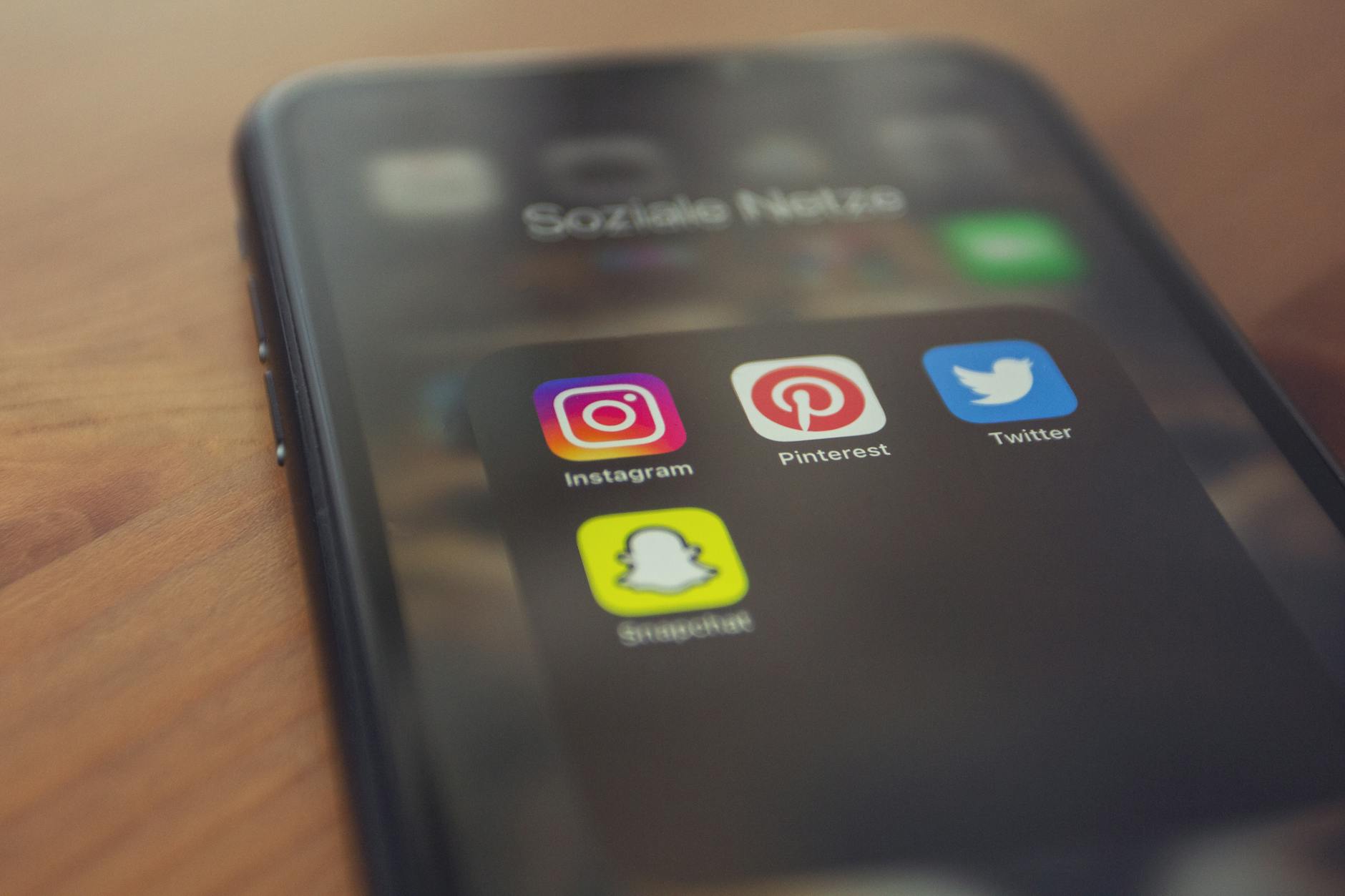
  • Social Media Addiction: A Personal Reflection on Recent Legal Developments

    Social Media Addiction: A Personal Reflection on Recent Legal Developments

    The recent lawsuits against major social media companies, alleging harm caused by addictive design, have caught my attention and prompted reflection on the nature of social media use in my own life and the lives of those around me. These cases, where courts have held platforms liable for contributing to compulsive behavior, underline the seriousness of an issue that many people still dismiss as trivial or exaggerated. While the plaintiffs in these cases are young individuals claiming mental health impacts, the implications extend far beyond age groups, reaching into adult behavior, family dynamics, and our broader understanding of how technology influences human habits.

    Watching the news coverage and reading about the court’s findings, I couldn’t help but see parallels in my own experiences. People I know, older adults even, exhibit patterns that resemble what the lawsuits describe. Hours spent scrolling, compulsive checking, waking up to engage with content, and frustration or denial when confronted about usage—these are not just habits, they are behaviors characteristic of addiction. It is easy to dismiss such actions as a harmless pastime, but when observed closely, they reveal a persistent pattern where engagement becomes prioritized over rest, social interactions, or personal well-being.

    I have noticed this in someone I know. Their use of online video platforms and other internet content has gradually intensified over the past decade, becoming an almost constant presence in daily life. They often spend hours at the computer, beginning the day by immediately logging in, and sometimes continuing late into the night, even waking in the middle of sleep to resume. Attempts to gently suggest moderation are met with defensiveness or denial, an emotional response consistent with addictive behaviors. While the individual themselves may not perceive a problem, the patterns are clear to others who observe from the outside, highlighting the disconnect between self-perception and observable reality.

    The recognition of social media addiction as a legitimate concern is, in my view, long overdue. Society often underestimates the power of algorithms and design features in shaping behavior. Infinite scroll, autoplay, personalized recommendations, and reward cues exploit the brain’s dopamine pathways, creating a loop that encourages continued engagement. The lawsuits against the platforms are a public acknowledgment that these design features are not neutral; they actively foster compulsive usage. When combined with human susceptibility, these elements create a potent environment for behavioral addiction.

    The personal relevance of these developments extends beyond observation into reflection on responsibility and empathy. Understanding addiction requires recognizing that denial, defensiveness, and minimization are common reactions. People caught in these patterns may genuinely believe their behavior is normal or harmless, even while it disrupts their routines, sleep, or relationships. Witnessing someone close to me exhibit these behaviors has reinforced my belief that social media addiction is not a trivial issue but a legitimate form of compulsive behavior, deserving the same attention and care as other recognized addictions.

    Moreover, these cases raise broader societal questions about accountability. If platforms knowingly design tools that exploit psychological vulnerabilities, what obligations do they have to users? Should there be stricter regulations on engagement-based design, especially when it targets vulnerable populations? The legal precedent being set suggests that responsibility does not lie solely with the individual, but is shared with the entities that engineer the environments in which addiction can flourish. This is a critical shift in perspective, acknowledging that technology is not merely neutral but can shape behavior in profound ways.

    Reflecting on these developments also prompts consideration of preventive measures and support structures. Encouraging self-awareness and moderation, offering alternatives to compulsive usage, and fostering environments where discussion about online habits is normalized are important steps. In personal contexts, this might involve gentle observation and conversation, helping individuals recognize patterns without judgment. On a societal level, it might involve education about digital wellness, access to resources for behavioral management, and public discourse about the ethics of design and its consequences.

    In addition, these lawsuits highlight the universality of addictive tendencies. Addiction does not discriminate by age, occupation, or social status. While the cases focused on younger users, the patterns I observe in older adults demonstrate that susceptibility persists across the lifespan. Prior experiences with other addictive behaviors can also influence vulnerability, reinforcing the need for awareness and proactive strategies in addressing digital consumption. Recognition of these patterns, combined with compassion and practical support, can help mitigate the harm associated with excessive engagement.

    The conversations around social media addiction, legal accountability, and personal observation intersect to create a powerful narrative about modern life. Technology is deeply embedded in our daily routines, yet the potential for harm is significant and often overlooked. These lawsuits serve as both a wake-up call and a validation for those who have long recognized the addictive potential of online platforms. They encourage society to move beyond casual dismissal and toward acknowledgment, understanding, and constructive action.

    On a personal level, seeing the alignment between observed behavior and documented cases strengthens my conviction that intervention, awareness, and dialogue are essential. Addiction thrives in secrecy and denial, but recognition and support can create space for moderation, recovery, and balance. While technology will continue to evolve, the principles of self-awareness, responsibility, and empathy remain crucial in managing the impact of digital tools on human behavior.

    Ultimately, the acknowledgment of social media addiction in the legal realm mirrors the experiences many witness in daily life. Whether it is a young person struggling with compulsive engagement or an older adult exhibiting prolonged, immersive use, the patterns are recognizable and significant. These insights encourage reflection on how society, families, and individuals can approach the challenge, emphasizing compassion, informed dialogue, and practical strategies for healthier interaction with technology.

    As social media continues to shape culture, communication, and personal habits, recognizing its addictive potential is critical. The recent lawsuits highlight not only the responsibility of platforms but also the importance of awareness among users and their communities. Observing addiction in familiar contexts, acknowledging its legitimacy, and fostering strategies for management create pathways toward balance. The conversation is ongoing, both legally and personally, and underscores the need for vigilance, empathy, and proactive engagement in addressing the complexities of digital life.