The Musings of Jaime David
@jaimedavid.blog@jaimedavid.blog

The writings of some random dude on the internet

1,182 posts
1 follower

Tag: anime

  • October 3rd: A Day for Pop Culture, Fandom, and Memory

    October 3rd: A Day for Pop Culture, Fandom, and Memory

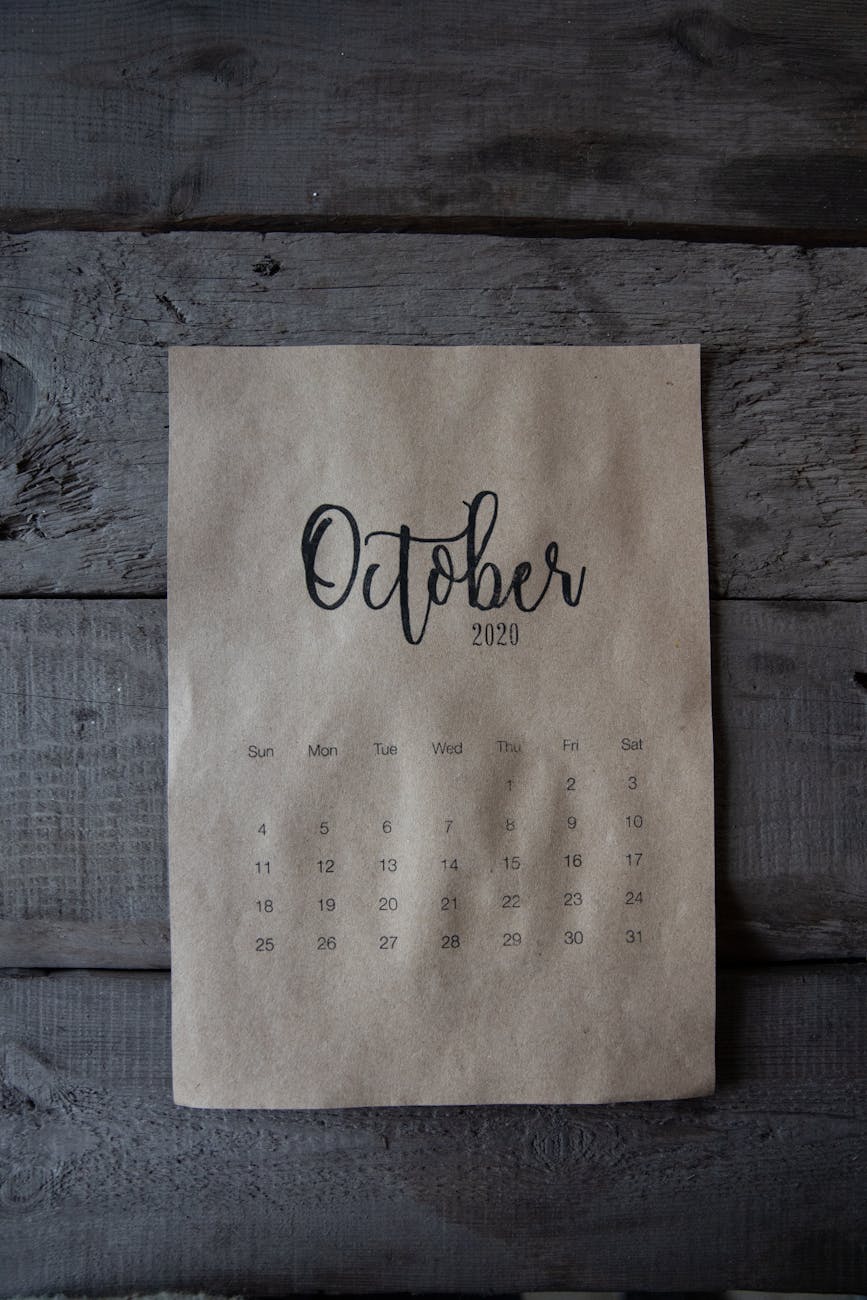
    October 3rd has, strangely and beautifully, become one of the most iconic dates in pop culture. Unlike other “fan holidays” that get created artificially or through marketing campaigns, October 3rd has significance for two completely different fandoms that, at first glance, could not be further apart: Mean Girls and Fullmetal Alchemist. On one side, we have a 2004 teen comedy film that satirizes high school cliques, social hierarchy, and the pressures of fitting in. On the other side, we have a profound Japanese manga and anime series that deals with grief, war, science, morality, and the consequences of human ambition. Both of them, in their own ways, marked October 3rd as important. This overlapping coincidence has created a fascinating cultural phenomenon where fans online celebrate the day with memes, tributes, essays, and endless callbacks. October 3rd has become a “double holiday,” a day when two worlds—fetch pink and philosophical alchemy—come together.

    In Mean Girls, October 3rd is immortalized through a single, simple line. Cady Heron, the protagonist, narrates that “On October 3rd, he asked me what day it was.” She’s talking about Aaron Samuels, the popular boy she has a crush on. The humor and charm of the line is that it’s so mundane. It isn’t a dramatic confession of love, or an important milestone, but rather a trivial detail. Yet that is precisely what makes it so powerful: many of our most memorable teenage experiences are not grand declarations, but little, seemingly random interactions that become engraved in memory. Fans latched onto this line as something deeply relatable. Everyone remembers that one ordinary exchange that suddenly became special because of who said it, or how it made us feel. October 3rd in Mean Girls represents that teenage longing, the way a simple conversation can feel like a moment of destiny. Over time, fans turned it into a holiday, and every year, the internet becomes awash with pink-colored memes, GIFs, and tweets declaring “It’s October 3rd!”

    On the other side of the cultural spectrum, October 3rd plays a very different role in Fullmetal Alchemist. The date has weight, gravity, and deep sorrow. Edward and Alphonse Elric, two brothers who broke the laws of alchemy in a desperate attempt to resurrect their mother, suffer devastating consequences: Edward loses his arm and leg, and Alphonse loses his entire body, his soul tethered to a suit of armor. In order to move forward with their lives and commit fully to their journey to restore what they lost, they burn down their childhood home on October 3rd. This act is symbolic. They are erasing the possibility of ever returning to the life they once had. Edward even engraves the date—“Don’t forget 3.Oct.10”—on his State Alchemist pocketwatch, a constant reminder of the sacrifice, the pain, and the commitment they made.

    What’s fascinating is how different these two uses of October 3rd are, and yet how similar they feel when filtered through the lens of fandom. In one case, October 3rd is a sweet, nostalgic memory of teenage infatuation. In the other, it is a solemn vow tied to grief and responsibility. And yet both share the same root: memory. For Cady, October 3rd is worth remembering because of the boy she liked. For Edward, October 3rd is worth remembering because of what he lost and what he swore never to forget. Both works understand that humans often attach significance to dates as markers of who we are and where we’ve been. Whether trivial or tragic, these markers give us a way to frame time, to make sense of life’s chaos.

    This duality is also a reflection of why fandom culture loves anniversaries and dates. Fans are always looking for points of connection, touchstones that can bring people together. When October 3rd rolls around, fans of Mean Girls and Fullmetal Alchemist flood the internet with tributes. Sometimes they are separate: pink-themed posts about Cady Heron and Aaron Samuels on one side, somber references to the Elric brothers on the other. Sometimes, though, they cross over, and that’s where the internet magic happens. You’ll see memes of Edward Elric wearing pink on Wednesdays, or Aaron Samuels holding a Philosopher’s Stone. These crossovers are not just silly—they’re examples of how digital culture allows fans to stitch together unrelated works into a shared tapestry of meaning.

    What’s also interesting is how both fandoms reflect on growing up, though in radically different tones. Mean Girls is about the social battles of adolescence: the insecurities, the cliques, the desperate need to belong. Its October 3rd moment is lighthearted, almost comedic, but beneath the joke is a reflection of how awkward teenage years are navigated. Fullmetal Alchemist, meanwhile, is about the forced maturity of children who experienced tragedy far too young. Its October 3rd moment is heavy, brutal, and about moving on when you are not ready to. Both capture the theme of transitions—of life forcing you forward whether you like it or not.

    Why, then, has October 3rd resonated so strongly with audiences worldwide? Part of the answer lies in the universality of marking time. People everywhere love rituals, and in a digital age, fandom rituals become collective experiences. October 3rd is not just a fandom date; it’s a digital holiday. Just as May 4th has become Star Wars Day (“May the Fourth be with you”), October 3rd has carved its own place as a day where people all over the world know exactly what it means to certain fans. The fact that it unites two very different kinds of fandom only makes it more powerful.

    Consider how the internet itself has amplified October 3rd. In 2004, when Mean Girls first came out, fandom was more localized—people might have quoted lines with friends at school, but the idea of a collective October 3rd celebration wasn’t widespread. By the late 2000s and early 2010s, social media platforms like Tumblr, Twitter, and Facebook gave fans spaces to amplify the significance of the date. Similarly, Fullmetal Alchemist fans, who had always viewed October 3rd as meaningful because of the manga and anime, found new audiences who could engage with that symbolism. Over time, the convergence of these two fandoms created a snowball effect: now, every October 3rd, the date trends worldwide.

    There is also something beautiful about how two pieces of media from such different cultures—an American teen comedy and a Japanese anime—ended up connected this way. It shows how storytelling transcends geography. Both films and anime are deeply local in their origins—Mean Girls satirizes American high school culture, while Fullmetal Alchemist is steeped in Japanese perspectives on grief, morality, and war. And yet both ended up speaking to global audiences. October 3rd, then, becomes a cross-cultural bridge, a reminder that art can unify people in unexpected ways.

    Another angle worth exploring is how fans themselves project meaning onto dates. It’s not the creators of Mean Girls or Fullmetal Alchemist who told us, “Celebrate October 3rd every year.” That was fans, taking ownership of the story, carving rituals into the calendar. This fan-driven appropriation of dates is a kind of cultural authorship, a way of saying, “This moment mattered to us, and we’re not going to let it fade.” The phenomenon of October 3rd demonstrates how audiences can keep media alive long after release. Mean Girls could have remained just another 2000s teen comedy. Fullmetal Alchemist could have remained just one more shonen anime among many. But because of fandom, they are eternal.

    Critically, we can also see how October 3rd has evolved into not just a fandom holiday, but a point of intergenerational connection. Younger fans discovering Mean Girls on streaming platforms still laugh at the October 3rd line, while older fans remember seeing it in theaters. Similarly, new viewers of Fullmetal Alchemist: Brotherhood still gasp at the Elric brothers’ decision to burn their home, while older fans recall reading the manga chapter as it was released. October 3rd creates continuity, a shared moment where old and new fandoms meet.

    Memes and social media jokes aside, there is something deeply human about needing to remember. Both Mean Girls and Fullmetal Alchemist capture that instinct. Cady remembers October 3rd because it felt important to her heart. Edward remembers October 3rd because it defined his life’s path. And we, as audiences, remember October 3rd because both stories taught us that dates, however arbitrary, become sacred when tied to emotion.

    So every October 3rd, the internet turns pink and silver, fetch and alchemy. Some fans will laugh about Aaron Samuels asking what day it is. Others will post images of Edward Elric’s pocketwatch with “Don’t forget 3.Oct.10.” And some will do both, creating mashups that honor how strange and wonderful it is that two different works, from two different continents, gave us the same date to hold onto.

    And perhaps that is the ultimate lesson of October 3rd: memory doesn’t need to be monumental to matter. A crush asking the date, or two brothers burning their home, both mean something because they remind us of what it feels like to be alive, to want, to lose, to move forward. Whether we laugh with Cady or cry with Edward, October 3rd has become a vessel for remembering, together.
  • Dive Into Worlds of Imagination: Introducing Anime, Comics, and Manga

    Anime, comics, and manga are more than just entertainment—they are gateways to imagination, storytelling, and culture. Each medium offers a unique way of experiencing narratives, building worlds, and connecting with characters. Whether it’s the sweeping epic of a long-running manga, the emotional depth of an anime series, or the intricate artistry of a comic book, these mediums have captivated fans for decades. Today, I’m excited to announce the launch of my new blog: Anime, Comics, and Manga, a space dedicated to exploring, celebrating, and analyzing all the incredible stories these worlds have to offer.

    The idea for this blog comes from a lifelong passion for storytelling in all its forms. Anime, manga, and comics each provide something distinct yet complementary. Anime combines movement, sound, and visual artistry to create immersive experiences that are hard to replicate in any other medium. Manga, with its carefully designed panels and narrative pacing, offers a depth of story and character development that is often even more intricate than its animated adaptations. Comics—whether superhero epics, indie projects, or experimental works—blend art and text to explore imagination, social commentary, and culture in ways that can be both entertaining and profound. Anime, Comics, and Manga aims to celebrate these mediums while diving deep into the creativity, artistry, and storytelling that make them so beloved.

    One of the primary goals of this site is to provide readers with news and updates from the worlds of anime, manga, and comics. From exciting new anime seasons to upcoming manga releases and major comic book announcements, staying informed is part of the fun of fandom. The blog will cover industry news, spotlight new series, explore adaptations, and keep readers updated on everything happening in these creative spaces. But it isn’t just about reporting—it’s about understanding the significance behind these stories, characters, and releases, and what they mean for fans, creators, and the larger cultural landscape.

    Beyond news, the blog will offer deep dives and thoughtful analysis. Every story has layers, every character has depth, and every world is crafted with intention. Anime, Comics, and Manga will explore these elements, examining character development, narrative structure, themes, and artistic choices. From analyzing how a long-running manga evolves over time to exploring how an anime adapts and reinterprets its source material, readers can expect in-depth content that enriches their understanding and appreciation of the media they love. These posts will be as much about discovery and insight as they are about celebration.

    Anime has a unique ability to combine multiple elements—animation, voice acting, music, writing—into a seamless, emotionally resonant experience. From classics like Cowboy Bebop to contemporary sensations like My Hero Academia and Chainsaw Man, anime captivates through its ability to immerse viewers in rich, detailed worlds. Anime, Comics, and Manga will explore these experiences, breaking down what makes particular series resonate, examining standout episodes, and highlighting the artistry that brings stories to life. Readers can expect thoughtful exploration of both mainstream hits and hidden gems that deserve more attention.

    Manga offers another fascinating perspective on storytelling. Its focus on visual storytelling through static panels allows for unique experimentation with pacing, composition, and character development. Many anime are adaptations of manga, yet the source material often contains deeper or alternate narratives, subtle thematic exploration, and creative choices that deserve examination. The blog will cover a wide range of manga genres, from shonen and shojo to seinen and josei, as well as one-shots, experimental works, and long-running series. Each post will aim to provide insight into the artistry, storytelling, and cultural significance of manga in all its diversity.

    Comics, both Western and global, add yet another dimension to visual storytelling. Superhero comics are widely known, but indie comics, graphic novels, and experimental works showcase the breadth and innovation of the medium. Comics can entertain, provoke thought, explore identity, and challenge societal norms—all through a combination of art and narrative. By covering comics alongside anime and manga, Anime, Comics, and Manga embraces a broad view of visual storytelling, highlighting the creativity, craft, and cultural impact of each work. Posts will include reviews, character studies, thematic analysis, and discussions of the evolving comic landscape.

    Another focus of the blog is the intersection between mediums. Many anime are adapted from manga, while comics are often adapted into anime or live-action series. Examining these adaptations allows for fascinating exploration of creative choices, storytelling adjustments, and audience reception. Understanding how a story shifts across mediums sheds light on both the strengths and limitations of each format, offering readers a richer appreciation for the art of adaptation and creative reinterpretation.

    Community is a vital aspect of anime, manga, and comics fandom, and Anime, Comics, and Manga aims to celebrate that. Fans create art, cosplay, fanfiction, theories, and discussions that enrich the experience of storytelling. The blog will highlight these contributions, providing a space to explore fan creativity, community reactions, and interpretations that add depth to the worlds we love. Engaging with fan culture allows the site to connect official content with the passion and creativity of the community, offering readers a well-rounded perspective on the media they enjoy.

    The site also values the joy of discovery. While popular series and mainstream hits are exciting, some of the most rewarding experiences come from exploring hidden gems, underrated series, and overlooked works. Anime, Comics, and Manga will introduce readers to these treasures, highlighting unique stories, innovative artistry, and creative experiments that may have slipped under the radar. Celebrating both the popular and the obscure ensures a diverse, engaging experience for all readers.

    At its core, Anime, Comics, and Manga is about fostering curiosity, critical thinking, and appreciation. It encourages readers to look beyond surface-level enjoyment and explore the artistry, narrative depth, and cultural significance of their favorite works. Posts will be designed to entertain, inform, and inspire, creating a space where fans can deepen their understanding while celebrating the joy, excitement, and emotional resonance that these mediums provide.

    Ultimately, the mission of Anime, Comics, and Manga is to provide a comprehensive, engaging, and thoughtful resource for fans of visual storytelling. Whether you are a lifelong enthusiast or just discovering these worlds, the blog offers news, analysis, and exploration across anime, manga, and comics. It is a place to celebrate the creativity, imagination, and artistry that make these mediums so compelling, and to connect with a community of like-minded readers who share the same passion.

    I invite readers of The Musings of Jaime David to explore Anime, Comics, and Manga, dive into the stories, and join me in celebrating the incredible worlds these mediums offer. From the latest anime releases to classic manga series, from mainstream comic events to indie gems, there is something here for everyone. Whether you’re looking to stay informed, explore in depth, or simply enjoy the beauty and creativity of these stories, Anime, Comics, and Manga is your destination.

    So, if you’ve ever been captivated by animation, drawn to the pages of a comic, or fascinated by the artistry of manga, this is the place for you. Let’s dive into these imaginative worlds, celebrate the stories that inspire us, and discover new favorites—one episode, one chapter, and one panel at a time.

  • Flashback Fridays #18: The Early Days of YouTube — When Vlogs and Viral Videos Began

    Flashback Fridays #18: The Early Days of YouTube — When Vlogs and Viral Videos Began

    YouTube launched in 2005 and quickly transformed the internet landscape.

    User-Generated Content: Early videos were raw and personal — people sharing vlogs, tutorials, and funny clips with friends and strangers.

    Viral Hits: Videos like Charlie Bit My Finger, Evolution of Dance, and David After Dentist captured global attention, showing the power of viral sharing.

    YouTube Stars: Personalities like Smosh, Ray William Johnson, and early beauty vloggers started building massive followings.

    Monetization Beginnings: Early monetization was limited, but YouTube’s Partner Program eventually allowed creators to turn passion into careers.

    Nostalgia: The simple, unpolished early YouTube era feels like a digital playground compared to today’s polished productions and corporate presence.

  • Flashback Fridays #17: The Classic Arcade — Where Tokens Bought More Than Games

    Flashback Fridays #17: The Classic Arcade — Where Tokens Bought More Than Games

    Before home consoles ruled, arcades were the playgrounds of youth, buzzing with neon lights and electronic beeps.

    The Atmosphere: Filled with the smell of popcorn, soda, and occasionally cigarette smoke, arcades were sensory overload in the best way. The sound of quarters dropping into machines was a common soundtrack.

    Popular Games: Pac-Man, Street Fighter II, Dance Dance Revolution, and Galaga challenged players to master reflexes and strategy.

    Social Hubs: Arcades were gathering places for friends, dates, and rivalries. High scores brought local fame.

    Decline: The rise of home consoles with comparable graphics and gameplay led to the decline of arcades, but many remain nostalgic for that communal gaming vibe.

  • Flashback Fridays #16: The Rise and Fall of MySpace — When Social Media Was New

    Flashback Fridays #16: The Rise and Fall of MySpace — When Social Media Was New

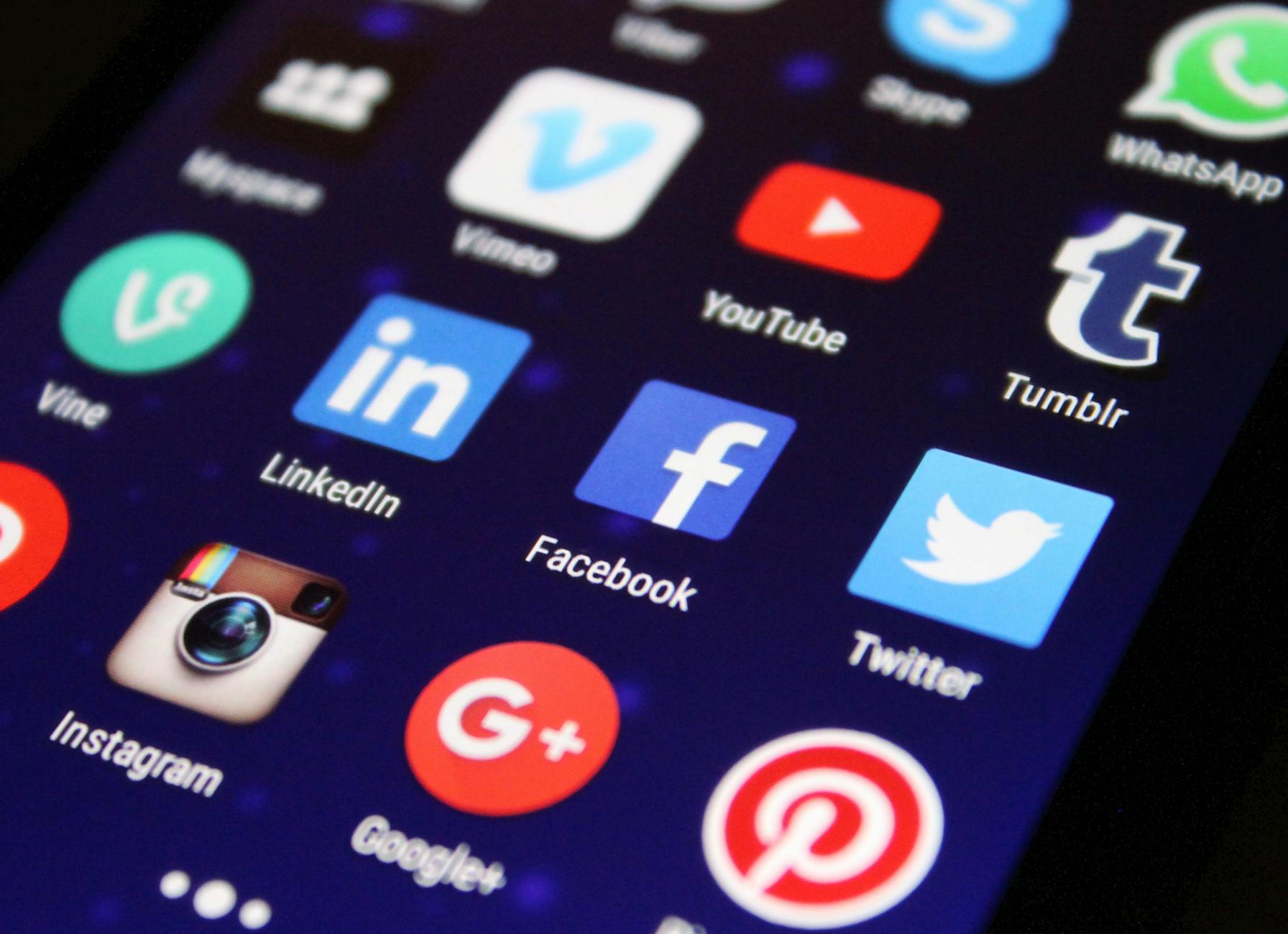
    Long before Facebook and Instagram, MySpace was the first true social media giant, dominating the early 2000s internet.

    Customization Freedom: Users could completely redesign their profile pages with HTML and CSS, adding music players, flashy backgrounds, and glittering text — the more over-the-top, the better.

    Music and Subculture: MySpace became a launchpad for indie and unsigned bands, who used it to share tracks and connect directly with fans.

    Friend Lists and Top 8: Your Top 8 friends were a public declaration of social status, sparking drama and alliances.

    Decline: MySpace couldn’t keep up with the simplicity and slickness of Facebook, which led to its rapid fall from grace.

    Legacy: Despite fading, MySpace shaped how we think about personal online identity and community.

  • Flashback Fridays #15: Saturday Morning Cartoons — The Ultimate Childhood Treat

    Flashback Fridays #15: Saturday Morning Cartoons — The Ultimate Childhood Treat

    Before on-demand streaming, Saturday mornings were sacred cartoon time — a weekly tradition that shaped childhoods.

    The Ritual: Wake up early, grab cereal, and settle in front of the TV for hours of animated adventures. Networks competed fiercely for ratings with lineups packed with action heroes, slapstick comedies, and educational shows.

    Iconic Shows: Teenage Mutant Ninja Turtles, DuckTales, Animaniacs, G.I. Joe, and Inspector Gadget are just a few that sparked imaginations.

    Commercial Breaks: Ads for sugary cereals, toys, and video games perfectly targeted the young audience, often sparking intense toy craze cycles.

    Community: Saturday morning cartoons were cultural events — kids trading episode stories at school and bonding over favorite characters.

    Decline: Cable TV, VCRs, and later streaming fragmented this tradition, but nostalgia keeps the magic alive.

  • Flashback Fridays #14: RadioShack — The DIY Electronics Store That Wired a Generation

    Flashback Fridays #14: RadioShack — The DIY Electronics Store That Wired a Generation

    RadioShack was the place for hobbyists, students, and tinkerers from the 70s through the early 2000s. It was more than a store; it was a gateway to understanding technology.

    Product Variety: From resistors and capacitors to early personal computers like the TRS-80, RadioShack stocked parts for countless projects. They also sold walkie-talkies, CB radios, and early cell phones.

    Learning and Experimenting: RadioShack published detailed catalogs and kits — perfect for science fairs or budding engineers. Their staff were often passionate about electronics, helping customers troubleshoot.

    Cultural Impact: For many kids, RadioShack sparked lifelong interest in STEM fields. It was also where families bought their first home phones or alarm systems.

    Challenges: The rise of big-box electronics retailers and online shopping hurt RadioShack’s business, but its legacy lives on in maker communities.

  • Flashback Fridays #13: The Blockbuster Experience — Friday Night Movie Rituals

    Flashback Fridays #13: The Blockbuster Experience — Friday Night Movie Rituals

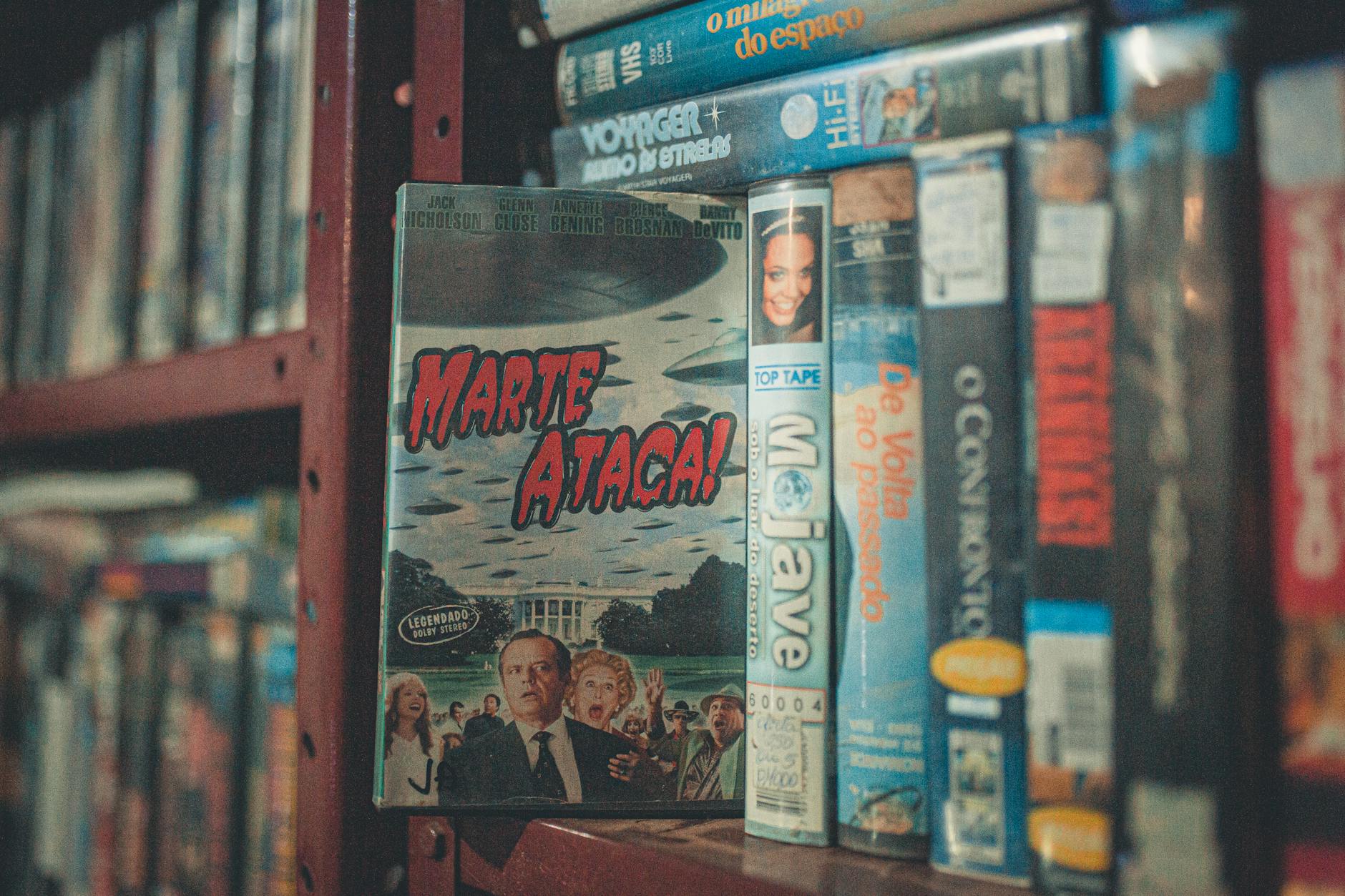
    Remember the excitement of walking into a Blockbuster store on a Friday night? The neon signs glowing, the endless rows of VHS tapes or DVDs, and the smell of popcorn and plastic cases — it was a ritual for millions.

    Browsing the Aisles: Unlike streaming today, you had to physically explore shelves to discover something new. The movie section was divided by genres, with featured new releases often in a special endcap.

    The VHS Rental Process: You’d grab your tape, head to the counter, and hope your pick wasn’t already rented out. The clock was ticking — late fees lurked if you forgot the due date. This added a thrilling tension to the movie night.

    Community and Staff: The clerks often knew regulars and gave recommendations. Sometimes there were “staff picks” or posters advertising upcoming releases.

    The Social Aspect: Blockbuster visits were mini events — family nights, dates, or group hangouts. Kids would rent cartoons while teens hunted for horror flicks or comedies.

    Decline and Nostalgia: The rise of DVDs, Redbox, and streaming spelled the end for Blockbuster. Still, many remember it fondly as a cultural hub for movie lovers.

  • Flashback Fridays #12: The Role of Memes in Shaping Online Communities and Culture

    Flashback Fridays #12: The Role of Memes in Shaping Online Communities and Culture

    Memes aren’t just jokes — they’re powerful tools for bonding and identity online.

    Community Building: Sharing memes creates in-group language, fostering belonging in subcultures from gamers to political activists.

    Political Memes: From the 2016 US election onward, memes became influential in shaping political opinions and mobilization.

    Meme Economy: Some memes gain so much traction that they influence marketing, politics, and pop culture.

    Ethics and Controversy: Memes can also spread misinformation or offensive content, raising questions about responsibility.

    Memes are digital folklore, evolving narratives that define how we communicate and relate in the internet age.

  • Flashback Fridays #11: Meme Formats That Defined the 2010s — The Language of the Internet

    Flashback Fridays #11: Meme Formats That Defined the 2010s — The Language of the Internet

    Memes became a universal language during the 2010s, with formats that spread rapidly and evolved constantly.

    “Distracted Boyfriend”: A stock photo repurposed to represent relationship metaphors. Its adaptability made it iconic.

    “Success Kid”: An image of a toddler clenching his fist symbolizing small victories, inspiring countless captions.

    “Dogecoin” and “Shiba Inu”: The “Doge” meme’s rise turned it into a cultural and financial phenomenon.

    Memes as Social Commentary: Memes evolved from silly jokes to vehicles for political satire and social critique.