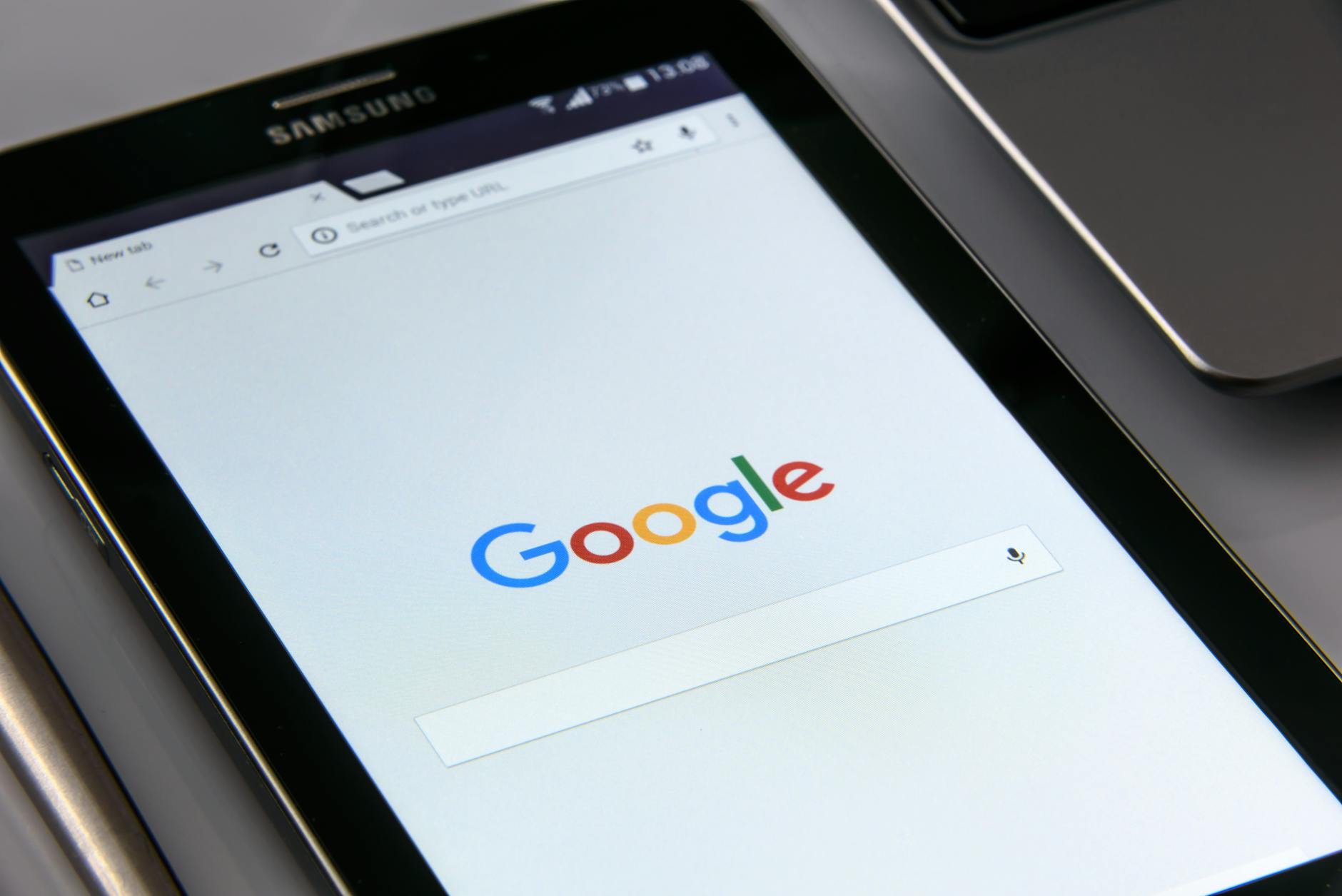
Writing and creativity have always thrived when access to tools and stories is open. From the printing press to the rise of self-publishing, every leap in technology has expanded who can create and who can read. In our modern age, smartphones and tablets are the newest printing presses, the newest notebooks, the newest bookstores. They hold writing apps, self-publishing platforms, e-readers, and countless tools for creativity.
But what happens when access to these tools is restricted? That’s the concern raised by Louis Rossmann, a well-known tech activist who recently criticized Google’s new policy. Under this change, developers who want to distribute apps outside the Google Play Store must now register, verify their identity, and pay a fee. Google also warns that apps installed outside their store are “50 times more likely” to contain malware.
On the surface, this might seem like a reasonable safety measure. But for writers, readers, and creatives, the consequences could be severe.
Smartphones as Creative Libraries
Rossmann reminds us that smartphones aren’t “just phones.” They are computers, and for many, they are also libraries, notebooks, and publishing platforms. Writers use them to draft stories, poets use them to jot down lines on the go, and novelists use apps to organize entire worlds. Readers use apps to access books, from mainstream bestsellers to indie gems that never see the shelves of a chain bookstore.
The beauty of writing apps and e-reading platforms is their variety. Some come from big companies, but many are built by small developers or independent writers who want to share their work. These creators may not have corporate backing, but they bring diversity and innovation to the literary world.
Barriers for Indie Authors and Developers
Under Google’s new policy, independent developers face new obstacles. Imagine a self-published author who has built a free app to share their short stories. Or a small team that develops a poetry journaling app. Or a startup offering an experimental e-reader focused on indie literature.
Requiring fees and verification creates financial and bureaucratic barriers that many small creators can’t easily overcome. Some may abandon their projects altogether. That means fewer tools for writers and fewer platforms for readers.
In other words, the policy risks silencing voices that don’t come from big publishing houses or tech companies.
The Language of Fear: “Sideloading”
Google’s use of the term “sideloading” is also troubling. The word frames independence as danger. For many readers and writers, some of the best creative apps come from outside the Play Store: apps that allow access to banned books, open-source writing tools, or experimental publishing platforms.
If users hear that these apps are “unsafe,” they may avoid them entirely. That not only hurts developers, but also weakens the culture of independent literature and creativity.
Access to Books at Risk
Consider how many readers today find books through apps, especially those outside mainstream bookstores. Many independent authors distribute their work through alternative e-reading platforms, some of which aren’t hosted on the Play Store. Others rely on small-scale apps to reach audiences that traditional publishing overlooks.
If those apps become harder to install—or if users are scared away by warnings—access to books shrinks. And when access shrinks, creativity suffers.
Writing Apps and Education
Writing isn’t just about publishing books—it’s also about learning. Students use apps to practice creative writing, journaling, and poetry. Teachers use small, independent apps to encourage storytelling in classrooms. Many of these apps are made by educators themselves, without the budget or corporate support to easily navigate Google’s new requirements.
If these tools disappear, the next generation of writers loses opportunities to explore their voices.
Creative Independence and Digital Control
Rossmann warns that this isn’t just about phones—it’s about control. If companies can decide which apps are “safe” enough to install, they hold the keys to creativity itself. Today it’s Android apps; tomorrow it could be software on laptops or e-readers.
For writers and readers, this is a chilling prospect. The act of writing has always been tied to freedom: freedom of thought, freedom of expression, freedom of access. Restricting how apps are installed means restricting how stories are shared.
Why It Matters for the Arts
Some may argue that writers can always publish in books or online blogs. That’s true—but apps are increasingly important for reaching readers. Apps can offer interactive storytelling, poetry generators, or book clubs with built-in discussion features. They can connect readers and writers across the world instantly.
Restricting these platforms risks narrowing the ways in which stories can be told. Literature doesn’t only belong on shelves—it belongs everywhere, in every form technology allows.
Conclusion: Protecting Creative Freedom
Rossmann’s critique highlights something bigger than a software policy. It’s about the future of creativity in a digital world. Writing and reading have always expanded when barriers fall. Google’s new rules build new walls—and those walls may keep out the very voices that literature most needs.
Smartphones are more than phones—they are libraries, notebooks, and printing presses. Writers and readers deserve the freedom to install the apps that inspire them, without unnecessary gatekeeping.
If we value creativity, we must also value digital freedom. The future of writing depends on it.