The Musings of Jaime David
@jaimedavid.blog@jaimedavid.blog

The writings of some random dude on the internet

1,089 posts
1 follower

Tag: Climate change

  • The Lorax Left When We Needed Him Most

    The Lorax Left When We Needed Him Most

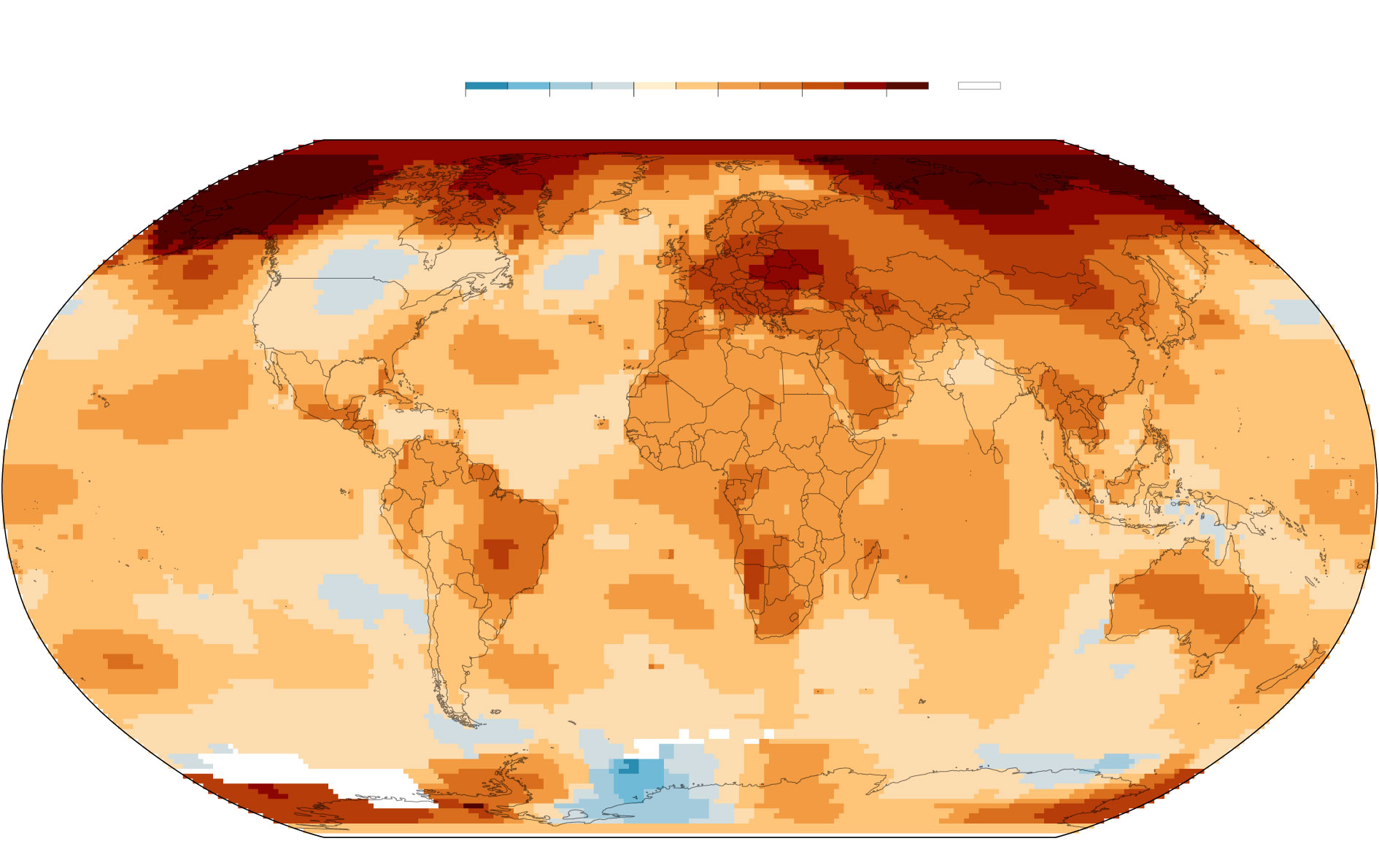
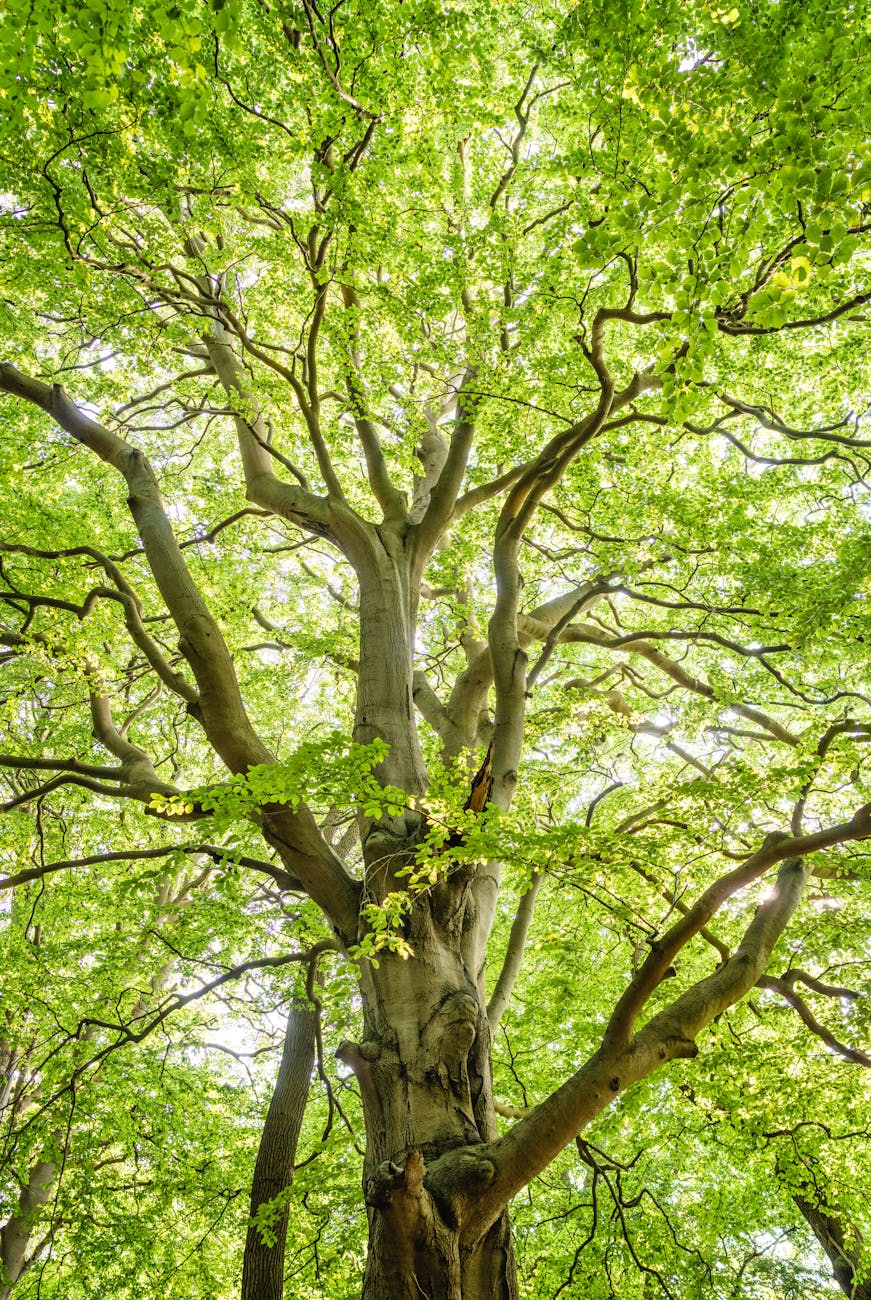
    We’ve all been told that The Lorax is a story about environmentalism, corporate greed, and the consequences of unchecked exploitation of nature. And sure, that’s all in there. But let’s not ignore the uncomfortable truth: the Lorax, the self-declared guardian of the forest, leaves when things get bad. He doesn’t protest harder. He doesn’t organize. He doesn’t chain himself to the last Truffula tree or build a grassroots resistance. He just floats up into the sky and vanishes, leaving behind a cryptic stone with the word “UNLESS” on it. That’s it. That’s the end of his fight. The guy who “speaks for the trees” gives a vague hint and then peaces out.

    And what does that really mean? If you speak for the trees, shouldn’t that come with a little more responsibility? Speaking is great—important, even—but when the trees are being chopped down one by one and the air is thick with smog, maybe it’s time for more than words. Maybe it’s time to act. But the Lorax doesn’t organize a coalition of forest creatures. He doesn’t lobby the Once-ler. He doesn’t call a press conference or draft legislation. He just lectures a bit, gets ignored, and then bails. If he truly cared, wouldn’t he have stayed until the bitter end, standing in front of the last tree like it was the sacred line in the sand?

    The Lorax’s exit feels less like noble despair and more like strategic abandonment. Sure, the Once-ler didn’t listen. But people don’t always listen the first time—or the tenth. That’s the whole point of activism. You keep going. You show up. You resist. You make noise. But the Lorax essentially says, “Welp, I tried,” and disappears. Can you imagine if real-world climate activists behaved this way? Greta Thunberg just floating into the clouds after one bad press conference? The Sierra Club just closing shop the moment a single forest was paved over? That’s not activism. That’s quitting with extra flair.

    The message we should have gotten from The Lorax is that caring means sticking around, even when things look hopeless. Especially when they look hopeless. Instead, we get this mythical tree-hugger who delivers a warning, gets ignored, and then evaporates—leaving a child (and us) with the burden of fixing everything after the fact. And that’s a lot of pressure to put on a kid. Maybe instead of just leaving behind a stone with a single cryptic word, the Lorax could’ve left an instruction manual, a protest plan, or at the very least, a phone number.

    So yes, the Lorax speaks for the trees. But maybe what we needed was someone who fought for them. Someone who got arrested at a pipeline protest, who glued themselves to the Once-ler’s machinery, who built a Truffula Tree Sanctuary and refused to leave. Someone who stayed. Because at the end of the day, speaking only goes so far. Action—messy, relentless, inconvenient action—is what actually makes a difference. And when the trees were gone, the Lorax should have been the last one standing. Not the first one to vanish.
  • They Were Just There, Like They Belonged: NYC’s Shifting Wildlife and the Subtropical Future We Can’t Ignore

    They Were Just There, Like They Belonged: NYC’s Shifting Wildlife and the Subtropical Future We Can’t Ignore

    I never thought I’d be writing a follow-up to New York’s Subtropical Future just two weeks later. And I definitely never thought parrots—actual, living, green parrots—would be the thing to trigger it.

    But here we are.

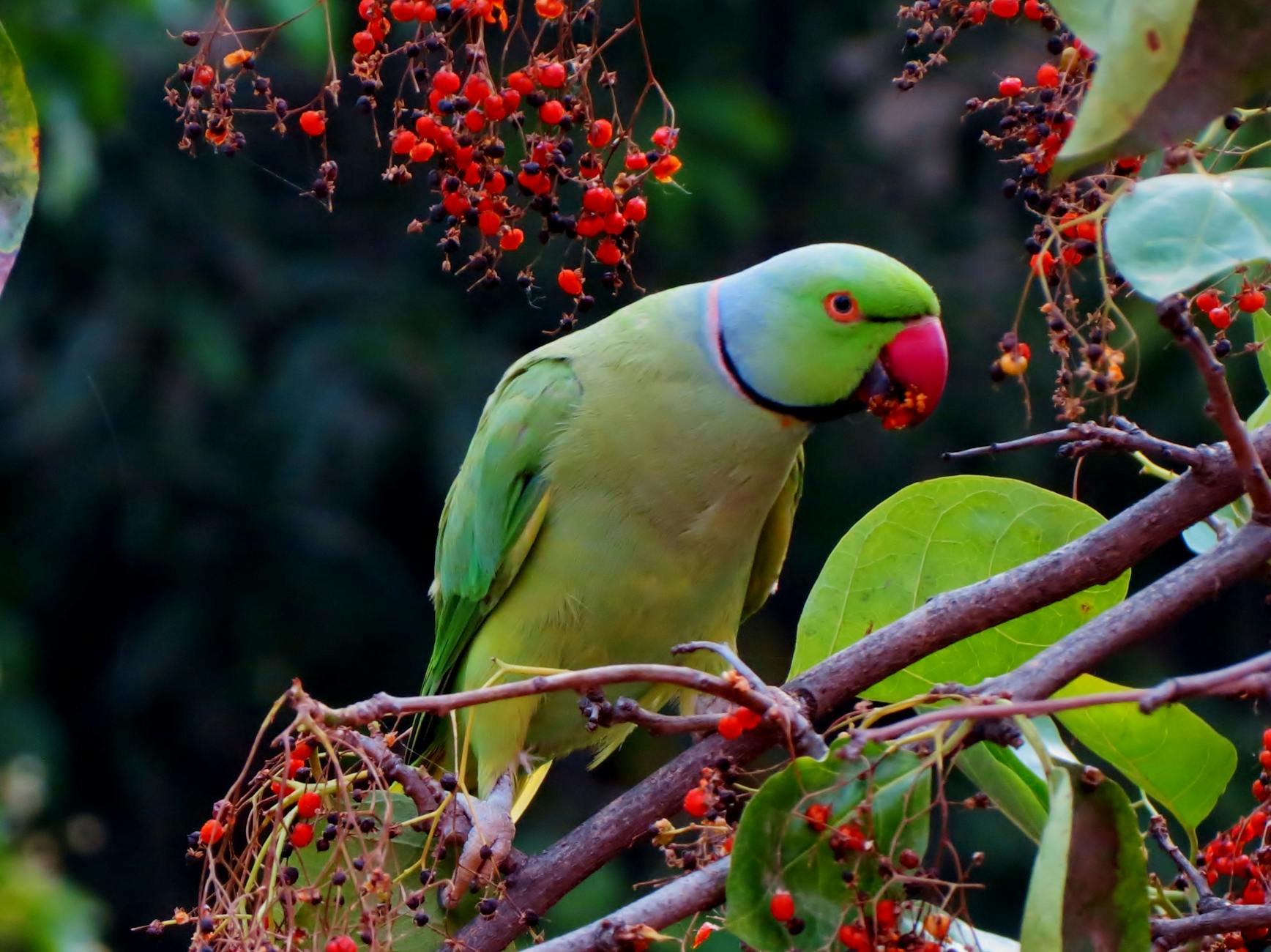
    It was Sunday, July 27th. I was doing something as ordinary as getting groceries. The air was thick and humid, the sky heavy with clouds—the kind of gray that seems to sink into your skin. On my walk back home, I passed by a tree on the sidewalk. Not one of those ornamental city trees that seem more for show than shade, but a real fruit-bearing one. Apple or pear, maybe. I didn’t get that close because something else caught my attention first:

    Parrots.

    Not one. Not two. But five or six bright green parrots, perched on the branches, squawking and moving around like they owned the place.

    It felt like a glitch in the simulation. Like I’d stepped into a scene that didn’t belong to New York. I froze. Snapped a few pictures with my phone. Tried to act normal even though the moment was anything but. These weren’t escaped pets. They weren’t struggling. They were settled. Thriving. At ease. As if this stretch of sidewalk—this humid, gray, sweltering July day—was exactly where they were meant to be.

    And it hit me: this isn’t just a one-off. This is it. This is the shift.

    When I wrote about New York’s emerging subtropical classification, I was thinking about rain. About climate. About seasons that no longer made sense. But this—this was another layer. Biodiversity. Wildlife. Nature adapting in real time to the human-made chaos we’ve unleashed.

    In the past few years, I’ve heard seagulls far more frequently than I used to—and not just by the water, but deeper into neighborhoods where you wouldn’t expect them. But parrots? That’s different. That’s tropical. That’s a species that isn’t supposed to be here. Yet they are. Not migrating through, not lost—settling in. And maybe that’s what’s so jarring. They weren’t symbols of escape or anomaly. They were evidence.

    Evidence that New York City is no longer just transforming on paper or in temperature charts—it’s transforming in the trees. In the air. In what birds now call this concrete jungle home.

    Years ago, I would’ve written this off. A weird sighting. A story to tell. But now, it fits the pattern. The disrupted, dizzying pattern of a world out of balance. Where tropical birds find urban trees suitable nesting spots. Where familiar becomes foreign in the span of a few years. Where you walk back from a grocery run and find yourself grieving—again—for a city that keeps slipping further into a version of itself you never asked for.

    We’re watching ecological succession unfold in real time. A gradual invasion of the subtropics—not by storm, not by force, but by adaptation. The parrots are adapting. The plants are adapting. The question is: are we?

    This isn’t just about parrots. It’s about what comes after them. What other species might find our warming winters and humid summers ideal? What insects, what diseases, what disruptions? We don’t know yet. But we’re already behind.

    I don’t know what it means to live in a subtropical New York. I don’t know if it ever stops feeling like a stranger’s version of the city. But I do know this: if we don’t treat these moments as the wake-up calls they are, we’re going to lose more than just familiar weather patterns. We’re going to lose the very essence of what made this place livable, resilient, human.

    And if parrots can adjust to this new New York, the least we can do is pay attention.

  • New York’s Subtropical Future: A Grief for a City I Thought I’d Know Forever

    New York’s Subtropical Future: A Grief for a City I Thought I’d Know Forever

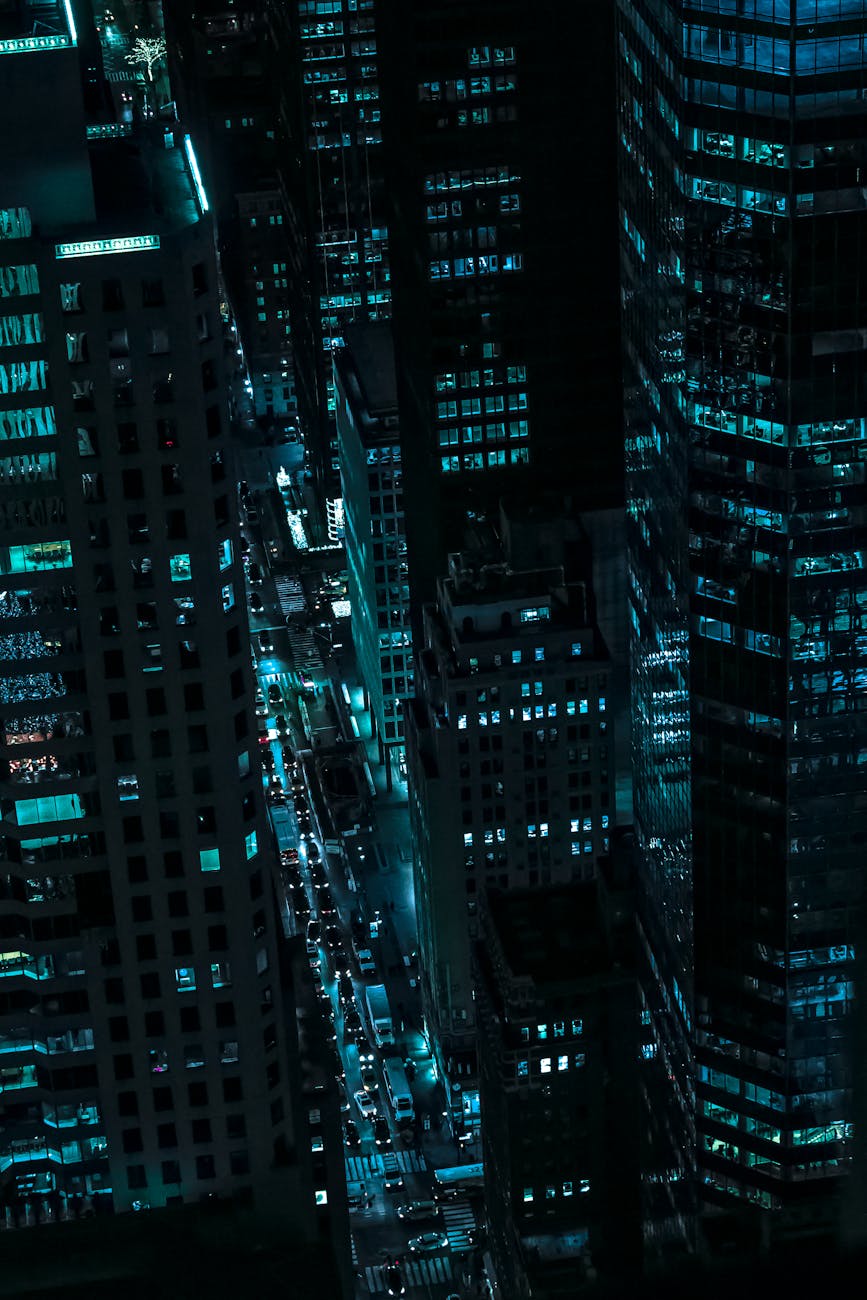
    It’s a cold, gray morning in New York City, the kind where the rain seems endless, the air heavy with humidity, and the sky never quite clears. A feeling of sorrow lingers in the streets, as the city I’ve known for so long starts to show signs of becoming something else—something foreign. Something unrecognizable.

    Today, I am sharing a reflection I wrote. I am reflecting on a poem I wrote in 2019 titled “Rain.” You can find the poem here:

    Rain – The Musings of Jaime David

    You can also find the podcast episode of this poem here:

    The Jaime David Podcast – Episode 1: Rain – The Musings of Jaime David

    Recently, I had come across an article stating that NYC is considered subtropical climate. The article can be found here.

    NYC Is So Hot Right Now It’s Considered A Subtropical Climate

    I never wanted to be right. When I wrote that poem back in 2019, I was just trying to make sense of the shifting weather patterns around me. It was a gut feeling that something wasn’t right—constant rain, unseasonably warm winters, and an unnerving frequency of downpours. I tried to make sense of it, as any writer does, by putting the words out into the world. And then I hypothesized: could this be climate change? Could it be that the weather in New York, a city that’s always prided itself on stability, was beginning to break down, shifting into something new?

    Back then, I thought maybe I wouldn’t see the full effects of these changes for another decade or so. Perhaps, I thought, the signs were only visible in the periphery, small shifts that wouldn’t come to fruition for years, or maybe decades. But six years later—six short years later—I’m staring at an article that declares New York City is now officially classified as a humid subtropical climate. I was right. The very thing I feared, the thing I predicted with an aching sense of dread, has come to pass.

    The signs were there, even in 2019. Constant rain. Unpredictable weather. A New York that seemed increasingly out of sync with what I remembered as a stable, temperate climate. And now, in 2025, it’s here, but not in the far-off future I imagined. It’s here now, and it’s happening faster than anyone predicted. The projections I read about in the past—those quiet warnings from climate scientists—weren’t distant dreams. They weren’t hypothetical. They were warnings. And as the days pass, the temperature continues to rise, the skies continue to darken, and the rain continues to fall.

    I wish I wasn’t right. I wish I could take back that moment of realization when I first began to notice the changes and wonder aloud if it was climate change creeping in. But I can’t. And now, as we stand on the brink of what feels like an irreversible shift, there is an urgency to our reality. This is no longer something we can push to the back of our minds or wait for someone else to fix. This is happening in real-time. This is a crisis. And we can’t afford to waste time.

    What does it mean to live in a city like New York if it’s no longer the New York we once knew? To walk these streets and know that something fundamental is slipping away? The New York I grew up with, with its temperate weather and bustling energy, seems to be fading into the background, replaced by a version of the city that feels more like a stranger than a home. The constant rain, the heat waves, the unpredictable storms—this is not what I signed up for.

    But it’s not just about nostalgia. It’s not just about grieving the city’s changing weather patterns. It’s about the urgency of the matter. We can’t waste any more time. We can’t keep pretending that this is some distant problem that won’t affect us for years. The fact is, climate change is here—and it’s happening faster than even I imagined. If we don’t act now, if we don’t recognize the gravity of this moment, there may be no New York left to save.

    So, as I reflect on how quickly the world around us has changed, I can’t help but feel a profound sadness—not just for the city I thought I knew, but for the world that is slipping away beneath our feet. We are running out of time. And I can’t help but wonder, as I look up at the gray skies and listen to the rain, whether we are ready to face what comes next.

  • Slam Sunday: Post 8 – “The House Is Burning”

    Slam Sunday: Post 8 – “The House Is Burning”

    This week, as wildfires scorch continents and the planet’s fever spikes higher, the urgency of climate justice has never been clearer. Meanwhile, heat waves, droughts, and displacement remind us: the climate crisis is a crisis of inequality, of power, of ignored warnings. “The House Is Burning” is a fierce, unapologetic slam poem that channels the panic, the blame, the grief—and the fierce demand for action. It’s a call not just to notice the flames, but to fight the arsonists still stoking them.


    The House Is Burning

    Listen up,
    the house is burning—
    and no, it’s not just smoke on the horizon,
    it’s the crackling roar beneath your feet,
    the searing breath of a world betrayed.

    They sold us a future
    wrapped in plastic promises and empty lies,
    peddling poison like it’s progress,
    while glaciers wept and forests screamed—
    the price tag: our children’s air, their water, their tomorrow.

    Heat waves like a fist pounding on the door,
    droughts carving scars across the skin of the earth,
    and floods swallowing neighborhoods whole—
    nature’s fury isn’t random, it’s a reckoning.

    And who’s to blame?
    The CEOs counting profits in a rising sea,
    the politicians kissing fossil fuel lips,
    the corporations burning coal like it’s holy scripture—
    all while the poor, the frontline,
    the marginalized choke on their smoke-filled lungs.

    But we won’t stay silent,
    won’t watch the ashes pile higher,
    won’t bow to the pyromaniacs of greed.

    This is resistance—
    not just trees and rivers, but voices rising like wildfire,
    marches, laws, divestments, rebirth.

    The house is burning,
    and we are the firefighters,
    the builders, the dreamers—
    the ones who will rise from these flames
    and build a world worthy of breath.

  • Slam Sunday: Post 7 – “Echoes in the Silence”

    Slam Sunday: Post 7 – “Echoes in the Silence”

    As the world spins faster, louder, and more divided than ever, the silent cries beneath the noise grow sharper. This week, as protests against systemic racism erupt again in cities across the globe, and climate disasters rage without mercy, the fight for justice feels both urgent and unfinished. “Echoes in the Silence” is a raw pulse of resistance—calling out the ghosts of inequality, demanding that silence no longer shields oppression. It’s a call to listen, to act, and to amplify the voices still unheard.


    Echoes in the Silence

    Listen —
    to the silence
    that screams louder than sirens in the night,
    the hush between bullets and broken bones,
    the quiet in a mother’s tear-dampened prayer,
    the pause before the next eviction notice lands like a guillotine—
    silent but deadly,
    a quiet storm that ravages homes and hopes.

    See —
    the erased faces in the statistics,
    the bodies stacked in morgues,
    the votes tossed in shadows,
    the earth gasping under the weight of poisoned skies,
    the LGBTQ+ youth locked out of shelters,
    the immigrant children silenced in cages —
    ghosts too many pretend not to hear.

    Feel —
    the heat of rage melting lies,
    the pulse of laborers rising from broken backs,
    the heartbeat of every protest marching through tear gas,
    the thrum of truth pounding against the walls of misinformation,
    the drum of justice demanding to be heard.

    Rise —
    because silence is complicity,
    because every whispered injustice feeds the wildfire of hate,
    because the time for quiet compliance has burned away —
    now is the roar,
    the fight,
    the flame that burns down the walls of apathy.

    This is our anthem,
    our roar through the void—
    echoes in the silence,
    we will not be ignored.

  • Slam Sunday: Post 4 – “The Climate’s Last Verse”

    Slam Sunday: Post 4 – “The Climate’s Last Verse”

    Intro:
    The clock ticks faster, ice melts quicker, and the skies grow heavier with the weight of unkept promises. This poem channels the frustration and urgency of the climate crisis — a plea and a warning wrapped in a slam’s raw truth.

    Poem:
    We danced on fire, sang in smoke,
    While glaciers wept and oceans spoke.
    The warnings came — sirens, bells,
    But profits rang louder than nature’s knells.

    The earth’s lungs choke in poisoned air,
    But suits and ties just don’t seem to care.
    “Growth,” they say, “is endless, bright,”
    While forests burn beneath their light.

    Species vanish, one by one,
    Under the glare of a dying sun.
    We write reports, and we delay,
    While storms tear more dreams away.

    But still, in youth’s unyielding eyes,
    The seeds of change begin to rise.
    No longer silent, no longer tame,
    The climate’s last verse is calling your name.

  • Orange Sky

    Orange Sky

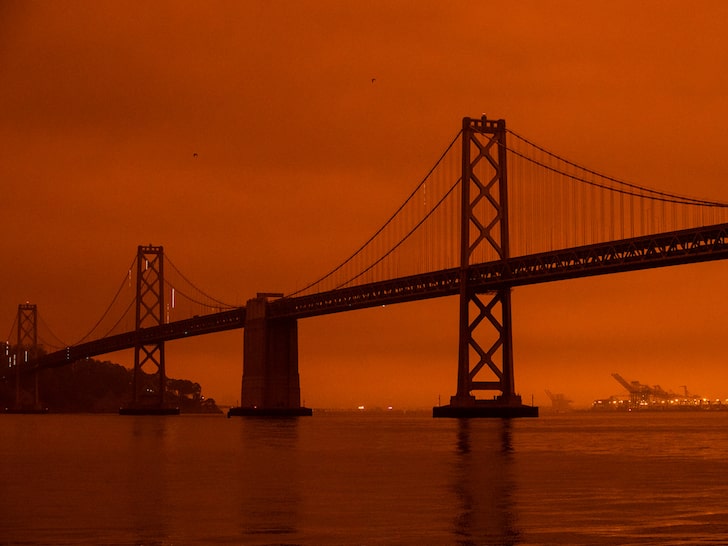
    They woke up one day to smoke-filled sky.

    The sky was so smoky it turned it shades of red and orange.

    It was extremely eerie.

    It seemed like a scene from a post-apocalyptic movie.

    It look like the daylight sky you would see on Mars.

    It was a sight to see.

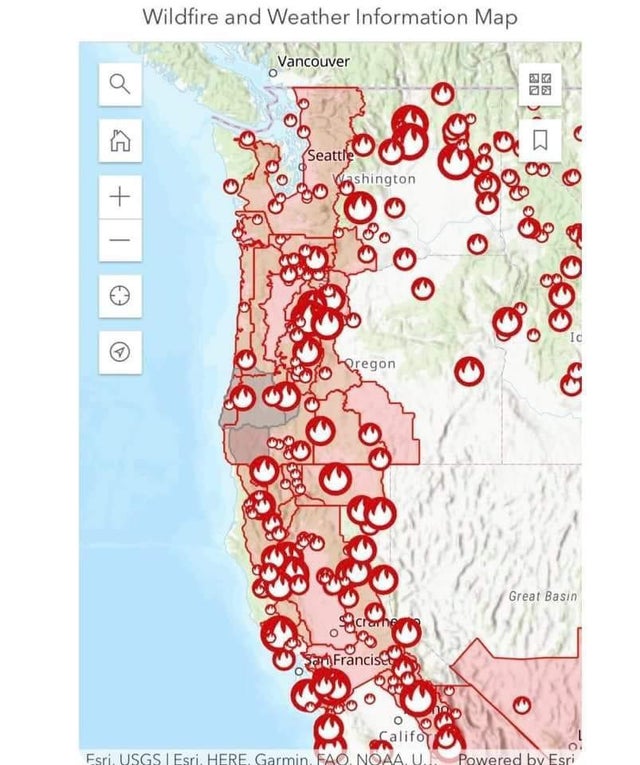
    I hope everyone in California and the West Coast will stay safe!

  • The Sun’s Gone Dim And The Sky’s Turned Orange (Parody of “The Sun’s Gone Dim and The Sky’s Turned Black” by Johan Johansson)

    The Sun’s Gone Dim And The Sky’s Turned Orange (Parody of “The Sun’s Gone Dim and The Sky’s Turned Black” by Johan Johansson)

    Preface: So I came up with these parody lyrics for the song “The Sun’s Gone Dim and the Sky’s Turned Black” by Johan Johansson that relate to what is currently happening on the West Coast. There aren’t many lyrics to the song; just four lines. It is mostly an instrumental song. I will link the song below.

    Ironically enough, this song was used in the trailer for the 2011 movie “Battle: Los Angeles,” which takes place in CA. California is also where the recent wildfires originated from.

    Now, without further ado, here are the parody lyrics!

    “The Sun’s Gone Dim and the Sky’s Turned Orange”

    By Jaime David

    The sun’s gone dim

    And the sky’s turned orange.

    The West Coast’s burnin’,

    Twenty-twenty’s been so crap.

  • The World Is On Fire

    The World Is On Fire

    The world is on fire. It is currently burning. The temperatures keep on rising. It’s becoming alarming. This changing climate is becoming a crisis, and it’s a crisis that’s very frightening. If we don’t solve this soon, the world could come to an end. Maybe not the planet, but everything that lives in it. There would be no more humans and no more amazing creations. Monumental monuments like The Statue of Liberty would eventually become nothing but dust and debris if humans were to go extinct. Eventually, the same would happen to buildings, and everything else in between. They’d all turn into dust, just like us. If we were not here, anything we created would not matter at all. Anything that was floating in space would come crashing down to the Earth, setting everything ablaze. Eventually, nuclear reactors would start to meltdown, and all of the radiation that’s in them would all get let out.

    All of the animals that are alive right now would be on their own, if they were not wiped out. There would probably be a few. Most of them would live underground. The ones that were above ground would most likely all die out if the climate were to get chaotic. They would thrive and populate underneath the Earth’s surface, and eventually they’ll reclaim the surface. Eventually, the radiation would decay, and the greenhouse gases would get replaced, and the planet will heal itself like it had a bad sickness. We won’t be here, and neither would a lot of other species, but there would be new species. They’d be survivors. They would survive us. They could potentially be the ones that reach our level of intellect. They could be reptilian. They could be arachnids. They could even be gigantic cockroaches. Whatever they are, they have the potential to take this planet to the stars if we ourselves don’t get to. They could learn from our mistakes. They could be better than us. They may develop intricate societies that have a diversity of species all living in harmony. It would definitely be an amazing sight to see.

    They’d eventually develop space travel, and take us to the Moon. They’d take us to Jupiter and Venus and even Mars, too. They’d even probably take us all the way to Pluto. Who knows? They could possibly take us to see the entire Milky Way! We may discover different species living on other planets, and these species may be as smart as us and them, and have a complex intellect. It would be so cool to see.

    The question is, would Earthlings be seen as threats, or will they be welcomed? Is it also possible that they’d be enslaved and treated like pets? There are so many questions that one has to ask when dealing with the possibility of becoming an intergalactic race.

    All I do know is, I hope they would learn from our mistakes. If our species dies out, and does not get to see the future, I hope that whatever species in the far distant future that reaches sapience learns from humanity’s own shortcomings and mistakes. That is what I hope if humanity loses all hope.

    However, we still have hope. We still have hope to achieve all of those great and amazing things. We could explore the vast reaches of the cosmos and explore all that there is to explore. We could travel to wherever we want to go to, and potentially find a new home. I don’t know. All I do know is that we need to become aware that our climate is changing. Our planet is in need, and we need to save it. There is a way to save it. We need to stop emitting greenhouse gases, and we also need to stop polluting our planet. We need to find an alternative fuel source and stop using oil. We need to make steps to go vegetarian or vegan and make our diets more plant-based. There is so much we need to do. The first thing we should do is educate ourselves. Once we do that, we share the information we learn to others.

  • Pollution

    Pollution

    Pollution; it’s not an illusion.

    It is quite real, and we need a solution.

    If we don’t solve this, it could be the end.

    It could be the end of us all, and the world that we love

    Could end up in flames as humans will try to blame

    The problem on others and not act like brothers

    When in reality, we all have a hand to play.

    It is not just one group that’s the one that pollutes.

    It’s a bunch that had acted, so we need a group effort

    To solve this problem and help the environment.

    We must have a vision, and avoid division.

    We must work united in order to fight this.

    This is Earth is our home; the one we were grown.

    In order to save it, we must be it’s saviors!