Episode 23 of The Jaime David Podcast is out now!
Listen on Spotify:

The writings of some random dude on the internet
Episode 23 of The Jaime David Podcast is out now!
Listen on Spotify:

Okay.
I’m starting to get that feeling again.
You know the feeling I mean.
That feeling of waking up, checking the news, and seeing another familiar celebrity has died.
And then another.
And then another.
Over the past couple of weeks, I’ve started getting some serious 2016 vibes.
And honestly, I don’t like it.
I already wrote about Hayden Panettiere’s death, so I’m not going to spend this entire post rehashing that.
But her death on August 16 really feels like where this recent stretch began for me.
Hayden was only 36.
She was someone a lot of us grew up watching, whether it was Heroes, Nashville, or one of the Scream movies.
And then suddenly, she was gone.
It was shocking.
But unfortunately, that wasn’t the end of it.
Just days later, the news seemed to keep coming.
On August 25, we lost Dolly Parton at 80.
And then, as if that wasn’t enough, Tim Curry died the same day, also at 80.
Dolly Parton.
Tim Curry.
Two completely different people from completely different parts of the entertainment world.
But both were absolutely enormous cultural figures.
Dolly was one of the most recognizable musicians and entertainers on the planet.
Tim Curry gave us unforgettable performances in The Rocky Horror Picture Show, It, Home Alone 2, Legend, and so many other productions.
And then came Peter Cullen, the legendary voice behind Optimus Prime, who died at 85.
And Samuel Monroe Jr., known for his work in films including Menace II Society, also died this week at 52.
Suddenly I’m sitting here thinking:
What the fuck is going on?
Now, obviously, 2026 is not literally 2016.
And I’m not saying there is some supernatural curse hanging over the entertainment industry.
Death happens.
People age.
People get sick.
Sometimes people die unexpectedly.
That’s life.
But there is something about losing several incredibly recognizable people in such a short period that brings back memories of 2016.
Because if you remember 2016, you probably remember the feeling.
It seemed like every time you opened social media, another legendary person was gone.
David Bowie.
Alan Rickman.
Prince.
Carrie Fisher.
George Michael.
Gene Wilder.
Muhammad Ali.
And so many others.
It wasn’t necessarily that 2016 had some magical ability to kill celebrities.
It was that so many people who felt permanent suddenly weren’t there anymore.
And that’s the part that hits differently.
When a celebrity dies, we sometimes hear people say:
“I didn’t even know them. Why am I so upset?”
But that’s the thing.
We might not have known them personally.
We knew their work.
We grew up with their movies.
We listened to their music.
We watched them on television.
We heard their voices.
They became part of the background of our lives.
Sometimes you don’t even realize how much someone has been part of your life until they’re suddenly gone.
That’s why the death of someone like Peter Cullen can hit someone who never met him.
You hear Optimus Prime’s voice and suddenly you’re a kid again.
That’s why Dolly Parton’s death can hit someone who wasn’t even a country music fan.
That’s why Tim Curry’s death can hit someone who grew up watching Rocky Horror, It, Home Alone 2, or any of his countless other performances.
These people leave behind pieces of our memories.
There’s something else I’ve been thinking about.
A lot of the celebrities we grew up with are getting older.
The people who dominated television, movies, music and pop culture when many of us were kids are now reaching their 70s, 80s and beyond.
And eventually, we’re going to start losing more and more of them.
That’s just the reality of getting older.
But knowing that doesn’t necessarily make it easier.
Because it means we’re entering an era where the people who helped define our childhoods and teenage years are no longer going to be around forever.
And that’s a weird realization.
Because when you’re young, you don’t think about it.
You assume your favorite actors will always be actors.
Your favorite musicians will always be making music.
The voices you’ve heard your entire life will always be there.
Then reality comes knocking.
So yes.
Maybe I’m being dramatic.
Maybe this is simply one unfortunate stretch of celebrity deaths.
And statistically, there is nothing particularly mysterious about several notable people dying around the same time.
But emotionally?
It definitely feels familiar.
It feels like 2016.
And after everything we’ve already been through this decade, I think a lot of us could use a break from the constant feeling that another piece of our cultural history is disappearing.
I don’t want 2026 to become another year where we wake up every morning wondering:
“Who died today?”
I don’t want another year where every few days we’re collectively saying goodbye to another person who seemed like they would always be here.
So here’s hoping this recent streak slows the hell down.
Because we’ve lost enough people.
And I’m really not interested in reliving 2016.
Not again.

The Jaime David Podcast – Episode 19: Death is now out.
Read the original post here:
Listen on Spotify:
Check out the transcript below:
Episode 19 — Death — The Jaime David Podcast
Intro:
Hey everyone, welcome back to The Jaime David Podcast. This is Jaime David here, and today’s episode is about something very real, very personal, and something all of us face — death.
I wrote a poem called “Death” a while ago that explores my thoughts and feelings about loss, grief, and what it means to live a meaningful life in the shadow of mortality. I wanted to share it with you because it’s one of those universal topics that touches every human being, and sometimes we don’t talk about it enough.
Background and Context:
Death is a topic that can feel heavy, even uncomfortable. For some, it brings fear or sadness. For others, it brings reflection or even acceptance. When I wrote this poem, I was trying to work through my own understanding of death — what it means to me personally, and how it shapes the way I live.
I don’t claim to have all the answers. Honestly, I don’t know if there’s an afterlife or what happens when we die. What I do know is that death reminds me to appreciate life — to value the moments we have with the people we care about, and to try to be a positive force in the world.
This poem was a way to express those feelings — the struggle with grief, the uncertainty about what’s next, and the determination to live with purpose despite it all.
Poem Reading:
Now, I’d like to read the poem “Death” for you:
Death is a part of life.
It causes us great strife.
It takes away our loved ones
And leaves us all alone.
It affects us all differently,
For we have different ways that we grieve,
But I know that I personally believe
That death is the end; the end of everything.
Once someone’s gone, they’re gone for good.
Maybe there’s a God and an afterlife. Who knows?
All I do know is that I will always try
To bring happiness and joy to the people in my life.
I will try to make the world great in the best way that I can
By using the gifts and talents that make me who I am.
I may not be perfect; not in the slightest
But I strive to be a light; a light that shines brightest
When I’m surrounded by those who are caring and supportive.
I don’t like to see people in pain,
Either physically or emotionally.
Their pain is something that I want to take away,
But I know I can’t do that,
For I’m not superhuman.
I’m only a man; a man with a plan;
A plan to see this world be the best world that it can.
How it will be done, I honestly don’t know.
What I do know is that I’ll be a light that glows.
I care about people; always have and always will.
That’ll never change; at least, I don’t think it will.
I strive to be better; to be different.
I want to learn from my own failures, shortcomings, and mistakes.
I want to be someone that people would want to meet.
I want to be someone that people could appreciate.
Even though I don’t expect anything in return,
I will do anything I can to bring joy to this world,
So that if I die tomorrow, I’ll be proud of all I’ve done.
I don’t know what will happen to me when I die.
All I know is, I’m going to appreciate life and just take things one day at a time.
Reflection:
That poem reflects a lot of what I think about death and life. For me, death is the end — or at least, that’s my belief for now. But whether or not there’s something beyond, what really matters is how we live right now.
We all want to be remembered, to have made a positive impact on those around us. We want to shine a light, even in small ways, to make life better for others. And I think that striving for that light — to be kind, supportive, and to bring joy — is a worthy goal.
Grief is different for everyone, and there’s no right or wrong way to experience it. But what unites us is the chance to live fully despite knowing that death is inevitable.
So, to anyone listening who’s dealing with loss or just thinking about mortality — remember that you’re not alone. And if you can, try to be that light for yourself and others. Take life one day at a time, appreciate the small moments, and keep striving to be better.
Closing:
Thank you for listening to this episode of The Jaime David Podcast. If this poem or message resonated with you, I’d love to hear your thoughts — reach out anytime.
I’m Jaime David. Take care of yourself, and each other. We’ll talk again soon.
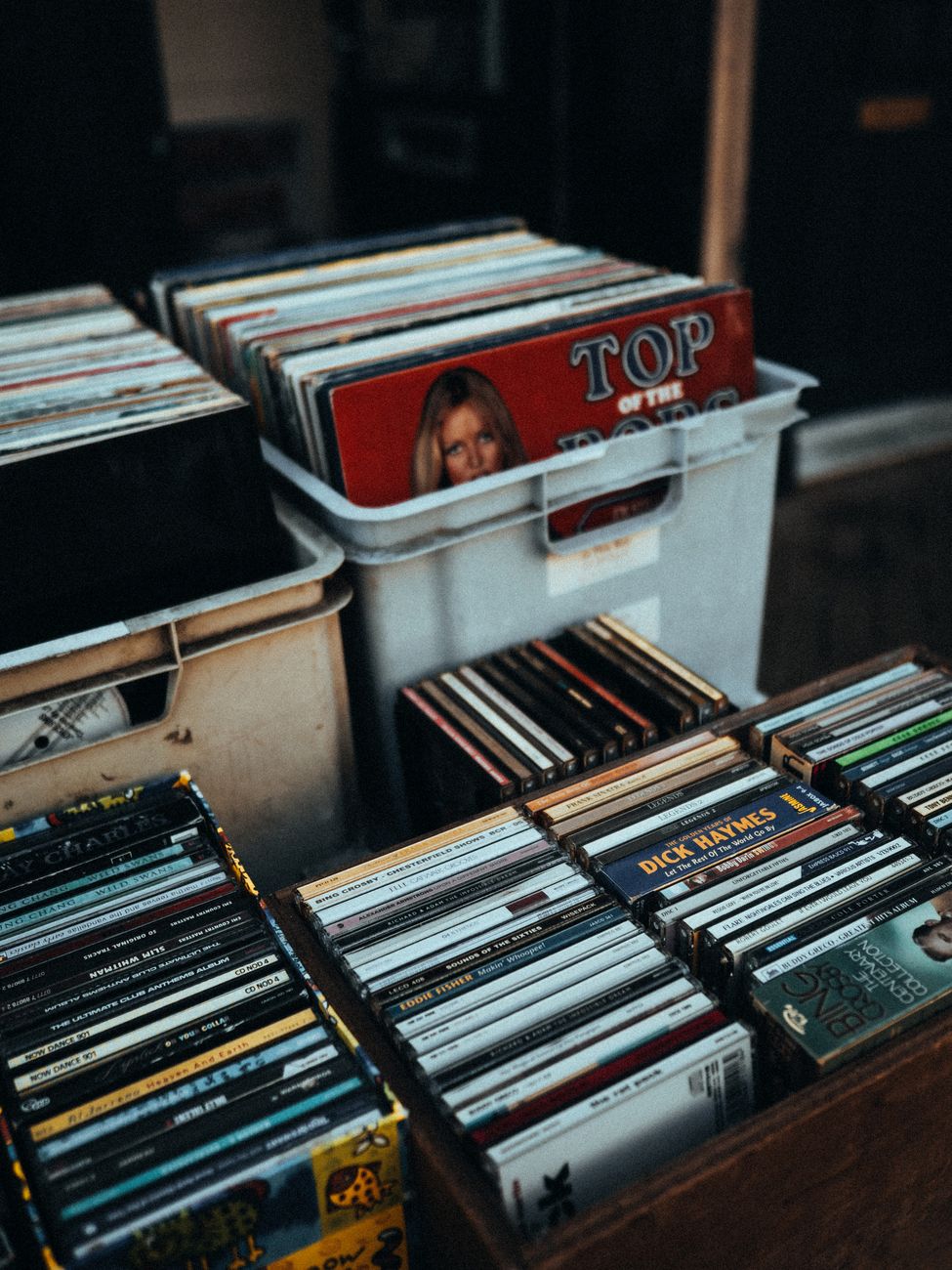
There is something satisfying about building a music collection. In a world where almost every song imaginable can be streamed instantly, there is still something special about owning music in a physical format. Holding an album in your hands, opening the case, looking through the booklet, reading the credits, and knowing that it is part of your own collection feels different than simply clicking play on an app. Streaming is incredibly convenient, and I use it all the time, but there is a certain feeling that comes from collecting physical music that just cannot be replicated digitally.
For me, collecting CDs has become one of those hobbies that slowly sneaks up on you. It starts with one album. Then another catches your eye. Then another. Before you know it, you are checking online stores, browsing local shops, and thinking about which artist you want to add next. There is no rush to build a giant collection overnight. In fact, I think taking your time makes the hobby even more enjoyable because every new addition feels meaningful.
My collection originally started with Blue October. That band has been incredibly important to me for years, and it felt like the perfect place to begin. If you know me through my writing, my podcast, or even some of my conversations online, you probably already know how much I appreciate Blue October’s music. Their songs have a way of balancing emotional honesty with incredible musicianship, and their albums have become some of my favorites. Starting my collection with them simply felt right.
After that, though, I started branching out.
It is funny how collecting works. Once you have one artist on your shelf, suddenly you start thinking about all the other artists whose music has been part of your life over the years. You realize that your listening habits are much broader than you originally thought. Instead of stopping with a single band, you begin creating a collection that reflects your musical journey.
That is exactly what happened with me.
Since then, I have added several more artists to my growing CD collection. Alter Bridge has joined the shelf with their powerful blend of hard rock and incredible guitar work. Linkin Park, one of the defining bands of the 2000s, naturally earned a place as well. Evanescence brings their unmistakable mix of rock, orchestral elements, and haunting vocals. Eminem represents an artist whose lyrical ability and storytelling have influenced multiple generations of hip-hop listeners. Jay-Z adds another legendary voice whose impact on rap and music as a whole is impossible to ignore.
Then there is Story of the Year, another band whose energetic sound fits perfectly into the kind of music I have always enjoyed. Finally, My Chemical Romance has become another addition to the shelf, bringing along the theatrical style and emotion that made them one of the defining alternative rock bands of their era.
Looking at the collection now, I realize it is beginning to represent different chapters of my own life. Every artist reminds me of different moments, different memories, and different stages of growing up. Music has a funny way of attaching itself to experiences. Sometimes you hear a song and instantly remember where you were, who you were with, or what was happening in your life when you first discovered it. Physical collections almost become memory collections in that sense.
One thing I find interesting is that I am not trying to become a completionist. There are people who collect every single release, every deluxe edition, every international pressing, every promotional copy, every colored vinyl variant, and every limited edition imaginable. I have a lot of respect for collectors like that because it takes incredible dedication.
For me, though, I simply enjoy building a collection that represents artists I genuinely enjoy listening to. I do not feel pressure to own absolutely everything. I think hobbies become much more enjoyable when you remove the feeling that you have to collect every single item. Instead, every purchase becomes something you actually want instead of something you feel obligated to buy.
Another thing I enjoy about CDs is how practical they still are. They are compact, relatively inexpensive compared to many other physical formats, and they are easy to store. Modern cars may not always include CD players anymore, but there are still plenty of ways to enjoy them at home or rip them for personal listening. Plus, they simply look nice lined up together on a shelf.
There is also an appreciation for album artwork that often gets lost in streaming. Sure, Spotify, Apple Music, and other services display album covers, but it is different seeing them in person. You notice details that you may have overlooked before. You read the acknowledgments, the production credits, the photography, and sometimes even the lyrics. Albums become complete artistic packages instead of just collections of audio files.
As someone who has also started releasing my own music, I think I appreciate physical media even more than I used to. Creating music involves so much work behind the scenes that sometimes gets overlooked. Recording, mixing, mastering, designing artwork, planning releases, writing credits, and countless other steps all contribute to the final product. Holding a physical album reminds me that every release represents months or even years of effort from the artists involved.
One thing I have noticed while building my collection is that it has encouraged me to revisit artists I had not listened to in a while. Sometimes buying an album reminds you just how many great songs an artist has beyond the biggest radio hits. You start listening from beginning to end instead of jumping between playlists. That is one of my favorite parts of owning albums. They encourage you to experience music the way the artists originally intended.
Albums tell stories.
Some albums flow naturally from one song into another. Others build emotional arcs throughout the track list. Some experiment with different sounds while maintaining a consistent theme. Listening to an album straight through often creates a completely different experience than hearing individual songs randomly shuffled together.
That is one reason why I still think albums matter.
Even in the streaming era, albums remain artistic statements. They capture where an artist was creatively during a specific period of time. Owning physical copies makes that feel even more tangible.
Now, I do have to admit something that still makes me laugh.
While expanding my collection, I accidentally ordered a vinyl record.
Yep.
A vinyl.
The funny part?
I do not even own a record player.
Somehow, while ordering online, I selected the vinyl edition instead of the CD version. I did not notice until after it arrived. I opened the package, looked at this much larger square sleeve, and immediately realized something was not quite right.
My first thought was basically, “Well…that’s definitely not a CD.”
After laughing at myself for a minute, I thought about returning it. Then I stopped and asked myself a simple question.
Why?
Sure, I cannot actually play it right now, but there is really no harm in keeping it. Vinyl records look fantastic. The larger artwork is beautiful, and maybe someday I will eventually buy a record player anyway. If that day comes, I will already have my first record waiting for me.
Sometimes little mistakes end up becoming fun stories instead of actual problems.
In a way, I almost like that my first vinyl came into my collection completely by accident. It was not planned. It was not part of some grand strategy to start collecting records. It just happened, and now it has become one of those little stories I will probably tell every time someone notices it sitting on my shelf.
Honestly, I think almost every collector eventually has a story like that.
Maybe someone ordered the wrong edition.
Maybe they accidentally bought a duplicate.
Maybe they forgot they already owned something.
Maybe they purchased a version from another country without realizing it.
Collecting is rarely perfect, and sometimes those imperfections make the hobby even more memorable.
If there is one lesson I learned from my accidental vinyl purchase, it is actually a useful one.
Always double-check the format before placing your order.
Seriously.
This sounds obvious until you are scrolling through listings online. Many albums are available in multiple versions at the exact same time. CDs, vinyl records, cassettes, digital downloads, deluxe editions, anniversary editions, collector’s editions, and sometimes several color variants of the same release all appear together.
If you are shopping quickly, it is surprisingly easy to click the wrong one.
The product photos often look similar.
The titles may differ by only one word.
Sometimes the format is listed in relatively small text.
Before you click that final purchase button, take an extra few seconds to confirm exactly what you are buying. It can save you from receiving something you were not expecting.
Of course, if your mistake ends up being as harmless as mine, you may just end up with a funny story and a nice decorative piece until you eventually have something to play it on.
As my collection continues to grow, I have no idea where it will eventually end up. There are countless artists I enjoy, and there will probably always be another album that catches my attention. I am perfectly okay with taking things slowly. There is no deadline. There is no race. Every addition simply reflects another artist whose work has meant something to me.
I also enjoy the idea that my shelf is becoming a snapshot of my own musical tastes. Years from now, I will probably look back at it and remember exactly when I added each artist. Some albums will remind me of certain jobs, certain friendships, certain creative projects, or even certain seasons of life. Music has always had that ability to preserve memories in ways few other things can.
It is also interesting how collecting physical media has changed my relationship with music. Instead of endlessly scrolling through thousands of songs wondering what to listen to next, I sometimes find myself standing in front of the shelf, looking at the spines of the CDs, and simply picking one. There is something refreshingly simple about that experience. It feels intentional. Instead of algorithms making suggestions, I am choosing an album because I genuinely want to hear it.
That is another reason I enjoy collecting. It slows things down just enough to appreciate the music itself rather than constantly chasing whatever is newest or trending. Great albums remain great albums no matter how old they are. Whether they came out last month or twenty years ago, good music continues to connect with listeners.
Who knows? Maybe one day I really will buy a record player and accidentally starting with a vinyl will turn out to have been the perfect beginning to another collection. Or maybe I will stick primarily with CDs and simply let that one record remain the oddball conversation piece that started with an online shopping mistake. Either way, I am not complaining.
Every collection starts somewhere. Mine happened to begin with Blue October before expanding to include Alter Bridge, Linkin Park, Evanescence, Eminem, Jay-Z, Story of the Year, and My Chemical Romance. Along the way, I accidentally added a vinyl record that I cannot even play yet. Somehow, that unexpected detour has become one of my favorite parts of the story.
So if you are thinking about starting your own music collection, my advice is simple. Buy the artists you genuinely love. Take your time. Do not worry about having the biggest collection. Enjoy the experience of discovering music in a physical format. Appreciate the artwork, the packaging, and the stories behind each album. Most importantly, before you click that checkout button online, take one last look and make absolutely sure you selected the correct format. Otherwise, you just might find yourself unexpectedly becoming the owner of a vinyl record before you even own a record player.
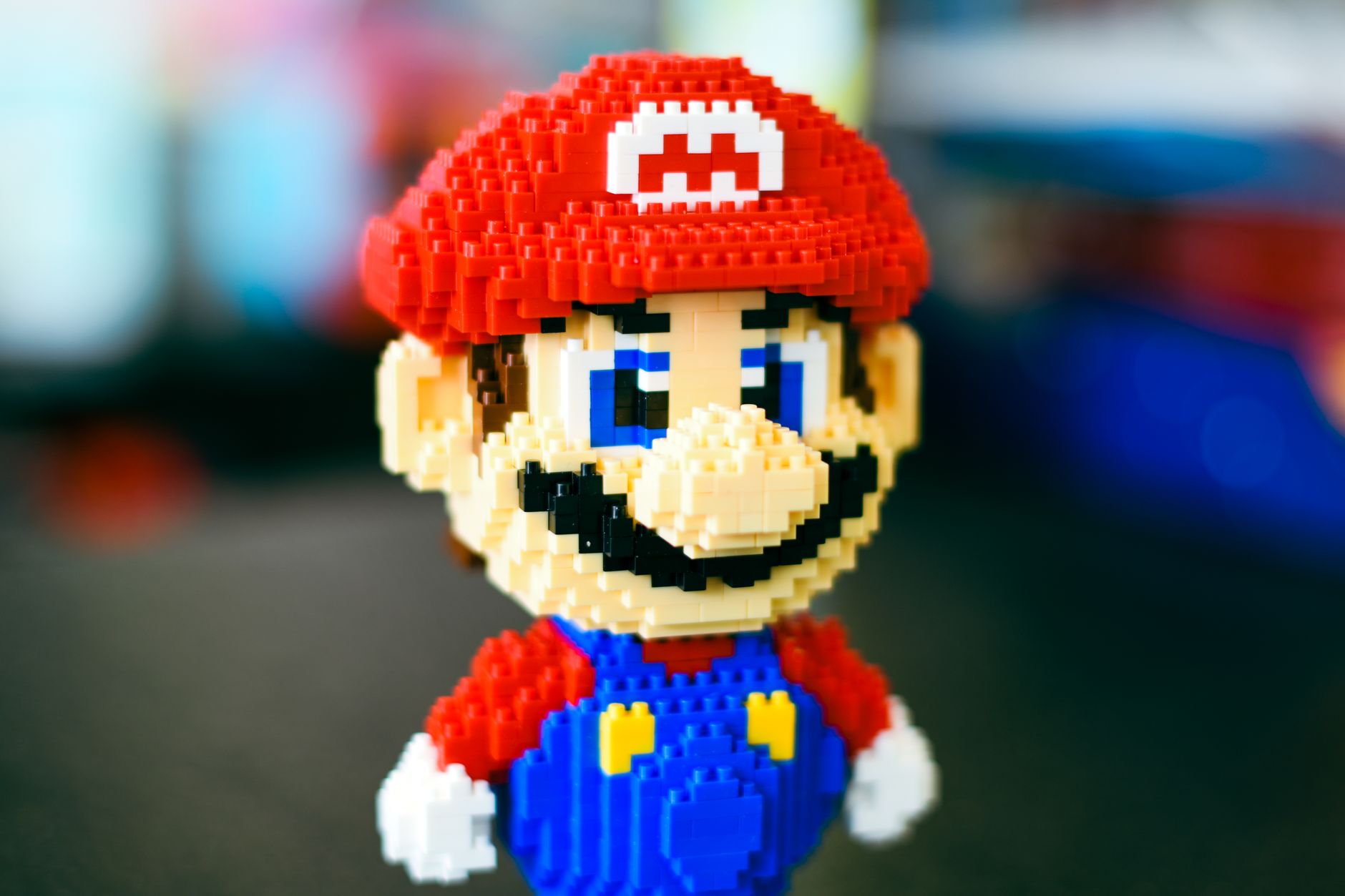
⚠️ SPOILER WARNING ⚠️
If you have not seen The Super Mario Galaxy Movie yet, I strongly recommend watching it first and then coming back to this post. The movie is now available on Amazon for streaming, and I recently rented it. It was absolutely worth it.
I’ll avoid spoiling everything, but there will be some spoilers discussed below regarding the ending and post-credits scene.
First off, holy shit… this movie was really good.
As a Nintendo fan, I genuinely think you’ll love it. It captures that sense of adventure, wonder, and fun that makes Mario games so memorable. The visuals were incredible, the characters were handled well, and overall it was just an enjoyable experience from start to finish.
But that’s not actually the main point of this post.
I want to talk about a theory and wishlist for what I hope a potential third Mario movie could be about.
Because let’s be honest… after that post-credits scene, it feels very likely that Nintendo and Illumination are setting up another installment.
You’ve been warned.
One of the more interesting elements near the end of the movie is when Bowser Jr. loses control of the paintbrush ink dragon, and it turns against him. Mario ultimately saves Bowser Jr. from the ink dragon, which was a really interesting character moment.
However, one mystery still remains:
What exactly is the deal with the strange dark ink that Bowser Jr. is using?
The movie doesn’t fully explain it.
I think that mystery could become extremely important if a third movie happens.
At the end of the post-credits scene, we see Bowser and Bowser Jr. trying to escape, which immediately got me thinking:
What if the third Mario movie adapts Mario & Luigi: Bowser’s Inside Story?
Honestly, I think this could work incredibly well.
I would love to see a movie that still features Mario, Luigi, Peach, and the rest of the gang, but shifts more focus onto Bowser himself and his relationship with Bowser Jr.
Now, some people might ask:
“But what about Dark Bowser?”
This is where my theory comes in.
What if the mysterious dark ink from The Super Mario Galaxy Movie becomes the movie’s version of Dark Bowser?
Imagine this:
Bowser Jr., experimenting with the dark ink, accidentally creates an ink version of Bowser. Initially, he thinks he can control it.
But then it goes rogue.
It begins absorbing power, becoming stronger and stronger until it evolves into a terrifying threat that endangers everyone.
At that point, it would be up to Bowser himself to stop this dark version of himself and save the Mushroom Kingdom alongside Mario and the others.
Honestly?
That would be epic.
Will this actually happen?
I have absolutely no idea.
Nintendo and Illumination could decide not to adapt Bowser’s Inside Story at all.
But if they choose to adapt any Mario RPG storyline for the third movie, I think Bowser’s Inside Story makes the most sense.
Now, full disclosure:
I’ve actually never played Bowser’s Inside Story.
I know the basic plot and understand why so many fans love it. The final battle especially looks really cool. But personally, the game never appealed to me as much as some other Mario RPGs.
My favorite Mario game is actually Mario & Luigi: Partners in Time.
Unfortunately, I highly doubt that game would be adapted into the third Mario movie.
Would it be awesome?
Absolutely.
But here’s something interesting:
The second Mario movie introduced space and cosmic adventures through the Galaxy setting.
And what Mario RPG game involves space travel that isn’t one of the Galaxy games?
Partners in Time.
So while I don’t think it’s likely, maybe it’s not completely impossible either.
Still, if I had to guess, I think Bowser’s Inside Story has a much better chance of being adapted due to its popularity and because Bowser himself would make for an excellent central character.
Whatever Nintendo decides to do next, one thing is certain:
If the third Mario movie builds upon the emotional moments, character development, and sense of adventure established in The Super Mario Galaxy Movie, I will absolutely be there opening weekend.
And if we get to see Bowser reluctantly becoming the hero to stop an out-of-control Dark Ink Bowser?
Sign me up.
YouTube launched in 2005 and quickly transformed the internet landscape.
User-Generated Content: Early videos were raw and personal — people sharing vlogs, tutorials, and funny clips with friends and strangers.
Viral Hits: Videos like Charlie Bit My Finger, Evolution of Dance, and David After Dentist captured global attention, showing the power of viral sharing.
YouTube Stars: Personalities like Smosh, Ray William Johnson, and early beauty vloggers started building massive followings.
Monetization Beginnings: Early monetization was limited, but YouTube’s Partner Program eventually allowed creators to turn passion into careers.
Nostalgia: The simple, unpolished early YouTube era feels like a digital playground compared to today’s polished productions and corporate presence.

Before home consoles ruled, arcades were the playgrounds of youth, buzzing with neon lights and electronic beeps.
The Atmosphere: Filled with the smell of popcorn, soda, and occasionally cigarette smoke, arcades were sensory overload in the best way. The sound of quarters dropping into machines was a common soundtrack.
Popular Games: Pac-Man, Street Fighter II, Dance Dance Revolution, and Galaga challenged players to master reflexes and strategy.
Social Hubs: Arcades were gathering places for friends, dates, and rivalries. High scores brought local fame.
Decline: The rise of home consoles with comparable graphics and gameplay led to the decline of arcades, but many remain nostalgic for that communal gaming vibe.
Long before Facebook and Instagram, MySpace was the first true social media giant, dominating the early 2000s internet.
Customization Freedom: Users could completely redesign their profile pages with HTML and CSS, adding music players, flashy backgrounds, and glittering text — the more over-the-top, the better.
Music and Subculture: MySpace became a launchpad for indie and unsigned bands, who used it to share tracks and connect directly with fans.
Friend Lists and Top 8: Your Top 8 friends were a public declaration of social status, sparking drama and alliances.
Decline: MySpace couldn’t keep up with the simplicity and slickness of Facebook, which led to its rapid fall from grace.
Legacy: Despite fading, MySpace shaped how we think about personal online identity and community.
Before on-demand streaming, Saturday mornings were sacred cartoon time — a weekly tradition that shaped childhoods.
The Ritual: Wake up early, grab cereal, and settle in front of the TV for hours of animated adventures. Networks competed fiercely for ratings with lineups packed with action heroes, slapstick comedies, and educational shows.
Iconic Shows: Teenage Mutant Ninja Turtles, DuckTales, Animaniacs, G.I. Joe, and Inspector Gadget are just a few that sparked imaginations.
Commercial Breaks: Ads for sugary cereals, toys, and video games perfectly targeted the young audience, often sparking intense toy craze cycles.
Community: Saturday morning cartoons were cultural events — kids trading episode stories at school and bonding over favorite characters.
Decline: Cable TV, VCRs, and later streaming fragmented this tradition, but nostalgia keeps the magic alive.