The Musings of Jaime David
@jaimedavid.blog@jaimedavid.blog

The writings of some random dude on the internet

1,206 posts
1 follower

Tag: Entertainment

  • Flashback Fridays #14: RadioShack — The DIY Electronics Store That Wired a Generation

    Flashback Fridays #14: RadioShack — The DIY Electronics Store That Wired a Generation

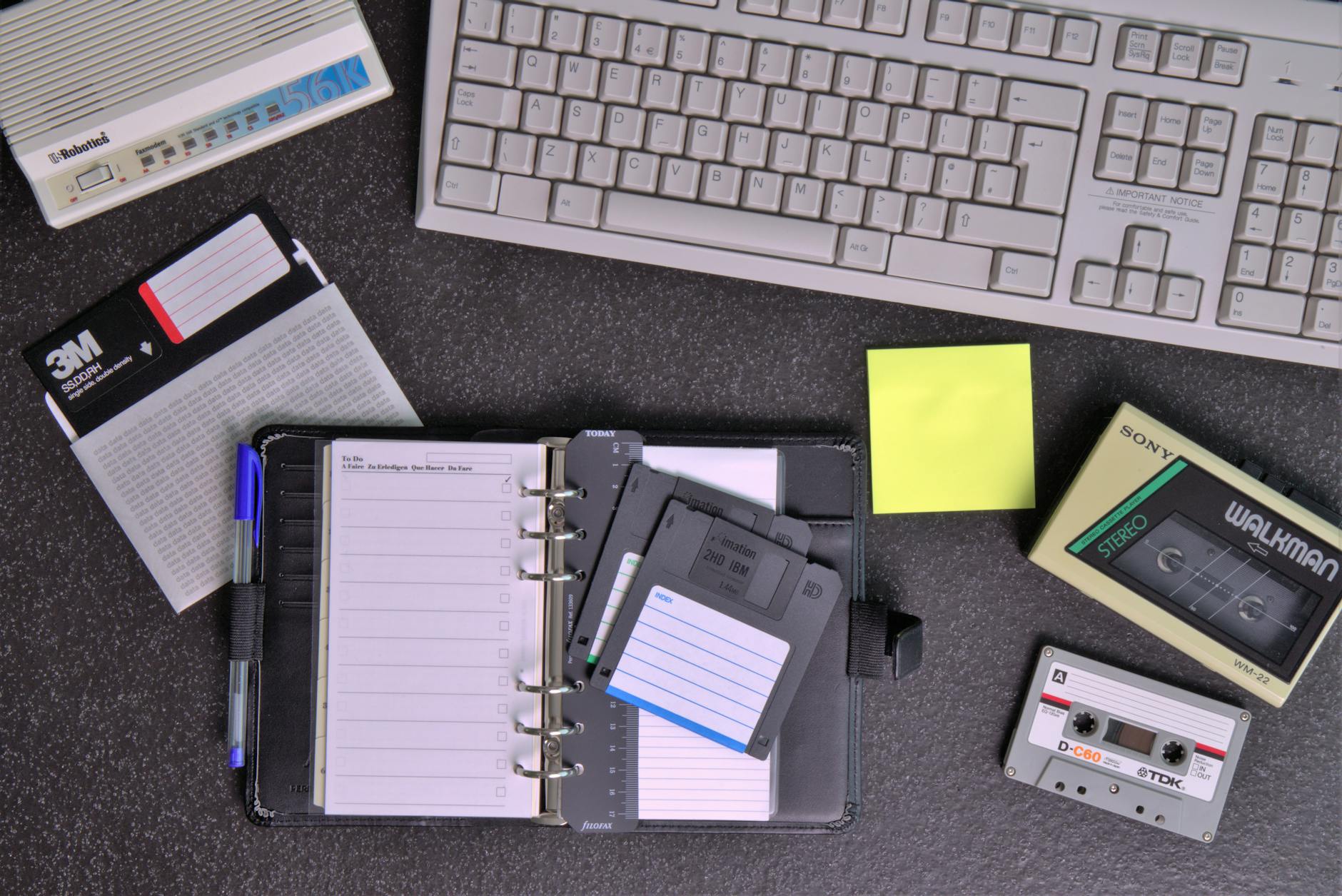
    RadioShack was the place for hobbyists, students, and tinkerers from the 70s through the early 2000s. It was more than a store; it was a gateway to understanding technology.

    Product Variety: From resistors and capacitors to early personal computers like the TRS-80, RadioShack stocked parts for countless projects. They also sold walkie-talkies, CB radios, and early cell phones.

    Learning and Experimenting: RadioShack published detailed catalogs and kits — perfect for science fairs or budding engineers. Their staff were often passionate about electronics, helping customers troubleshoot.

    Cultural Impact: For many kids, RadioShack sparked lifelong interest in STEM fields. It was also where families bought their first home phones or alarm systems.

    Challenges: The rise of big-box electronics retailers and online shopping hurt RadioShack’s business, but its legacy lives on in maker communities.
  • Flashback Fridays #13: The Blockbuster Experience — Friday Night Movie Rituals

    Flashback Fridays #13: The Blockbuster Experience — Friday Night Movie Rituals

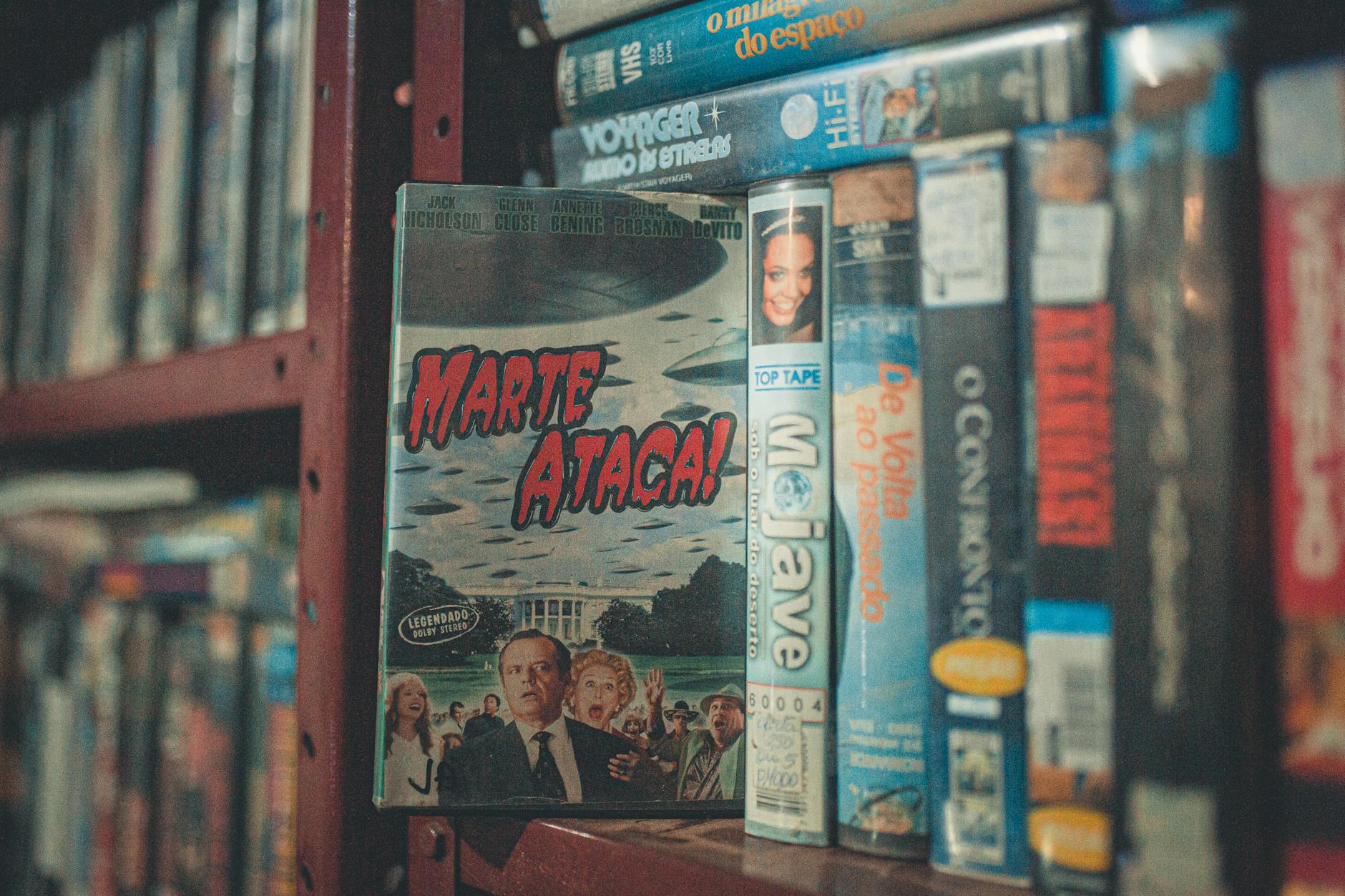
    Remember the excitement of walking into a Blockbuster store on a Friday night? The neon signs glowing, the endless rows of VHS tapes or DVDs, and the smell of popcorn and plastic cases — it was a ritual for millions.

    Browsing the Aisles: Unlike streaming today, you had to physically explore shelves to discover something new. The movie section was divided by genres, with featured new releases often in a special endcap.

    The VHS Rental Process: You’d grab your tape, head to the counter, and hope your pick wasn’t already rented out. The clock was ticking — late fees lurked if you forgot the due date. This added a thrilling tension to the movie night.

    Community and Staff: The clerks often knew regulars and gave recommendations. Sometimes there were “staff picks” or posters advertising upcoming releases.

    The Social Aspect: Blockbuster visits were mini events — family nights, dates, or group hangouts. Kids would rent cartoons while teens hunted for horror flicks or comedies.

    Decline and Nostalgia: The rise of DVDs, Redbox, and streaming spelled the end for Blockbuster. Still, many remember it fondly as a cultural hub for movie lovers.

  • Flashback Fridays #12: The Role of Memes in Shaping Online Communities and Culture

    Flashback Fridays #12: The Role of Memes in Shaping Online Communities and Culture

    Memes aren’t just jokes — they’re powerful tools for bonding and identity online.

    Community Building: Sharing memes creates in-group language, fostering belonging in subcultures from gamers to political activists.

    Political Memes: From the 2016 US election onward, memes became influential in shaping political opinions and mobilization.

    Meme Economy: Some memes gain so much traction that they influence marketing, politics, and pop culture.

    Ethics and Controversy: Memes can also spread misinformation or offensive content, raising questions about responsibility.

    Memes are digital folklore, evolving narratives that define how we communicate and relate in the internet age.

  • Flashback Fridays #11: Meme Formats That Defined the 2010s — The Language of the Internet

    Flashback Fridays #11: Meme Formats That Defined the 2010s — The Language of the Internet

    Memes became a universal language during the 2010s, with formats that spread rapidly and evolved constantly.

    “Distracted Boyfriend”: A stock photo repurposed to represent relationship metaphors. Its adaptability made it iconic.

    “Success Kid”: An image of a toddler clenching his fist symbolizing small victories, inspiring countless captions.

    “Dogecoin” and “Shiba Inu”: The “Doge” meme’s rise turned it into a cultural and financial phenomenon.

    Memes as Social Commentary: Memes evolved from silly jokes to vehicles for political satire and social critique.

  • Flashback Fridays #10: Viral Video Phenomena — From “Charlie Bit My Finger” to “Numa Numa”

    Flashback Fridays #10: Viral Video Phenomena — From “Charlie Bit My Finger” to “Numa Numa”

    Before TikTok, viral videos were mostly found on YouTube and spread through email forwards and message boards.

    “Charlie Bit My Finger” (2007): A candid home video of a toddler biting his brother’s finger became one of YouTube’s first massive hits. Its charm lay in its innocence and relatable family moment.

    “Numa Numa” (2004): Gary Brolsma’s lip-sync to a Romanian pop song became an early viral dance meme, showcasing how personal creativity could explode online.

    “Keyboard Cat” and “Dramatic Chipmunk”: Short clips paired with humorous edits created new content genres, influencing meme culture.

    Legacy: These viral videos helped shape online entertainment and the idea that anyone could become famous overnight.

  • Flashback Fridays #9: The Early Meme Explosion — When LOLcats Ruled the Web

    Flashback Fridays #9: The Early Meme Explosion — When LOLcats Ruled the Web

    Memes have become a cornerstone of internet culture, but their origins were humble and quirky.

    LOLcats: One of the earliest widespread memes, LOLcats combined pictures of cats with humorous captions in deliberately broken English (“I Can Has Cheezburger?”). This simple formula was endlessly adaptable and shareable, sparking a meme revolution.

    Viral Forums: Sites like 4chan, Something Awful, and later Reddit became breeding grounds for memes. These communities developed inside jokes and formats that spread globally.

    Impact: Early memes fostered a new kind of humor based on absurdity, repetition, and remixing. They also created a shared language among internet users.

    Evolution: From LOLcats to rage comics to Pepe the Frog, memes grew more sophisticated and diverse but always retained a playful, anarchic spirit.

  • Flashback Fridays #8: Anime Fandom Before the Internet — How We Shared Our Passion

    Flashback Fridays #8: Anime Fandom Before the Internet — How We Shared Our Passion

    Before social media and streaming, anime fans faced unique challenges and developed creative ways to connect.

    Fan Clubs and Tape Trading: Fans organized local clubs to watch, discuss, and trade anime VHS tapes. This grassroots effort was key to accessing rare or untranslated shows.

    Conventions: Early anime conventions provided rare opportunities to meet other fans, buy merchandise, and see cosplay. Events like Anime Expo and Otakon grew from these humble beginnings.

    Fanzines and Newsletters: Printed magazines created by fans shared news, fan art, and reviews. These homemade publications built community and kept interest alive.

    Dial-Up and IRC: With slow internet, fans used chat rooms and early forums to discuss shows and organize meetups. Patience and passion kept the conversations alive despite technological limits. The pre-internet fandom was resourceful and tight-knit, laying the foundation for today’s vast online anime communities.

  • Flashback Fridays #7: The Soundtrack to Our Anime Obsessions — Opening Themes We Still Hum

    Flashback Fridays #7: The Soundtrack to Our Anime Obsessions — Opening Themes We Still Hum

    Anime openings and endings are more than just intros — they’re emotional anthems that evoke memories and feelings.

    Catchy Themes: Shows like Dragon Ball Z had instantly recognizable opening themes that pumped up viewers for the episode. The Japanese version’s fast-paced rock and English dubs’ altered versions both have nostalgic value.

    J-Pop and Rock Influence: Many openings featured popular Japanese bands or artists, blending anime with mainstream music culture. Neon Genesis Evangelion’s haunting A Cruel Angel’s Thesis became a karaoke staple.

    Cultural Crossovers: Some themes were adapted for Western audiences, sometimes controversially. Yet, the music helped bridge cultural gaps and introduced anime fans to Japanese music styles.

    Fan Covers and Remixes: Years later, fans create covers, remixes, and orchestral versions, showing the lasting appeal of these songs. The emotional connection runs deep, as these themes often accompany formative memories.

    The soundtrack is an essential part of the anime experience — it sticks with us long after the screen goes dark.

  • Flashback Fridays #6: Classic Anime That Shaped Our Youth — From Goku to Sailor Scouts

    Flashback Fridays #6: Classic Anime That Shaped Our Youth — From Goku to Sailor Scouts

    Certain anime series have left an indelible mark on fans, becoming lifelong favorites and cultural icons.

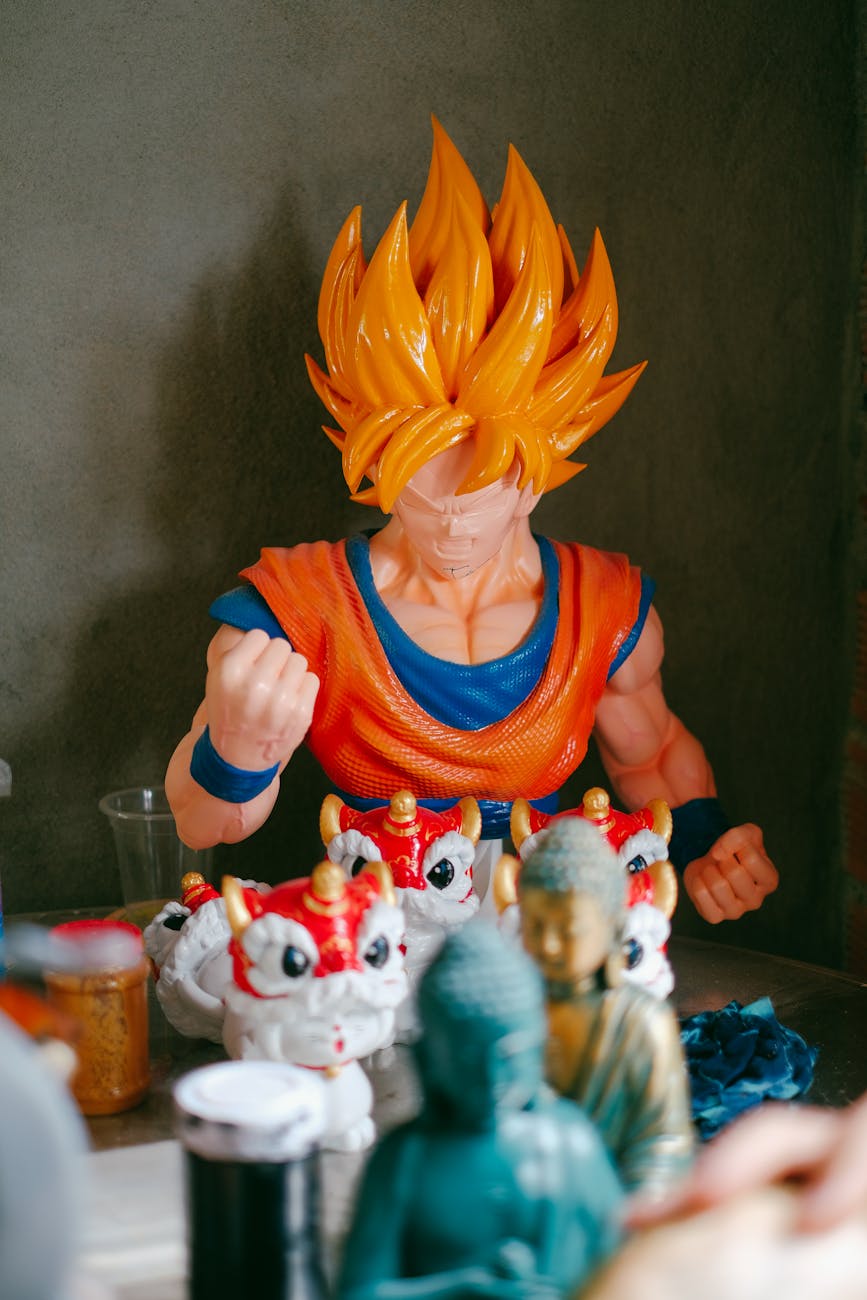
    Dragon Ball Z: Beyond explosive fights, DBZ was about perseverance, friendship, and transcending limits. The long sagas, legendary transformations (Super Saiyan!), and memorable villains like Frieza made it addictive viewing.

    Sailor Moon: Bringing magical girls into the spotlight, Sailor Moon combined action, romance, and girl power. It was many viewers’ first exposure to complex female heroes and diverse themes like love, identity, and sacrifice.

    Pokémon: Launching in 1997, Pokémon was more than a show — it was a global craze that integrated gaming, trading cards, and merchandise. Ash and Pikachu’s journey became synonymous with childhood adventures worldwide.

    Yu Yu Hakusho: A cult favorite about a teenage spirit detective, it balanced supernatural battles with heartfelt character development. Its mix of humor and dark themes appealed to many teens.

    Influence: These shows inspired countless fans to explore Japanese language and culture, collect memorabilia, and attend conventions. They also paved the way for anime’s widespread acceptance outside Japan.

  • Flashback Fridays #5: The Anime Renaissance of the 90s — When Japan Took Over

    Flashback Fridays #5: The Anime Renaissance of the 90s — When Japan Took Over

    The 1990s marked a dramatic surge in the popularity of anime worldwide. What was once a niche interest became a mainstream cultural phenomenon, especially in the West. This “anime renaissance” shaped the tastes of a generation and still influences fandom today.

    Pioneering Titles: Shows like Neon Genesis Evangelion (1995) redefined what anime could be — blending mecha action with deep psychological and philosophical themes. Its complex characters and ambiguous endings challenged viewers to think beyond typical cartoon fare.

    Dragon Ball Z (dubbed in the early 90s) introduced intense battles, iconic power-ups, and enduring characters like Goku and Vegeta. Its serialized storytelling and epic scope captivated kids and teens, creating an enduring fandom.

    Localization and Dubs: Companies like FUNimation and ADV Films worked hard to bring anime to new audiences, often editing content to meet Western TV standards but gradually growing into more faithful releases. Early English dubs were sometimes campy but undeniably important in sparking interest.

    Cultural Impact: Anime’s distinct visual style — big eyes, exaggerated emotions, and intricate fight choreography — became instantly recognizable. Fans embraced the art, fashion, and music surrounding anime, influencing cosplay and conventions.

    Expanding Genres: Beyond action, anime explored fantasy (Sailor Moon), cyberpunk (Ghost in the Shell), and even slice-of-life and romance. This diversity helped anime appeal beyond just children to adult audiences as well.

    The 90s planted the seeds for today’s vibrant global anime culture, blending storytelling innovation with stunning artistry.