The Musings of Jaime David
@jaimedavid.blog@jaimedavid.blog

The writings of some random dude on the internet

1,117 posts
1 follower

Tag: gaming

  • Flashback Fridays #15: Saturday Morning Cartoons — The Ultimate Childhood Treat

    Flashback Fridays #15: Saturday Morning Cartoons — The Ultimate Childhood Treat

    Before on-demand streaming, Saturday mornings were sacred cartoon time — a weekly tradition that shaped childhoods.

    The Ritual: Wake up early, grab cereal, and settle in front of the TV for hours of animated adventures. Networks competed fiercely for ratings with lineups packed with action heroes, slapstick comedies, and educational shows.

    Iconic Shows: Teenage Mutant Ninja Turtles, DuckTales, Animaniacs, G.I. Joe, and Inspector Gadget are just a few that sparked imaginations.

    Commercial Breaks: Ads for sugary cereals, toys, and video games perfectly targeted the young audience, often sparking intense toy craze cycles.

    Community: Saturday morning cartoons were cultural events — kids trading episode stories at school and bonding over favorite characters.

    Decline: Cable TV, VCRs, and later streaming fragmented this tradition, but nostalgia keeps the magic alive.

  • Flashback Fridays #14: RadioShack — The DIY Electronics Store That Wired a Generation

    Flashback Fridays #14: RadioShack — The DIY Electronics Store That Wired a Generation

    RadioShack was the place for hobbyists, students, and tinkerers from the 70s through the early 2000s. It was more than a store; it was a gateway to understanding technology.

    Product Variety: From resistors and capacitors to early personal computers like the TRS-80, RadioShack stocked parts for countless projects. They also sold walkie-talkies, CB radios, and early cell phones.

    Learning and Experimenting: RadioShack published detailed catalogs and kits — perfect for science fairs or budding engineers. Their staff were often passionate about electronics, helping customers troubleshoot.

    Cultural Impact: For many kids, RadioShack sparked lifelong interest in STEM fields. It was also where families bought their first home phones or alarm systems.

    Challenges: The rise of big-box electronics retailers and online shopping hurt RadioShack’s business, but its legacy lives on in maker communities.

  • Flashback Fridays #13: The Blockbuster Experience — Friday Night Movie Rituals

    Flashback Fridays #13: The Blockbuster Experience — Friday Night Movie Rituals

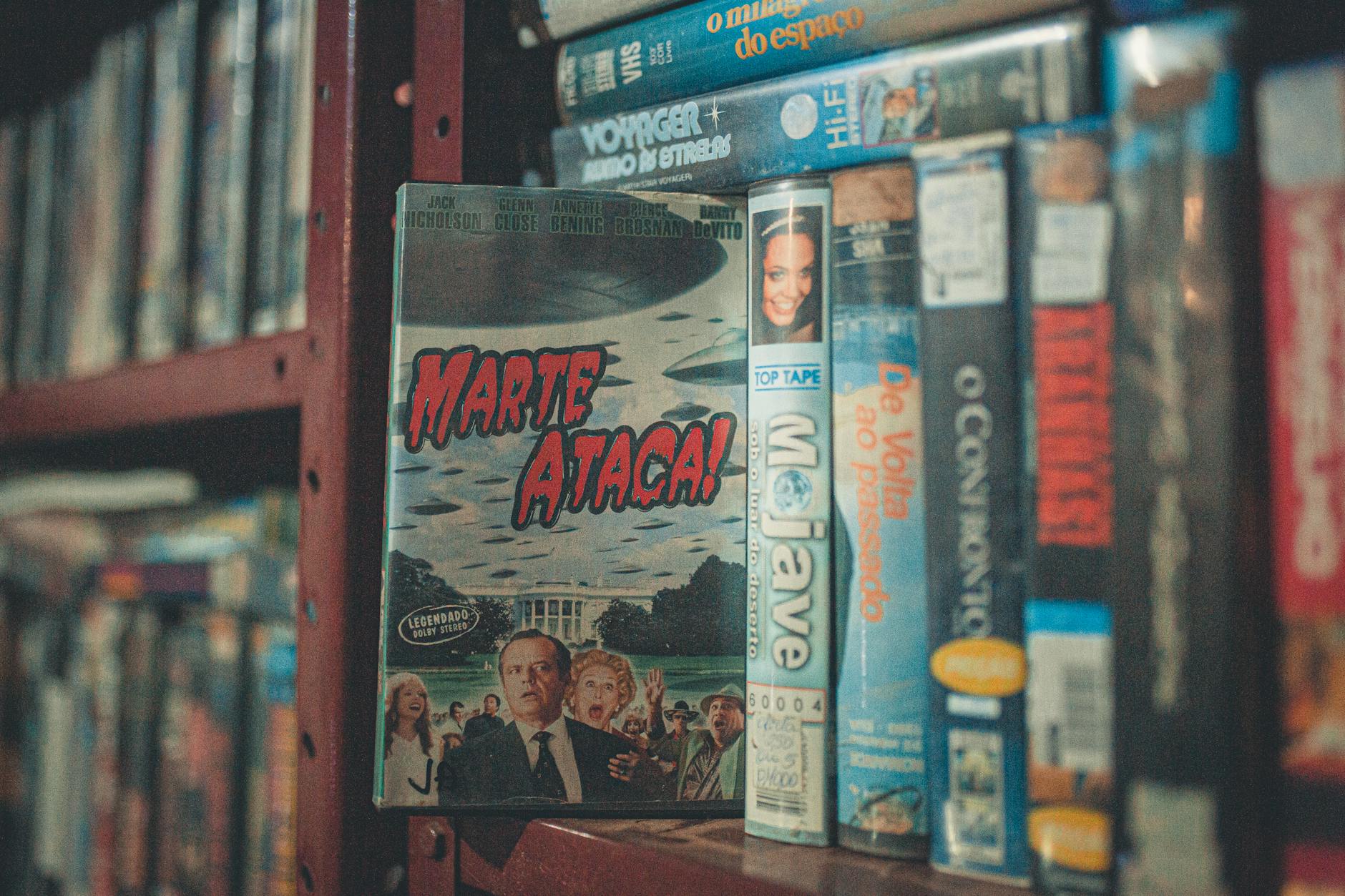
    Remember the excitement of walking into a Blockbuster store on a Friday night? The neon signs glowing, the endless rows of VHS tapes or DVDs, and the smell of popcorn and plastic cases — it was a ritual for millions.

    Browsing the Aisles: Unlike streaming today, you had to physically explore shelves to discover something new. The movie section was divided by genres, with featured new releases often in a special endcap.

    The VHS Rental Process: You’d grab your tape, head to the counter, and hope your pick wasn’t already rented out. The clock was ticking — late fees lurked if you forgot the due date. This added a thrilling tension to the movie night.

    Community and Staff: The clerks often knew regulars and gave recommendations. Sometimes there were “staff picks” or posters advertising upcoming releases.

    The Social Aspect: Blockbuster visits were mini events — family nights, dates, or group hangouts. Kids would rent cartoons while teens hunted for horror flicks or comedies.

    Decline and Nostalgia: The rise of DVDs, Redbox, and streaming spelled the end for Blockbuster. Still, many remember it fondly as a cultural hub for movie lovers.

  • Check out my books and my podcast and other stuff!!!

    Check out my books and my podcast and other stuff!!!

    Hey everyone!

    Just figured I would make a comprehensive ad that combines all of my major works so far into one.

    Check out my short story compilation book “Some Small Short Stories:”

    Paperback: https://www.lulu.com/shop/jaime-david/some-small-short-stories/paperback/product-gjypv69.html

    Ebook: https://www.lulu.com/shop/jaime-david/some-small-short-stories/ebook/product-7kvw9gg.html

    Check out my poem compilation book “My Powerful Poems:”

    Paperback: https://www.lulu.com/shop/jaime-david/my-powerful-poems/paperback/product-dy68n5r.html

    Ebook: https://www.lulu.com/shop/jaime-david/my-powerful-poems/ebook/product-q6dwzpm.html

    Check out my novel “Wonderment Within Weirdness:”

    Paperback version: https://www.lulu.com/shop/jaime-david/wonderment-within-weirdness/paperback/product-q6kydmk.html?q=wonderment+within+weirdness&page=1&pageSize=4

    Ebook version: https://www.lulu.com/shop/jaime-david/wonderment-within-weirdness/ebook/product-2m42ewm.html?q=wonderment+within+weirdness&page=1&pageSize=4

    Check out my podcast “The Jaime David Podcast” on Spotify, YouTube, and more!

    Spotify: https://open.spotify.com/show/2ckvJZisk8njUvZAkxZNC4

    YouTube: https://youtube.com/playlist?list=PLOaTKcyxB_H5ZuHUKMn8xon94QZVyDWmu&si=SHbV_rpEzDhaofpW

    Follow me on my social media (you can find my social media linked on this page here):

    Also check out my other sites:

    The Interfaith Intrepid: https://theinterfaithintrepid.art.blog/

    Let’s Be Different Together: https://letsbedifferenttogether.wordpress.com/

    Jaime David Science: https://jaimedavidscience.hashnode.dev/

    Jaime David Gaming: https://jaimedavidgaming.hashnode.dev/

    Medium blog: https://medium.com/@jaimedavid327

    Jaime David Music: https://jaimedavidmusic.blogspot.com/

    Jaime David Archive:  https://jaimedavid327.wixsite.com/jaimedavidarchive

  • Flashback Fridays #12: The Role of Memes in Shaping Online Communities and Culture

    Flashback Fridays #12: The Role of Memes in Shaping Online Communities and Culture

    Memes aren’t just jokes — they’re powerful tools for bonding and identity online.

    Community Building: Sharing memes creates in-group language, fostering belonging in subcultures from gamers to political activists.

    Political Memes: From the 2016 US election onward, memes became influential in shaping political opinions and mobilization.

    Meme Economy: Some memes gain so much traction that they influence marketing, politics, and pop culture.

    Ethics and Controversy: Memes can also spread misinformation or offensive content, raising questions about responsibility.

    Memes are digital folklore, evolving narratives that define how we communicate and relate in the internet age.

  • Flashback Fridays #11: Meme Formats That Defined the 2010s — The Language of the Internet

    Flashback Fridays #11: Meme Formats That Defined the 2010s — The Language of the Internet

    Memes became a universal language during the 2010s, with formats that spread rapidly and evolved constantly.

    “Distracted Boyfriend”: A stock photo repurposed to represent relationship metaphors. Its adaptability made it iconic.

    “Success Kid”: An image of a toddler clenching his fist symbolizing small victories, inspiring countless captions.

    “Dogecoin” and “Shiba Inu”: The “Doge” meme’s rise turned it into a cultural and financial phenomenon.

    Memes as Social Commentary: Memes evolved from silly jokes to vehicles for political satire and social critique.

  • Flashback Fridays #10: Viral Video Phenomena — From “Charlie Bit My Finger” to “Numa Numa”

    Flashback Fridays #10: Viral Video Phenomena — From “Charlie Bit My Finger” to “Numa Numa”

    Before TikTok, viral videos were mostly found on YouTube and spread through email forwards and message boards.

    “Charlie Bit My Finger” (2007): A candid home video of a toddler biting his brother’s finger became one of YouTube’s first massive hits. Its charm lay in its innocence and relatable family moment.

    “Numa Numa” (2004): Gary Brolsma’s lip-sync to a Romanian pop song became an early viral dance meme, showcasing how personal creativity could explode online.

    “Keyboard Cat” and “Dramatic Chipmunk”: Short clips paired with humorous edits created new content genres, influencing meme culture.

    Legacy: These viral videos helped shape online entertainment and the idea that anyone could become famous overnight.

  • Flashback Fridays #9: The Early Meme Explosion — When LOLcats Ruled the Web

    Flashback Fridays #9: The Early Meme Explosion — When LOLcats Ruled the Web

    Memes have become a cornerstone of internet culture, but their origins were humble and quirky.

    LOLcats: One of the earliest widespread memes, LOLcats combined pictures of cats with humorous captions in deliberately broken English (“I Can Has Cheezburger?”). This simple formula was endlessly adaptable and shareable, sparking a meme revolution.

    Viral Forums: Sites like 4chan, Something Awful, and later Reddit became breeding grounds for memes. These communities developed inside jokes and formats that spread globally.

    Impact: Early memes fostered a new kind of humor based on absurdity, repetition, and remixing. They also created a shared language among internet users.

    Evolution: From LOLcats to rage comics to Pepe the Frog, memes grew more sophisticated and diverse but always retained a playful, anarchic spirit.

  • Musing Mondays #9: The Question of Humanity—Exploring Existence in Fiction

    Musing Mondays #9: The Question of Humanity—Exploring Existence in Fiction

    In a world where technology advances rapidly, artificial beings and synthetic life forms are no longer confined to the pages of science fiction. Movies, anime, and video games often explore the concept of what it truly means to be human—challenging us to consider whether consciousness, emotions, and memories define our existence or if something else holds the key to our humanity.

    Through characters that are not quite human but often more human than we expect, we see reflections of ourselves and the age-old question: What does it mean to be alive?

    The Terminator Movies: Machines Becoming Human?

    In the Terminator series, we are introduced to machines that seem devoid of empathy or emotions. The cold, calculating Terminators appear far removed from humanity. But as we progress through the films, particularly with characters like the T-800 in Terminator 2, we see the machines evolve. Is it possible for machines to develop human-like qualities, like empathy or understanding? Are they simply programmed to simulate it, or is there something more profound happening?

    Terminator Zero: The Gray Area of Existence

    Terminator Zero pushes this idea even further by presenting synthetic beings that seem closer to human than ever before. The boundary between artificial intelligence and human consciousness blurs, and we are left wondering: What truly separates us from these beings?

    Shakugan no Shana: The Flame Haze’s Humanity

    Shana, a powerful Flame Haze who originally views humanity as little more than pawns in the fight against the Crimson Denizens, begins to develop deeper human emotions as her journey progresses. Her struggle to understand what it means to be human reflects her transformation from an emotionless weapon into a being capable of empathy and connection.

    Can one’s humanity be defined by emotions and relationships, or is it tied to a more fundamental sense of self?

    Halo: Master Chief and Cortana’s Connection

    The relationship between Master Chief and Cortana in Halo offers another lens through which to explore humanity. While Master Chief is undeniably human, Cortana, an AI, seems to possess a deep understanding of human emotions and motivations. Cortana’s evolution—from a tool to a sentient being capable of love, sacrifice, and loss—raises the question: Can an AI become as human as its creators?

    Star Wars: Droids, Sentience, and the Nature of Being

    The Star Wars universe features droids like R2-D2 and C-3PO, who are far from just machines. Despite being created to serve, they exhibit personality, emotions, and loyalty—qualities often reserved for living beings. Through the eyes of characters like Luke and Han, we see that droids are treated as sentient beings with rights and feelings. What makes a being “alive”? Is it just a matter of consciousness, or is there something more that defines our humanity?

    Sword Art Online: Identity and Reality in the Virtual World

    In Sword Art Online, players trapped in a virtual reality game are forced to confront the nature of their existence. Are they still human if their minds are imprisoned within a digital world? As they fight for survival and form bonds with each other, the lines between the digital and the real blur. The question remains: Can virtual beings have a soul?

    Fullmetal Alchemist: Humanity Beyond the Flesh

    Edward and Alphonse Elric’s quest to restore their bodies brings them face-to-face with the deepest philosophical questions about life and existence. Alphonse, whose soul resides in a suit of armor, must grapple with his lack of a physical body. Yet his longing for humanity is not simply a desire for flesh; it is a deeper yearning for identity, memories, and the relationships that make life meaningful. What makes someone truly “human”—their body, their mind, or their experiences?

    Blade Runner: The Replicants’ Quest for Life

    Blade Runner is a masterpiece when it comes to exploring what it means to be human. The Replicants, artificial beings designed to serve humans, seek to extend their lives, all the while asking themselves if they are truly alive. Is humanity defined by physicality, memories, or the ability to feel and aspire? The existential crisis faced by the Replicants is a poignant reminder that our understanding of life is often more fluid than we realize.

    Supernatural: Castiel, Jack, and the Evolution of Humanity

    In Supernatural, the characters of Castiel and Jack—beings who are not human by birth—come to question what it means to be alive. Castiel, an angel, begins to understand and embody human emotions like love and sacrifice, blurring the lines between divine and human nature. Jack, a Nephilim, struggles to understand his place in the world. Meanwhile, Sam and Dean Winchester, who initially view monsters as the enemy, begin to see that humanity often lies not in biology, but in actions and empathy.

    Their evolving perspectives on monsters and humanity reflect the idea that being human is more about the choices we make and the relationships we form than the blood that flows through our veins.

    Conclusion: The Blurred Line Between Life and Consciousness

    As we see in these stories, the definition of what it means to be human is not as clear-cut as we might think. Whether it’s machines becoming more human-like, virtual beings developing consciousness, or non-human entities grappling with their identities, one thing is clear: humanity is not defined by our biology alone. It is shaped by our emotions, our experiences, our connections, and the choices we make.

    In the end, perhaps the question is not what makes us human, but how we choose to live. Can an AI, a clone, or a virtual being become human in the same way we are? And what does it mean for us when we see a reflection of ourselves in something that is not quite human—but close enough?


  • Flashback Fridays #8: Anime Fandom Before the Internet — How We Shared Our Passion

    Flashback Fridays #8: Anime Fandom Before the Internet — How We Shared Our Passion

    Before social media and streaming, anime fans faced unique challenges and developed creative ways to connect.

    Fan Clubs and Tape Trading: Fans organized local clubs to watch, discuss, and trade anime VHS tapes. This grassroots effort was key to accessing rare or untranslated shows.

    Conventions: Early anime conventions provided rare opportunities to meet other fans, buy merchandise, and see cosplay. Events like Anime Expo and Otakon grew from these humble beginnings.

    Fanzines and Newsletters: Printed magazines created by fans shared news, fan art, and reviews. These homemade publications built community and kept interest alive.

    Dial-Up and IRC: With slow internet, fans used chat rooms and early forums to discuss shows and organize meetups. Patience and passion kept the conversations alive despite technological limits. The pre-internet fandom was resourceful and tight-knit, laying the foundation for today’s vast online anime communities.