The Musings of Jaime David
@jaimedavid.blog@jaimedavid.blog

The writings of some random dude on the internet

1,126 posts
1 follower

Tag: gaming

  • Flashback Fridays #8: Anime Fandom Before the Internet — How We Shared Our Passion

    Flashback Fridays #8: Anime Fandom Before the Internet — How We Shared Our Passion

    Before social media and streaming, anime fans faced unique challenges and developed creative ways to connect.

    Fan Clubs and Tape Trading: Fans organized local clubs to watch, discuss, and trade anime VHS tapes. This grassroots effort was key to accessing rare or untranslated shows.

    Conventions: Early anime conventions provided rare opportunities to meet other fans, buy merchandise, and see cosplay. Events like Anime Expo and Otakon grew from these humble beginnings.

    Fanzines and Newsletters: Printed magazines created by fans shared news, fan art, and reviews. These homemade publications built community and kept interest alive.

    Dial-Up and IRC: With slow internet, fans used chat rooms and early forums to discuss shows and organize meetups. Patience and passion kept the conversations alive despite technological limits. The pre-internet fandom was resourceful and tight-knit, laying the foundation for today’s vast online anime communities.

  • Check out my books and my podcast and other stuff!!!

    Check out my books and my podcast and other stuff!!!

    Hey everyone!

    Just figured I would make a comprehensive ad that combines all of my major works so far into one.

    Check out my short story compilation book “Some Small Short Stories:”

    Paperback: https://www.lulu.com/shop/jaime-david/some-small-short-stories/paperback/product-gjypv69.html

    Ebook: https://www.lulu.com/shop/jaime-david/some-small-short-stories/ebook/product-7kvw9gg.html

    Check out my poem compilation book “My Powerful Poems:”

    Paperback: https://www.lulu.com/shop/jaime-david/my-powerful-poems/paperback/product-dy68n5r.html

    Ebook: https://www.lulu.com/shop/jaime-david/my-powerful-poems/ebook/product-q6dwzpm.html

    Check out my novel “Wonderment Within Weirdness:”

    Paperback version: https://www.lulu.com/shop/jaime-david/wonderment-within-weirdness/paperback/product-q6kydmk.html?q=wonderment+within+weirdness&page=1&pageSize=4

    Ebook version: https://www.lulu.com/shop/jaime-david/wonderment-within-weirdness/ebook/product-2m42ewm.html?q=wonderment+within+weirdness&page=1&pageSize=4

    Check out my podcast “The Jaime David Podcast” on Spotify, YouTube, and more!

    Spotify: https://open.spotify.com/show/2ckvJZisk8njUvZAkxZNC4

    YouTube: https://youtube.com/playlist?list=PLOaTKcyxB_H5ZuHUKMn8xon94QZVyDWmu&si=SHbV_rpEzDhaofpW

    Follow me on my social media (you can find my social media linked on this page here):

    Also check out my other sites:

    The Interfaith Intrepid: https://theinterfaithintrepid.art.blog/

    Let’s Be Different Together: https://letsbedifferenttogether.wordpress.com/

    Jaime David Science: https://jaimedavidscience.hashnode.dev/

    Jaime David Gaming: https://jaimedavidgaming.hashnode.dev/

    Medium blog: https://medium.com/@jaimedavid327

    Jaime David Music: https://jaimedavidmusic.blogspot.com/

    Jaime David Archive:  https://jaimedavid327.wixsite.com/jaimedavidarchive

  • Flashback Fridays #7: The Soundtrack to Our Anime Obsessions — Opening Themes We Still Hum

    Flashback Fridays #7: The Soundtrack to Our Anime Obsessions — Opening Themes We Still Hum

    Anime openings and endings are more than just intros — they’re emotional anthems that evoke memories and feelings.

    Catchy Themes: Shows like Dragon Ball Z had instantly recognizable opening themes that pumped up viewers for the episode. The Japanese version’s fast-paced rock and English dubs’ altered versions both have nostalgic value.

    J-Pop and Rock Influence: Many openings featured popular Japanese bands or artists, blending anime with mainstream music culture. Neon Genesis Evangelion’s haunting A Cruel Angel’s Thesis became a karaoke staple.

    Cultural Crossovers: Some themes were adapted for Western audiences, sometimes controversially. Yet, the music helped bridge cultural gaps and introduced anime fans to Japanese music styles.

    Fan Covers and Remixes: Years later, fans create covers, remixes, and orchestral versions, showing the lasting appeal of these songs. The emotional connection runs deep, as these themes often accompany formative memories.

    The soundtrack is an essential part of the anime experience — it sticks with us long after the screen goes dark.

  • Flashback Fridays #6: Classic Anime That Shaped Our Youth — From Goku to Sailor Scouts

    Flashback Fridays #6: Classic Anime That Shaped Our Youth — From Goku to Sailor Scouts

    Certain anime series have left an indelible mark on fans, becoming lifelong favorites and cultural icons.

    Dragon Ball Z: Beyond explosive fights, DBZ was about perseverance, friendship, and transcending limits. The long sagas, legendary transformations (Super Saiyan!), and memorable villains like Frieza made it addictive viewing.

    Sailor Moon: Bringing magical girls into the spotlight, Sailor Moon combined action, romance, and girl power. It was many viewers’ first exposure to complex female heroes and diverse themes like love, identity, and sacrifice.

    Pokémon: Launching in 1997, Pokémon was more than a show — it was a global craze that integrated gaming, trading cards, and merchandise. Ash and Pikachu’s journey became synonymous with childhood adventures worldwide.

    Yu Yu Hakusho: A cult favorite about a teenage spirit detective, it balanced supernatural battles with heartfelt character development. Its mix of humor and dark themes appealed to many teens.

    Influence: These shows inspired countless fans to explore Japanese language and culture, collect memorabilia, and attend conventions. They also paved the way for anime’s widespread acceptance outside Japan.

  • Musing Mondays #6: The Future of Gaming Media – Could SD Cards Replace Discs and Downloads?

    Musing Mondays #6: The Future of Gaming Media – Could SD Cards Replace Discs and Downloads?

    Gaming has come a long way since the days of cartridges, floppy disks, and even CDs. The transition from physical to digital media has revolutionized the way we experience games, but it also raises an intriguing question: What’s next for gaming media?

    With the rise of ultra-fast SSDs and cloud storage, it seems like the days of discs might be numbered. But what if there’s a middle ground between old-school physical media and the ever-growing world of digital downloads? Enter SD cards — those tiny, compact storage devices that could just be the next big thing in gaming.


    Why SD Cards Are a Game-Changer:

    1. Compact and Durable
      Unlike fragile discs that can scratch or get damaged, SD cards are incredibly durable. No more worrying about your precious game getting ruined by a simple drop or scratch. Plus, their compact size makes them super portable—you could fit your entire game library in your pocket.
    2. Massive Capacity
      As SD cards continue to grow in size, so do their potential. Current SDXC cards go up to 1TB (and beyond), making them more than capable of holding even the largest modern games. Imagine not having to juggle multiple disks or worry about your console running out of space — just pop in a card and go.
    3. Fast Load Times
      SD cards have come a long way from their humble beginnings. The read/write speeds of high-end SD cards can rival SSDs, which means faster load times and smoother gameplay. If you’ve ever had a frustrating load screen, you know how much of a difference this could make.

    The Nintendo Switch Already Shows the Way:

    Let’s take a look at Nintendo’s Switch as a case study. It’s one of the few consoles that has embraced the SD card format for game cartridges. While the Switch’s cartridges aren’t technically the same as consumer-grade SD cards, they are very similar in size and function.

    • The Switch game cards are small, durable, and easy to use.
    • They also support offline gaming, meaning players don’t need to worry about downloading updates or games to play. Just insert the card, and you’re good to go.

    This approach works so well that it begs the question: Why haven’t other consoles adopted SD cards as the go-to format for games?


    Why Not? The Challenges Ahead:

    While SD cards present an exciting opportunity for a new gaming media format, there are several hurdles standing in the way of widespread adoption.

    1. Cost and Scalability
      Unlike traditional optical discs, SD cards are more expensive to produce — especially when you start talking about higher capacities and speed. The cost per card could easily outweigh that of mass-producing discs, especially for large-scale game releases.
    2. Piracy and Security Concerns
      One of the reasons why physical media like discs are still used is because of their DRM (Digital Rights Management) capabilities. SD cards are easily transferable and could be more susceptible to piracy unless robust encryption and hardware keys are used. This means developers would need to design entirely new systems to protect games from being copied or shared.
    3. Changing Console Design
      While consoles like the Nintendo Switch have embraced SD cards, PlayStation and Xbox are firmly rooted in disc-based and digital-only formats. Switching to SD card-based game formats would require major redesigns for hardware and software compatibility.

    A Vision for the Future:

    So, what if we could combine the best of both worlds? Imagine a future where we have a universal SD game card format. Here’s what it could look like:

    • Universal Compatibility: A standard SD card format that works across multiple platforms. No more worrying about whether your favorite game will work on your PC, console, or handheld device.
    • Offline Convenience: Just like the Nintendo Switch, SD cards could offer true offline gaming — no need for an internet connection to play your games.
    • Seamless Integration: With higher-capacity SD cards and faster speeds, future consoles could easily support entire game libraries, all stored on compact, secure media. Players could pop their SD card into any compatible device and be up and running in no time.

    The combination of security, portability, and ease of use would make SD cards an appealing choice for both players and developers.


    The Bottom Line:

    As gaming continues to evolve, the question of physical vs. digital media will keep popping up. SD cards might just be the perfect solution — merging the best of both worlds. They’re small, secure, fast, and could easily replace discs and even some digital-only downloads.

    Will SD cards be the future of gaming? Only time will tell. But if the Nintendo Switch is any indication, they’re already showing us what’s possible.

    So, here’s the real question: Would you trade your digital downloads for a more portable, secure, and tangible game format?

    Let us know your thoughts in the comments!

  • Flashback Fridays #5: The Anime Renaissance of the 90s — When Japan Took Over

    Flashback Fridays #5: The Anime Renaissance of the 90s — When Japan Took Over

    The 1990s marked a dramatic surge in the popularity of anime worldwide. What was once a niche interest became a mainstream cultural phenomenon, especially in the West. This “anime renaissance” shaped the tastes of a generation and still influences fandom today.

    Pioneering Titles: Shows like Neon Genesis Evangelion (1995) redefined what anime could be — blending mecha action with deep psychological and philosophical themes. Its complex characters and ambiguous endings challenged viewers to think beyond typical cartoon fare.

    Dragon Ball Z (dubbed in the early 90s) introduced intense battles, iconic power-ups, and enduring characters like Goku and Vegeta. Its serialized storytelling and epic scope captivated kids and teens, creating an enduring fandom.

    Localization and Dubs: Companies like FUNimation and ADV Films worked hard to bring anime to new audiences, often editing content to meet Western TV standards but gradually growing into more faithful releases. Early English dubs were sometimes campy but undeniably important in sparking interest.

    Cultural Impact: Anime’s distinct visual style — big eyes, exaggerated emotions, and intricate fight choreography — became instantly recognizable. Fans embraced the art, fashion, and music surrounding anime, influencing cosplay and conventions.

    Expanding Genres: Beyond action, anime explored fantasy (Sailor Moon), cyberpunk (Ghost in the Shell), and even slice-of-life and romance. This diversity helped anime appeal beyond just children to adult audiences as well.

    The 90s planted the seeds for today’s vibrant global anime culture, blending storytelling innovation with stunning artistry.

  • Flashback Fridays #4: The Gaming Magazines and Communities We Loved

    Flashback Fridays #4: The Gaming Magazines and Communities We Loved

    Before YouTube walkthroughs and Reddit forums, printed gaming magazines and niche communities were lifelines for players.

    Gaming Magazines: Publications like Nintendo Power and GamePro were treasure troves of tips, cheats, previews, and fan art. Their editorials built trust and excitement around new releases. For many, waiting for the next issue was an eagerly anticipated ritual.

    Fan Letters and Contests: Magazines often published reader letters, high score challenges, and fan art contests that connected a dispersed gaming community. These pages fostered a sense of belonging.

    Early Online Communities: Before broadband, gamers connected via IRC, bulletin boards, and forums like GameFAQs. These platforms allowed for sharing cheat codes, walkthroughs, and mods. They cultivated a culture of collaboration and competition.

    LAN Parties: For PC gamers, LAN (Local Area Network) parties were social events where friends brought their computers to a single location to play multiplayer games like Quake or Counter-Strike. The excitement of face-to-face competition was electrifying.

    Legacy: These magazines and communities paved the way for today’s vast online ecosystems, influencing how gamers connect and share.

  • My Ultimate Life Is Strange TV Show Fancast — A Deep Dive into Why These Actors Should Play Our Favorite Characters

    My Ultimate Life Is Strange TV Show Fancast — A Deep Dive into Why These Actors Should Play Our Favorite Characters

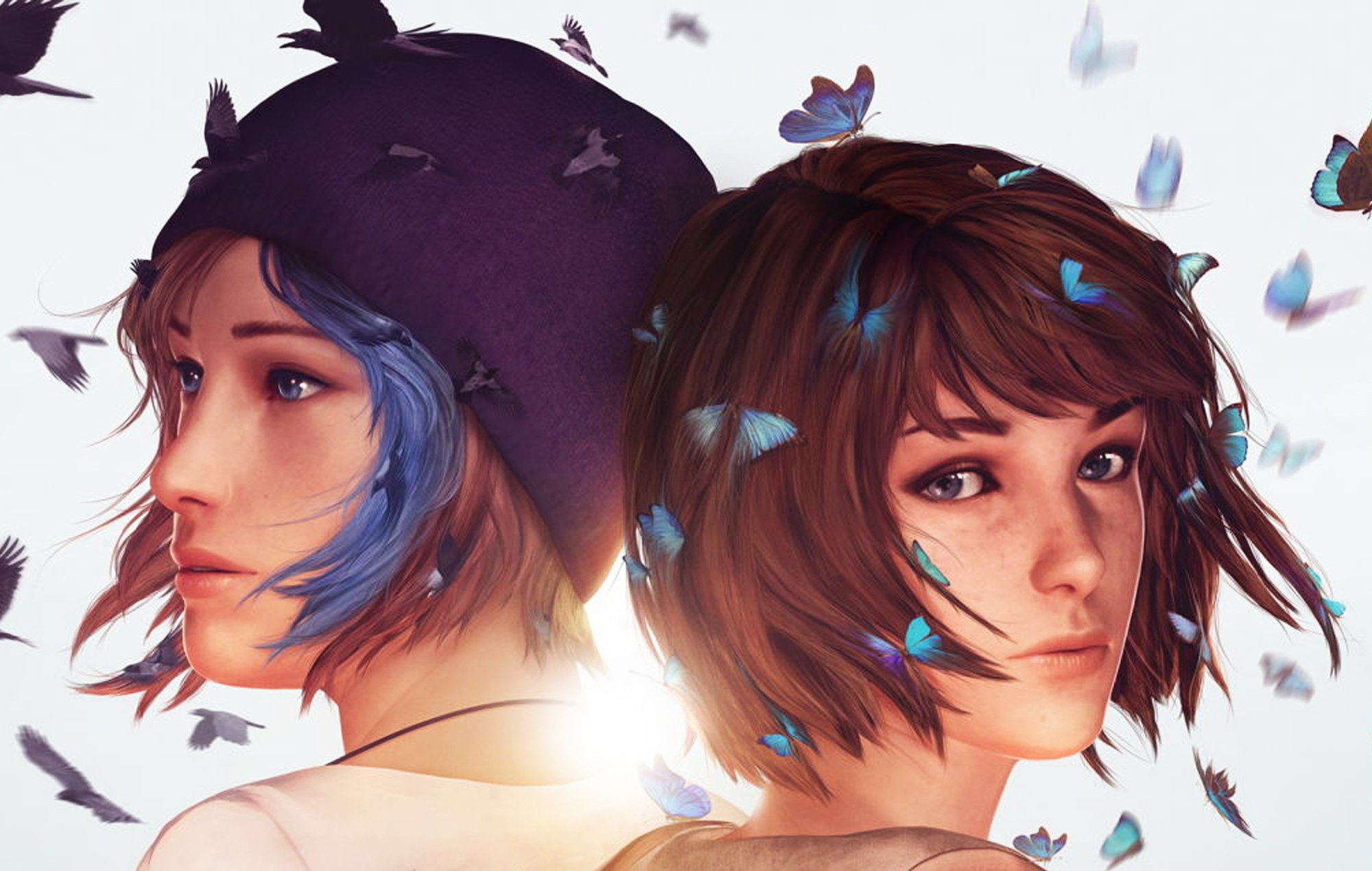
    Hey folks! Today I want to take you on a deep dive into my personal fancast for a Life Is Strange live-action TV show. This is purely hypothetical and speculative — no official casting announcements yet — but with the show reportedly in development, it’s fun to imagine who could bring these beloved characters to life.

    I was actually inspired to make this post after watching Noer’s recent YouTube video titled The Life is Strange Show Has Me Concerned… (May 25, 2025). Noer raises some interesting points about the challenges the show might face, especially with its music direction and staying true to the game’s unique vibe. That really got me thinking about how important the right casting and creative choices will be for this adaptation.


    What’s the Deal with the Life Is Strange TV Show?

    The Life Is Strange live-action series has been in development talks for some time. According to multiple sources, Legendary Television initially spearheaded the project, and more recently, the show is potentially moving to Amazon Studios after a new deal was announced (GamesRadar, April 2024; Screen Rant, April 2024).

    Shawn Mendes has been linked as an executive producer and is said to be heavily involved in the music direction for the show (IGN, August 2023), which is a pretty cool twist given the game’s reputation for having a memorable indie soundtrack. However, as Noer pointed out, the musical direction might feel a bit dated or out of sync with what longtime fans expect from Life Is Strange.

    For more on the current status of the show’s development and some delays, Keengamer’s article from March 2025 offers a good update on what’s happened so far and what fans can expect moving forward (Keengamer, March 2025).


    Why This Fancast?

    Casting is crucial for a show like this — these characters are complex, emotionally layered, and beloved by fans for their depth and authenticity. Here’s who I think could really capture their spirit:


    Teagan Croft as Max Caulfield

    Max is thoughtful, artistic, and quietly strong. Teagan’s role as Raven in Titans shows she can balance vulnerability and inner strength, perfectly reflecting Max’s introspective personality.


    Emily Rudd as Chloe Price

    Chloe is rebellious and raw with emotional scars beneath her tough exterior. Emily’s portrayal of Nami in the live-action One Piece series demonstrates her ability to mix toughness and vulnerability, capturing Chloe’s fiery spirit.


    Zendaya as Rachel Amber

    Rachel is charismatic and mysterious, with an alluring presence. Zendaya’s MJ in the Spider-Man films embodies that magnetic charm combined with emotional nuance, making her a great fit.


    Giancarlo Esposito as Mark Jefferson

    Mark Jefferson is a polished, charming professor hiding something sinister. Esposito’s legendary Gus Fring from Breaking Bad nails that calm menace and control.


    Jon Bernthal as David Madsen

    David is strict and intimidating but with a caring side. Bernthal’s roles in The Punisher and The Walking Dead show he can bring moral complexity and authenticity.


    Aaron Paul as Frank Bowers

    Frank is rough around the edges but vulnerable. Paul’s Jesse Pinkman is an almost perfect parallel — street-smart and emotionally raw.


    About the Music: Good but a Bit Dated?

    The original Life Is Strange games are famous for their indie, emotive soundtrack that became part of their identity. Shawn Mendes’s involvement as a producer suggests the show might take a different musical direction — which could be exciting but might feel a little out of step with the game’s original vibe, especially since this news has been around since 2023 (IGN, August 2023).

    Noer’s video really highlighted these concerns, pointing out how the music and some creative choices might clash with the expectations of longtime fans. It’s a thoughtful critique that inspired me to think carefully about how the show should be cast and crafted to honor the source material.


    Wrapping Up

    The Life Is Strange live-action show has potential but also faces challenges — casting the right actors to capture these nuanced characters and balancing the iconic game’s music and mood with fresh new elements. My fancast reflects the kind of emotional depth and complexity this story demands.

    What do you think? Agree? Disagree? Have your own dream cast? Drop a comment — I’d love to hear your thoughts!


    Sources

    • GGRecon, Life Is Strange TV Series (October 19, 2023) — ggrecon.com
    • IGN, Shawn Mendes to Executive Produce Life Is Strange TV Show (August 15, 2023) — ign.com
    • Screen Rant, Life Is Strange and Disco Elysium Shows Moving to Amazon (April 12, 2024) — screenrant.com
    • GamesRadar, Life Is Strange TV Series Potentially Coming to Amazon (April 10, 2024) — gamesradar.com
    • Keengamer, What Happened to the Life Is Strange TV Show? (March 14, 2025) — keengamer.com
    • Collider, Amazon Studios Developing Life Is Strange and Disco Elysium TV Series (April 11, 2024) — collider.com
    • YouTube, Noer, The Life is Strange Show Has Me Concerned… (May 25, 2025) — youtu.be/hmjUR4zCXc4
  • Flashback Fridays #2: Iconic Games That Defined Our Childhoods

    Flashback Fridays #2: Iconic Games That Defined Our Childhoods

    Certain games transcend their medium to become cultural touchstones, shaping entire generations. This post dives into some of the standout titles that made the 90s and early 2000s unforgettable.

    Super Mario 64 (1996): As Nintendo’s flagship 3D platformer, Super Mario 64 redefined what a video game could be. It introduced players to a fully navigable 3D environment with freedom of movement previously unseen. The fluid camera control, expansive levels, and non-linear objectives made it a revolutionary experience. Its design philosophies influence game development to this day.

    Sonic the Hedgehog (1991): Sega’s blue blur wasn’t just about speed — Sonic embodied a rebellious spirit. The game’s fast-paced platforming, catchy music, and vivid graphics set it apart. The level design encouraged exploration and speedruns, making it endlessly replayable. Sonic became a mascot that rivaled Mario’s popularity, fueling the “console wars” between Sega and Nintendo.

    Final Fantasy VII (1997): This RPG raised the bar with its cinematic storytelling, fully voiced cutscenes, and a complex, emotional narrative. Cloud Strife, Aeris, and Sephiroth became household names. The game’s success helped introduce Japanese RPGs to a Western audience, sparking a surge of interest in story-driven games.

    GoldenEye 007 (1997): Rare’s first-person shooter brought console multiplayer to new heights with split-screen deathmatches that fueled countless friendly rivalries. Its stealth mechanics, mission variety, and weapon arsenal were innovative for the time.

    Mario Kart 64 (1996): A party game classic, Mario Kart 64 combined accessible gameplay with chaotic fun. Its item system leveled the playing field, creating unpredictable races that were as much about luck as skill. It remains a go-to multiplayer game for gatherings. These games weren’t just entertainment; they shaped the social lives and creative imaginations of millions.

  • Flashback Fridays #1: The Golden Age of Gaming Consoles — Where It All Began

    Flashback Fridays #1: The Golden Age of Gaming Consoles — Where It All Began

    The 1990s were arguably the golden age of home gaming consoles, a period that transformed gaming from a niche hobby into mainstream entertainment. It was the era of cartridges, physical game boxes, and the first real taste of immersive 3D worlds. The rivalry between Nintendo, Sega, and later Sony wasn’t just a corporate battle — it was a cultural phenomenon.

    Nintendo’s Reign: The Super Nintendo Entertainment System (SNES), launched in 1991, followed the NES’s massive success, offering richer graphics and sound capabilities. It introduced gamers to vibrant, meticulously designed worlds with unforgettable characters like Mario, Link, and Donkey Kong. Titles such as Super Mario World, The Legend of Zelda: A Link to the Past, and Donkey Kong Country showcased creativity and storytelling that still influence modern game design.

    Sega’s Challenge: Sega’s Genesis (Mega Drive outside North America) was the SNES’s main competitor. Its marketing strategy centered on edgier, faster gameplay, exemplified by Sonic the Hedgehog, Sega’s flagship franchise. Sonic’s speed and attitude contrasted with Mario’s friendly charm, sparking fan debates that persist to this day. Sega also targeted older gamers with titles like Mortal Kombat, which famously featured uncensored blood in the Genesis version — a bold move that stirred controversy and even Congressional hearings on video game violence.

    The New Frontier: The mid-90s saw the birth of the fifth generation of consoles, with the Nintendo 64 (N64) and Sony’s PlayStation entering the scene. The N64 pushed 3D gaming into the mainstream with Super Mario 64, a groundbreaking game that redefined how players explored virtual spaces. The PlayStation, leveraging CD-ROM technology, offered larger, more cinematic games like Final Fantasy VII and Metal Gear Solid, expanding gaming’s storytelling potential.

    Social Gaming: Before online play became the norm, consoles fostered social connections through couch multiplayer. Whether it was fierce competition in Street Fighter II, cooperative quests in Secret of Mana, or chaotic races in Mario Kart 64, these games created memorable experiences centered on shared joy and rivalry.

    Legacy: This era laid the foundation for today’s gaming industry. Many franchises born in the 90s remain iconic, and the hardware innovations of that time set standards that modern consoles still follow. Nostalgia for this period runs deep — it was where many players first fell in love with gaming.