The Musings of Jaime David
@jaimedavid.blog@jaimedavid.blog

The writings of some random dude on the internet

1,089 posts
1 follower

Tag: Global warming

  • They Were Just There, Like They Belonged: NYC’s Shifting Wildlife and the Subtropical Future We Can’t Ignore

    They Were Just There, Like They Belonged: NYC’s Shifting Wildlife and the Subtropical Future We Can’t Ignore

    I never thought I’d be writing a follow-up to New York’s Subtropical Future just two weeks later. And I definitely never thought parrots—actual, living, green parrots—would be the thing to trigger it.

    But here we are.

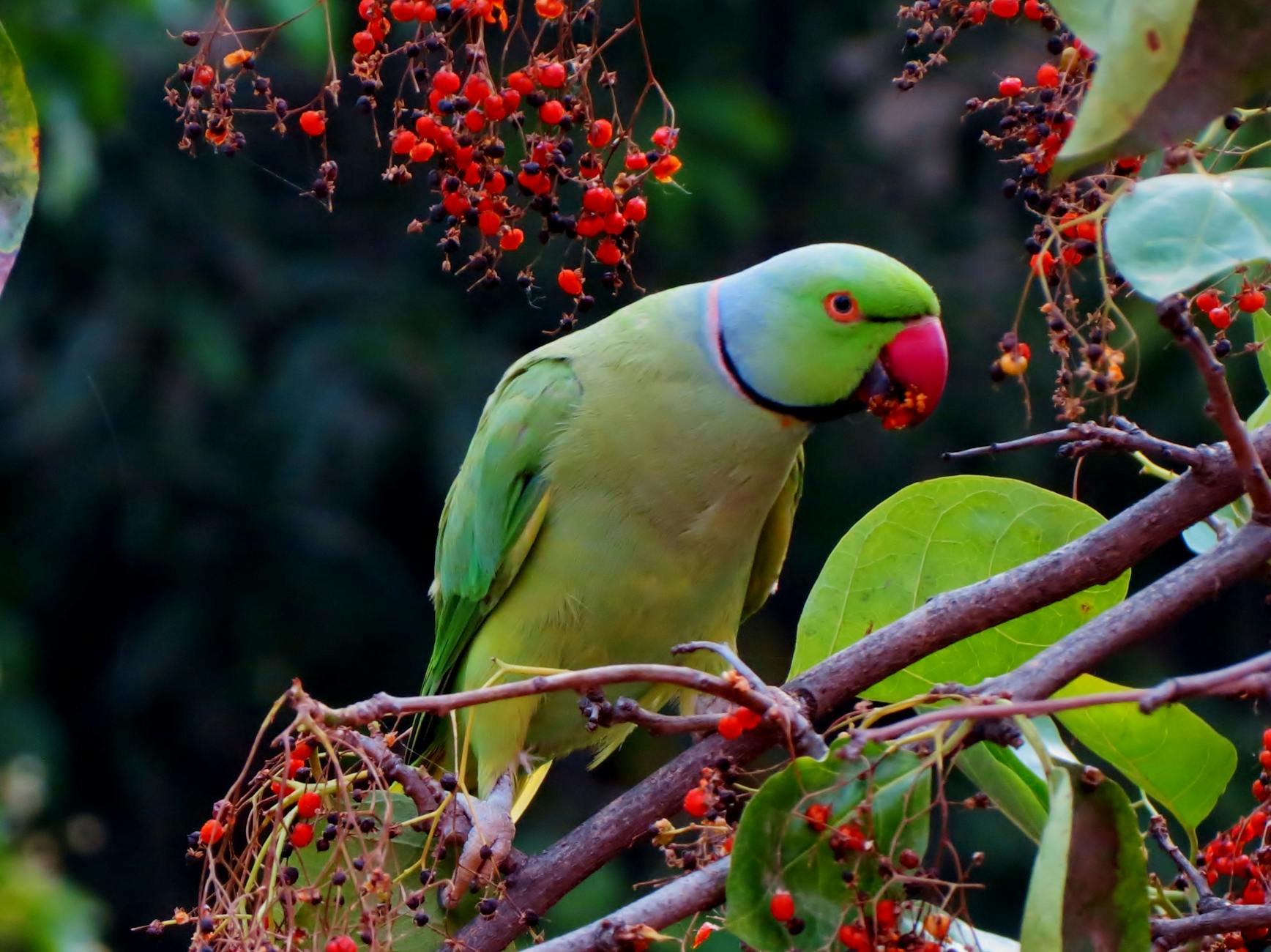
    It was Sunday, July 27th. I was doing something as ordinary as getting groceries. The air was thick and humid, the sky heavy with clouds—the kind of gray that seems to sink into your skin. On my walk back home, I passed by a tree on the sidewalk. Not one of those ornamental city trees that seem more for show than shade, but a real fruit-bearing one. Apple or pear, maybe. I didn’t get that close because something else caught my attention first:

    Parrots.

    Not one. Not two. But five or six bright green parrots, perched on the branches, squawking and moving around like they owned the place.

    It felt like a glitch in the simulation. Like I’d stepped into a scene that didn’t belong to New York. I froze. Snapped a few pictures with my phone. Tried to act normal even though the moment was anything but. These weren’t escaped pets. They weren’t struggling. They were settled. Thriving. At ease. As if this stretch of sidewalk—this humid, gray, sweltering July day—was exactly where they were meant to be.

    And it hit me: this isn’t just a one-off. This is it. This is the shift.

    When I wrote about New York’s emerging subtropical classification, I was thinking about rain. About climate. About seasons that no longer made sense. But this—this was another layer. Biodiversity. Wildlife. Nature adapting in real time to the human-made chaos we’ve unleashed.

    In the past few years, I’ve heard seagulls far more frequently than I used to—and not just by the water, but deeper into neighborhoods where you wouldn’t expect them. But parrots? That’s different. That’s tropical. That’s a species that isn’t supposed to be here. Yet they are. Not migrating through, not lost—settling in. And maybe that’s what’s so jarring. They weren’t symbols of escape or anomaly. They were evidence.

    Evidence that New York City is no longer just transforming on paper or in temperature charts—it’s transforming in the trees. In the air. In what birds now call this concrete jungle home.

    Years ago, I would’ve written this off. A weird sighting. A story to tell. But now, it fits the pattern. The disrupted, dizzying pattern of a world out of balance. Where tropical birds find urban trees suitable nesting spots. Where familiar becomes foreign in the span of a few years. Where you walk back from a grocery run and find yourself grieving—again—for a city that keeps slipping further into a version of itself you never asked for.

    We’re watching ecological succession unfold in real time. A gradual invasion of the subtropics—not by storm, not by force, but by adaptation. The parrots are adapting. The plants are adapting. The question is: are we?

    This isn’t just about parrots. It’s about what comes after them. What other species might find our warming winters and humid summers ideal? What insects, what diseases, what disruptions? We don’t know yet. But we’re already behind.

    I don’t know what it means to live in a subtropical New York. I don’t know if it ever stops feeling like a stranger’s version of the city. But I do know this: if we don’t treat these moments as the wake-up calls they are, we’re going to lose more than just familiar weather patterns. We’re going to lose the very essence of what made this place livable, resilient, human.

    And if parrots can adjust to this new New York, the least we can do is pay attention.
  • New York’s Subtropical Future: A Grief for a City I Thought I’d Know Forever

    New York’s Subtropical Future: A Grief for a City I Thought I’d Know Forever

    It’s a cold, gray morning in New York City, the kind where the rain seems endless, the air heavy with humidity, and the sky never quite clears. A feeling of sorrow lingers in the streets, as the city I’ve known for so long starts to show signs of becoming something else—something foreign. Something unrecognizable.

    Today, I am sharing a reflection I wrote. I am reflecting on a poem I wrote in 2019 titled “Rain.” You can find the poem here:

    Rain – The Musings of Jaime David

    You can also find the podcast episode of this poem here:

    The Jaime David Podcast – Episode 1: Rain – The Musings of Jaime David

    Recently, I had come across an article stating that NYC is considered subtropical climate. The article can be found here.

    NYC Is So Hot Right Now It’s Considered A Subtropical Climate

    I never wanted to be right. When I wrote that poem back in 2019, I was just trying to make sense of the shifting weather patterns around me. It was a gut feeling that something wasn’t right—constant rain, unseasonably warm winters, and an unnerving frequency of downpours. I tried to make sense of it, as any writer does, by putting the words out into the world. And then I hypothesized: could this be climate change? Could it be that the weather in New York, a city that’s always prided itself on stability, was beginning to break down, shifting into something new?

    Back then, I thought maybe I wouldn’t see the full effects of these changes for another decade or so. Perhaps, I thought, the signs were only visible in the periphery, small shifts that wouldn’t come to fruition for years, or maybe decades. But six years later—six short years later—I’m staring at an article that declares New York City is now officially classified as a humid subtropical climate. I was right. The very thing I feared, the thing I predicted with an aching sense of dread, has come to pass.

    The signs were there, even in 2019. Constant rain. Unpredictable weather. A New York that seemed increasingly out of sync with what I remembered as a stable, temperate climate. And now, in 2025, it’s here, but not in the far-off future I imagined. It’s here now, and it’s happening faster than anyone predicted. The projections I read about in the past—those quiet warnings from climate scientists—weren’t distant dreams. They weren’t hypothetical. They were warnings. And as the days pass, the temperature continues to rise, the skies continue to darken, and the rain continues to fall.

    I wish I wasn’t right. I wish I could take back that moment of realization when I first began to notice the changes and wonder aloud if it was climate change creeping in. But I can’t. And now, as we stand on the brink of what feels like an irreversible shift, there is an urgency to our reality. This is no longer something we can push to the back of our minds or wait for someone else to fix. This is happening in real-time. This is a crisis. And we can’t afford to waste time.

    What does it mean to live in a city like New York if it’s no longer the New York we once knew? To walk these streets and know that something fundamental is slipping away? The New York I grew up with, with its temperate weather and bustling energy, seems to be fading into the background, replaced by a version of the city that feels more like a stranger than a home. The constant rain, the heat waves, the unpredictable storms—this is not what I signed up for.

    But it’s not just about nostalgia. It’s not just about grieving the city’s changing weather patterns. It’s about the urgency of the matter. We can’t waste any more time. We can’t keep pretending that this is some distant problem that won’t affect us for years. The fact is, climate change is here—and it’s happening faster than even I imagined. If we don’t act now, if we don’t recognize the gravity of this moment, there may be no New York left to save.

    So, as I reflect on how quickly the world around us has changed, I can’t help but feel a profound sadness—not just for the city I thought I knew, but for the world that is slipping away beneath our feet. We are running out of time. And I can’t help but wonder, as I look up at the gray skies and listen to the rain, whether we are ready to face what comes next.

  • Slam Sunday: Post 4 – “The Climate’s Last Verse”

    Slam Sunday: Post 4 – “The Climate’s Last Verse”

    Intro:
    The clock ticks faster, ice melts quicker, and the skies grow heavier with the weight of unkept promises. This poem channels the frustration and urgency of the climate crisis — a plea and a warning wrapped in a slam’s raw truth.

    Poem:
    We danced on fire, sang in smoke,
    While glaciers wept and oceans spoke.
    The warnings came — sirens, bells,
    But profits rang louder than nature’s knells.

    The earth’s lungs choke in poisoned air,
    But suits and ties just don’t seem to care.
    “Growth,” they say, “is endless, bright,”
    While forests burn beneath their light.

    Species vanish, one by one,
    Under the glare of a dying sun.
    We write reports, and we delay,
    While storms tear more dreams away.

    But still, in youth’s unyielding eyes,
    The seeds of change begin to rise.
    No longer silent, no longer tame,
    The climate’s last verse is calling your name.

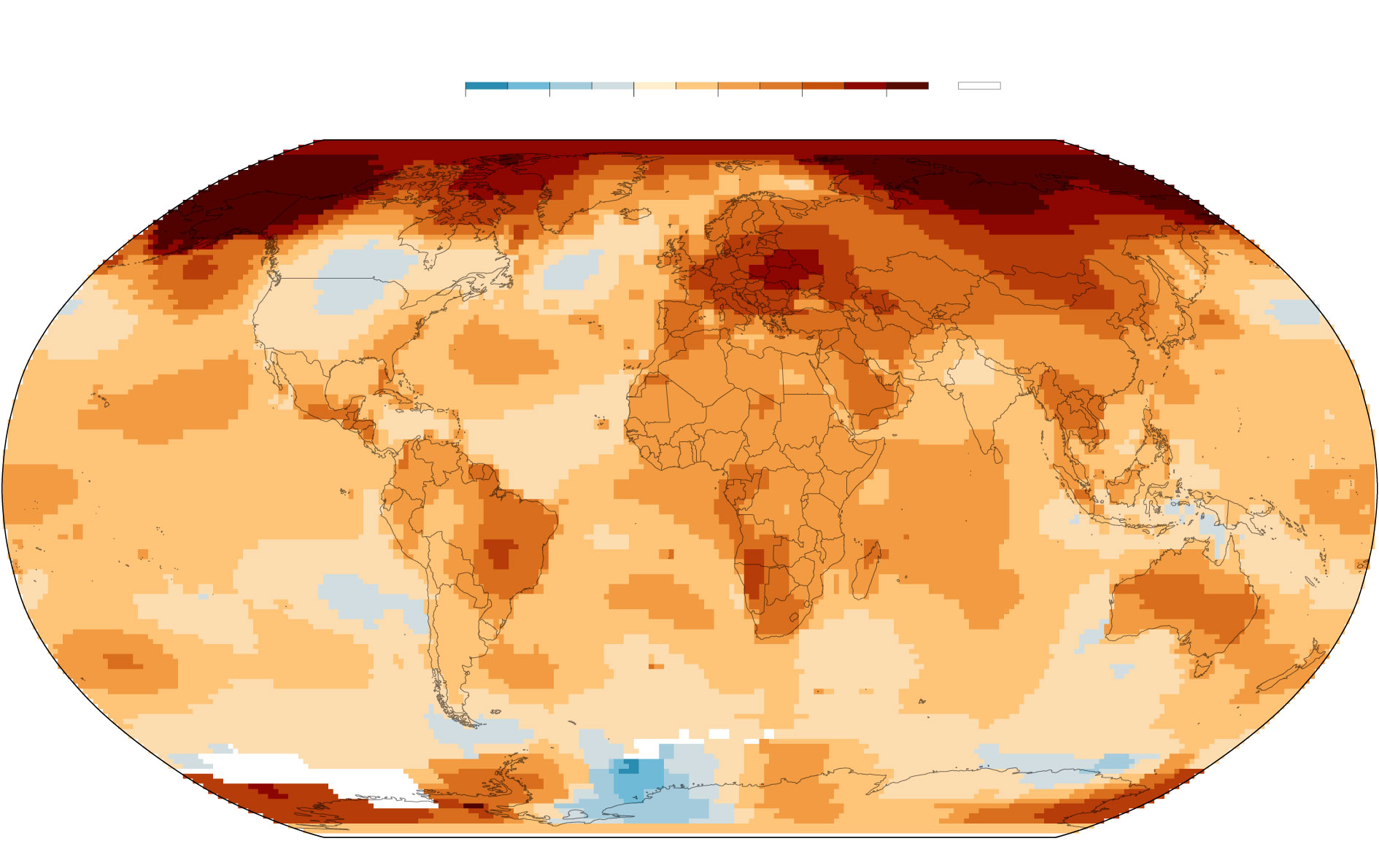
  • Climate Change Is Real

    Climate Change Is Real

    After reading this article by the NY Times, I was somewhat inspired to write a short poem about climate change in response to the title of the article. Hope you enjoy!

    That’s…..hot!

    Ok, no it’s not!

    It sucks a lot!

    It’s worse than I thought!

    This planet’s all we fucking got,

    and right now, it’s getting too damn hot!