The Musings of Jaime David
@jaimedavid.blog@jaimedavid.blog

The writings of some random dude on the internet

1,117 posts
1 follower

Tag: memory

  • Seven Years Later, Still That Same Moment

    Seven Years Later, Still That Same Moment

    Seven years is supposed to feel like distance. That’s what people tell you, what you tell yourself, what the world quietly expects you to accept. Time moves forward, relentlessly, stacking days into months into years until something that once felt immediate is supposed to settle into memory. But grief doesn’t follow that rule. It doesn’t respect calendars or anniversaries. It doesn’t care how many years have passed. Sometimes seven years feels like a lifetime ago, like you’ve lived entire versions of yourself since then. And sometimes it feels like nothing has moved at all, like you’re still standing in that exact moment when everything changed. Both of those realities exist at once, overlapping, impossible to separate, and somehow that contradiction becomes its own kind of truth.

    Today is April 18, 2026, and it has been seven years since my uncle died. Even writing that feels strange, like I’m describing something distant when it doesn’t feel distant at all. It feels close. Too close. There are moments where I stop and think about it, and it genuinely doesn’t feel like seven years have passed. It feels like a few months, maybe a year at most, like something recent enough that I should still be able to reach out, still be able to hear his voice, still be able to exist in a world where he’s here. And then there are other moments where the weight of those seven years hits all at once, where I realize how much time has actually gone by without him, how many things have happened, how many moments he’s missed, how much life has continued in a way that feels both natural and deeply wrong at the same time.

    What makes it even harder to process is how I found out. There was no call. No moment of someone sitting me down, no gradual realization, no buffer between normal life and the shock of loss. It was a social media post. Just words on a screen from a family member who knew him. That’s how I learned that someone who meant that much to me was gone. And at first, it didn’t even feel real. It couldn’t be real. It felt like a mistake, like some kind of misunderstanding, like maybe it was about someone else with the same name. There was that immediate instinct to reject it, to push it away, to think, “What is this? This has to be a joke.” Because the alternative was too heavy, too sudden, too final to accept in that moment.

    But it wasn’t a mistake. It wasn’t a joke. It was real. And that realization didn’t come gently. It hit hard, all at once, like the ground giving out underneath you before you even realize you’ve lost your footing. That moment sticks in a way that doesn’t fade. It replays itself, not always vividly, but always there, like a fixed point in time that everything else moves around. The way something like that enters your life matters. The way you learn about a loss becomes part of the loss itself, stitched into the memory in a way you can’t separate. And finding out like that, through a screen, alone with the information before anyone could even explain it, made it feel even more unreal and more devastating at the same time.

    And then there’s how it happened. Not just that he died, but the way it unfolded. A few days before, he bumped his head. Something that sounds small, something that on its own wouldn’t raise alarms. The kind of thing people brush off, maybe joke about, maybe forget entirely. And then a few days later, everything changed. He collapsed. He fell into a coma. And he never woke up. That sequence of events doesn’t sit right, even years later. It feels abrupt, unfair, like something that shouldn’t have been able to escalate like that. It leaves behind questions that don’t have satisfying answers, a sense that something so massive came from something that seemed so minor, and that disconnect makes it even harder to fully accept.

    It was awful. There’s no softer way to put it, no way to wrap it in language that makes it easier to hold. It was traumatic. It reshaped something fundamental in how I understand how quickly life can change, how fragile everything actually is. One moment someone is there, part of your everyday world, someone you assume will continue to be there in all the ways that matter. And then, in what feels like no time at all, they’re gone. Not gradually, not in a way that gives you time to prepare, but suddenly, in a way that leaves you trying to catch up to something that’s already happened.

    And what makes this loss even heavier is who he was to me. He wasn’t just an uncle in the distant, occasional sense of the word. He was like a dad to me. Truly. That kind of relationship doesn’t fit neatly into labels. It goes beyond titles and definitions. It’s built on presence, on the role someone plays in your life, on the way they show up for you, guide you, support you, exist as a steady figure in your world. Losing him wasn’t just losing a relative. It was losing someone who filled a space that can’t really be replaced, someone whose absence is felt in ways that extend into so many parts of life.

    That’s part of why time doesn’t “fix” it in the way people sometimes suggest it will. You don’t move on from something like that. You move with it. It becomes part of how you experience the world, part of how you think, part of how you measure time itself. Anniversaries like this one don’t just mark the passing of years. They bring everything back to the surface, not necessarily in a way that overwhelms you completely, but in a way that reminds you that the loss is still there, still real, still significant. It doesn’t disappear just because more time has passed.

    There’s also something surreal about the way memories work after this kind of loss. They don’t line up neatly in the past. They feel present, like they exist alongside your current life rather than behind it. You can think about a moment, a conversation, a feeling, and it doesn’t feel like something that happened “back then.” It feels immediate, like something you can almost step back into. And then you’re hit with the reality that you can’t. That contrast between how close it feels and how final it actually is creates a kind of emotional dissonance that’s hard to fully put into words.

    Every fucking April since 2019 has felt like it comes with its own kind of weight, like the month itself is cursed or stacked against me in ways that don’t even feel rational anymore. It’s not just one thing. It’s not just one bad memory or one hard moment that defines it. It’s the accumulation of everything that keeps happening in or around this month, year after year, like April refuses to let anything be normal. It’s gotten to the point where I don’t even approach April with neutrality anymore. There’s always this low-level expectation that something is going to go wrong, or something is going to resurface, or something is going to remind me why this stretch of time has felt so consistently heavy since 2019.

    April 2019 was already close to something foundational breaking. My uncle on my dad’s side died, and that alone changed the emotional baseline of everything that came after. That loss never really “settled” in the way people expect grief to settle. It just became part of everything else. And even now, years later, it still feels close in a way that doesn’t make sense on paper. Time has passed, but the emotional distance never matched it. That’s part of why April itself started to feel different after that point. It wasn’t just a month anymore. It was a reminder.

    Then came April 2020, and it felt like the world itself was collapsing in layers. It was only a month after my grandpa died, so I was already in that raw, disoriented state where everything feels slightly unreal. And then COVID started spreading everywhere, and the entire atmosphere of life changed overnight. Fear, uncertainty, isolation, all of it just layered on top of grief that hadn’t even had time to breathe yet. And then, on top of that, my high school history teacher died from COVID. What makes that even more surreal is that he died on the exact same day, one year after my uncle died. That kind of timing feels almost impossible when you look at it from the outside, like some kind of cruel coincidence that repeats the same emotional wound on a calendar you didn’t ask to be part of.

    That teacher wasn’t just a name on a roster either. He was someone who actually made learning feel alive in a way that stuck with me. And then suddenly he was gone too, in the middle of a global crisis that already felt like it was stripping everything familiar away. And that year, politically and socially, everything felt unstable in a different way as well. Trump’s first term response to COVID was chaotic and inconsistent, and the broader environment in the country felt like it was constantly spiraling between denial, panic, and confusion. It wasn’t just personal grief anymore. It felt like the entire structure of reality was shaky.

    April 2021 didn’t give any real relief either. It was only a few months after the Capitol riots, and the political tension in the country still felt thick in a way that was hard to ignore. Everything felt polarized, loud, and unstable. Even day-to-day life carried this underlying sense of friction, like everyone was still reacting to something unresolved. Around that same time, I also got canned from what I considered my dream job back then. That wasn’t just a professional setback. It hit in a way that made everything feel more uncertain, like stability itself was something I couldn’t rely on, even when I thought I had it.

    April 2022 brought its own different kind of heaviness. The Ukraine war had just started a couple months earlier, and the global atmosphere felt tense and uncertain in a way that was hard to fully process in the background of everyday life. But there was also something more personal underneath that I didn’t fully understand at the time. I had a friend I had fallen out with, and I didn’t know it then, but he died in 2022. I only found out much later, over two years after the fact, in May 2024. That delay adds its own kind of distortion to the memory, because it means the grief doesn’t happen where it “should” in time. It arrives late, retroactively, and rewrites what you thought you already understood about the past.

    April 2023 felt like another shift into something more chaotic in a different way. The indictment of Donald Trump made New York feel tense in a very immediate, physical sense. The city itself felt like it was on edge, like every conversation carried an undertone of political friction and uncertainty. It wasn’t just headlines anymore. It was something that felt embedded in the environment, like walking through the city itself came with a sense of instability that you could feel in the air.

    Then April 2024 came, and the Trump trial made everything feel even more intense. New York felt even more chaotic, even more charged, like there was a constant pressure in the background of daily life. That month was also still emotionally shaped by loss on a personal level, because a few months earlier, my dog of 13 years had died in the summer of 2023. That kind of loss doesn’t just disappear by the time a new calendar year rolls around. It stays embedded in routines, in spaces, in quiet moments that don’t have anything to do with politics or headlines but still carry that absence with them.

    April 2025 didn’t reset anything either. It came only a few months after my other dog, who I had for almost 10 years, got sick with cancer in late 2024, then died just a few weeks later in January 2025, right before her 10th birthday in February. That loss felt especially cruel in its timing, like there wasn’t even enough space between sickness and goodbye for it to fully register. And by the time April came around again, I was still sitting in that aftermath. On top of that, it was a few months into Trump’s second term, and after the 2024 election, everything politically felt heightened again. His campaign and return to office felt even more intense and divisive than before, and the sense of national instability didn’t really feel like it had eased at all. It felt like everything was still accelerating instead of calming down.

    Now April 2026 is here, and it somehow feels like it’s carrying all of that history with it at once. It doesn’t feel separate from the previous Aprils. It feels like an extension of them. A continuation. The political situation has escalated in ways that feel almost unreal when you say them out loud. The United States has been involved in escalating military action abroad, including direct conflict with Iran that has stretched into a prolonged war environment. There have been naval blockades, global economic instability, and rising tensions that feel like they are constantly shifting. At the same time, there has been renewed military intervention and pressure in places like Venezuela, along with ongoing rhetoric about expanding conflict or influence into other regions, including Greenland and even Cuba. It feels like the geopolitical atmosphere is constantly moving between escalation and instability, with no clear sense of de-escalation in sight.

    Reading or hearing things like that on the news doesn’t feel distant anymore. It feels immediate, like the world itself is stuck in a constant state of volatility. Oil markets shifting, military movements, diplomatic breakdowns, threats of expansion, ceasefires collapsing or being questioned almost immediately afterward. Everything feels like it’s happening all at once, without enough time for anything to stabilize before the next development hits. And it all layers on top of the personal history of these Aprils, making the present feel even heavier because it’s not just about what’s happening now. It’s about everything that has already happened before.

    That’s what makes this stretch of time feel so strange to live through. It’s not that every single April is objectively the worst thing imaginable. It’s that each one stacks on top of the last, so the emotional weight compounds instead of resets. Grief, political tension, personal loss, instability, change, all of it keeps returning in different forms, but always around the same time of year. And eventually, you start to associate the month itself with that accumulation, even when you logically know it’s just a marker on a calendar.

    It’s hard to explain to someone who hasn’t lived through that kind of repeating pattern how much it changes your relationship with time. April stops feeling like just another month. It becomes a reminder of everything that has already happened and everything that could still happen again. And even when nothing specific is going wrong in the moment, there’s still that background awareness that history has not exactly been kind to this stretch of time.

    So every April since 2019 doesn’t feel like a series of isolated events. It feels like one long continuation of everything that started back then. A chain of loss, instability, change, and global uncertainty that never fully resets before the next link is added. And at some point, you stop thinking of it as coincidence and start thinking of it as a pattern you just have to live through.

    Seven years later, that surreal feeling hasn’t gone away. If anything, it’s become part of the way I understand the loss. Time has moved forward, undeniably. Life has continued, as it always does. But there’s a part of me that is still in that moment of discovery, still processing the shock, still trying to reconcile how something so significant could happen so suddenly and so quietly from my perspective. That moment didn’t stay in the past. It stretched forward, threading itself through the years that followed.

    And maybe that’s what grief really is in situations like this. Not something that fades into nothing, but something that changes shape over time. It becomes less about the immediate shock and more about the ongoing absence. Less about the moment you found out and more about all the moments since then where you feel that absence in different ways. The big moments, the small ones, the ordinary days where something reminds you of them out of nowhere. It’s not constant in the same way, but it’s persistent. It stays.

    Seven years later, it still feels surreal. It still feels unfair. It still feels like something that shouldn’t have happened the way it did. And it still feels like I lost someone who meant more to me than words can fully capture. Time has passed, but that doesn’t erase the reality of what was lost or the impact it continues to have. It just adds layers to it, layers of memory, reflection, and the ongoing process of carrying something that never really goes away.

    And maybe that’s the closest thing to understanding it. Not trying to force it into something neat or resolved, but recognizing that it exists in that in-between space where time moves forward and stands still at the same time. Where the past feels present, and the present is shaped by something that happened years ago. Where seven years can feel like everything and nothing all at once.

    Fediverse Reactions
  • Into the Weeds: Memory, Isolation, and the Fragility of Safety

    Into the Weeds: Memory, Isolation, and the Fragility of Safety

    There is a part of the story of Karina Vetrano that always strikes me, not because of the violence itself, but because of the place where it happened—the weeds. The dense, tangled, quietly isolating weeds near her Howard Beach home, where she went for a jog, are the stage on which this tragedy unfolded. And in many ways, they are familiar. I know them—not in the sense of danger, but as a place my friends and I wandered years before, around 2011, 2012, 2013, 2014. We ventured into those weeds as if they were a world apart from the streets, a private wilderness tucked inside the city.

    At first glance, the weeds were serene. Towering, lush, almost untamed, they offered a quiet calm, a sense of distance from the chaos of our daily lives. The air felt different there. Still. Gentle. You could almost believe the world outside did not exist. There was a rhythm to walking through them, a meditative cadence in the crunch of overgrown stems and the muted rustle of leaves. In that isolation, there was a strange peace, a sort of innocent escape that seemed to exist only for us.

    But that peace was always shadowed by the other reality of the weeds—the evidence of others who had been there, lingering there. Trash, old personal items, the occasional discarded piece of furniture. They told stories that weren’t ours. People had been living in those weeds, or at least seeking refuge there. Perhaps for moments, perhaps for days. Each piece of evidence carried a reminder: this serenity was not absolute. There were secrets in the weeds, as silent and hidden as the wind among the leaves. And in that, a subtle fear lingered.

    The isolation that made the weeds so captivating was the same isolation that made them dangerous. It was easy to imagine, even then, how quickly someone could disappear in such a place, how no one would know. The safety we felt was conditional, fragile, dependent on luck and familiarity. At the time, that realization was abstract, something only partially understood. Only years later, with the story of Karina Vetrano, did the abstract become a terrifying reality.

    In August 2016, Karina Vetrano went for her run. What should have been a simple, everyday act—a jog in her neighborhood—became the last journey she would take. The weeds that once felt like a sanctuary for my friends and me became the scene of a horror too real to comprehend. Chanel Lewis’ crime, his invasion of that space, shattered the illusion of safety those weeds once offered. And even now, reading about the details—the isolation, the density of the foliage, the absence of witnesses—it resonates with a painful familiarity. That could have been any of us. That could have been anyone who sought solitude in the weeds, anyone who stepped off the familiar path and into the quiet of overgrown spaces.

    There is a peculiar tension in spaces like this, a tension between allure and danger. The weeds were beautiful in their own wild way, offering a closeness to nature rare in a city like New York. They offered freedom, the chance to explore, to wander unobserved. But they also held a hidden truth: the same isolation that allows for peace also allows for harm. In those weeds, the world’s indifference is total. No one is watching. No one notices. And in that indifference, the human capacity for violence can manifest unnoticed.

    I remember walking through the weeds with friends, laughing, feeling the soft sway of the plants brushing our arms, feeling invincible in our small bubble of adventure. We would joke about what might be out there—homeless people, animals, even “ghosts” of past trespassers—but the jokes were tethered to a sense of thrill, not true fear. It was a controlled danger, one that let us feel alive without real consequences. Reading about Karina Vetrano, I realize that thrill can be easily disrupted. The line between safe exploration and genuine danger is thin, sometimes impossibly so.

    The weeds also reveal something about human curiosity and resilience. They are spaces that invite us to step outside our routines, to find solitude, to connect with something larger than ourselves—even if that “larger” is only a patch of untamed nature. They offer a mirror of our own capacity for wandering, for risk, for embracing both the beautiful and the frightening. But they also teach humility. We are not masters of the spaces we enter. We are visitors, vulnerable to forces beyond our control.

    Karina’s story, and the violence that occurred in the weeds, underscores the fragility of safety, especially in spaces that appear removed from human oversight. It reminds us that beauty and danger coexist. That serenity can mask peril. That isolation can be both restorative and threatening. And it reminds us, too, of the random contingency of life—the fact that a simple act, like choosing to jog, can intersect with another person’s capacity for harm in ways no one anticipates.

    Reflecting on my own experiences in those weeds, I recognize a blend of nostalgia and fear. Nostalgia for the peace, the quiet adventure, the freedom to explore without consequence. Fear, because the weeds I knew and loved were the same weeds where tragedy struck. They are a space suspended between innocence and horror, a reminder that human life is precarious, even in places that feel safe. And that is a truth that echoes far beyond Howard Beach, beyond Karina Vetrano, beyond my own memories.

    In writing this, I do not wish to sensationalize the violence or claim ownership over her story. Karina Vetrano’s life, and her tragic death, belong to her and her family. What strikes me is the intersection of personal memory with a broader truth: the weeds, these small urban wildernesses, contain stories, histories, and potentials we often overlook. They are sites of quiet exploration and hidden peril, of beauty and risk intertwined. They remind us to approach the world with both curiosity and caution, to honor the spaces that allow for wonder, and to respect the unseen forces that can transform that wonder into danger.

    The weeds teach us, ultimately, about vigilance, about humility, and about empathy. They remind us that the world contains both tranquility and threat, often side by side, and that we navigate our lives within that complex landscape. And they remind us, painfully, that someone like Karina Vetrano—someone running, laughing, living—can encounter danger in a space as deceptively benign as overgrown weeds.

    Walking through those weeds years ago, I felt freedom. Reading about her story, I feel a sobering awareness. The weeds are not just plants; they are mirrors of human experience. They are spaces of choice, risk, serenity, and fragility. They are reminders of how close life and death can be, how ordinary acts can intersect with the extraordinary randomness of human behavior. And they are a place where memory, reflection, and caution meet—a place where we learn, as I have, that even in peace there is a shadow, and that beauty and horror are often inseparable.

  • 2016 Was Not My “Best Year,” Actually

    2016 Was Not My “Best Year,” Actually

    Every so often — and especially in 2026 — I keep seeing this same take float around online: “2016 was the last good year.” People say it like it’s self-evident, like it’s some universally agreed-upon truth carved into the internet’s collective memory. The memes roll in. The nostalgia posts stack up. The playlists get shared. The photos from before everything supposedly went wrong get dusted off and re-uploaded. And every time I see it, I have the same reaction:

    Bruh. Not for me.

    For me, 2016 wasn’t some golden age. It wasn’t a cultural high point. It wasn’t the calm before the storm. It was one of the worst years of my life. And no, I’m not going to get into the why. I don’t need to. I’m not here to trauma-dump or litigate my past for internet points. All I’ll say — and all I need to say — is that there was a lot of drama. The kind that seeps into everything. The kind that makes even normal days feel heavy. The kind that rewires how you remember a year, no matter how many people swear it was “fun.”

    That’s the thing about collective nostalgia: it flattens individual experience. It turns complex, uneven, deeply personal years into aesthetic mood boards. And if you don’t fit into that mood board, you’re left feeling like you somehow experienced reality wrong.

    But reality doesn’t work like that.

    When people talk about 2016 like it was paradise, what they’re really talking about is their 2016 — or maybe an edited version of it. A highlight reel. A time before certain doors slammed shut. A time before the world felt as sharp and openly hostile as it does now. And I get why people cling to that. I really do. But that doesn’t mean it applies to everyone. And it definitely doesn’t mean it deserves to be treated as some objective “best year ever.”

    For me, 2016 was fractured. Messy. Quietly painful in ways that didn’t always announce themselves but never really went away either.

    If I had to describe it without spilling details, I’d describe it through a comparison.

    Think about One Piece. Think about the fight between Luffy and Usopp.

    Not the most dramatic arc in the series. Not the biggest battle. No world-ending stakes. No god-tier villains. Just two close friends, both hurting, both stubborn, both talking past each other, and both convinced they’re right. It’s uncomfortable to watch because it’s grounded. Because it feels real. Because it’s not about evil versus good — it’s about pride, fear, insecurity, and misunderstanding.

    That’s what 2016 felt like to me.

    Not explosive. Not cinematic. Just a slow, grinding emotional conflict that made something familiar feel unstable. Like watching a friendship crack and knowing that even if it heals later, it will never be quite the same. Less dramatic than the anime version, sure — but emotionally similar. That low-grade ache that sticks around long after the argument itself is over.

    And while all that was happening — while I was dealing with my own internal and interpersonal nonsense — the outside world decided to throw in its own mess.

    Because yeah. Trump won his first term that year.

    You can’t talk about 2016 without acknowledging that. Even people who romanticize the year tend to conveniently skip past November, or treat it like a weird footnote rather than a massive rupture. But for a lot of us, that election result wasn’t just shocking — it was disorienting. It cracked something open. It revealed how fragile certain assumptions really were.

    Suddenly, the mask was off.

    The stuff people used to whisper got said out loud. The ugliness that had been lurking under the surface didn’t feel the need to hide anymore. And even if your personal life wasn’t already a mess, the broader atmosphere shifted. There was this background hum of anxiety, disbelief, and anger that didn’t really fade. It just became the new normal.

    So when people say “2016 was the last good year,” I have to ask: good for who?

    Good if you weren’t already struggling.
    Good if the election didn’t directly threaten your sense of safety or future.
    Good if the cracks in your relationships didn’t show yet.
    Good if you could afford to stay nostalgic.

    For me, it was a year of emotional static. A year where joy felt muted and tension felt constant. Even the decent moments were undercut by the sense that something was off. Like standing on ground that hasn’t collapsed yet, but knowing it isn’t stable either.

    What really gets me, though, isn’t just that people loved 2016. It’s how aggressively they insist on it being universally great. There’s this weird pressure baked into the discourse, like if you didn’t thrive that year, you must have missed something. Like you were out of sync with history. Like your pain is an inconvenience to the narrative.

    And that’s bullshit.

    Years don’t belong to the internet. They belong to the people who lived through them.

    Your worst year might be someone else’s peak. Someone else’s “simpler time” might be the period where you were barely holding it together. That doesn’t invalidate their nostalgia — but it doesn’t invalidate your experience either. Both can coexist without one needing to dominate the conversation.

    I think part of why the 2016 nostalgia annoys me so much is that it’s lazy. It turns a complex moment into a shorthand. It treats time like a switch that flipped from “good” to “bad” overnight, instead of acknowledging that for many people, things were already unraveling long before that year ended.

    And honestly? For some of us, 2016 wasn’t the end of something good — it was just the moment we stopped pretending everything was fine.

    Looking back now, from 2026, I don’t feel longing when I think about that year. I don’t feel warmth. I don’t feel like I want to go back. What I feel is distance. Perspective. A quiet recognition that I survived a stretch of time that shaped me, even if it wasn’t kind.

    I don’t need to reframe it as “character development” or “everything happens for a reason.” It sucked. It was hard. And that’s enough. Not every bad year needs a redemption arc. Sometimes acknowledging that a period was rough is its own form of closure.

    So yeah, when folks say 2016 was the best year, I shrug.

    I don’t argue. I don’t correct them. I just know that for me, it was a year of tension, fractured connections, and a world starting to show its teeth. A year that felt like a quiet fight between people who didn’t want to lose each other but didn’t know how to stop hurting each other either.

    A year that didn’t end when the calendar flipped.

    And that’s fine.

    Not every year gets to be remembered fondly. Some years exist simply to be endured. And if 2016 taught me anything, it’s that survival doesn’t always look dramatic — sometimes it just looks like making it to the next chapter, even when the story takes a turn you didn’t ask for.

  • Subways of the Mind, Wonderment of the Weird: On a Song, a Mystery, and the Quiet Mirroring of a Writer’s Journey

    Subways of the Mind, Wonderment of the Weird: On a Song, a Mystery, and the Quiet Mirroring of a Writer’s Journey

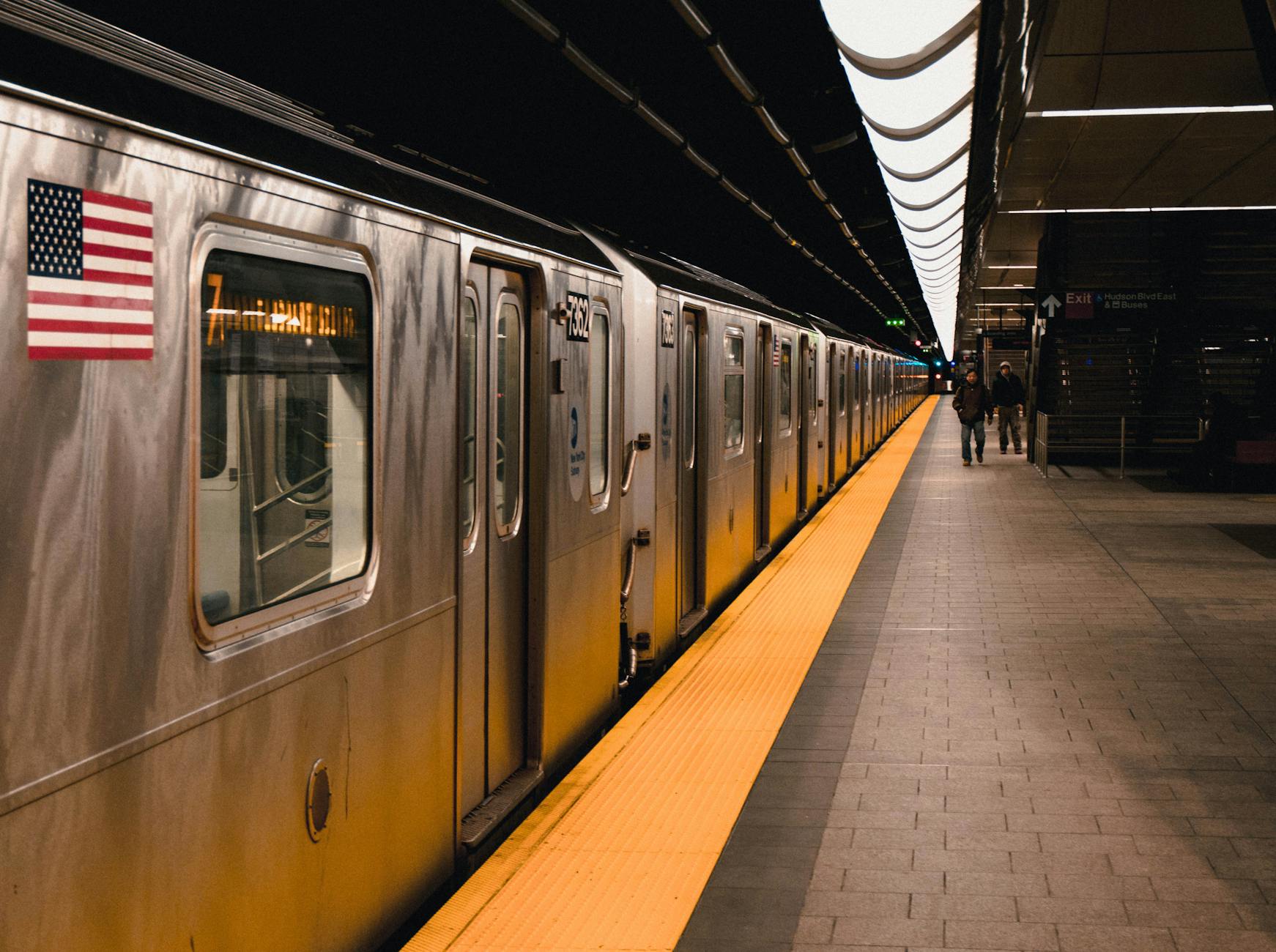
    There are songs that you enjoy, songs that you remember, and then there are songs that feel as if they were quietly waiting for you long before you ever knew they existed. “Subways of Your Mind” by FEX belongs to that rare third category. It is not merely a track, not simply a pleasant or haunting piece of music, but a small universe of atmosphere, memory, mystery, and resonance. It is a song that feels like a corridor you wander into rather than a melody you press play on. And in a strange, almost uncanny way, its long disappearance and eventual rediscovery mirrors parts of my own path as a writer, as an author, and as a mind that has always felt like a moving underground network of thoughts, tunnels, echoes, and unmarked stations.

    This is, admittedly, a rare post for me on my main blog that centers so explicitly on music. After so many music posts living comfortably on my music blog, it might seem unusual to place this one here. But this song is not only about sound. It is about memory, time, patience, searching, identity, and the strange way art waits for us when we are not yet ready to meet it. It belongs here because it does not simply speak to my ears. It speaks to my writing life, to my inner landscape, and to a specific chapter of my journey that unfolded in parallel with its own.

    “Subways of Your Mind” is often known now by another name, the most mysterious song on the internet. For years it existed as a fragment, a ghost, a partially remembered broadcast captured from German radio in the 1980s, its artist unknown, its title unknown, its origin uncertain. Listeners speculated endlessly about who made it, where it came from, what its real lyrics were, what language it even belonged to. It circulated as a puzzle, as a whisper from another era that refused to identify itself. And yet, despite the mystery, or perhaps because of it, the song developed a cult following. People were not just trying to find a track. They were trying to recover a piece of time, a lost creative moment, a human voice that had gone unnamed for decades.

    There is something deeply moving about that kind of search. A song drifting through decades without a signature, surviving only because someone recorded it, someone shared it, someone refused to let it disappear. It reminds us that art does not always arrive with certainty, credit, or clarity. Sometimes it arrives as a question. Sometimes it arrives incomplete. Sometimes it arrives before the world is ready to understand or preserve it properly. And yet, it persists.

    When the song was finally identified and its creators revealed in 2024, it felt less like a reveal and more like a reunion. FEX, the band behind the track, emerged from obscurity into a world that had been quietly waiting for them without knowing it. The mystery ended not with a dramatic twist but with a gentle confirmation, a soft anchoring of a wandering artifact back to its human source. And when the song was officially released to the world in February 2025, it was as if time itself had folded inward, allowing the past and present to finally meet in a clean, audible moment.

    What struck me most was not only the beauty of the song itself, though it is undeniably a vibe, atmospheric, introspective, melancholic without despair, dreamy without vagueness. What struck me was the timing.

    Because 2024, the year the mystery was solved, was also the year I was nearing completion of my own long, quiet labor, my debut novel, Wonderment Within Weirdness. After years of writing, revising, doubting, rewriting, shaping, and reshaping, I was finally approaching the moment where the story would become something fixed in the world. And then in February 2025, when “Subways of Your Mind” was officially released, when it finally emerged from rumor into reality, that same month I published my first book.

    Two creative journeys, utterly unrelated in origin, separated by decades in one case and by personal circumstance in the other, arriving into public existence at almost the same moment.

    I do not believe in cosmic destiny in any mystical sense, but I do believe in resonance. And the resonance here felt undeniable.

    The song’s title alone feels like an accidental autobiography of my inner life. Subways of your mind. The phrase suggests motion beneath the surface, networks unseen, complex systems running quietly below the visible city of thought. It implies layers, intersections, detours, forgotten platforms, trains arriving late, thoughts switching tracks without warning. It implies that the mind is not a single road but a map, dense, confusing, alive, echoing.

    That has always been how my mind feels.

    My thinking has never been linear. It is associative, branching, recursive, layered with memory, imagination, analysis, emotion, philosophy, and narrative all moving at once. Ideas do not come in straight lines. They come as trains from different directions, sometimes colliding, sometimes missing each other, sometimes arriving at the same station from opposite ends of the map. Writing for me has always been less about inventing roads and more about learning how to navigate the tunnels that already exist inside me.

    Listening to “Subways of Your Mind,” I hear that internal geography made audible. The drifting synth lines feel like passing lights through tunnel windows. The restrained rhythm feels like rails humming beneath a city. The vocals feel distant but intimate, like hearing someone speak in the next car over, close enough to feel present, far enough to feel unreachable. The song does not demand attention. It invites wandering.

    That is how I write.

    When I was working on Wonderment Within Weirdness, much of the process felt subterranean. The story developed below conscious planning, in fragments, in images, in half-formed scenes that surfaced only after long incubation. I was not always sure where the narrative was going. I often trusted instinct more than outline. I let the trains run and watched where they arrived.

    And like the song, much of that work existed in obscurity for a long time. Not because it was lost, but because it was unfinished, unnamed, private. Drafts piled up like unmarked stations. Scenes changed titles. Characters evolved. Entire sections vanished and reappeared in new forms. The book existed, but it did not yet exist in the world.

    There is a particular loneliness to that phase of creation. You are working on something that matters deeply to you, but that no one else can yet see. You are convinced of its reality, but it has no public proof. You are both its only witness and its only advocate.

    In that sense, the mysterious song and my manuscript shared a quiet kinship. Both existed in limbo, known to a few, half-known to many, fully known to almost no one. Both waited for the moment when they would finally be named.

    When “Subways of Your Mind” was identified, I remember thinking about how fragile art can be. How easily it can disappear if no one preserves it, credits it, remembers it. How many songs, poems, stories, and paintings have vanished because the chain of memory broke at the wrong moment. The survival of this song was not guaranteed. It was an accident, a lucky recording, a stubborn community of listeners who refused to let the trail go cold.

    Publishing my book felt similar in spirit, if not in scale. It was an act of preservation. A way of saying, this story existed, this mind existed, this particular configuration of thought and feeling passed through the world and left a trace.

    That is, in the end, what all art is doing. It is leaving tunnels behind.

    The official release of the song in February 2025 felt strangely ceremonial to me. Not because I had anything to do with it, but because it symbolized the end of waiting. After decades of uncertainty, the track was finally whole. It had a name, an artist, a date, a place in history. It could now be listened to without a question mark hovering over it.

    That same month, my own long question mark resolved into a physical book.

    Holding Wonderment Within Weirdness for the first time felt like surfacing from underground. For years, the story had been entirely inside me. Now it existed independently, capable of being read by strangers, misread, loved, ignored, criticized, reinterpreted. It had left my subway system and entered someone else’s.

    Listening to “Subways of Your Mind” now, after knowing its story, after knowing my own, the song feels like a companion piece to that transition. It is about movement without spectacle, about introspection without isolation, about mystery without despair. It does not rush. It trusts time.

    There is also something deeply comforting in the idea that art can wait. That a song recorded in the 1980s can find its audience in the 2020s. That a story written in quiet isolation can find its readers years after its first sentence was typed. That creative work is not always bound to the moment of its creation, but to the moment of its recognition.

    As a writer, that idea matters to me more than almost anything.

    So much of the anxiety around publishing, around visibility, around success, comes from the pressure to be immediate. To be timely. To be viral. To matter now or not at all. But “Subways of Your Mind” is proof that relevance can be delayed without being diminished. That obscurity does not equal failure. That sometimes the world simply has not yet built the ears capable of hearing you.

    My own journey has never been fast. I published my first book after years of blogging, experimenting, doubting, refining, and redefining what I wanted to say and how I wanted to say it. I am still building my voice. Still discovering my rhythms. Still mapping my internal transit lines.

    And in that ongoing process, this song feels like a small affirmation. A reminder that creative timelines are strange, nonlinear, deeply personal things. A reminder that being lost for a while does not mean being gone forever.

    It also feels fitting that this post lives on my main blog rather than my music blog. Because this is not really about a song. It is about a mirror.

    It is about how art recognizes us even when we do not recognize ourselves yet. How a phrase written by strangers decades ago can suddenly feel like the most accurate description of your own mind. How discovery can happen in parallel across completely different lives, bound only by timing and resonance.

    “Subways of Your Mind” is a vibe, yes. It is atmospheric, moody, quietly hypnotic. But more than that, it is a map. Not of a city, but of an interior world. A world where thoughts travel in loops, where memory and imagination share tracks, where past and present meet at unmarked platforms.

    That is the world I write from.

    And perhaps that is why this song feels less like something I discovered and more like something that discovered me.

    In the end, the mystery of the song was solved. But the mystery of the mind never is. It keeps building new tunnels, new stations, new hidden routes. Writing is simply my way of riding those trains and describing what I see through the window.

    Sometimes, very rarely, a song rides with me.

    And when it does, I pay attention.

  • A Man Who Left Echoes

    A Man Who Left Echoes

    Daily writing prompt
    Describe a family member.

    There are people whose presence shapes the world around them in ways you don’t fully understand until they’re gone, people whose absence leaves not just a void but a subtle weight that settles into the corners of memory, lingering in quiet moments when the world feels a little too loud or a little too empty. My uncle was one of those people. I remember him not as a figure from a photograph or a fleeting image in the past, but as a presence — a combination of gestures, laughter, words, and silences that somehow managed to make the world feel more grounded, more bearable, more alive. He had a way of filling a room without trying, quietly, almost invisibly, but undeniably. When he entered a space, it wasn’t the clamor of someone demanding attention, but the gravity of someone who seemed to understand its weight, who made it feel lighter simply by being there.

    He was a man who noticed things others overlooked, a man whose attention to detail was never intrusive but always comforting. He remembered birthdays months in advance, not because it was an obligation, but because he cared, genuinely and fully. He remembered stories you barely told in passing, the small confessions of life that you thought were insignificant, and he remembered them in a way that made you feel seen. It was never about showing off knowledge or being impressive; it was about being present, about showing that people mattered, that moments mattered, that you mattered.

    Humor was one of his most subtle gifts. It wasn’t boisterous or performative; it was sly, dry, occasionally mischievous, and always disarming. He could crack a joke at the exact right moment, a joke that landed not with loud laughter but with the quiet release of tension you didn’t even realize you were carrying. And he laughed in a way that made you want to laugh too, not because it was funny on the surface, but because it carried warmth, the warmth of someone who had lived, observed, and emerged from life with a softness rather than a hardness, with a clarity that didn’t judge but understood.

    He loved stories. Not just books or movies, though he loved those as well, but stories of people, the kind of narratives that happen quietly, behind closed doors, in kitchens and living rooms and quiet walks. He had a way of listening that made the teller of a story feel important, felt like their life, their experiences, their small victories and failures, mattered. And in those moments, you didn’t just share a story with him; you shared a part of yourself, and he held it carefully, reverently, as if it were a precious thing. There was an art to his listening, an intimacy that seemed effortless but was intentional, a kind of generosity that left its mark in ways words often fail to capture.

    Grief doesn’t arrive like a storm; it sneaks in like a shadow that grows longer and darker the more you try to ignore it. Losing him in 2019 hit like that — quiet, insistent, unrelenting. There were days when it felt like the air had grown heavier, when the world itself seemed smaller, quieter, less certain. His absence was everywhere, in the laughter that no longer echoed in family rooms, in the stories that no longer had a living witness, in the small, ordinary moments that suddenly felt incomplete. And yet, even in that grief, even in the silence and the ache, he left something behind: a thread, a spark, a reminder. He had always been a quiet teacher, and even in death, he taught. He taught me about presence, about kindness, about the quiet ways you can leave a mark on the world.

    It’s strange, how people live on in the echoes of their actions, in the memories they shape, in the habits and values they instill. My uncle’s influence is woven through the life I lead now, through the words I write, the ways I observe the world, the ways I respond to pain, joy, confusion, and beauty. He left behind a kind of blueprint for attention and care, a reminder that being present, being attentive, being real, can resonate far longer than any flashy gesture or grand declaration. In every post I write, every story I tell, every poem I craft, there is a trace of him — a whisper of his presence, a residue of his wisdom, a spark of his warmth.

    I remember sitting with him in the kitchen during long, unremarkable afternoons, talking about everything and nothing, and yet feeling like these conversations carried weight, like they were shaping me in ways I couldn’t understand at the time. He had this way of asking questions that didn’t feel intrusive but opened doors, questions that guided rather than demanded, that encouraged reflection rather than defensiveness. And when he spoke, it wasn’t always profound in an obvious sense, but it carried clarity, insight, and empathy. He had a gift for noticing the small things — the way someone held a cup of coffee, the hesitation in a word, the fleeting expression that revealed a deeper truth. And he remembered those details, not for manipulation or advantage, but because they mattered.

    Grief has a strange way of teaching you about absence, about the invisible threads that bind us to others. Losing him was like losing a part of my internal compass. There were moments when I felt adrift, moments when the world seemed too harsh, too loud, too indifferent. And yet, in those same moments, memories of him — small, fleeting, ordinary — became lifelines. The way he laughed at my worst jokes, the way he encouraged curiosity, the way he simply sat with you in silence when the world was overwhelming — these became touchstones, guiding me through dark days, reminding me that presence matters, that kindness matters, that attention matters.

    He was not perfect. No one is. But he carried flaws with a kind of grace that made them human rather than burdensome. He could be stubborn, opinionated, occasionally sharp, yet even those traits were tempered with humor and warmth. And in his imperfections, he taught the most profound lessons: that human beings are complicated, contradictory, and evolving, and that love and respect aren’t about perfection but about effort, understanding, and persistence.

    Looking back, it’s clear how much he shaped my approach to writing, to observation, to expression. My blogs, my stories, my poems — they are infused with the curiosity, empathy, and attentiveness that he embodied. Writing became my outlet, my way of processing grief, my way of carrying forward lessons that could no longer be shared in person. In many ways, the act of writing is a dialogue with him, a way of translating his presence into words, a method of keeping his spirit alive in the spaces I create.

    I remember one afternoon in particular, years before he passed, sitting with him and my family in a small, sunlit living room. We were laughing over some absurd memory, and he paused, looked at us, and said something I didn’t fully appreciate at the time: “Life’s messy, sure, but it’s worth noticing.” I didn’t understand then how much weight those words carried. I understood it later, after his passing, when I was trying to navigate grief and uncertainty, when I was searching for a way to keep going. It was in that simple phrasing — “worth noticing” — that I found a principle to live by, a lens for observing the world, a framework for writing.

    He had a subtle, almost invisible influence on the way I approach empathy. Watching him interact with the world, observing his attentiveness, his patience, his gentle insistence on understanding before judging — it shaped how I see others, how I listen, how I respond. In writing, this translates to the care I take with words, the way I try to inhabit perspectives, the way I seek to illuminate human experience with honesty and respect. It is, in a sense, a continuation of his influence, a channeling of the lessons he imparted without ever lecturing, without ever instructing overtly.

    Loss is a teacher in its own right, albeit a harsh one. Losing him revealed not only the depth of my grief but also the resilience embedded in memory, in love, in the echoes of a person’s life. It taught me to find meaning in ordinary moments, to notice the small gestures that carry immense significance, to cherish the people in my life while they are present. And it underscored the value of creative expression as a lifeline, a method of processing, a way of keeping connection alive across absence.

    As I reflect on him now, six years after his passing, I realize that describing a family member — truly describing them — is never about completeness. It’s about tracing the ripples they leave, the impact they have, the ways they persist in memory and action. My uncle’s influence isn’t contained in anecdotes or physical presence; it’s alive in the ways I write, in the empathy I try to cultivate, in the attention I give to others. It’s in the quiet insistence that life, with all its mess and grief, is worth noticing, worth engaging, worth transforming into meaning.

    He would have appreciated the irony in all this — the idea that someone could live on through words, through blogs, through stories, through poems. He wasn’t one for dramatics, yet he understood the power of small acts to ripple outward, to touch lives, to carry essence beyond presence. And that is what I strive for now, in memory of him: to take what was given, what was observed, what was learned, and channel it into something tangible, something that can comfort, connect, and illuminate, even in the absence of his voice, his hands, his laugh.

    My uncle’s life reminds me that legacy isn’t measured by grand gestures or monumental achievements. It’s measured by attentiveness, by warmth, by the quiet ways you shape the world around you. It’s in the laughter you inspire, the curiosity you nurture, the empathy you model, the care you take in noticing others. It’s in the lives you touch, subtly, gently, consistently. And in that sense, he is everywhere — in the moments I remember, in the stories I tell, in the words I write, in the attention I give to life itself.

    To describe him fully in words is impossible, yet in trying, I honor him. I honor the presence that shaped me, that influenced me, that continues to guide me. I honor the humor, the kindness, the attentiveness, the quiet insistence that life — even in its messiness and grief — is worth noticing. And I honor the ways his absence has taught me, shaped me, and inspired me to create, to write, to live with intention.

    Even now, as I write these words, I feel the pull of his presence, not as a ghost, not as a shadow, but as a living echo. He is the subtle rhythm in my observations, the reminder to notice the small gestures, the inspiration to express care, empathy, and curiosity. Six years later, I carry him not as a memory alone, but as a living thread woven into the fabric of my creative life, my reflections, my stories.

    And so, in answering the question — describing a family member — I find that I cannot separate him from the life I live now, from the writing I do, from the empathy I strive to cultivate. To describe him is to describe the ripples he left behind, the quiet insistence that life is worth noticing, worth engaging, worth reflecting upon. It is to honor presence, influence, and the enduring power of ordinary human attentiveness to transform, shape, and inspire.

    My uncle lives on in every post, every paragraph, every poem, every story I write. He lives on in the attention I give to others, in the way I listen, in the way I notice, in the way I try to understand. He lives on in the quiet insistence that life — messy, painful, beautiful, fleeting — is worth noticing. And in that, he has become eternal, not through grand monuments or accolades, but through the subtle, indelible echoes of a life well-lived, a presence fully given, and a love quietly, persistently expressed.

    Fediverse Reactions
  • October 3rd: A Day for Pop Culture, Fandom, and Memory

    October 3rd: A Day for Pop Culture, Fandom, and Memory

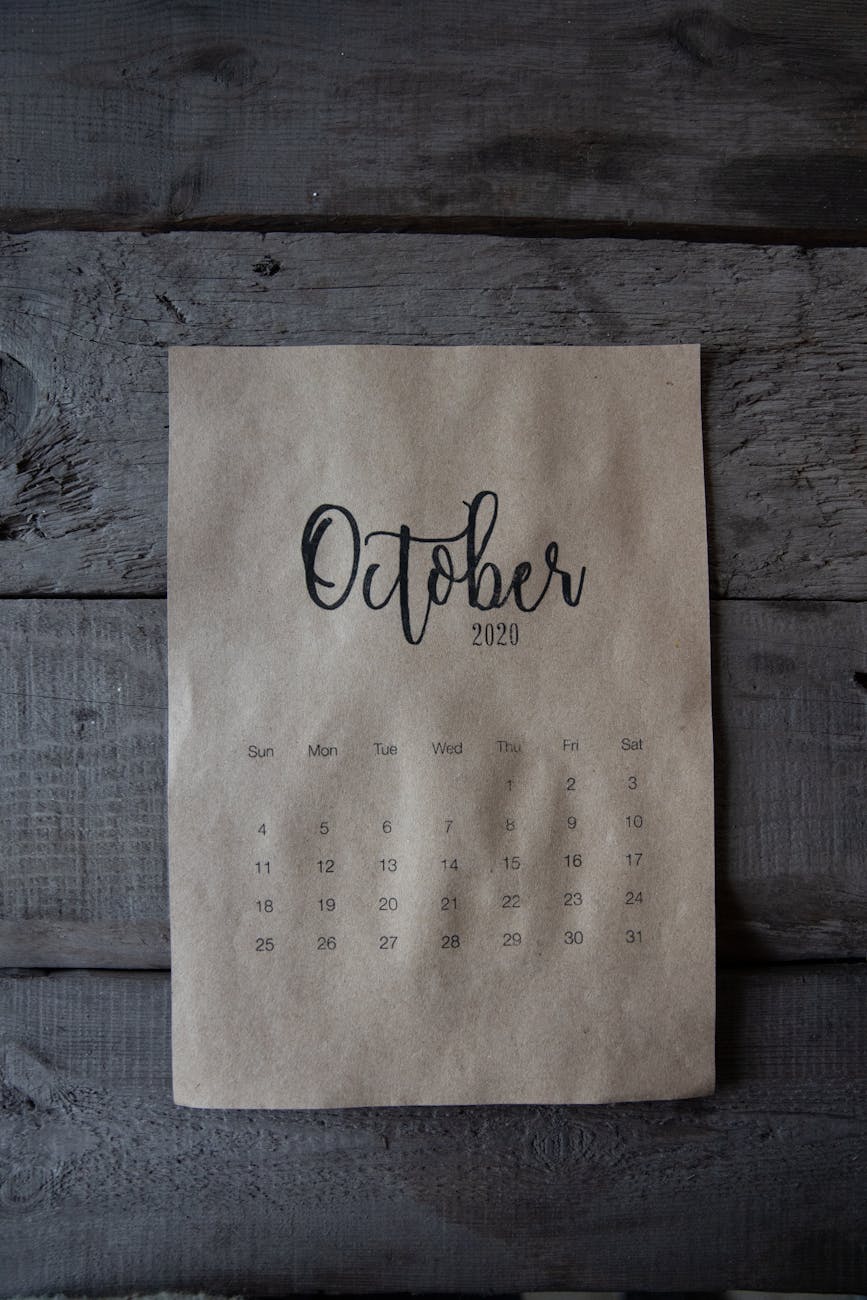
    October 3rd has, strangely and beautifully, become one of the most iconic dates in pop culture. Unlike other “fan holidays” that get created artificially or through marketing campaigns, October 3rd has significance for two completely different fandoms that, at first glance, could not be further apart: Mean Girls and Fullmetal Alchemist. On one side, we have a 2004 teen comedy film that satirizes high school cliques, social hierarchy, and the pressures of fitting in. On the other side, we have a profound Japanese manga and anime series that deals with grief, war, science, morality, and the consequences of human ambition. Both of them, in their own ways, marked October 3rd as important. This overlapping coincidence has created a fascinating cultural phenomenon where fans online celebrate the day with memes, tributes, essays, and endless callbacks. October 3rd has become a “double holiday,” a day when two worlds—fetch pink and philosophical alchemy—come together.

    In Mean Girls, October 3rd is immortalized through a single, simple line. Cady Heron, the protagonist, narrates that “On October 3rd, he asked me what day it was.” She’s talking about Aaron Samuels, the popular boy she has a crush on. The humor and charm of the line is that it’s so mundane. It isn’t a dramatic confession of love, or an important milestone, but rather a trivial detail. Yet that is precisely what makes it so powerful: many of our most memorable teenage experiences are not grand declarations, but little, seemingly random interactions that become engraved in memory. Fans latched onto this line as something deeply relatable. Everyone remembers that one ordinary exchange that suddenly became special because of who said it, or how it made us feel. October 3rd in Mean Girls represents that teenage longing, the way a simple conversation can feel like a moment of destiny. Over time, fans turned it into a holiday, and every year, the internet becomes awash with pink-colored memes, GIFs, and tweets declaring “It’s October 3rd!”

    On the other side of the cultural spectrum, October 3rd plays a very different role in Fullmetal Alchemist. The date has weight, gravity, and deep sorrow. Edward and Alphonse Elric, two brothers who broke the laws of alchemy in a desperate attempt to resurrect their mother, suffer devastating consequences: Edward loses his arm and leg, and Alphonse loses his entire body, his soul tethered to a suit of armor. In order to move forward with their lives and commit fully to their journey to restore what they lost, they burn down their childhood home on October 3rd. This act is symbolic. They are erasing the possibility of ever returning to the life they once had. Edward even engraves the date—“Don’t forget 3.Oct.10”—on his State Alchemist pocketwatch, a constant reminder of the sacrifice, the pain, and the commitment they made.

    What’s fascinating is how different these two uses of October 3rd are, and yet how similar they feel when filtered through the lens of fandom. In one case, October 3rd is a sweet, nostalgic memory of teenage infatuation. In the other, it is a solemn vow tied to grief and responsibility. And yet both share the same root: memory. For Cady, October 3rd is worth remembering because of the boy she liked. For Edward, October 3rd is worth remembering because of what he lost and what he swore never to forget. Both works understand that humans often attach significance to dates as markers of who we are and where we’ve been. Whether trivial or tragic, these markers give us a way to frame time, to make sense of life’s chaos.

    This duality is also a reflection of why fandom culture loves anniversaries and dates. Fans are always looking for points of connection, touchstones that can bring people together. When October 3rd rolls around, fans of Mean Girls and Fullmetal Alchemist flood the internet with tributes. Sometimes they are separate: pink-themed posts about Cady Heron and Aaron Samuels on one side, somber references to the Elric brothers on the other. Sometimes, though, they cross over, and that’s where the internet magic happens. You’ll see memes of Edward Elric wearing pink on Wednesdays, or Aaron Samuels holding a Philosopher’s Stone. These crossovers are not just silly—they’re examples of how digital culture allows fans to stitch together unrelated works into a shared tapestry of meaning.

    What’s also interesting is how both fandoms reflect on growing up, though in radically different tones. Mean Girls is about the social battles of adolescence: the insecurities, the cliques, the desperate need to belong. Its October 3rd moment is lighthearted, almost comedic, but beneath the joke is a reflection of how awkward teenage years are navigated. Fullmetal Alchemist, meanwhile, is about the forced maturity of children who experienced tragedy far too young. Its October 3rd moment is heavy, brutal, and about moving on when you are not ready to. Both capture the theme of transitions—of life forcing you forward whether you like it or not.

    Why, then, has October 3rd resonated so strongly with audiences worldwide? Part of the answer lies in the universality of marking time. People everywhere love rituals, and in a digital age, fandom rituals become collective experiences. October 3rd is not just a fandom date; it’s a digital holiday. Just as May 4th has become Star Wars Day (“May the Fourth be with you”), October 3rd has carved its own place as a day where people all over the world know exactly what it means to certain fans. The fact that it unites two very different kinds of fandom only makes it more powerful.

    Consider how the internet itself has amplified October 3rd. In 2004, when Mean Girls first came out, fandom was more localized—people might have quoted lines with friends at school, but the idea of a collective October 3rd celebration wasn’t widespread. By the late 2000s and early 2010s, social media platforms like Tumblr, Twitter, and Facebook gave fans spaces to amplify the significance of the date. Similarly, Fullmetal Alchemist fans, who had always viewed October 3rd as meaningful because of the manga and anime, found new audiences who could engage with that symbolism. Over time, the convergence of these two fandoms created a snowball effect: now, every October 3rd, the date trends worldwide.

    There is also something beautiful about how two pieces of media from such different cultures—an American teen comedy and a Japanese anime—ended up connected this way. It shows how storytelling transcends geography. Both films and anime are deeply local in their origins—Mean Girls satirizes American high school culture, while Fullmetal Alchemist is steeped in Japanese perspectives on grief, morality, and war. And yet both ended up speaking to global audiences. October 3rd, then, becomes a cross-cultural bridge, a reminder that art can unify people in unexpected ways.

    Another angle worth exploring is how fans themselves project meaning onto dates. It’s not the creators of Mean Girls or Fullmetal Alchemist who told us, “Celebrate October 3rd every year.” That was fans, taking ownership of the story, carving rituals into the calendar. This fan-driven appropriation of dates is a kind of cultural authorship, a way of saying, “This moment mattered to us, and we’re not going to let it fade.” The phenomenon of October 3rd demonstrates how audiences can keep media alive long after release. Mean Girls could have remained just another 2000s teen comedy. Fullmetal Alchemist could have remained just one more shonen anime among many. But because of fandom, they are eternal.

    Critically, we can also see how October 3rd has evolved into not just a fandom holiday, but a point of intergenerational connection. Younger fans discovering Mean Girls on streaming platforms still laugh at the October 3rd line, while older fans remember seeing it in theaters. Similarly, new viewers of Fullmetal Alchemist: Brotherhood still gasp at the Elric brothers’ decision to burn their home, while older fans recall reading the manga chapter as it was released. October 3rd creates continuity, a shared moment where old and new fandoms meet.

    Memes and social media jokes aside, there is something deeply human about needing to remember. Both Mean Girls and Fullmetal Alchemist capture that instinct. Cady remembers October 3rd because it felt important to her heart. Edward remembers October 3rd because it defined his life’s path. And we, as audiences, remember October 3rd because both stories taught us that dates, however arbitrary, become sacred when tied to emotion.

    So every October 3rd, the internet turns pink and silver, fetch and alchemy. Some fans will laugh about Aaron Samuels asking what day it is. Others will post images of Edward Elric’s pocketwatch with “Don’t forget 3.Oct.10.” And some will do both, creating mashups that honor how strange and wonderful it is that two different works, from two different continents, gave us the same date to hold onto.

    And perhaps that is the ultimate lesson of October 3rd: memory doesn’t need to be monumental to matter. A crush asking the date, or two brothers burning their home, both mean something because they remind us of what it feels like to be alive, to want, to lose, to move forward. Whether we laugh with Cady or cry with Edward, October 3rd has become a vessel for remembering, together.

  • Musing Mondays #21: “History Is Written by the Victor” — But Who’s the Victor, Really?

    Musing Mondays #21: “History Is Written by the Victor” — But Who’s the Victor, Really?

    The phrase “history is written by the victor” gets thrown around a lot. It sounds simple: whoever wins gets to decide the story. But what defines a victor? Is it just military victory? Political power? Or something subtler, like control over narratives and culture?

    A victor isn’t always the one with the biggest army or the last word on the battlefield. Sometimes it’s the one who controls education, media, or public memory — the gatekeepers of what gets remembered and how.

    And here’s where it gets complicated: history isn’t a single, clean story. Multiple versions can coexist, sometimes clashing, sometimes running parallel. Take World War II, for example — Americans learn about heroic sacrifices and liberation, while Japanese narratives might focus on suffering from bombings and loss, or different reasons behind the war. Neither story is “wrong,” just framed through different lenses.

    Or look at the Cold War — Eastern Europeans often have a very different take on Soviet influence than Americans do. Even within a single country, perspectives can vary wildly: the American Civil War is still debated today, with some seeing the Confederacy as a traitorous cause and others as a cultural identity.

    More recently, politics and social movements have shown how history can be weaponized to support conflicting truths — each group claiming its own version of what “really happened.” It’s less about who won and more about who controls the story in the present.

    So maybe history isn’t just written by the victor — it’s rewritten endlessly by everyone with a voice. And the real question is: how do we listen to all those voices without losing sight of truth?

  • Musing Mondays #19: The Curious Case of Forgotten Dreams

    Musing Mondays #19: The Curious Case of Forgotten Dreams

    We spend hours sleeping and dreaming, but the moment we wake up most dreams slip away like sand through fingers. Why do so many dreams vanish instantly, while others stick around for days or even years?

    Are some dreams just mental clutter, quickly discarded as useless? Or maybe our brains protect us by hiding the most confusing or vulnerable parts of ourselves.

    And when we do remember dreams, they’re often bizarre and fragmented — like a half-remembered movie with missing scenes. It’s like our mind’s way of keeping secrets, or maybe just showing us symbolic puzzles.

    Maybe if we learned to catch dreams better, we’d understand ourselves a little more. Or maybe some things are meant to stay mysterious.

  • Musing Mondays #18: Why Do We Remember Songs Better Than Names?

    Musing Mondays #18: Why Do We Remember Songs Better Than Names?

    Ever notice how you can instantly recall lyrics to a song from 20 years ago but can’t remember the name of the person you just met? Our brains seem wired to hold onto melodies and rhythms tighter than simple facts.

    Maybe it’s the emotional hooks music creates — melodies attach themselves to feelings, memories, moments. Names, on the other hand, are abstract, arbitrary labels we struggle to attach meaning to.

    It makes you wonder how much more effective communication could be if we treated names more like songs—something catchy, meaningful, repeatable. Or maybe that’s why nicknames and inside jokes stick so well — they have rhythm and story baked in.

    Music as memory feels like a reminder: we don’t just need info, we need connection to remember.

  • Gatekeepers of Memory: A Thematic Comparison of The Giver and Kingdom Hearts: Chain of Memories

    Gatekeepers of Memory: A Thematic Comparison of The Giver and Kingdom Hearts: Chain of Memories

    In both Lois Lowry’s dystopian novel The Giver and the beloved video game Kingdom Hearts: Chain of Memories, memory emerges as a central and powerful force shaping identity, control, and freedom. Though these stories exist in vastly different worlds—one a controlled society striving for peace through suppression, the other a fantastical universe where memory and reality are malleable—their treatment of memory as a source of power reveals surprising parallels. Both feature gatekeepers of memory who wield control by regulating access to the past, and protagonists who must reclaim truth and individuality by overcoming these barriers.

    In The Giver, memory is locked away from the general populace to preserve societal order and emotional numbness. The Giver himself holds the burden of all memories, both joyful and painful, and selectively passes them on to Jonas, the new Receiver. This dynamic establishes memory as both a privilege and a curse, a reservoir of human experience withheld to prevent chaos. However, as explored through the lens of a more critical reading, The Giver is not simply a benevolent guardian but can be seen as a complacent and manipulative gatekeeper—one who maintains control by carefully rationing knowledge and ensuring the system’s perpetuation.

    Kingdom Hearts: Chain of Memories similarly revolves around memory as a contested battlefield. The antagonists—members of Organization XIII and other villains—actively manipulate, erase, and fabricate memories to control protagonists like Sora, Donald, and Goofy. These memory gatekeepers physically and psychologically obstruct the heroes from regaining their true selves and pasts. Memory here is fluid and weaponized, used to trap, confuse, and rewrite identity. The protagonists’ journey is not just a quest through worlds but a fight to reclaim their authentic selves by restoring lost or stolen memories.

    The parallel roles of The Giver and the Chain of Memories villains as gatekeepers highlight a crucial thematic intersection: memory is power, and controlling memory is controlling reality. Both stories emphasize how access to memory shapes identity and choice. In The Giver, the community’s enforced ignorance keeps people compliant and emotionally detached. In Chain of Memories, manipulation of memory fractures identity, creating confusion and vulnerability.

    Furthermore, both narratives explore the moral ambiguity of gatekeeping memory. The Giver’s role is morally complex—he carries the weight of painful knowledge alone and claims to protect the community, but arguably uses his control to maintain personal comfort and preserve a flawed system. Similarly, Chain of Memories villains exhibit self-serving motives, exploiting memory manipulation to achieve power and control, forcing protagonists into painful self-discovery.

    The protagonists’ experiences reveal the heavy burden of knowledge. Jonas’s gradual exposure to memories unleashes intense emotions, both beautiful and tragic, underscoring how memory can be both enlightening and devastating. Sora’s quest to recover his memories symbolizes the struggle for identity amid loss and deception. Both characters face the pain and confusion that come with truth, ultimately choosing the difficult path toward freedom and self-awareness.

    Finally, these works grapple with the tension between conformity and individuality. The Giver presents a society sacrificing individuality for stability, while Chain of Memories depicts fractured identities seeking wholeness. Both suggest that reclaiming memory is essential to reclaiming selfhood, but that this process is fraught with danger, sacrifice, and uncertainty.

    In conclusion, The Giver and Kingdom Hearts: Chain of Memories offer complementary meditations on memory as a double-edged sword—source of identity, power, and pain. Their gatekeepers serve as symbolic and literal obstacles to freedom, underscoring the profound impact of memory on who we are. Together, they invite us to question how much of ourselves depends on the memories we hold, and what it means to truly know ourselves.