
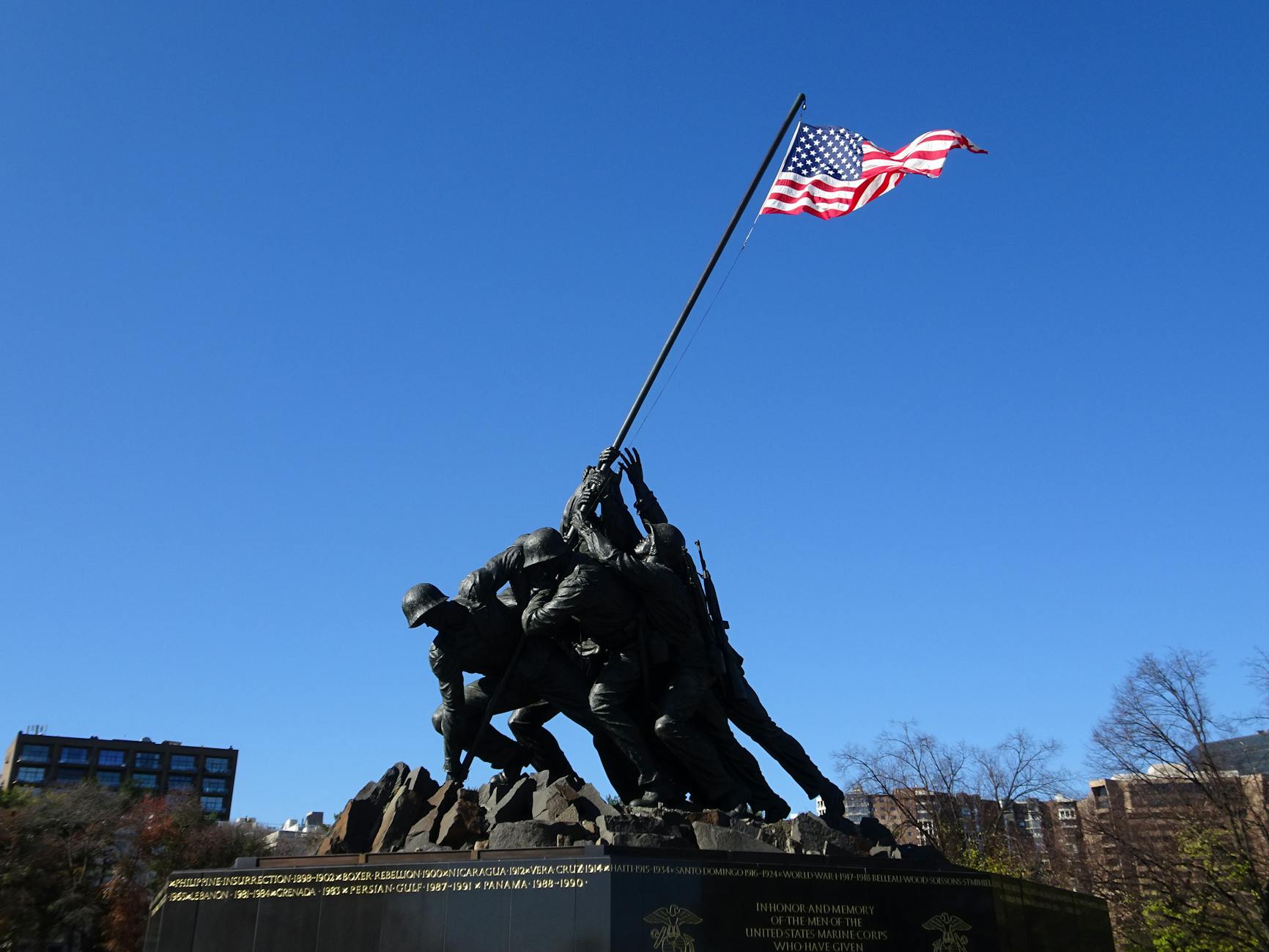
The phrase “history is written by the victor” gets thrown around a lot. It sounds simple: whoever wins gets to decide the story. But what defines a victor? Is it just military victory? Political power? Or something subtler, like control over narratives and culture?
A victor isn’t always the one with the biggest army or the last word on the battlefield. Sometimes it’s the one who controls education, media, or public memory — the gatekeepers of what gets remembered and how.
And here’s where it gets complicated: history isn’t a single, clean story. Multiple versions can coexist, sometimes clashing, sometimes running parallel. Take World War II, for example — Americans learn about heroic sacrifices and liberation, while Japanese narratives might focus on suffering from bombings and loss, or different reasons behind the war. Neither story is “wrong,” just framed through different lenses.
Or look at the Cold War — Eastern Europeans often have a very different take on Soviet influence than Americans do. Even within a single country, perspectives can vary wildly: the American Civil War is still debated today, with some seeing the Confederacy as a traitorous cause and others as a cultural identity.
More recently, politics and social movements have shown how history can be weaponized to support conflicting truths — each group claiming its own version of what “really happened.” It’s less about who won and more about who controls the story in the present.
So maybe history isn’t just written by the victor — it’s rewritten endlessly by everyone with a voice. And the real question is: how do we listen to all those voices without losing sight of truth?


Leave a Reply