The Musings of Jaime David
@jaimedavid.blog@jaimedavid.blog

The writings of some random dude on the internet

1,231 posts
1 follower

Tag: people

  • Someone, anyone—help me bring The Jaime Daivd Podcast back to YouTube.

    Someone, anyone—help me bring The Jaime Daivd Podcast back to YouTube.

    My original YouTube channel was terminated a while ago, but the podcast itself is still here. I want the show to have a home on YouTube again, and I’m giving permission to anyone willing to create an archive channel for it.

    If you have the episodes, or can help locate and organize them, I’d be incredibly grateful if you’d create a YouTube archive of The Jaime Daivd Podcast so the show can reach listeners on YouTube again.

    I’m giving permission for the podcast episodes to be uploaded and preserved for this purpose.

    If you’re interested—or know someone who could help—please reach out to me.

    I just want my podcast back on YouTube.

    Fediverse Reactions
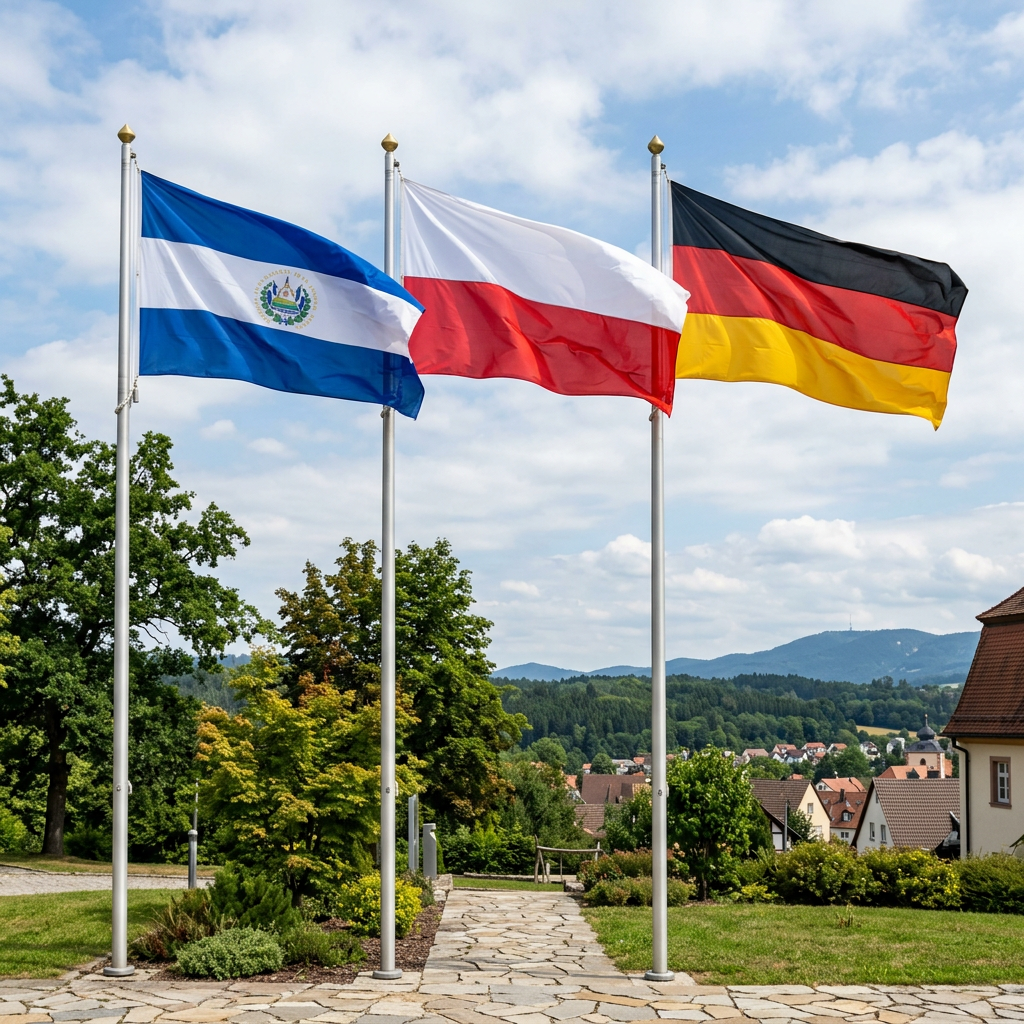
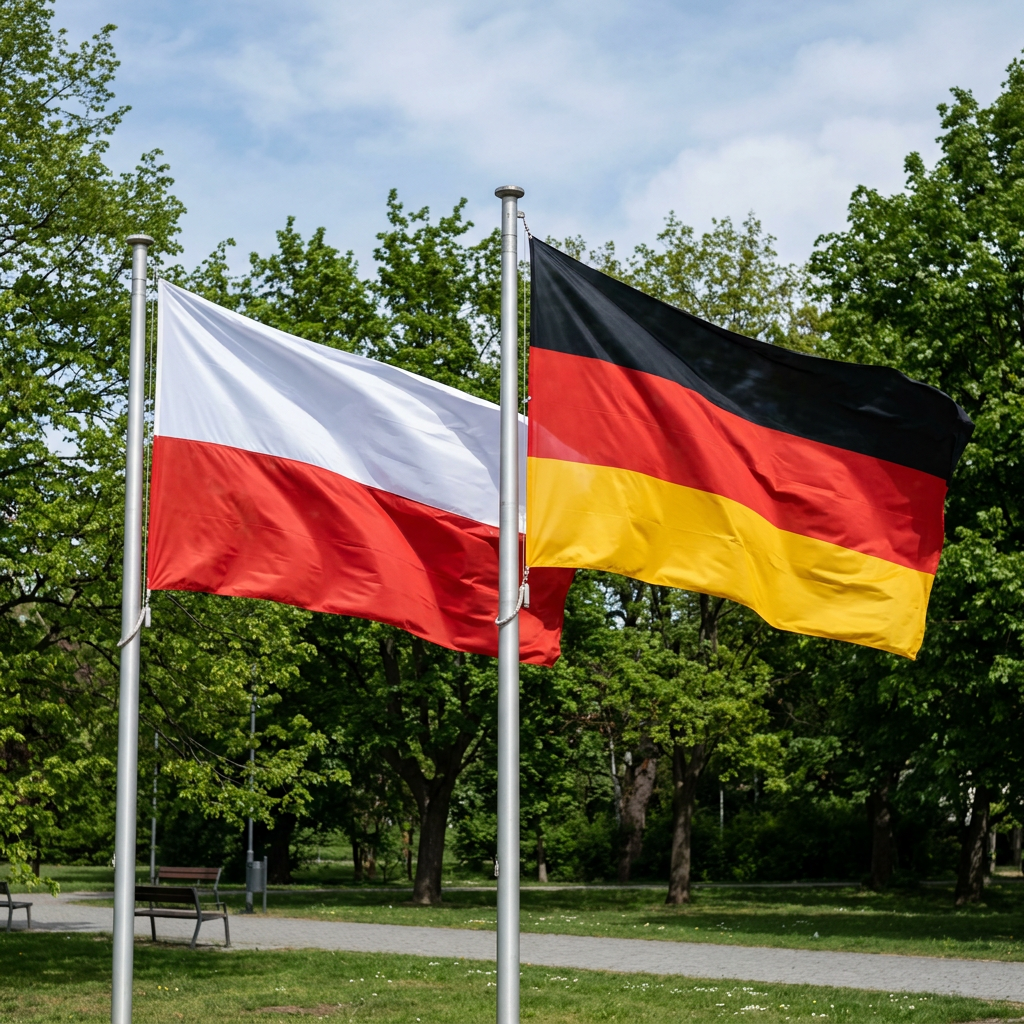
  • My Polish, German, and Hispanic Heritage All Come Together in October

    My Polish, German, and Hispanic Heritage All Come Together in October

    So, apparently October is just going to be my heritage month now. 😂

    I already wrote about my Polish and German heritage, but then I realized something else: German-American Heritage Month and Hispanic Heritage Month overlap.

    And considering I’m both German and Hispanic, I figured, fuck it. Let’s talk about all of it.

    Hispanic Heritage Month runs from September 15 through October 15. German-American heritage observances also fall during this same general period, and October is recognized as Polish-American Heritage Month.

    So here I am, looking at the calendar like:

    “Oh. This month is basically made for me.”

    Because my family history includes all three.

    I’m Hispanic. I’m Polish. I’m German.

    And then, because apparently my family tree wasn’t done collecting countries, I’m also Austrian and French.

    But for October, I’m focusing on these three.

    My Hispanic heritage is obviously a significant part of my background. My family has Salvadoran roots, and I’ve talked before about what that heritage means to me and why I wanted to write about it.

    But Hispanic heritage isn’t something that exists in isolation from the rest of my family history.

    Neither is my Polish or German heritage.

    They’re all parts of the same family tree.

    And I think that’s something that can sometimes get lost when we talk about heritage.

    People can feel like they have to pick one identity and stick with it.

    But why?

    Why can’t someone be connected to multiple cultures and histories?

    Why can’t I celebrate being Salvadoran while also celebrating being Polish and German?

    I don’t have to choose.

    I’m not a pie chart where every piece of my ancestry has to fight for the biggest percentage.

    They’re all pieces of my history.

    And honestly, I think that’s pretty fucking cool.

    There’s also something interesting about having heritage from different parts of the world because it makes me more curious about all of them.

    I want to learn more about Salvadoran history.

    I want to learn more about Polish history.

    I want to learn more about German history.

    And eventually, I want to dig more into my Austrian and French heritage too.

    I don’t think acknowledging your heritage requires pretending you personally experienced everything your ancestors experienced. It doesn’t mean claiming to be an expert on a culture simply because you have ancestors from there.

    For me, it means recognizing where my family comes from, being curious about those histories, and appreciating the different threads that eventually became part of my own story.

    And that’s what heritage means to me.

    It’s history.

    It’s family.

    It’s culture.

    It’s curiosity.

    It’s the weird, complicated, sometimes incomplete story of how generations of people eventually led to me sitting here writing this fucking blog post.

    So yeah.

    Happy Hispanic Heritage Month.

    Happy German-American Heritage Month.

    Happy Polish-American Heritage Month.

    Apparently October is my month.

    And honestly?

    I’ll take it.

    Fediverse Reactions
  • My Polish and German Heritage

    My Polish and German Heritage

    So, since it’s October, I figured, fuck it. Let’s talk about two more parts of my heritage: my Polish heritage and my German heritage.

    I’ve talked before about my Salvadoran heritage, because that’s another major part of where my family comes from. But my background isn’t just Salvadoran. I’ve also got Polish, German, Austrian, and French heritage.

    And since October happens to be a month when Polish-American and German-American heritage are both being recognized, I figured this was as good a time as any to talk about those two parts of my background.

    I’m Polish.

    I’m German.

    And honestly, I think it’s pretty cool to be able to say that.

    Now, I’m not going to pretend that I’m some walking encyclopedia of Polish or German culture. I’m not. There are parts of those cultures that I know more about than others, and there are certainly things about my own family history that I still don’t know.

    Heritage is complicated like that.

    You can inherit a part of your family history without necessarily having grown up immersed in every aspect of that culture. And I think that’s something worth acknowledging.

    For me, heritage isn’t simply a matter of saying, “Well, my ancestors came from this place, therefore I am automatically an expert on that culture.”

    No.

    It’s more about recognizing where some of my family history comes from and being curious about it.

    Being Polish is one piece of that puzzle.

    Being German is another.

    And then there’s Austrian and French heritage too, which means my family tree is basically doing its own little tour of Europe before eventually crossing the Atlantic.

    And honestly, I think there’s something pretty interesting about that.

    We all come from somewhere.

    Sometimes we know exactly where our ancestors came from. Sometimes we only know a little. Sometimes family stories get passed down for generations. Sometimes pieces of the story disappear.

    And sometimes you find yourself looking at your own background and realizing, “Wait, I’m connected to all of these different places?”

    That’s kind of where I am.

    I can celebrate my Salvadoran heritage. I can celebrate my Polish heritage. I can celebrate my German heritage. And eventually, I can talk about my Austrian and French heritage too.

    None of those things cancel each other out.

    They’re all pieces of the same person.

    Me.

    And I think that’s one of the coolest things about heritage in general. It doesn’t have to fit neatly into one box.

    You can have multiple histories running through your family.

    You can be connected to multiple cultures.

    You can learn about those cultures at different points in your life.

    And you can decide that you’re interested in understanding more about where your family came from without pretending that you personally lived through the experiences of your ancestors.

    So, this October, I’m taking a moment to recognize the Polish and German sides of my family history.

    Happy Polish-American Heritage Month.

    Happy German-American Heritage Month.

    And here’s to all the different pieces of history that somehow came together to make me who I am.

    Because apparently my family tree decided that one European country wasn’t enough.

    And honestly?

    I wouldn’t have it any other way.

    Fediverse Reactions
  • The Jaime David Podcast – Episode 27: Privilege

    The Jaime David Podcast – Episode 27: Privilege

    The Jaime David Podcast – Episode 27: Privilege is out now.

    Listen to it here!

    Check out the original post here!

    Privilege

    Privilege; it’s a thing that exists.

    You can have privilege for being white, male, or cis.

    There’s also privilege for being pretty, tall, or thin.

    There is even privilege for being fucking rich.

    Privilege is everywhere, and it is fucking shit.

    It is a system where you can get judged for the color of your skin and pigments.

    It is a system where men can’t show their emotions.

    It is a system where rich men can pollute the environment.

    It is a system where businesses can lobby the government.

    It is a system where you can be demonized for being an immigrant, poor, or homeless.

    It is a system that causes great division.

    But do not despair; not all is hopeless!

    There is a way; a way we can fix this.

    We must make people aware; aware of their privilege.

    We must make people realize that the problem is systemic,

    And that privilege is not just simply something that one is born in.

    Privilege is something that society has decided.

    Privilege can give people an unfair advantage,

    And can also promote hypocrisy and double standards.

    Those with privilege can get praised for something,

    And if marginalized groups do it,

    Those with privilege have a fit.

    It’s bullshit.

    This shit needs to end.

    It’s time we give a voice to those who are voiceless.

    April 24, 2020, 8:02 pm 0 boosts 0 favorites

    Read the episode transcript below!

    JAIME DAVID (host):
    Hey everyone, welcome back to The Jaime David Podcast. I’m your host, Jaime, and this is Episode 27.

    Today’s topic is one that makes some people uncomfortable, but that’s exactly why it has to be talked about—privilege.

    This poem was written at a time when I was reflecting deeply on inequality—not just the obvious kind, but the kinds that are baked into the systems around us. Here’s the piece I wrote, called “Privilege.”


    Privilege

    Privilege; it’s a thing that exists.

    You can have privilege for being white, male, or cis.
    There’s also privilege for being pretty, tall, or thin.
    There is even privilege for being fucking rich.

    Privilege is everywhere, and it is fucking shit.

    It is a system where you can get judged for the color of your skin and pigments.
    It is a system where men can’t show their emotions.
    It is a system where rich men can pollute the environment.
    It is a system where businesses can lobby the government.
    It is a system where you can be demonized for being an immigrant, poor, or homeless.
    It is a system that causes great division.

    But do not despair; not all is hopeless!

    There is a way; a way we can fix this.
    We must make people aware; aware of their privilege.
    We must make people realize that the problem is systemic,
    And that privilege is not just simply something that one is born in.

    Privilege is something that society has decided.
    Privilege can give people an unfair advantage,
    And can also promote hypocrisy and double standards.

    Those with privilege can get praised for something,
    And if marginalized groups do it,
    Those with privilege have a fit.

    It’s bullshit.
    This shit needs to end.
    It’s time we give a voice to those who are voiceless.


    JAIME DAVID (host):
    Yeah… it’s a heavy one. And that’s on purpose.

    The truth is, privilege isn’t about guilt. It’s about awareness. About recognizing how different people move through the world with different levels of access, opportunity, and safety. Some of us get doors held open automatically. Some of us don’t even get to knock.

    But acknowledging privilege isn’t the end of the conversation—it’s the beginning. It’s what allows us to start building systems that are actually fair. It’s what helps us recognize when voices are missing from the room—and makes us choose to listen instead of speak over them.

    In the poem, I said: “We must make people aware of their privilege.” And I still believe that’s step one. But what comes after is just as important: using that awareness to amplify others, not just center ourselves.

    It’s not enough to call out injustice—we also have to call each other in. That means doing the work, sharing the mic, advocating for equity, and pushing back on systems that benefit some by silencing others.

    So if you have privilege—any kind of it—use it like a tool, not a shield. Use it to challenge the bullshit. Use it to change the conversation.

    And if you feel like you’ve never had privilege in your life, I see you. You’re not alone. And your voice matters.

    Let’s be honest, let’s be bold, and let’s keep showing up.

    That’s it for Episode 27 of The Jaime David Podcast. Thanks for being here, and thanks for doing the work. See you next time.

    Fediverse Reactions
  • The Jaime David Podcast: Episode 27 is out now!

    The Jaime David Podcast: Episode 27 is out now!

    Episode 27 of “The Jaime David Podcast” is out now!

    Check it out here!

    Fediverse Reactions
  • Are People Evil?

    Are People Evil?

    I’ve spent a lot of time lately writing about how the world has changed.

    I’ve written about 9/11. I’ve written about media. Music. Video games. Anime, comics, and manga. Science. Blogging. The internet. Social media. Trust. Conspiracy theories. Empathy. And the ways I think our culture has changed over the past couple of decades.

    And after thinking about all of it, I keep coming back to something much broader.

    People.

    Because, honestly, sometimes I look at the world around me and think:

    Are people fucking evil?

    Now, before anyone takes that sentence and runs with it, let me clarify.

    No.

    Not all people are evil.

    There are wonderful people in this world. There are kind people. Compassionate people. Generous people. People who dedicate their lives to helping strangers. People who quietly do good things without asking for recognition. People who forgive. People who listen. People who care.

    There are good people.

    And even when someone does something genuinely terrible, I don’t believe that necessarily means they are permanently beyond redemption.

    People can change.

    People can grow.

    People can recognize that they were wrong.

    People can become better.

    I believe that.

    But at the same time, after seeing enough of what people have done—and continue to do—I don’t think we can simply pretend that there isn’t an enormous amount of cruelty, selfishness, hatred, dishonesty, dehumanization, and outright malicious behavior in the world.

    At some point, you have to acknowledge it.

    Because I’ve seen too much shit to simply shrug and say, “People are basically good.”

    Maybe they are.

    Maybe they’re not.

    I don’t know.

    And that’s actually part of the point.

    I don’t think I have the answer.

    The Cruelty I’ve Seen

    And I want to be honest about something.

    The evil I’ve seen from people—the cruelty I’ve seen—is fucking awful.

    I’m not talking about some abstract philosophical concept here. I’m talking about actual human beings celebrating the suffering of other human beings.

    And I’ve seen it from all sides.

    Right-wing people doing it.

    Left-wing people doing it.

    People in the center doing it.

    People who don’t give a shit about politics doing it.

    I’ve seen people cheer when someone they hate suffers.

    I’ve seen people mock someone’s pain.

    I’ve seen people celebrate someone’s death simply because they disliked that person.

    And I don’t care what political side you’re on.

    That’s fucking sick.

    I don’t care whether the person who died was conservative or liberal. I don’t care whether they supported a political movement I despise. I don’t care whether they said things I find disgusting.

    Someone being your political opponent does not magically make their suffering entertaining.

    And yet we seem to have gotten to a point where people can look at another human being’s pain and think:

    Good. They deserve it.

    That genuinely bothers me.

    Because where does that end?

    If we’re willing to celebrate suffering simply because we don’t like someone, we’ve already crossed a pretty dangerous line.

    And what’s especially strange is that there are certain groups that people across otherwise opposing political camps seem to collectively hate.

    Cops.

    The government.

    Landlords.

    The healthcare industry.

    Healthcare executives.

    CEOs.

    Corporations.

    And, yes, fucking pedophiles.

    Now, let me be extremely clear.

    I am not sitting here defending these groups.

    I’m especially not defending pedophiles.

    Fuck that.

    People who sexually abuse children should be held accountable. People who commit serious crimes should face consequences. People who abuse their power should face consequences. Institutions that harm people should be challenged. Corporations that exploit people should be challenged. Government misconduct should be challenged. Police misconduct should be challenged.

    Accountability matters.

    But here’s the question I keep coming back to:

    Does hating people back actually solve anything?

    Does cruelty solve cruelty?

    Does celebrating someone’s suffering make society better?

    Does dehumanizing someone who has done something terrible somehow undo the harm they caused?

    Does revenge magically produce justice?

    I don’t think it does.

    And that’s where I think empathy gets misunderstood.

    When I say we need empathy, I’m not saying we need to give everyone a free pass.

    I’m not saying we shouldn’t punish people who hurt others.

    I’m not saying victims should forgive people who harmed them.

    I’m not saying we should be compassionate toward someone at the expense of their victims.

    And I’m certainly not saying we should stop fighting against injustice.

    I’m saying that understanding is necessary if we actually want to make things better.

    If someone does something horrific, I want to understand why.

    Not because I want to excuse it.

    Because I want to prevent it from happening again.

    What circumstances contributed to this person becoming who they are?

    What failures allowed this to happen?

    What social conditions encouraged it?

    What warning signs were ignored?

    What could have been done differently?

    What can we change?

    What can we learn?

    How do we stop the next person from doing the same thing?

    Those are useful questions.

    “How can we make this person suffer as much as possible?” isn’t.

    Maybe vengeance feels good.

    Maybe watching someone we hate suffer gives us a temporary sense of justice.

    But feelings aren’t the same thing as solutions.

    And if our goal is actually to create a better society, then we have to think beyond the immediate satisfaction of hurting someone who hurt us.

    That’s hard.

    I know it’s hard.

    Especially when we’re talking about genuinely horrific things.

    There are things human beings do that can make empathy incredibly difficult.

    But I think that’s exactly when empathy matters most.

    Because empathy isn’t really being tested when you’re empathizing with someone you already like.

    It’s being tested when you’re confronted with someone you absolutely fucking despise.

    Can you understand them without excusing them?

    Can you hold them accountable without dehumanizing them?

    Can you recognize their humanity while still recognizing the magnitude of the harm they’ve caused?

    Can you say, “What you did was horrific, and you need to face consequences,” without also saying, “Therefore, cruelty toward you is good”?

    I think we can.

    And I think we have to.

    Because if we only believe in empathy for people who deserve it according to our own personal standards, then maybe what we’re practicing isn’t really empathy.

    It’s favoritism.

    And that’s one of the reasons I keep coming back to radical empathy.

    Not because I think everyone is secretly good.

    Not because I think everyone deserves unlimited forgiveness.

    Not because I think accountability doesn’t matter.

    But because I think understanding people is one of the only ways we can figure out how to become better collectively.

    We need to understand the people who hurt others.

    We need to understand the people who are hurt.

    We need to understand the institutions that fail.

    We need to understand the cultures that normalize cruelty.

    We need to understand ourselves.

    And then we need to do something with that understanding.

    Accountability and empathy aren’t opposites.

    They can exist together.

    We can say:

    You harmed someone.

    You were wrong.

    You need to face consequences.

    And also:

    How did this happen?

    Why did you become this way?

    What allowed this to happen?

    How do we make sure it doesn’t happen again?

    Those questions don’t weaken accountability.

    They make accountability more meaningful.

    Because ultimately, I don’t want a world where we simply become better at punishing people.

    I want a world where there are fewer people who need to be punished in the first place.

    And maybe that’s naïve.

    Maybe it is.

    But I would rather be naïve enough to believe that people can become better than cynical enough to believe that cruelty is the only language humans understand.

    Because if we respond to every terrible person by becoming terrible toward them, eventually we’re going to have an entire society where everyone thinks their cruelty is justified because someone else started it.

    And then everyone becomes the victim.

    Everyone becomes the righteous one.

    Everyone has an excuse.

    Everyone has an enemy.

    And nobody takes responsibility.

    I don’t want that.

    I want us to be better.

    And I think empathy—radical empathy—is part of how we get there.

    Not instead of accountability.

    Alongside it.

    It Isn’t Just One Side

    One of the things that bothers me most about conversations about human behavior is how quickly people want to turn everything into a team sport.

    The right is evil.

    The left is evil.

    Liberals are evil.

    Conservatives are evil.

    Religious people are evil.

    Atheists are evil.

    Capitalists are evil.

    Socialists are evil.

    Politicians are evil.

    Activists are evil.

    Corporations are evil.

    The media is evil.

    The internet is evil.

    Whatever.

    Pick your tribe.

    Pick your enemy.

    Find a collection of people you already dislike, gather evidence of their worst behavior, and use that evidence to explain why those people are uniquely terrible.

    But that’s not what I see.

    I see people being shitty everywhere.

    I see it on the political right.

    I see it on the political left.

    I see it in the center.

    I see it among people who don’t care about politics whatsoever.

    I see it among religious people.

    I see it among atheists.

    I see it among highly educated people.

    I see it among people with little formal education.

    I see it online.

    I see it offline.

    I see it in politics.

    I see it in entertainment.

    I see it in workplaces.

    I see it in friendships.

    I see it in families.

    I see it in communities.

    And sometimes I see it in myself.

    That’s an uncomfortable thing to admit.

    But if we’re going to talk about human behavior honestly, we can’t conveniently exclude ourselves from the conversation.

    Humans are capable of extraordinary kindness.

    Humans are also capable of extraordinary cruelty.

    Sometimes the same person is capable of both.

    That’s what makes this complicated.

    Maybe Evil Isn’t a Special Category of Person

    I don’t necessarily think “evil” is some special species of human being.

    I think ordinary people can do extraordinarily terrible things.

    That’s part of what makes evil so frightening.

    It’s easy to imagine evil as some cartoon villain sitting in a dark room, laughing maniacally while planning the destruction of the world.

    But real life doesn’t always work that way.

    Sometimes evil looks completely ordinary.

    Sometimes it looks like someone deciding that another person doesn’t deserve compassion.

    Sometimes it looks like someone spreading a lie because the lie benefits them.

    Sometimes it looks like someone seeing suffering and deciding they don’t care.

    Sometimes it looks like someone treating an entire group of human beings as though they are less human than everyone else.

    Sometimes it looks like cruelty disguised as humor.

    Sometimes it looks like hatred disguised as concern.

    Sometimes it looks like prejudice disguised as “just asking questions.”

    Sometimes it looks like dehumanization disguised as politics.

    Sometimes it looks like refusing to acknowledge another person’s humanity because doing so would make your own worldview more complicated.

    And sometimes it looks like something much smaller.

    Someone humiliating another person because they can.

    Someone taking advantage of someone vulnerable.

    Someone refusing to apologize because their ego won’t allow it.

    Someone intentionally hurting another person and then finding a way to convince themselves that the victim deserved it.

    These things matter too.

    Maybe we don’t need to reserve the word “evil” exclusively for the absolute worst things humans can do.

    Maybe there is a spectrum.

    And maybe one of the most dangerous things we can do is convince ourselves that we’re incapable of moving along that spectrum.

    We Love Labels

    I think one of the biggest problems we have is our obsession with labels.

    We love putting people into boxes.

    Good person.

    Bad person.

    Left-wing.

    Right-wing.

    Religious.

    Atheist.

    Pro-this.

    Anti-that.

    Us.

    Them.

    We want to know which team someone belongs to before we decide what we think about them.

    And once we’ve assigned someone a label, we often stop seeing the individual underneath it.

    That’s dangerous.

    Because people are complicated.

    Someone can hold one opinion you despise and another opinion you completely agree with.

    Someone can be politically conservative and still be compassionate.

    Someone can be politically progressive and still be cruel.

    Someone can be religious and still be incredibly open-minded.

    Someone can be an atheist and still be deeply dogmatic.

    Someone can be politically uninvolved and still have strong moral convictions.

    Someone can believe something you consider completely ridiculous and still be a genuinely decent human being.

    And someone can agree with you on almost everything and still treat other people horribly.

    Labels don’t tell us everything.

    Sometimes they don’t even tell us very much.

    That’s why I think we should question them.

    Including the labels we use for ourselves.

    Question Everything

    And this is where I come back to something I’ve been talking about for a while now:

    Radical empathy.

    To me, radical empathy doesn’t mean agreeing with everyone.

    It doesn’t mean excusing everything.

    It doesn’t mean pretending harmful behavior isn’t harmful.

    It doesn’t mean abandoning your principles.

    And it certainly doesn’t mean becoming so obsessed with understanding someone that you forget to hold them accountable.

    Radical empathy means trying, to an almost uncomfortable degree, to understand another human being.

    Why do they believe what they believe?

    What experiences shaped them?

    What are they afraid of?

    What do they value?

    What information have they been exposed to?

    What information have they never encountered?

    What assumptions are they making?

    What assumptions am I making?

    What if I’m wrong?

    What if they’re wrong?

    What if both of us are wrong?

    And perhaps most importantly:

    Am I judging an actual person, or am I judging a category I’ve been taught to associate with that person?

    That’s a question I think all of us could ask ourselves more often.

    Don’t Believe Everything You Hear

    Another part of this is skepticism.

    Healthy skepticism.

    I think we should question things.

    Actually, I think we should question a lot of things.

    Question politicians.

    Question corporations.

    Question activists.

    Question journalists.

    Question influencers.

    Question religious leaders.

    Question scientists.

    Question academics.

    Question your friends.

    Question strangers on the internet.

    Question me.

    Question yourself.

    That doesn’t mean automatically rejecting everything.

    Skepticism isn’t the same thing as cynicism.

    Questioning something doesn’t mean the opposite must be true.

    Being skeptical of one claim doesn’t mean you have to believe its most extreme alternative.

    And just because thousands—or millions—of people believe something doesn’t automatically make it true.

    At the same time, just because something is unpopular doesn’t automatically make it true either.

    That’s where I think we’ve gotten ourselves into trouble.

    We have access to more information than at practically any other point in human history.

    And somehow that hasn’t necessarily made us better informed.

    Sometimes it has simply given us more ways to find information that confirms what we already believe.

    And more ways to find people who agree with us.

    And more ways to become absolutely convinced that everyone who disagrees with us is an idiot.

    Or evil.

    Or stupid.

    Or brainwashed.

    Or dangerous.

    Or whatever label we’ve decided to use.

    Especially When It Comes to Groups of People

    This is where I think we need to be particularly careful.

    Be skeptical when someone tells you what an entire group of people is like.

    Especially when they tell you that an entire group is inherently evil.

    “They are all like this.”

    “They all believe that.”

    “They secretly want this.”

    “They’re all dangerous.”

    “They’re all brainwashed.”

    “They’re all stupid.”

    “They’re all monsters.”

    It doesn’t matter who “they” are.

    Right-wing people.

    Left-wing people.

    Immigrants.

    Religious groups.

    Atheists.

    LGBTQ people.

    Christians.

    Muslims.

    Jews.

    White people.

    Black people.

    Rich people.

    Poor people.

    Men.

    Women.

    Young people.

    Old people.

    Whatever group someone wants you to hate.

    Be skeptical.

    Because humans are individuals.

    And whenever someone gives you an incredibly simple explanation for an incredibly complicated group of millions of human beings, I think that should set off an alarm in your head.

    Not because the person necessarily has malicious intentions.

    But because reality is rarely that simple.

    I Don’t Have the Answer

    And here’s where I’m going to disappoint anyone looking for some grand solution.

    I don’t know.

    I don’t know how we fix this.

    I don’t know how we make people kinder.

    I don’t know how we eliminate hatred.

    I don’t know how we eliminate tribalism.

    I don’t know how we get people to stop dehumanizing one another.

    I don’t know whether religion can do it.

    I don’t know whether secular philosophy can do it.

    I don’t know whether politics can do it.

    I don’t know whether education can do it.

    I don’t know whether technology can do it.

    I don’t know whether some entirely new social system can do it.

    I’m not going to sit here and tell you that I’ve discovered the One True Answer to humanity’s problems.

    I haven’t.

    And anyone who tells you they have probably deserves at least a little skepticism.

    But I do think there are places we can start.

    And I think one of those places is empathy.

    Not passive empathy.

    Not “I feel bad for you.”

    Not empathy only for people we already like.

    Radical empathy.

    Trying to understand people even when we disagree with them.

    Trying to understand people even when they’re difficult to understand.

    Trying to understand why someone became the person they became.

    And then, after understanding them, deciding what we think.

    Because understanding someone doesn’t require approving of them.

    You can understand someone and still condemn their actions.

    You can empathize with someone’s circumstances while holding them accountable.

    You can recognize someone’s humanity without agreeing with their worldview.

    Those aren’t contradictions.

    They’re maturity.

    Maybe We Need to Be Better at Being Human

    I don’t know whether people today are actually more evil than people were fifty years ago.

    Maybe we’re not.

    Maybe the difference is that we’re exposed to more of it.

    Every horrible thing happening anywhere in the world can appear on our phones.

    Every argument can become public.

    Every act of cruelty can be recorded.

    Every political disagreement can become an international spectacle.

    Every conspiracy can find an audience.

    Every hateful person can find thousands of other hateful people.

    And every kind person can find people too.

    That’s the strange thing.

    The same technology that can amplify hatred can amplify compassion.

    The same internet that can spread misinformation can spread knowledge.

    The same social media that can encourage tribalism can connect people who would otherwise never meet.

    The same human beings capable of horrifying things are also capable of incredible things.

    That’s why I don’t want this to be a hopeless essay.

    Because I don’t actually believe humanity is hopeless.

    I think we’re complicated.

    I think we’re contradictory.

    I think we’re capable of being fucking terrible.

    And I think we’re capable of being fucking wonderful.

    Sometimes within the same day.

    Sometimes within the same person.

    Maybe that’s the uncomfortable truth.

    So What Do We Do?

    I don’t have a grand prescription.

    But I think we can start small.

    Question things.

    Question yourself.

    Question the labels.

    Question the people telling you who you’re supposed to hate.

    Question the people telling you who you’re supposed to love.

    Question the people telling you what you’re supposed to believe.

    Don’t automatically trust someone simply because they’re on your side.

    Don’t automatically distrust someone simply because they’re on the other side.

    Don’t believe something merely because it confirms what you already wanted to believe.

    Don’t reject something merely because it makes you uncomfortable.

    Look for evidence.

    Listen.

    Think.

    Learn.

    And when possible, talk to actual human beings rather than caricatures of human beings.

    Most importantly, remember that the person on the other side of an argument is still a person.

    They have experiences.

    They have fears.

    They have memories.

    They have people they love.

    They have things they don’t understand.

    They have probably been wrong before.

    Just like you have.

    Just like I have.

    That doesn’t mean every opinion deserves equal respect.

    It doesn’t mean every action should be forgiven.

    It doesn’t mean we shouldn’t fight injustice.

    It doesn’t mean we shouldn’t stand up against cruelty.

    It means that even when we oppose someone, we should be careful not to lose our own humanity in the process.

    Because if we fight evil by becoming cruel ourselves, what exactly have we accomplished?

    Maybe that’s where radical empathy comes in.

    Maybe it’s not the complete answer.

    Maybe it isn’t even close.

    I don’t know.

    But I think it’s a start.

    A start toward understanding instead of assuming.

    A start toward questioning instead of blindly accepting.

    A start toward skepticism without cynicism.

    A start toward accountability without dehumanization.

    A start toward recognizing that people are more complicated than their labels.

    And maybe, just maybe, a start toward becoming a little better ourselves.

    Because yes, sometimes I look at the world and think:

    Are people evil?

    After everything I’ve seen, I can’t honestly say that the answer is no.

    But I also can’t honestly say that the answer is yes.

    Because I’ve seen evil.

    I’ve seen cruelty.

    I’ve seen hatred.

    I’ve seen selfishness.

    I’ve seen people do things that are genuinely fucking awful.

    But I’ve also seen kindness.

    I’ve seen forgiveness.

    I’ve seen courage.

    I’ve seen compassion.

    I’ve seen people change.

    I’ve seen people become better.

    And I’ve seen people choose to care when they had every excuse not to.

    So maybe the question isn’t simply whether people are evil.

    Maybe the better question is:

    What kind of people are we choosing to become?

    And what kind of people are we encouraging everyone around us to become?

    I don’t know what the ultimate answer is.

    But I think empathy is a pretty damn good place to start.

  • The Jaime David Podcast: Episode 24 is out!

    The Jaime David Podcast: Episode 24 is out!

    Episode 24 of The Jaime David Podcast is out now!

    Listen on Spotify:

    Fediverse Reactions
  • The Jaime David Podcast – Episode 22 is out now!

    The Jaime David Podcast – Episode 22 is out now!

    Episode 22 of The Jaime David Podcast is out now.

    Check it out on Spotify:

  • The Jaime David Podcast – Episode 21 is out now!

    The Jaime David Podcast – Episode 21 is out now!

    Episode 21 of The Jaime David Podcast is out now!

  • The Jaime David Podcast – Episode 18: The Dome

    The Jaime David Podcast – Episode 18: The Dome

    Episode 18 of The Jaime David Podcast is out now!

    Read the original post here:

    Listen to the episode on Spotify:

    See the episode transcript below:

    Intro:

    Hey everyone, this is Jaime David, and welcome back to The Jaime David Podcast. Today we’re diving into one of my longer, more personal works — a poem called “The Dome.” This poem holds a special place for me because it was the very first poem I ever submitted to a contest. Even though it wasn’t accepted, the whole experience, and the story behind it, really meant a lot. So, I want to share that background with you before we jump into the poem and then have a deeper discussion about it.

    Background Discussion:

    So, about a month before I wrote this poem, I was just casually browsing YouTube when I came across a video by a channel called DarkDocs. The video was titled “Is America’s Own Chernobyl Sitting In The Middle of the Ocean.” It really opened my eyes to a hidden environmental disaster — the Runit Dome in the Marshall Islands. This dome is essentially a concrete vault that holds radioactive waste from nuclear tests done decades ago. The problem is, with sea levels rising due to climate change, this dome is leaking or at risk of leaking radiation into the ocean, threatening not only the Marshallese people but potentially the entire world’s oceans.

    Then, I saw another related video in the suggestions by ABC News, which covered the ongoing impact of this dome on the Marshallese community. One of the people they featured was Kathy Jetnil-Kijiner, a poet from the Marshall Islands who read a moving poem at the UN Climate Summit back in 2014. Her work inspired me a lot, so I followed her social media and found out about a book project she was involved in — a collection of scientific articles and poems about climate relocation and climate crisis. That’s when I decided to submit my own poem for the contest.

    Fast forward to today, the poem wasn’t accepted for the book, but the editors told me they appreciated my excerpt and had a huge number of submissions. Even though I didn’t make it into the book, I’m sharing the full poem here because the message is so important — about climate change, about human impact, about responsibility — and I hope it resonates with you as much as it does with me.

    Poem Section (casual lead-in):

    Now, the poem itself is one of my longer pieces. It’s raw, emotional, and full of urgency, and I think it captures the complex mix of hope, despair, and responsibility we all feel when we think about climate change and environmental disaster. Let’s dive in.

    Bikini Atoll;

    They were told

    The US were protectors

    Of hope

    And of freedom.

    Instead, they were relo-

    -cated from their homes

    While their atolls

    Were bombarded with radiation,

    Which had took a toll

    On them and their souls,

    And the remains of it all

    Were buried underneath a dome

    That is called “The Tomb.”

    How ironic it’s name is, so,

    Because the Runit Dome

    Has the potential

    To become their own tombs.

    With sea level rising,

    It’s becoming a crisis

    That if the radiation finds its

    Way out, it could

    Completely poison

    The entire Earth’s oceans,

    And this is because of the

    Changing Earth’s climate!

    Is there any hope for us to survive this

    Disastrous threat that could possibly annihilate us?

    I’d say there is, but we need to realize this:

    For us to survive it,

    We all need to rise up and

    Take a stand for what’s right, which

    Is saving the entire planet

    From total destruction.

    It may sound bleak; it may sound alarmist,

    But I believe we all can grow and thrive despite this!

    That is why I, a mere man who writes this,

    An artist with a creative mind that is

    Concerned about the state of the world and this climactic climate crisis,

    Had decided to sit down and take the time to write this.

    I wrote this poem

    Because I care about my home.

    I care about the loved ones that I call my own.

    I wrote this for my friends; my family, too!

    I wrote this for their friends, and their families, too!

    I wrote this for everyone; everyone that’s in the room;

    The room that is so big and so round and so blue;

    The room that has oceans that spans millions of miles;

    The room that has a diversity of creatures both on land and in the sea;

    The room that has been around for billions of years;

    The room that houses a species that has accomplished many great feats, but has also caused a myriad of tragedies that led countless people to defeat;

    The room that I’m proud to call planet Earth.

    I was not asked to be born on this Earth,

    But it is my place; the place of my birth.

    It sorta just happened; one day I was conceived.

    I grew to a fetus, then a baby, and then eventually an adult human being.

    It was a slow process; just like humanity’s growth on this Earth for thousands of years.

    We started out in caves, and eventually made great things.

    Along the way, we also had created

    Devastating weapons that can harm us and hurt us in many ways.

    The same goes with climate change; it’s mostly man-made.

    It is a mess that we ourselves had made.

    The consequences are dire; the Earth is on fire.

    But if we take a stand now, I believe we’ll survive this!

    The Earth is our home; it is our dome.

    It is the one thing that should come above all!

    Just as the dome

    Located in the Enewetak Atoll

    Has the potential

    To destroy us all,

    We too have the potential;

    The potential to be saviors

    For not just the here and now,

    But for future generations.

    That is why I had wrote this poem.

    So if you see this message, please heed the urgency

    To do something about this climactic climate emergency

    That could lead to insurgency

    Of disastrous natural convergency

    That could inadvertently lead

    To extreme diathermancy

    And create great divergency.

    We must fight this looming threat, and we must do so with great fervency,

    For it is this Earth that we love with great ardency!

    We must stand up and fight, and must do so without errancy.

    We must not treat this threat as a mere nonemergency.

    We must respect this planet with great amounts of conservancy,

    And clean up this world with great levels of detergency.

    This our home; the home that we were grown.

    This Earth is our dome, and this is its poem!

    Post-Poem Analysis & Reflection:

    Alright, so what can we unpack here? The poem starts with Bikini Atoll, which was the site of devastating U.S. nuclear tests. The people there were forcibly relocated with promises of protection and freedom, only to suffer radiation exposure and loss of their homeland — a literal human tragedy buried under what’s called the “Tomb” or the Runit Dome.

    That dome, as the poem highlights, is now a ticking time bomb because climate change is raising sea levels and threatening to release radiation into the oceans. This isn’t just a local problem — it’s a global crisis. The oceans are the lifeblood of our planet, and poisoning them could lead to catastrophic consequences for ecosystems and humanity alike.

    But the poem doesn’t just stop at describing the disaster. It’s a call to action — a plea for us all to rise up, to take responsibility, and to fight for the Earth, our only home. It reminds us that while the situation may sound bleak, there is hope if we come together and act with urgency and care.

    I also love how the poem personalizes this — not just as a distant environmental issue, but as something that touches families, communities, all of us. The Earth isn’t just a place; it’s our home, a dome that shelters us all. And like the Runit Dome, what we do to it can either save us or destroy us.

    This poem was my way of processing the climate crisis and expressing my deep concern — and I think that’s something we all need to do. Reflect on what’s happening, and then ask ourselves: What can we do? How can I be part of the solution?

    So, thanks for joining me for this episode. If this poem speaks to you, I encourage you to learn more about climate change, share your thoughts, and get involved however you can. Until next time, I’m Jaime David, and this was The Jaime David Podcast. Stay aware, stay active, and take care of our home.