The Musings of Jaime David
@jaimedavid.blog@jaimedavid.blog

The writings of some random dude on the internet

1,117 posts
1 follower

Tag: personal reflection

  • Social Media Addiction: A Personal Reflection on Recent Legal Developments

    Social Media Addiction: A Personal Reflection on Recent Legal Developments

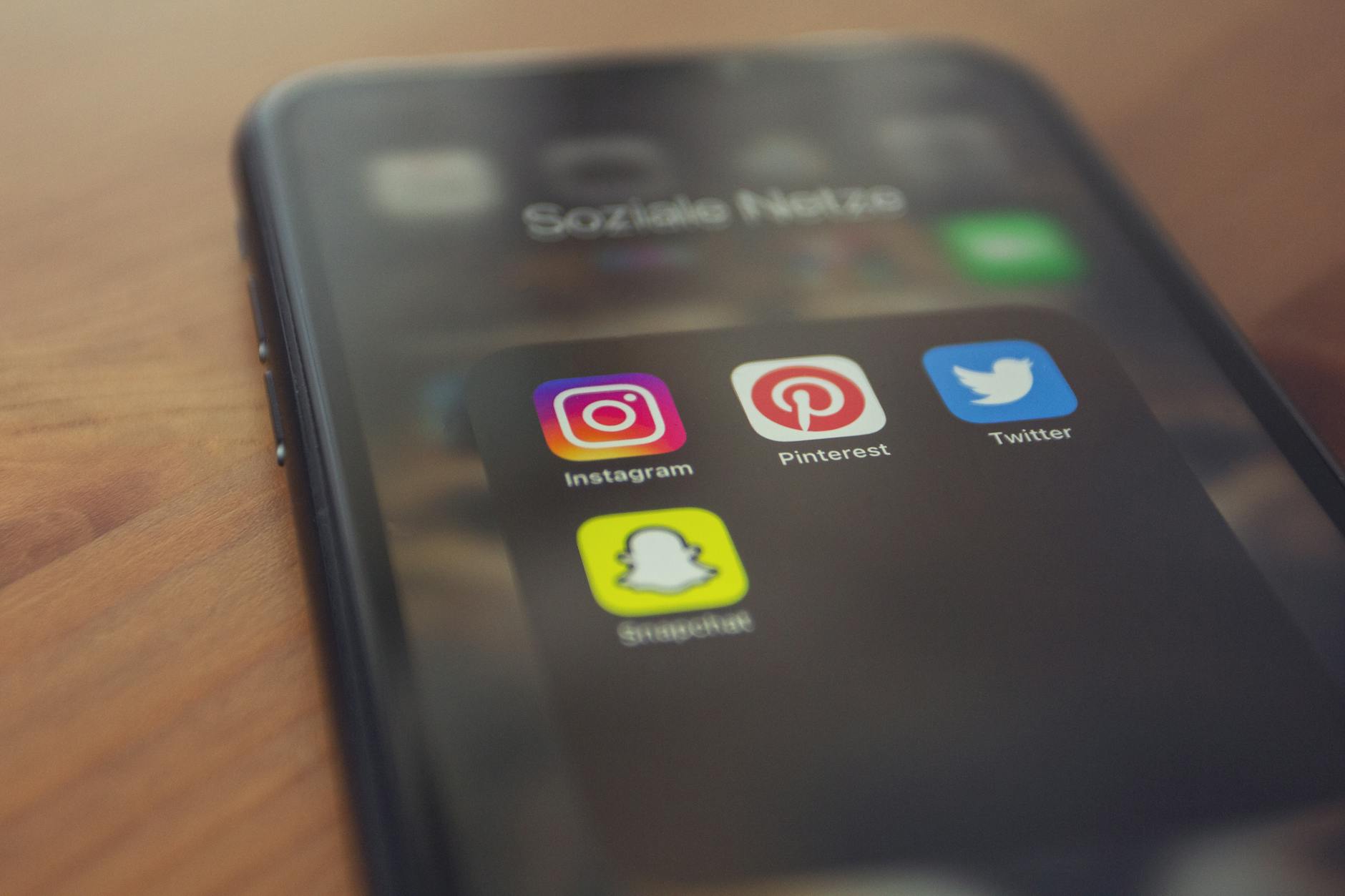
    The recent lawsuits against major social media companies, alleging harm caused by addictive design, have caught my attention and prompted reflection on the nature of social media use in my own life and the lives of those around me. These cases, where courts have held platforms liable for contributing to compulsive behavior, underline the seriousness of an issue that many people still dismiss as trivial or exaggerated. While the plaintiffs in these cases are young individuals claiming mental health impacts, the implications extend far beyond age groups, reaching into adult behavior, family dynamics, and our broader understanding of how technology influences human habits.

    Watching the news coverage and reading about the court’s findings, I couldn’t help but see parallels in my own experiences. People I know, older adults even, exhibit patterns that resemble what the lawsuits describe. Hours spent scrolling, compulsive checking, waking up to engage with content, and frustration or denial when confronted about usage—these are not just habits, they are behaviors characteristic of addiction. It is easy to dismiss such actions as a harmless pastime, but when observed closely, they reveal a persistent pattern where engagement becomes prioritized over rest, social interactions, or personal well-being.

    I have noticed this in someone I know. Their use of online video platforms and other internet content has gradually intensified over the past decade, becoming an almost constant presence in daily life. They often spend hours at the computer, beginning the day by immediately logging in, and sometimes continuing late into the night, even waking in the middle of sleep to resume. Attempts to gently suggest moderation are met with defensiveness or denial, an emotional response consistent with addictive behaviors. While the individual themselves may not perceive a problem, the patterns are clear to others who observe from the outside, highlighting the disconnect between self-perception and observable reality.

    The recognition of social media addiction as a legitimate concern is, in my view, long overdue. Society often underestimates the power of algorithms and design features in shaping behavior. Infinite scroll, autoplay, personalized recommendations, and reward cues exploit the brain’s dopamine pathways, creating a loop that encourages continued engagement. The lawsuits against the platforms are a public acknowledgment that these design features are not neutral; they actively foster compulsive usage. When combined with human susceptibility, these elements create a potent environment for behavioral addiction.

    The personal relevance of these developments extends beyond observation into reflection on responsibility and empathy. Understanding addiction requires recognizing that denial, defensiveness, and minimization are common reactions. People caught in these patterns may genuinely believe their behavior is normal or harmless, even while it disrupts their routines, sleep, or relationships. Witnessing someone close to me exhibit these behaviors has reinforced my belief that social media addiction is not a trivial issue but a legitimate form of compulsive behavior, deserving the same attention and care as other recognized addictions.

    Moreover, these cases raise broader societal questions about accountability. If platforms knowingly design tools that exploit psychological vulnerabilities, what obligations do they have to users? Should there be stricter regulations on engagement-based design, especially when it targets vulnerable populations? The legal precedent being set suggests that responsibility does not lie solely with the individual, but is shared with the entities that engineer the environments in which addiction can flourish. This is a critical shift in perspective, acknowledging that technology is not merely neutral but can shape behavior in profound ways.

    Reflecting on these developments also prompts consideration of preventive measures and support structures. Encouraging self-awareness and moderation, offering alternatives to compulsive usage, and fostering environments where discussion about online habits is normalized are important steps. In personal contexts, this might involve gentle observation and conversation, helping individuals recognize patterns without judgment. On a societal level, it might involve education about digital wellness, access to resources for behavioral management, and public discourse about the ethics of design and its consequences.

    In addition, these lawsuits highlight the universality of addictive tendencies. Addiction does not discriminate by age, occupation, or social status. While the cases focused on younger users, the patterns I observe in older adults demonstrate that susceptibility persists across the lifespan. Prior experiences with other addictive behaviors can also influence vulnerability, reinforcing the need for awareness and proactive strategies in addressing digital consumption. Recognition of these patterns, combined with compassion and practical support, can help mitigate the harm associated with excessive engagement.

    The conversations around social media addiction, legal accountability, and personal observation intersect to create a powerful narrative about modern life. Technology is deeply embedded in our daily routines, yet the potential for harm is significant and often overlooked. These lawsuits serve as both a wake-up call and a validation for those who have long recognized the addictive potential of online platforms. They encourage society to move beyond casual dismissal and toward acknowledgment, understanding, and constructive action.

    On a personal level, seeing the alignment between observed behavior and documented cases strengthens my conviction that intervention, awareness, and dialogue are essential. Addiction thrives in secrecy and denial, but recognition and support can create space for moderation, recovery, and balance. While technology will continue to evolve, the principles of self-awareness, responsibility, and empathy remain crucial in managing the impact of digital tools on human behavior.

    Ultimately, the acknowledgment of social media addiction in the legal realm mirrors the experiences many witness in daily life. Whether it is a young person struggling with compulsive engagement or an older adult exhibiting prolonged, immersive use, the patterns are recognizable and significant. These insights encourage reflection on how society, families, and individuals can approach the challenge, emphasizing compassion, informed dialogue, and practical strategies for healthier interaction with technology.

    As social media continues to shape culture, communication, and personal habits, recognizing its addictive potential is critical. The recent lawsuits highlight not only the responsibility of platforms but also the importance of awareness among users and their communities. Observing addiction in familiar contexts, acknowledging its legitimacy, and fostering strategies for management create pathways toward balance. The conversation is ongoing, both legally and personally, and underscores the need for vigilance, empathy, and proactive engagement in addressing the complexities of digital life.

  • Into the Weeds: Memory, Isolation, and the Fragility of Safety

    Into the Weeds: Memory, Isolation, and the Fragility of Safety

    There is a part of the story of Karina Vetrano that always strikes me, not because of the violence itself, but because of the place where it happened—the weeds. The dense, tangled, quietly isolating weeds near her Howard Beach home, where she went for a jog, are the stage on which this tragedy unfolded. And in many ways, they are familiar. I know them—not in the sense of danger, but as a place my friends and I wandered years before, around 2011, 2012, 2013, 2014. We ventured into those weeds as if they were a world apart from the streets, a private wilderness tucked inside the city.

    At first glance, the weeds were serene. Towering, lush, almost untamed, they offered a quiet calm, a sense of distance from the chaos of our daily lives. The air felt different there. Still. Gentle. You could almost believe the world outside did not exist. There was a rhythm to walking through them, a meditative cadence in the crunch of overgrown stems and the muted rustle of leaves. In that isolation, there was a strange peace, a sort of innocent escape that seemed to exist only for us.

    But that peace was always shadowed by the other reality of the weeds—the evidence of others who had been there, lingering there. Trash, old personal items, the occasional discarded piece of furniture. They told stories that weren’t ours. People had been living in those weeds, or at least seeking refuge there. Perhaps for moments, perhaps for days. Each piece of evidence carried a reminder: this serenity was not absolute. There were secrets in the weeds, as silent and hidden as the wind among the leaves. And in that, a subtle fear lingered.

    The isolation that made the weeds so captivating was the same isolation that made them dangerous. It was easy to imagine, even then, how quickly someone could disappear in such a place, how no one would know. The safety we felt was conditional, fragile, dependent on luck and familiarity. At the time, that realization was abstract, something only partially understood. Only years later, with the story of Karina Vetrano, did the abstract become a terrifying reality.

    In August 2016, Karina Vetrano went for her run. What should have been a simple, everyday act—a jog in her neighborhood—became the last journey she would take. The weeds that once felt like a sanctuary for my friends and me became the scene of a horror too real to comprehend. Chanel Lewis’ crime, his invasion of that space, shattered the illusion of safety those weeds once offered. And even now, reading about the details—the isolation, the density of the foliage, the absence of witnesses—it resonates with a painful familiarity. That could have been any of us. That could have been anyone who sought solitude in the weeds, anyone who stepped off the familiar path and into the quiet of overgrown spaces.

    There is a peculiar tension in spaces like this, a tension between allure and danger. The weeds were beautiful in their own wild way, offering a closeness to nature rare in a city like New York. They offered freedom, the chance to explore, to wander unobserved. But they also held a hidden truth: the same isolation that allows for peace also allows for harm. In those weeds, the world’s indifference is total. No one is watching. No one notices. And in that indifference, the human capacity for violence can manifest unnoticed.

    I remember walking through the weeds with friends, laughing, feeling the soft sway of the plants brushing our arms, feeling invincible in our small bubble of adventure. We would joke about what might be out there—homeless people, animals, even “ghosts” of past trespassers—but the jokes were tethered to a sense of thrill, not true fear. It was a controlled danger, one that let us feel alive without real consequences. Reading about Karina Vetrano, I realize that thrill can be easily disrupted. The line between safe exploration and genuine danger is thin, sometimes impossibly so.

    The weeds also reveal something about human curiosity and resilience. They are spaces that invite us to step outside our routines, to find solitude, to connect with something larger than ourselves—even if that “larger” is only a patch of untamed nature. They offer a mirror of our own capacity for wandering, for risk, for embracing both the beautiful and the frightening. But they also teach humility. We are not masters of the spaces we enter. We are visitors, vulnerable to forces beyond our control.

    Karina’s story, and the violence that occurred in the weeds, underscores the fragility of safety, especially in spaces that appear removed from human oversight. It reminds us that beauty and danger coexist. That serenity can mask peril. That isolation can be both restorative and threatening. And it reminds us, too, of the random contingency of life—the fact that a simple act, like choosing to jog, can intersect with another person’s capacity for harm in ways no one anticipates.

    Reflecting on my own experiences in those weeds, I recognize a blend of nostalgia and fear. Nostalgia for the peace, the quiet adventure, the freedom to explore without consequence. Fear, because the weeds I knew and loved were the same weeds where tragedy struck. They are a space suspended between innocence and horror, a reminder that human life is precarious, even in places that feel safe. And that is a truth that echoes far beyond Howard Beach, beyond Karina Vetrano, beyond my own memories.

    In writing this, I do not wish to sensationalize the violence or claim ownership over her story. Karina Vetrano’s life, and her tragic death, belong to her and her family. What strikes me is the intersection of personal memory with a broader truth: the weeds, these small urban wildernesses, contain stories, histories, and potentials we often overlook. They are sites of quiet exploration and hidden peril, of beauty and risk intertwined. They remind us to approach the world with both curiosity and caution, to honor the spaces that allow for wonder, and to respect the unseen forces that can transform that wonder into danger.

    The weeds teach us, ultimately, about vigilance, about humility, and about empathy. They remind us that the world contains both tranquility and threat, often side by side, and that we navigate our lives within that complex landscape. And they remind us, painfully, that someone like Karina Vetrano—someone running, laughing, living—can encounter danger in a space as deceptively benign as overgrown weeds.

    Walking through those weeds years ago, I felt freedom. Reading about her story, I feel a sobering awareness. The weeds are not just plants; they are mirrors of human experience. They are spaces of choice, risk, serenity, and fragility. They are reminders of how close life and death can be, how ordinary acts can intersect with the extraordinary randomness of human behavior. And they are a place where memory, reflection, and caution meet—a place where we learn, as I have, that even in peace there is a shadow, and that beauty and horror are often inseparable.

  • 2016 Was Not My “Best Year,” Actually

    2016 Was Not My “Best Year,” Actually

    Every so often — and especially in 2026 — I keep seeing this same take float around online: “2016 was the last good year.” People say it like it’s self-evident, like it’s some universally agreed-upon truth carved into the internet’s collective memory. The memes roll in. The nostalgia posts stack up. The playlists get shared. The photos from before everything supposedly went wrong get dusted off and re-uploaded. And every time I see it, I have the same reaction:

    Bruh. Not for me.

    For me, 2016 wasn’t some golden age. It wasn’t a cultural high point. It wasn’t the calm before the storm. It was one of the worst years of my life. And no, I’m not going to get into the why. I don’t need to. I’m not here to trauma-dump or litigate my past for internet points. All I’ll say — and all I need to say — is that there was a lot of drama. The kind that seeps into everything. The kind that makes even normal days feel heavy. The kind that rewires how you remember a year, no matter how many people swear it was “fun.”

    That’s the thing about collective nostalgia: it flattens individual experience. It turns complex, uneven, deeply personal years into aesthetic mood boards. And if you don’t fit into that mood board, you’re left feeling like you somehow experienced reality wrong.

    But reality doesn’t work like that.

    When people talk about 2016 like it was paradise, what they’re really talking about is their 2016 — or maybe an edited version of it. A highlight reel. A time before certain doors slammed shut. A time before the world felt as sharp and openly hostile as it does now. And I get why people cling to that. I really do. But that doesn’t mean it applies to everyone. And it definitely doesn’t mean it deserves to be treated as some objective “best year ever.”

    For me, 2016 was fractured. Messy. Quietly painful in ways that didn’t always announce themselves but never really went away either.

    If I had to describe it without spilling details, I’d describe it through a comparison.

    Think about One Piece. Think about the fight between Luffy and Usopp.

    Not the most dramatic arc in the series. Not the biggest battle. No world-ending stakes. No god-tier villains. Just two close friends, both hurting, both stubborn, both talking past each other, and both convinced they’re right. It’s uncomfortable to watch because it’s grounded. Because it feels real. Because it’s not about evil versus good — it’s about pride, fear, insecurity, and misunderstanding.

    That’s what 2016 felt like to me.

    Not explosive. Not cinematic. Just a slow, grinding emotional conflict that made something familiar feel unstable. Like watching a friendship crack and knowing that even if it heals later, it will never be quite the same. Less dramatic than the anime version, sure — but emotionally similar. That low-grade ache that sticks around long after the argument itself is over.

    And while all that was happening — while I was dealing with my own internal and interpersonal nonsense — the outside world decided to throw in its own mess.

    Because yeah. Trump won his first term that year.

    You can’t talk about 2016 without acknowledging that. Even people who romanticize the year tend to conveniently skip past November, or treat it like a weird footnote rather than a massive rupture. But for a lot of us, that election result wasn’t just shocking — it was disorienting. It cracked something open. It revealed how fragile certain assumptions really were.

    Suddenly, the mask was off.

    The stuff people used to whisper got said out loud. The ugliness that had been lurking under the surface didn’t feel the need to hide anymore. And even if your personal life wasn’t already a mess, the broader atmosphere shifted. There was this background hum of anxiety, disbelief, and anger that didn’t really fade. It just became the new normal.

    So when people say “2016 was the last good year,” I have to ask: good for who?

    Good if you weren’t already struggling.
    Good if the election didn’t directly threaten your sense of safety or future.
    Good if the cracks in your relationships didn’t show yet.
    Good if you could afford to stay nostalgic.

    For me, it was a year of emotional static. A year where joy felt muted and tension felt constant. Even the decent moments were undercut by the sense that something was off. Like standing on ground that hasn’t collapsed yet, but knowing it isn’t stable either.

    What really gets me, though, isn’t just that people loved 2016. It’s how aggressively they insist on it being universally great. There’s this weird pressure baked into the discourse, like if you didn’t thrive that year, you must have missed something. Like you were out of sync with history. Like your pain is an inconvenience to the narrative.

    And that’s bullshit.

    Years don’t belong to the internet. They belong to the people who lived through them.

    Your worst year might be someone else’s peak. Someone else’s “simpler time” might be the period where you were barely holding it together. That doesn’t invalidate their nostalgia — but it doesn’t invalidate your experience either. Both can coexist without one needing to dominate the conversation.

    I think part of why the 2016 nostalgia annoys me so much is that it’s lazy. It turns a complex moment into a shorthand. It treats time like a switch that flipped from “good” to “bad” overnight, instead of acknowledging that for many people, things were already unraveling long before that year ended.

    And honestly? For some of us, 2016 wasn’t the end of something good — it was just the moment we stopped pretending everything was fine.

    Looking back now, from 2026, I don’t feel longing when I think about that year. I don’t feel warmth. I don’t feel like I want to go back. What I feel is distance. Perspective. A quiet recognition that I survived a stretch of time that shaped me, even if it wasn’t kind.

    I don’t need to reframe it as “character development” or “everything happens for a reason.” It sucked. It was hard. And that’s enough. Not every bad year needs a redemption arc. Sometimes acknowledging that a period was rough is its own form of closure.

    So yeah, when folks say 2016 was the best year, I shrug.

    I don’t argue. I don’t correct them. I just know that for me, it was a year of tension, fractured connections, and a world starting to show its teeth. A year that felt like a quiet fight between people who didn’t want to lose each other but didn’t know how to stop hurting each other either.

    A year that didn’t end when the calendar flipped.

    And that’s fine.

    Not every year gets to be remembered fondly. Some years exist simply to be endured. And if 2016 taught me anything, it’s that survival doesn’t always look dramatic — sometimes it just looks like making it to the next chapter, even when the story takes a turn you didn’t ask for.

  • How January 2026 Already Feels Like a Whole Year

    How January 2026 Already Feels Like a Whole Year

    January 2026 has felt like a year within itself. We’re only a few weeks into the month, and yet it feels as if the weight of time has condensed, making every day feel like a chapter in a longer saga. It’s not the typical feeling of a new year’s freshness or the usual optimism that comes with turning the page on a calendar. Instead, there’s something different about this January — something that feels stretched, intense, and heavy. In a way, it’s as if time itself has slowed, forcing us to confront events, thoughts, and emotions that would typically span an entire year.

    In many ways, the events of January 2026 are already overshadowing much of what happened in 2025. Political landscapes have shifted dramatically, tensions around the globe have escalated, and here at home, the pressures of inflation and economic instability are hitting harder than ever before. But it’s not just the news cycle that’s contributing to this sense of a year gone by in only a few weeks. It’s the personal experiences that have compounded — feelings of burnout, reflection, and even disbelief that we’re still in the opening weeks of the year.

    One of the most noticeable shifts is the way we’ve entered this new year with a deep, almost pervasive sense of urgency. It’s as if we all collectively stepped into 2026 already in overdrive, and yet, it doesn’t feel like it’s going anywhere fast. Every news report, every tweet, every political speech feels like it’s dragging us into a vortex, where we are moving through time, but it’s almost as if we’re stuck in place, unable to break free.

    For those of us who have been following the rise in tensions, particularly with global leaders, it’s hard not to feel as though the world is shifting on its axis. The ongoing struggles in the geopolitical sphere seem more intense than ever, yet we remain largely helpless in our ability to steer things back to some semblance of normalcy. The days that stretch before us feel increasingly unpredictable — and it’s that uncertainty that makes it feel as though we’ve been living in this month for an eternity.

    Domestically, in the United States, the feeling of time moving at a crawl isn’t just tied to international events. The political landscape has been in a constant state of flux, with January 2026 seeing a particularly dramatic rise in divisiveness. The public discourse feels increasingly polarized, with each passing day only deepening the rift between opposing sides. If you follow the news, social media, or even just conversations in passing, the arguments feel like they have been stretched across a much longer period of time, even though they are barely weeks old. The sense that we are repeating the same cyclical patterns of dysfunction only adds to the feeling that time is dragging us through endless, monotonous loops.

    Then there’s the personal dimension. January always feels like a time for renewal, for setting resolutions, and for beginning anew. But this year, many of us are facing a familiar sense of exhaustion instead. Whether it’s from the grind of everyday life, the uncertainty in the air, or the weight of the world’s problems hanging over us, there’s a sense that we’re trying to regain a sense of momentum that has been lost. This moment of “new year, new beginnings” has felt like a cruel joke — we’re still reeling from the chaos of 2025, and it seems we have little room to breathe before the next challenge arrives.

    The weight of the first few weeks of January isn’t just external. It’s internal, too. We may have entered this year with intentions to be better, to embrace optimism and new possibilities, but for many, the reality has been more akin to a slow march through a year’s worth of struggles, disappointments, and frustrations. And as much as we try to shake it off, there’s this creeping awareness that we’re already deep into 2026, and the year’s narrative is being written whether we’re ready for it or not.

    One could argue that this feeling is a result of the general acceleration of modern life. Time feels like it moves faster than ever because we are constantly bombarded with information, events, and the demands of a never-ending news cycle. But that explanation doesn’t quite capture the depth of the exhaustion many of us are feeling right now. It’s not just the usual busy schedule or the constant pings of social media that make time feel stretched. It’s something more existential — a feeling of being caught in a constant state of anticipation, always waiting for the next thing to happen, but never truly arriving at a place of calm or closure.

    Part of what makes January feel like an entire year is the sheer number of significant events that have already occurred. Whether it’s political upheaval, the emergence of new social issues, or unexpected global events, the early days of this year have been packed with drama. It’s hard to look at the news without feeling like we’ve already lived through a rollercoaster of highs and lows, only to realize that we’re still in the infancy of the year. It’s as if the events of this month have already been amplified by the urgency of our collective anxiety.

    But perhaps the most telling part of this feeling is the way we’ve been forced to confront the brevity and fragility of life in such a short time. January has not only felt like a year because of the events that have transpired, but because it has brought with it a heightened sense of awareness. The world is not waiting for us to catch up — it’s moving at breakneck speed, and the only choice we have is to try to keep up, or risk falling behind.

    The paradox of time, though, is that even as January feels like an eternity, we also realize that the year is just beginning. The uncertainty and tension that have already defined the start of 2026 are merely a reflection of a larger, ongoing struggle — one that will unfold over the coming months and years. It’s not just that we’ve experienced so much in such a short amount of time, but that the narrative of this year is only beginning. As we look back at the early days of January, we’re left wondering: What will the rest of the year bring?

    This is where the true weight of the moment lies — in the understanding that January 2026, though it feels like an entire year, is merely the first chapter of something much larger. We have yet to experience the full course of what this year will become, but the seeds of its story are already being planted. And for all the discomfort and uncertainty that comes with that, there’s also a sense of inevitability. Time is moving, and whether we’re ready for it or not, we are all swept up in its relentless current.

    By the time the months pass and we look back on this moment, we may find ourselves reflecting on just how much happened in such a brief span. We may even wonder how we survived it, how we made it through the storm of early 2026. But for now, we’re stuck in the thick of it, experiencing each day as though it’s an entire year compressed into a single moment. In a world that never seems to stop moving, January 2026 feels like the longest year we’ve ever lived.

    Fediverse Reactions
  • Thinking Ten Steps Ahead in a World That Keeps Getting Worse

    Thinking Ten Steps Ahead in a World That Keeps Getting Worse

    There was a time when thinking a few steps ahead was considered cautious, maybe even a little anxious. You planned for tomorrow, maybe next week, possibly next year if you were especially organized or ambitious. Now, that mindset feels almost quaint. These days, it feels like you have to think ten steps ahead just to survive emotionally, financially, socially, and sometimes physically. Not because you want to be paranoid, but because the world has repeatedly proven that if you don’t anticipate the bullshit, the bullshit will find you anyway.

    Everything feels more fragile now. Systems that once pretended to be stable are openly cracking. Institutions that were supposed to protect people feel indifferent at best and hostile at worst. The social contract, such as it ever existed, feels like it’s been quietly shredded while everyone argues about whose fault it is. In that kind of environment, reactive thinking isn’t enough. You can’t just wait for things to happen and then deal with them. By the time you’re reacting, you’re already behind, already scrambling, already paying a price you didn’t agree to.

    For me, thinking ten steps ahead isn’t some new survival tactic I picked up during the last few years of chaos. It’s something I’ve been doing for as long as I can remember. Long before the headlines felt apocalyptic, before every week brought a new crisis, before instability became the baseline rather than the exception. I didn’t frame it as strategy back then. It was instinct. It was adaptation. It was what you do when you learn early on that the world doesn’t give you much margin for error.

    When you grow up in environments where things can shift suddenly, where stability is conditional, you learn to read patterns fast. You learn that what people say matters less than what they do. You learn that systems often fail quietly before they fail loudly. You learn to ask, “Okay, but what happens after this?” and then, “What happens after that goes wrong too?” That kind of thinking doesn’t come from pessimism. It comes from experience.

    What’s wild is that the very way of thinking that used to make me feel out of place, overly cautious, or even misunderstood now feels necessary just to function. The world has caught up to the mindset. Everyone is suddenly talking about backup plans, exit strategies, side hustles, digital footprints, contingency savings, mutual aid, community networks, and worst-case scenarios. Things that once made you sound dramatic now make you sound realistic.

    The pace of collapse, or at least perceived collapse, has changed how time itself feels. News cycles move faster, but consequences linger longer. A bad policy decision doesn’t just affect one sector, it ripples across everything. A corporate failure doesn’t just cost jobs, it destabilizes entire communities. A political shift doesn’t just change laws, it reshapes how safe people feel existing in public. In that environment, thinking one step ahead is basically walking blindfolded.

    Thinking ten steps ahead is less about predicting the future perfectly and more about understanding how interconnected everything has become. One disruption triggers another. One ignored warning turns into a full-blown crisis. One “temporary” measure becomes permanent. If you don’t account for that layering effect, you end up shocked over and over again, wondering how things got this bad when the signs were always there.

    For people like me, this kind of thinking isn’t exhausting in the way people assume. What’s exhausting is being told to stop overthinking, to relax, to trust the process, when the process has repeatedly proven untrustworthy. What’s exhausting is watching people dismiss obvious warning signs and then act stunned when those warnings turn into reality. Anticipation, for me, reduces anxiety. It creates mental room. It means fewer surprises, fewer moments of feeling trapped or cornered.

    There’s also a moral dimension to thinking ahead that doesn’t get talked about enough. When you anticipate how things might go wrong, you’re not just protecting yourself. You’re thinking about how your choices affect others. You’re considering who gets hurt first when systems fail, who gets left behind, who doesn’t have the same buffers or privileges. Thinking ahead is an act of empathy in a world that increasingly rewards shortsightedness.

    A lot of modern bullshit thrives on people not thinking past the immediate moment. Corporations rely on consumers not reading the fine print. Governments rely on citizens not connecting today’s policy to tomorrow’s consequences. Social media thrives on outrage without reflection, reaction without analysis. The less people think ahead, the easier they are to manipulate. Anticipatory thinking is quietly subversive in that sense. It makes you harder to control.

    Of course, there’s a cost to it. You see the storm clouds before the rain starts. You feel the tension before others acknowledge it exists. You sometimes sound alarmist even when you’re being measured. You prepare for things that don’t always happen, and people point to that as proof you worried for nothing. What they don’t see is how many disasters were avoided because you were ready, how many times preparation softened the blow.

    The phrase “things are getting worse” gets thrown around a lot, sometimes lazily, sometimes hyperbolically. But even stripping away nostalgia and doomscrolling, there’s a real sense that the margin for error has shrunk. Housing is less forgiving. Work is less secure. Healthcare is more precarious. Social relationships are more strained. One bad break can cascade into multiple crises. In that reality, foresight isn’t optional, it’s adaptive.

    What frustrates me is how often anticipatory thinking is pathologized instead of understood. It gets labeled as anxiety, paranoia, negativity, or trauma response, without acknowledging that sometimes the environment actually is unstable. Sometimes the danger isn’t imagined. Sometimes being calm about obvious risks is the irrational position. There’s a difference between catastrophic thinking and informed vigilance, but that nuance gets lost a lot.

    I’ve spent years watching patterns repeat. Economic cycles that screw the same people over and over. Political promises that evaporate once elections are over. Cultural conversations that pretend to be new while recycling the same power dynamics. Once you see those patterns, you can’t unsee them. And once you can’t unsee them, planning ahead stops feeling optional. It becomes a responsibility to yourself.

    Thinking ten steps ahead doesn’t mean you stop hoping for better outcomes. It means you don’t stake your survival on hope alone. It means you ask hard questions early. It means you build flexibility into your life where you can. It means you don’t assume systems will catch you if you fall, because too often they don’t. That doesn’t make you cynical. It makes you honest.

    There’s also something deeply lonely about this way of thinking. When you’re already mentally preparing for consequences others haven’t even considered, conversations can feel out of sync. You’re talking about long-term impacts while others are focused on immediate convenience. You’re weighing trade-offs while others are chasing reassurance. That gap can create distance, even with people you care about.

    At the same time, it creates a strange clarity. You learn what actually matters when things go sideways. You learn which relationships are resilient and which ones are conditional. You learn what you’re willing to compromise on and what you’re not. Anticipating bullshit forces you to define your values more sharply, because every contingency plan is also a statement about what you’re trying to protect.

    I don’t think everyone needs to think ten steps ahead all the time. That would be unbearable. But I do think we’re living in an era where pretending things will just work out is a luxury many people no longer have. The gap between those who anticipate and those who don’t is widening, not because one group is smarter, but because one group is responding to reality as it is rather than as they wish it were.

    For me, this mindset isn’t about doom. It’s about agency. It’s about refusing to be caught completely off guard by systems that have shown their hand again and again. It’s about choosing preparedness over denial. It’s about staying grounded when the world feels increasingly unmoored.

    If there’s one thing I’ve learned, it’s that thinking ahead doesn’t mean you lose your humanity. If anything, it helps you preserve it. When chaos hits, the people who have thought ahead are often the ones who can still show up for others, who can still offer support, who can still make choices instead of just reacting. That matters more than ever.

    So yes, I think ten steps ahead. I always have. Not because I want the world to get worse, but because I’ve learned what happens when you assume it won’t. And in a time where bullshit feels endless and stability feels conditional, that kind of thinking isn’t pessimism. It’s survival. It’s care. It’s adaptation. And it’s one of the few tools that still feels honest in an increasingly dishonest world.

  • Winter’s Silent Stories: The Stillness That Speaks

    Winter’s Silent Stories: The Stillness That Speaks

    Winter speaks in silence. The world falls quiet, wrapped in a blanket of snow and cold. The stillness invites introspection, forcing us to confront the parts of ourselves we’ve hidden away during the louder, warmer months. The beauty of winter lies in this silence—it forces us to stop and listen, to hear what we’ve been too busy to notice.

    In this post, I reflect on the quiet, almost sacred nature of winter. The world slows down, and so must we. Winter is a time for inward journeys, for sitting with our own thoughts, and for contemplating the year gone by. The cold, while harsh, brings clarity. The absence of noise allows the internal dialogue to take center stage.

    But winter is not without its beauty. The cold forces us to seek warmth, to huddle together, and to find comfort in the simplest of things: the glow of a fire, the warmth of a cup of tea, the stillness of a snow-covered landscape. It is in these moments that winter reveals its stories—the quiet ones that speak to our hearts.

    In this post, I explore the concept of silence as a storyteller. Winter may be quiet, but it is far from empty. It is a time for contemplation, for stillness, and for reflection. Let us embrace this season of silence, for it carries with it stories that speak louder than any words ever could.

  • The Pain of Loneliness: A Deep Dive into Eiichiro Oda’s Quote and the Struggles of an ENFJ

    The Pain of Loneliness: A Deep Dive into Eiichiro Oda’s Quote and the Struggles of an ENFJ

    Introduction

    Eiichiro Oda, the genius behind One Piece, has created a world full of colorful characters, fantastical adventures, and emotional depth. However, one of the most poignant insights from Oda comes from a seemingly simple statement: “Loneliness is more painful than being hurt.” For those of us who connect deeply with others, this sentiment resonates on a profound level. As an ENFJ, someone who places an immense value on relationships and caring for others, I find Oda’s words not just relatable, but also a painful truth that speaks directly to the core of who I am.

    Loss, grief, and loneliness are often portrayed as the darkest shadows of human existence. They touch all of us, whether through the death of a loved one or the quieter, more insidious feeling of being alone despite being surrounded by people. The pain of loneliness is not just emotional; it is a deep, existential ache that burrows into the heart and mind. And for someone like me, who thrives on connection, that loneliness can be unbearable. This essay explores how Oda’s quote reflects my own experiences with loneliness, especially after the loss of my uncle, and how it shapes my understanding of relationships, empathy, and what it means to care for others.


    The Role of Empathy in the ENFJ Personality

    To understand why this quote resonates so deeply with me, it’s important to examine the ENFJ personality. ENFJs are often described as “The Protagonists” or “The Givers” of the Myers-Briggs personality types. We are natural-born nurturers, deeply caring for the well-being of others. Our actions are driven by a desire to support and connect with those around us, whether it’s friends, family, or even strangers. It’s not just that we want to help; it’s that we feel compelled to do so.

    Being an ENFJ means that we often put others’ needs before our own. Our empathy and emotional intelligence can be overwhelming at times, as we absorb the emotions of those we care about. While this allows us to form deep and meaningful connections, it also leaves us vulnerable to the pain of loss and isolation. This is where Oda’s quote hits hard. For an ENFJ, the idea of being alone, disconnected from those we care about, is perhaps one of the most terrifying things we can face.


    The Crushing Weight of Loss

    When I lost my uncle in 2019, it was like the floor dropped out from beneath me. My uncle was not just family; he was a father figure to me. His death was sudden, and I had no preparation for it. Before his passing, I had experienced loss in my life, but it had always felt distant. Losing a pet or a distant relative didn’t leave the same scar. But the death of my uncle was different. It wasn’t just that I had lost someone I loved; it was that a part of my sense of self was ripped away.

    There’s a misconception that people “move on” from grief, but in my experience, grief doesn’t work that way. It lingers. Six years later, I still feel the void that his passing created. There are days when I can feel the loneliness as if it’s a physical presence in the room with me. And while I know that time has softened the sharp edges of that pain, it hasn’t erased it. What Oda’s quote brings to the forefront for me is that the loneliness that comes with loss is more painful than the injury itself. It’s not just the absence of a person; it’s the existential realization that life continues without them.


    The Terrifying Reality of Loneliness

    Loneliness is a paradox. On one hand, I have friends and family who care about me. But on the other hand, there are moments—especially when I am alone with my thoughts—when I feel as though I am entirely isolated. As an ENFJ, my sense of identity is often tied to how I connect with others. And when those connections are disrupted or lost, it leaves me feeling unmoored. I try my best to remain strong, to maintain the facade of someone who has it all together. But in the quietest moments, when I’m alone, the truth is undeniable: I am lonely.

    I’ve come to realize that this feeling is not just about the absence of people around me. It’s about the lack of deep, meaningful connections—the kind that make you feel truly seen and understood. For an ENFJ, loneliness isn’t just about being alone; it’s about not having the emotional intimacy that sustains us. It’s when I can’t share my thoughts, my fears, or my joy with those who matter most that the ache of loneliness becomes unbearable. And that is when Oda’s words ring true for me: loneliness is more painful than being hurt.


    The Fear of Losing Those You Love

    One of the most difficult aspects of caring for others, as an ENFJ, is the ever-present fear of losing them. The fear isn’t just about the pain of their absence; it’s about how that loss will alter me. I often worry about what would happen if something were to happen to my friends or family. The idea that I would have to navigate the world without them is a source of deep anxiety for me. I know that death is an inevitable part of life, and yet, the thought of facing it alone, without the people who make life feel meaningful, is a terrifying prospect.

    In a way, this fear of loss is a manifestation of my empathy. Because I care so deeply about others, I am acutely aware of how fragile our connections are. This sensitivity makes the thought of loneliness even more unbearable. It’s not just the fear of being without someone; it’s the fear of not having anyone to share my life with in the way that I so desperately want to. This fear, at its core, is a reflection of my need for connection.


    The Struggle to Stay Strong

    In the face of this loneliness, I often find myself caught in a struggle. On one hand, I want to be strong, to remain composed, and to keep moving forward despite the pain. On the other hand, there are days when the weight of it all is too much to bear. It’s on these days that I am reminded of just how much I rely on the connections in my life to sustain me.

    Sometimes, I can almost feel the crushing weight of loneliness when I am alone with my thoughts. It is in these moments that the truth of Oda’s words becomes undeniable. Loneliness can sometimes feel more painful than any physical injury. It’s not just a passing feeling; it’s a deep, aching emptiness that clings to you long after the moment has passed. And while I try to stay strong for the sake of my family and friends, there are days when I just have to acknowledge that I am feeling alone—and that’s okay too.


    Conclusion

    Eiichiro Oda’s quote, “Loneliness is more painful than being hurt,” resonates deeply with me, especially as an ENFJ who feels things so intensely. The pain of loss, the fear of loneliness, and the struggle to maintain meaningful connections are all part of the human experience, and they are especially difficult for those of us who are wired to care for others. The fear of being alone, of not having anyone to share our lives with, is a terror that we can’t easily escape.

    But despite the darkness that loneliness can bring, it’s important to remember that the connections we have with others are what make life meaningful. Even in the midst of grief and loss, the love we share with others remains a guiding light. For me, it’s a reminder that even though loneliness is painful, it is also a testament to how deeply I care. And perhaps, in the end, that is what makes the pain worth enduring.

  • They Were Just There, Like They Belonged: NYC’s Shifting Wildlife and the Subtropical Future We Can’t Ignore

    They Were Just There, Like They Belonged: NYC’s Shifting Wildlife and the Subtropical Future We Can’t Ignore

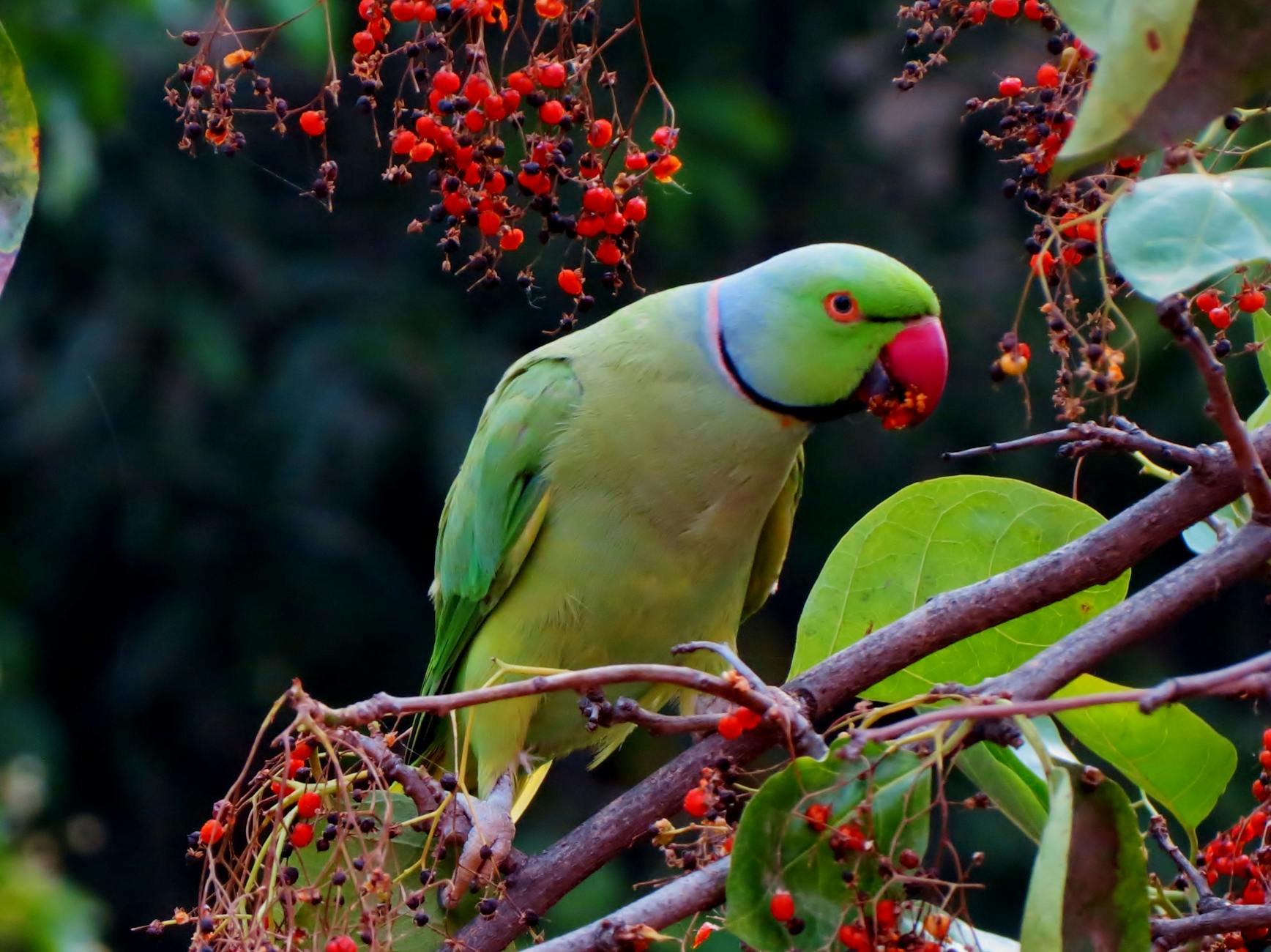
    I never thought I’d be writing a follow-up to New York’s Subtropical Future just two weeks later. And I definitely never thought parrots—actual, living, green parrots—would be the thing to trigger it.

    But here we are.

    It was Sunday, July 27th. I was doing something as ordinary as getting groceries. The air was thick and humid, the sky heavy with clouds—the kind of gray that seems to sink into your skin. On my walk back home, I passed by a tree on the sidewalk. Not one of those ornamental city trees that seem more for show than shade, but a real fruit-bearing one. Apple or pear, maybe. I didn’t get that close because something else caught my attention first:

    Parrots.

    Not one. Not two. But five or six bright green parrots, perched on the branches, squawking and moving around like they owned the place.

    It felt like a glitch in the simulation. Like I’d stepped into a scene that didn’t belong to New York. I froze. Snapped a few pictures with my phone. Tried to act normal even though the moment was anything but. These weren’t escaped pets. They weren’t struggling. They were settled. Thriving. At ease. As if this stretch of sidewalk—this humid, gray, sweltering July day—was exactly where they were meant to be.

    And it hit me: this isn’t just a one-off. This is it. This is the shift.

    When I wrote about New York’s emerging subtropical classification, I was thinking about rain. About climate. About seasons that no longer made sense. But this—this was another layer. Biodiversity. Wildlife. Nature adapting in real time to the human-made chaos we’ve unleashed.

    In the past few years, I’ve heard seagulls far more frequently than I used to—and not just by the water, but deeper into neighborhoods where you wouldn’t expect them. But parrots? That’s different. That’s tropical. That’s a species that isn’t supposed to be here. Yet they are. Not migrating through, not lost—settling in. And maybe that’s what’s so jarring. They weren’t symbols of escape or anomaly. They were evidence.

    Evidence that New York City is no longer just transforming on paper or in temperature charts—it’s transforming in the trees. In the air. In what birds now call this concrete jungle home.

    Years ago, I would’ve written this off. A weird sighting. A story to tell. But now, it fits the pattern. The disrupted, dizzying pattern of a world out of balance. Where tropical birds find urban trees suitable nesting spots. Where familiar becomes foreign in the span of a few years. Where you walk back from a grocery run and find yourself grieving—again—for a city that keeps slipping further into a version of itself you never asked for.

    We’re watching ecological succession unfold in real time. A gradual invasion of the subtropics—not by storm, not by force, but by adaptation. The parrots are adapting. The plants are adapting. The question is: are we?

    This isn’t just about parrots. It’s about what comes after them. What other species might find our warming winters and humid summers ideal? What insects, what diseases, what disruptions? We don’t know yet. But we’re already behind.

    I don’t know what it means to live in a subtropical New York. I don’t know if it ever stops feeling like a stranger’s version of the city. But I do know this: if we don’t treat these moments as the wake-up calls they are, we’re going to lose more than just familiar weather patterns. We’re going to lose the very essence of what made this place livable, resilient, human.

    And if parrots can adjust to this new New York, the least we can do is pay attention.

  • Sharing a Name with a Politician: What I Found When I Googled Myself

    Sharing a Name with a Politician: What I Found When I Googled Myself

    Introduction:
    Google is both a blessing and a curse. Whether you’re looking for inspiration or just killing time, we all end up googling our own names at some point. For me, it was curiosity — who else shares the name Jaime David? I didn’t expect to find much, but I definitely didn’t expect this.

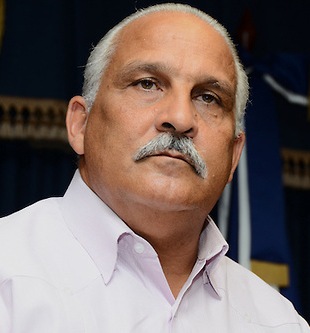
    When I typed in my pen name, I was greeted with Jaime David Fernández Mirabal, a former Vice President of the Dominican Republic and a prominent political figure in his own right. Not exactly what I was hoping for. But let’s be real — it was kind of fascinating. And who knew that the shared name would lead me down a rabbit hole that’s both a little bit funny and a lot insightful?

    What I Learned:
    So, who is this Jaime David Fernández Mirabal? He served as Vice President of the Dominican Republic from 1996 to 2000 under the first government of the Dominican Liberation Party, and later as the Minister for Environment and Natural Resources. His work focused on environmental sustainability, natural resources conservation, and shaping the country’s environmental policies. There’s even some controversy surrounding his work — but, as I learned from the web, politics is a world of controversy, right?

    It was a little jarring to discover that my name was attached to someone with such a public platform. Here I am, trying to make my mark as a writer, and there’s a well-known politician with the same name, not only dominating Google searches but also impacting real-world policies. It definitely made me think about identity and how names can shape us in unexpected ways.

    The Power of Names:
    I’ve always been fascinated by names — the stories they carry, the weight of their histories, and how they influence how the world perceives you. I mean, I chose the pen name Jaime David for a reason. It felt like a balance of strength and creativity. But now, seeing this other Jaime David pop up on every search result made me reflect on how much a name can shape one’s identity.

    It got me thinking about what it must be like to live with a name that’s shared by someone famous or infamous. It can be both a gift and a burden. A name can open doors or create confusion. It can be a tool for success or a constant reminder of someone else’s shadow. And sometimes, it’s just kind of funny.

    Imagining a Different Life:
    Now, as I’m writing this post, I can’t help but imagine: What if I was that Jaime David? What if I were in his shoes, managing environmental policies and making political decisions? What would my life have looked like if I had followed a different path? I suppose I’d have a lot less time to write, and a lot more time in meetings.

    But honestly, I’m kind of glad I’m not that Jaime David. I prefer my world of writing, creativity, and reflecting on the power of words. The whole experience was a reminder that identity is fluid — sometimes a name can mean more than we expect, but we still get to define who we are.

    Conclusion:
    So, there you have it. A simple Google search revealed not only the name I’ve chosen to write under but also a completely different person with a very public life. It’s a strange feeling, but it’s also kind of fun. For now, I’ll just have to share my name with the politician and hope that over time, my Jaime David starts to pop up on search engines a little more.