The Musings of Jaime David
@jaimedavid.blog@jaimedavid.blog

The writings of some random dude on the internet

1,089 posts
1 follower

Tag: psychology

  • Everyone Is a Liar (And That Doesn’t Mean What You Think It Means)

    Everyone Is a Liar (And That Doesn’t Mean What You Think It Means)

    For a long time, I thought the idea that “everyone is a liar” was lazy, cynical, and frankly kind of dumb. It sounded like something people said when they were hurt, jaded, or trying to excuse their own dishonesty. It felt like an overgeneralization, a blunt instrument used to flatten human complexity into a single bitter conclusion. Surely not everyone lies. Surely there are people who tell the truth, who value honesty, who try to live without deception. I believed that. I wanted to believe that. And for years, I did.

    But over time, through lived experience rather than abstract philosophy, that belief eroded. Not all at once. Not dramatically. It chipped away slowly, through conversations that didn’t add up, through silences that spoke louder than words, through contradictions that were never acknowledged, through patterns that repeated themselves across different people, different environments, different power dynamics. Eventually, I reached a different conclusion—not that everyone lies in the same way, or for the same reasons, or with the same consequences—but that truth itself is rarely presented whole. Not because people are universally malicious, but because truth, as lived and expressed by humans, is almost always filtered.

    People mask. People bend the truth. People withhold. People omit. People spin. People distort. People soften. People exaggerate. People minimize. People reframe. People rewrite history in real time, sometimes without even realizing they’re doing it. Some people tell small lies to protect themselves. Others tell larger ones to protect their image. Some lie out of fear. Others out of habit. Some deceive intentionally. Others deceive themselves first, and everyone else second. The lie isn’t always a sharp, obvious falsehood. More often, it’s a partial truth presented as a whole.

    What changed for me wasn’t learning that people lie. It was learning that truth exists on a spectrum.

    At one end of that spectrum is outright fabrication: saying something that is knowingly false with the intent to mislead. This is the kind of lie we’re taught to recognize early in life. This is the villain lie. The easy one. The one we point at and say, “That’s wrong.” But this end of the spectrum is actually less common than we pretend. Not because people are better than we think, but because blatant lies are risky. They’re easier to expose. They require maintenance. They demand memory and consistency. Most people don’t want that burden unless the stakes are high.

    More common is deception through omission. This is where things get murkier. A person tells you something true, but not everything that’s true. They leave out context. They skip the part that makes them look bad. They avoid mentioning the motivation behind their actions. They answer the question you asked, not the one you were actually trying to get at. Technically, they didn’t lie. But you still walked away with a distorted understanding of reality. This kind of dishonesty is socially acceptable, even rewarded. It’s baked into professional life, social etiquette, and self-presentation. It’s how résumés are written. It’s how apologies are framed. It’s how people explain themselves when they want to be understood, but not examined.

    Then there’s truth bending. This is when the facts remain mostly intact, but their meaning is twisted. Events are reframed. Emotions are recast. Intentions are retroactively rewritten. Someone didn’t hurt you on purpose; they were “just being honest.” Someone didn’t abandon you; they were “doing what they had to do.” Someone didn’t lie; they “changed their mind.” Language becomes a shield. The words are technically accurate, but their arrangement is designed to minimize responsibility and maximize self-justification. This isn’t always conscious. Often, it’s a survival mechanism. People want to see themselves as good, reasonable, justified. So they narrate their lives in a way that supports that identity.

    There’s also masking, which is different from lying but often gets lumped together with it. Masking is when people hide parts of themselves to fit in, to stay safe, to avoid conflict, or to meet expectations. They say they’re fine when they’re not. They say they agree when they don’t. They laugh when they’re uncomfortable. They present a version of themselves that feels acceptable, palatable, non-threatening. This isn’t deception in the traditional sense, but it still creates distance from the truth. And when everyone is masking, authenticity becomes rare not because people don’t want it, but because they don’t feel permitted to have it.

    Then there’s self-deception, which might be the most powerful force of all. People lie to themselves constantly. They convince themselves they’re over something they’re not. They tell themselves they don’t care when they care deeply. They believe their own excuses. They rewrite memories to reduce guilt or regret. Once someone has accepted a false version of reality internally, sharing that falsehood with others no longer feels like lying. It feels like telling the truth as they understand it. This is why intent matters less than impact. A person can be sincerely wrong and still cause harm. A person can be genuinely convinced and still be dishonest.

    This is where the idea that “everyone is a liar” becomes more nuanced. It’s not that everyone is scheming or malicious. It’s that human beings are not neutral transmitters of truth. We are interpreters. Editors. Curators. We filter reality through fear, desire, shame, hope, ego, trauma, and social conditioning. Expecting pure, unfiltered truth from people is like expecting water to flow through human hands without changing shape. Something will always be lost, altered, or redirected.

    Power complicates this even further. People with power lie differently than people without it. Those with power often lie to maintain control, legitimacy, or dominance. Their lies are structural. Institutional. Normalized. They become policy, messaging, branding. They are repeated until they feel like reality itself. People without power lie more often to survive. To avoid punishment. To navigate systems that aren’t designed for their honesty. In both cases, the truth is distorted, but the moral weight isn’t evenly distributed. Lying up is not the same as lying down. Withholding the truth to protect yourself is not the same as withholding it to exploit others.

    There’s also the social cost of truth. Full honesty is disruptive. It challenges narratives. It creates discomfort. It forces confrontation. Many relationships, workplaces, and communities are built on unspoken agreements not to dig too deep. Don’t ask that question. Don’t say that out loud. Don’t name that pattern. Don’t connect those dots. People who insist on truth are often labeled difficult, negative, intense, or inappropriate. Over time, even the most honest people learn to soften, delay, or compartmentalize their truth just to function.

    I used to think that truth was binary. Something was either true or false. You either told the truth or you lied. But lived reality doesn’t work that way. Truth has layers. Degrees. Contexts. Timing. Delivery. Intention. Impact. A statement can be factually true and emotionally misleading. A silence can be honest in one context and deceptive in another. A person can tell you the truth as they know it today and contradict it tomorrow without either moment being fully dishonest. This doesn’t mean truth is meaningless. It means it’s fragile.

    Recognizing truth as a spectrum doesn’t mean giving up on honesty. It means redefining it. Honesty isn’t just about factual accuracy. It’s about alignment. About not knowingly presenting a version of reality that benefits you at the expense of someone else’s understanding. It’s about being willing to say “I don’t know,” “I’m not ready,” “I’m conflicted,” or “I’m scared,” instead of hiding behind cleaner, more socially acceptable narratives. It’s about acknowledging when you’re withholding and why.

    The uncomfortable realization is that no one, including me, is exempt. I’ve withheld truths to avoid hurting people. I’ve spun narratives to make my choices seem more reasonable. I’ve minimized feelings I didn’t want to deal with. I’ve delayed honesty until it was safer for me. None of this makes me uniquely bad. It makes me human. The danger isn’t in recognizing that everyone lies in some way. The danger is pretending that some people are pure truth-tellers while others are uniquely deceptive. That belief creates blind spots. It creates trust where skepticism is warranted and skepticism where trust might grow.

    What matters isn’t eliminating all distortion. That’s impossible. What matters is awareness. Knowing that truth is filtered allows you to listen differently. It encourages you to ask follow-up questions. To notice what’s missing. To pay attention to patterns instead of isolated statements. It also encourages compassion. Not the naive kind that excuses harm, but the grounded kind that understands why people struggle with honesty in a world that often punishes it.

    I don’t think the realization that “everyone is a liar” should lead to paranoia or nihilism. It shouldn’t mean assuming everyone is out to deceive you. It should mean letting go of the fantasy of pure transparency. It should mean valuing honesty as a practice rather than a trait. Something people work toward, fail at, and return to. Something contextual, imperfect, and deeply human.

    Truth isn’t a fixed point. It’s a negotiation between inner reality and outer expression. Most people never give you the full truth not because they hate you, but because they’re still trying to survive themselves. Seeing truth on a spectrum doesn’t make the world darker. If anything, it makes it clearer. It replaces moral absolutism with discernment. It allows you to hold people accountable without demanding impossibility. And it reminds you that honesty, real honesty, is less about never lying and more about being willing to face the parts of the truth that are hardest to look at.

  • Seeing the Patterns: How My ENFJ Intuition Helps Me Predict and Perceive

    Seeing the Patterns: How My ENFJ Intuition Helps Me Predict and Perceive

    I’ve always had this strange sense of foresight — not in a mystical or psychic way, but in an intuitive, human way. It’s like I can see the connections between things before they fully form. I can sense how people might act, how situations might play out, how emotions might shift. It’s not that I’m sitting there “predicting the future,” but more that I can feel the direction something’s headed before most others see it.

    And lately, I’ve realized how much of that has to do with being an ENFJ. That personality type — with its mix of empathy, perception, and pattern recognition — seems almost wired for it. ENFJs have this ability to read people, to pick up emotional energy, and to piece together behaviors and intentions like clues in a story. We sense trajectories — emotional, social, and even political ones.

    I’ve noticed it time and time again in myself. I’ll write something or say something that feels like an observation, just me connecting dots — and then, weeks or months later, it actually happens. Like when I wrote about the 2025 government shutdown and the possible extreme outcomes that could come with it. I saw how the energy around it — the way people in power were speaking, the way the media was spinning it, the lack of urgency in leadership — all pointed to something chaotic, drawn-out, and emotionally charged. And sure enough, it unfolded that way.

    Or when I talked about the Hasan dog drama — the whole situation that blew up online and spiraled into bigger conversations about ethics, responsibility, and online image. I felt it coming before it was even big news. You could feel the tension brewing in the tone of his streams, the way people were reacting, the subtle defensiveness in his voice. Something about it just didn’t sit right — the vibe was off. And when you pay attention to vibes as closely as ENFJs do, you notice when the energy of a person or situation shifts from steady to unstable.

    Then there’s the Zohran connection. When I noticed the links between Hasan and Zohran, I knew something was brewing. Even before it went public, I had a sense that the overlap would create ripples — that once the dots were connected on a bigger platform, it would trigger a reaction. I could feel the narrative forming in real time — that instinctive awareness that this wasn’t just a coincidence, but part of a larger unfolding story. And when the connection finally came to light, it wasn’t surprising at all. It was almost expected.

    That’s the thing about intuition — it’s not about guessing. It’s about noticing. It’s about tuning in to emotional energy, patterns in behavior, tone shifts, timing, and context. When you pay attention long enough, you start to see the invisible threads that tie everything together. You start to sense where things are heading — not because you’re magical, but because you’re deeply observant.

    ENFJs have what’s called “extraverted feeling” (Fe) and “introverted intuition” (Ni) — two traits that, when combined, make for a powerful kind of perception. Fe helps us read emotions and social dynamics in the present, while Ni helps us see where those dynamics are going. We feel the emotional undercurrent, then project it forward to imagine what comes next.

    That’s exactly how it feels for me. I can have one conversation with someone and already get a sense of where their mindset is headed — whether they’ll stay grounded, spiral, change direction, or evolve. I can tell when a public figure’s energy is shifting toward burnout or scandal. I can tell when a political situation feels like it’s teetering toward collapse or breakthrough. It’s like seeing a series of dominoes and knowing which way they’ll fall, not because I’ve seen the future, but because I understand the motion.

    It’s not always something I can explain rationally. Sometimes it’s just a feeling — a gut-level awareness. A sense that “something’s about to happen.” And when I reflect back, I realize it was always there — the clues, the energy, the foreshadowing. I just noticed it before it became obvious.

    I think that’s one reason I tend to connect dots others might miss. Because I’m not just analyzing facts — I’m feeling them. I’m picking up the emotional subtext behind events, the human motivations beneath the surface. Politics, media, culture — they’re all human stories. And humans are emotional creatures. Once you understand the emotional rhythm, you can often predict the next beat.

    But this ability also comes with responsibility. Because when you can see patterns so clearly, it can be frustrating when others don’t. You try to explain what you sense, and people might dismiss it until it’s too late. You can feel like the only one seeing the storm clouds while everyone else insists the sky is clear. And yet, you keep noticing, keep feeling, keep sensing. It’s just who you are.

    There’s also the emotional side of it. When you can predict how people might react — or how events might emotionally unfold — it can make you hyper-aware of pain before it even arrives. You can sense a friend’s heartbreak before they admit it. You can feel the tension in a group before it erupts. You can anticipate the backlash before the outrage starts. It’s powerful, but it’s also heavy.

    That’s where balance comes in. Because being intuitive doesn’t mean trying to control what happens — it means understanding and preparing for it. Sometimes the most you can do is acknowledge, “I can feel this coming,” and let things unfold naturally.

    Still, I find it fascinating how often my intuition aligns with reality. Not perfectly, of course — nobody’s right 100% of the time. But when my observations about people or events line up so consistently, it reaffirms that what I’m picking up on is real. That emotional and intuitive awareness has tangible effects.

    Take the political landscape, for example. I’ve written multiple posts about how emotional energy drives public behavior — how fear, anger, and tribal loyalty shape policy and rhetoric more than logic ever could. When you understand those emotional forces, you can predict outcomes not just based on data, but on vibe. Because vibes are data too — subtle, emotional data that reveals where people’s heads and hearts really are.

    It’s the same in interpersonal relationships. You can tell when someone’s interest is fading. You can sense when a friendship is drifting. You can pick up on when someone’s pretending to be fine, when they’re trying to mask insecurity, or when they’re quietly struggling. And because I feel that so strongly, I often end up reaching out at just the right time — sending a message, checking in, or saying something that resonates before they even ask for help.

    That’s the ENFJ way — a blend of empathy, foresight, and intuition that creates this almost predictive understanding of people and events. It’s not logic-based; it’s emotional logic. It’s the logic of human energy.

    What’s interesting, too, is how this ability overlaps with creativity. My brain naturally maps connections — between people, between events, between themes. When I write or analyze something, I’m often pulling from emotional intuition as much as from facts. I might not always know how I know, but I know. And later, when things play out the way I said they would, I realize it wasn’t coincidence — it was clarity.

    Sometimes it feels like living half a step ahead — not in a detached, know-it-all way, but in a deeply connected way. Like standing in a river and feeling the current before it reaches everyone else downstream. You feel it first because you’re paying attention. Because you care. Because you’re listening not just to words, but to energy.

    And that’s the key — listening. Intuition thrives on observation, empathy, and care. You have to actually want to understand people to see them clearly. You have to be willing to feel what they feel. That’s what opens up the channels of perception.

    So when I look back at moments like my predictions about the shutdown, or the Hasan and Zohran situation, or other social and political stories, I realize they weren’t “guesses.” They were natural extensions of paying attention — of feeling patterns and connecting dots that were already there. My ENFJ side just helps me notice those dots sooner.

    In a world where so much feels uncertain, that kind of perception feels grounding. It reminds me that human behavior follows emotional logic, and emotional logic is something you can learn to read. Once you do, you see that so much of what happens isn’t random — it’s the natural unfolding of feelings, choices, and relationships.

    And I think that’s what makes being an ENFJ so interesting — it’s like living at the intersection of heart and foresight. You don’t just understand people; you anticipate them. You don’t just analyze situations; you feel their direction. You don’t just observe — you intuit.

    It’s both a gift and a challenge, but it’s one I’m grateful for. Because it allows me to write with insight, to care deeply, and to sense the shape of things before they take form.

    And maybe that’s what intuition really is — not magic, not prediction, but perception sharpened by empathy.

  • Feeling the Vibe: How I Pick Up on People’s Emotions

    Feeling the Vibe: How I Pick Up on People’s Emotions

    There’s something I’ve come to realize about myself — something I didn’t always have words for, but that’s always been there. I can pick up on people’s emotions. Like, really pick up on them. Even when they’re not saying much, even when the words don’t tell the full story, I can feel it. It’s like I can sense what someone’s feeling underneath the surface. Sometimes I can even guess what they’re about to say, or what they’re holding back from saying.

    It’s not some mystical power or anything. It’s more like a deep form of awareness — an intuitive sensitivity that just comes naturally. And it’s something I think a lot of ENFJs can relate to. We tend to pick up on emotional energy, body language, tone, the pauses between words — all the invisible cues that tell you what’s really going on.

    It’s almost like emotional radar. Someone doesn’t have to say, “I’m upset.” I can feel it in the way their smile tightens, the way their eyes shift, the rhythm of their voice. Or I can tell when someone’s genuinely happy — not because they’re saying all the right things, but because the energy around them feels lighter, freer. It’s in the vibe, the air, the subtle details most people overlook.

    I’ve noticed this ability shows up even in first conversations. I can talk to someone once and already get a read on who they are, what kind of person they might be, how they handle emotions, whether they’re guarded or open, sincere or performative. It’s not about judging them — it’s more about feeling them. Getting a sense of their emotional rhythm.

    I think part of it comes from listening — not just with your ears, but with your presence. When I talk to someone, I’m not just hearing words. I’m observing tone, pace, expression, microreactions. I’m taking in the whole person. It’s almost like I’m tuning into their frequency — feeling the vibrations behind their words.

    And that tuning-in happens naturally. I don’t have to force it or overthink it. It just happens. Someone starts talking, and I start sensing. I can tell when someone’s hiding pain behind humor. I can tell when they’re pretending to be okay. I can tell when they’re tired, or when something deeper is weighing on them.

    It’s not always easy, though. Because when you can pick up on emotions like that, it can be heavy sometimes. You don’t just see what people show — you feel what they don’t show. You pick up the undercurrents, the things unsaid. And when you care deeply — as most ENFJs do — that can get overwhelming. You want to help, to comfort, to make things better. You want to hold space for them. But sometimes people don’t want to be read that way. Sometimes they’re not ready to open up. And you have to respect that, even if you can feel what’s going on.

    Still, I wouldn’t trade this ability for anything. Because it’s also what makes connection so meaningful. When I vibe with someone — really vibe with them — it’s more than just a conversation. It’s resonance. It’s that feeling when both energies sync, when you understand each other without having to explain everything. It’s that unspoken “I get you” that exists beyond words.

    I think this ability has helped me in countless ways. In friendships. In work. In creative projects. Even in writing. It helps me see people — really see them. Their fears, their hopes, their contradictions. It’s like emotional pattern recognition — the way someone’s face tightens when they’re unsure, the way their tone shifts when they’re trying to sound confident but don’t quite believe themselves yet. Those details tell stories words can’t.

    And when you notice them, you start realizing how much of life happens between the lines. We live in a world obsessed with what’s said out loud — statements, posts, declarations. But so much more exists in the subtleties. The quiet moments. The silences. The looks. The energy that passes between people when no one’s talking. That’s where truth often hides.

    It’s funny because people sometimes ask how I can “just know” certain things about them. Like, I’ll say something empathetic, and they’ll pause — almost surprised, like I read their mind. But it’s not mind reading. It’s pattern reading. It’s intuition combined with observation. It’s years of paying attention to human behavior, listening deeply, and feeling the energy in every interaction.

    I think empathy is often misunderstood as simply “feeling for others.” But real empathy — deep empathy — is about feeling with others. It’s about tuning yourself so closely to someone else’s emotional state that, for a moment, you step inside it. You sense what they’re feeling without needing them to explain it. And while that can be emotionally intense, it’s also profoundly beautiful. It’s what makes human connection so raw and genuine.

    As an ENFJ, that’s something that defines me. It’s like this inner compass that guides how I move through the world. I read the room instinctively. I can tell when tension is thick, when someone’s uncomfortable, when someone needs a change in tone. I can adjust, mirror, soften — not to manipulate, but to create safety. It’s almost like emotional choreography — dancing with the energy in the room so everyone feels seen and understood.

    Of course, it’s not perfect. Sometimes my readings are off. Sometimes I project, or misunderstand. Sometimes I pick up an emotion that’s more about me than them. It’s part of being human. Intuition isn’t infallible — it’s a tool, not a guarantee. But more often than not, it leads me somewhere real.

    And honestly, this kind of awareness also helps with compassion. Because when you can sense what people feel, you understand that everyone’s carrying something. That person who seems rude? Maybe they’re scared. The quiet one? Maybe they’re overwhelmed. The one making jokes? Maybe they’re hurting. It changes the way you see people. It softens your reactions. You stop taking things so personally and start responding with care.

    That’s something I’ve learned — sensitivity doesn’t make you weak. It makes you attuned. It helps you navigate human emotions like a musician hearing every note in a song. You become fluent in subtlety. You notice the tremor in someone’s voice, the glance they give when something hits too close. You feel when something shifts in the emotional atmosphere. It’s powerful — not in a controlling way, but in a connective way.

    Sometimes, though, it’s hard to “turn off.” Because when you’re that tuned-in, you can’t help but pick up on tension or sadness around you, even when it’s not directed at you. It’s like walking through an emotional echo chamber — you can feel everything vibrating. That’s when grounding becomes important. You have to remember that not everything you feel is yours. Some emotions you pick up are simply passing through you, like echoes from someone else’s story.

    But the gift of it — the real gift — is understanding. When you can read emotions well, you build trust faster. People feel seen around you. They relax, open up, reveal themselves in ways they don’t around most others. And that’s sacred. That’s what connection is made of — safety and understanding.

    Sometimes I wonder if everyone feels energy this strongly. Maybe some people do, but they ignore it. Maybe others have it, but don’t trust it. For me, it’s like second nature. I can walk into a room and just know the mood. I can sense tension before words even begin. It’s subtle but powerful — and it’s shaped so much of who I am.

    Even online, I can feel it — through messages, tone, phrasing, rhythm. The emotion seeps through. I can tell when someone’s anxious, or pretending to be fine. Words carry emotional fingerprints. You just have to look closely enough.

    It’s something I’ve come to value deeply — this ability to vibe people, to read them, to feel them. Because in a world where so much is superficial and rushed, being able to tune into what’s real feels grounding. It reminds me of what connection actually means.

    At its best, this emotional intuition helps build empathy, trust, and genuine understanding. It helps me be a better friend, listener, writer, and human being. It helps me see beyond appearances — to the person underneath.

    I think that’s the essence of what being an ENFJ is about. Feeling deeply. Understanding naturally. Sensing before knowing. Connecting before speaking.

    And maybe that’s the quiet magic of it all — not just knowing people, but feeling them.

  • Musing Mondays #24: The Strange Comfort of Gaming Rituals

    Musing Mondays #24: The Strange Comfort of Gaming Rituals

    Think about how gamers have all these little rituals — specific snacks, lucky controllers, exact seat positions — that somehow feel like they impact the game.

    Is it superstition? Maybe. But it’s also a way to bring control and focus into a world of randomness and chaos, especially in competitive gaming. When the outcome feels uncertain, rituals create a sense of stability.

    On a deeper level, these rituals build community and identity. Shared habits become inside jokes, bonding players across games and generations.

    Gaming is more than pressing buttons — it’s a culture of meaning-making, where even small acts can feel like magic.

    Fediverse Reactions
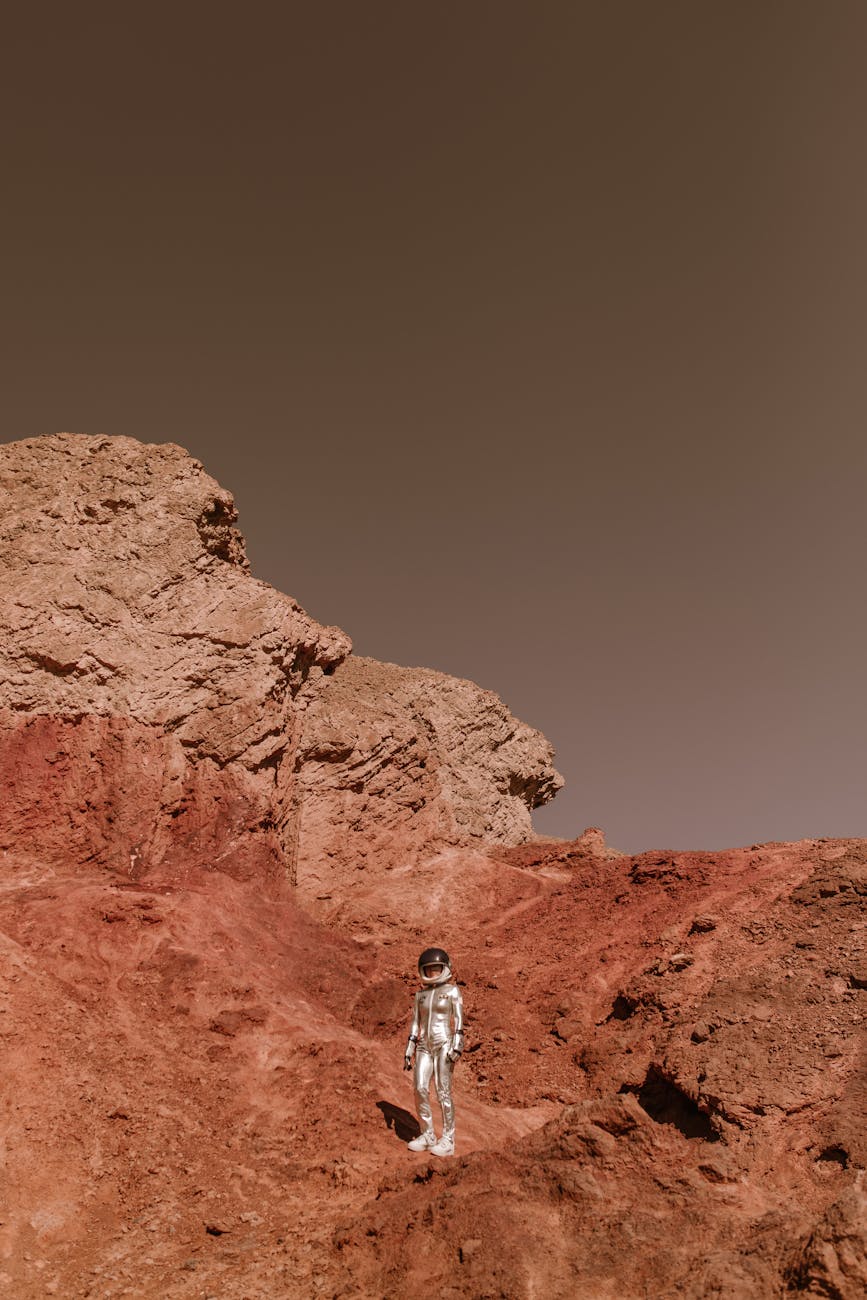
  • Surviving the Storm: How The Martian Could Foreshadow Interstellar’s Dust-Choked Earth

    Surviving the Storm: How The Martian Could Foreshadow Interstellar’s Dust-Choked Earth

    When we watch The Martian (2015), it’s easy to see Mark Watney’s story as a thrilling tale of survival on a distant planet. He battles isolation, resource scarcity, and, most pressingly, Mars’ massive dust storms. Meanwhile, Interstellar (2014) portrays a dying Earth, ravaged by relentless dust storms and agricultural collapse. On the surface, the films seem unrelated — different worlds, different crises, different stakes. But a fascinating fan theory suggests that the Mars mission in The Martian might have been humanity’s trial run for surviving exactly the kind of environmental catastrophe that we see in Interstellar.


    Mars as a Dust Storm Laboratory

    In The Martian, the storm that forces Watney’s crew to evacuate is the inciting incident for his ordeal. The dust isn’t just a dramatic backdrop — it’s a relentless hazard that shapes every aspect of his survival strategy. He must seal habitats, engineer oxygen production, conserve water, and grow crops in harsh, wind-driven conditions. Every improvised solution is a test of human ingenuity under environmental pressure.

    Now imagine if NASA designed the Mars mission with a dual purpose: exploration and environmental research. The goal would be to see how humans could survive and adapt in extreme, dusty conditions — essentially using Mars as a laboratory for techniques that could later be applied to Earth’s declining ecosystems. Every rover drive, every habitat seal, every nutrient calculation becomes a rehearsal for surviving future dust storms on our own planet.


    From Mars Lessons to Earth Survival

    Fast forward to the timeline of Interstellar: Earth is experiencing massive dust storms that devastate crops and threaten global food security. While NASA operates in secrecy, the lessons learned from Watney’s Mars mission — life support, resource rationing, habitat resilience, and psychological endurance — could have informed their plans for humanity’s long-term survival.

    If we accept the headcanon that Watney eventually becomes Dr. Mann, the connection deepens. Mann’s expertise in extreme survival would be informed by firsthand experience on Mars. His ability to assess planetary environments, manage life support systems, and react under intense pressure stems not only from his natural skill but from a “dress rehearsal” on the red planet.


    Psychological Preparation

    Dealing with dust storms on Mars doesn’t just test physical survival — it tests mental resilience. Watney faces isolation, frustration, and the constant threat of failure. This psychological endurance is directly applicable to the high-stakes missions in Interstellar, where astronauts must confront vast distances, near-impossible odds, and the crushing loneliness of space. Watney’s experience shows that surviving the elements is as much about mental fortitude as it is about engineering prowess.


    A Hidden Continuity

    By framing the Mars mission as an environmental experiment, the subtle connections between the two films become compelling. The dust storms in The Martian aren’t just a plot device; they’re a precursor to the challenges in Interstellar. The narrative link suggests a shared universe where human ingenuity and resilience are tested repeatedly — first on Mars, then on a dying Earth, and finally in the uncharted expanse of space.

    Watney’s journey thus becomes more than a thrilling survival story; it’s a blueprint for the survival of humanity itself. Every improvised solution, every adaptation to dust, is a step toward preparing humanity for the world we see in Interstellar.


    Conclusion

    While The Martian and Interstellar were made independently and have distinct stories, imagining the Mars mission as a survival experiment for Earth’s environmental collapse provides a fascinating lens for analysis. It transforms Watney’s adventures into a precursor for Mann’s mission, links the dust storms of two worlds, and adds a layer of thematic continuity to both films. In this light, humanity’s struggle against the elements — whether on Mars or Earth — is a continuous story of adaptation, ingenuity, and resilience.

    Fediverse Reactions
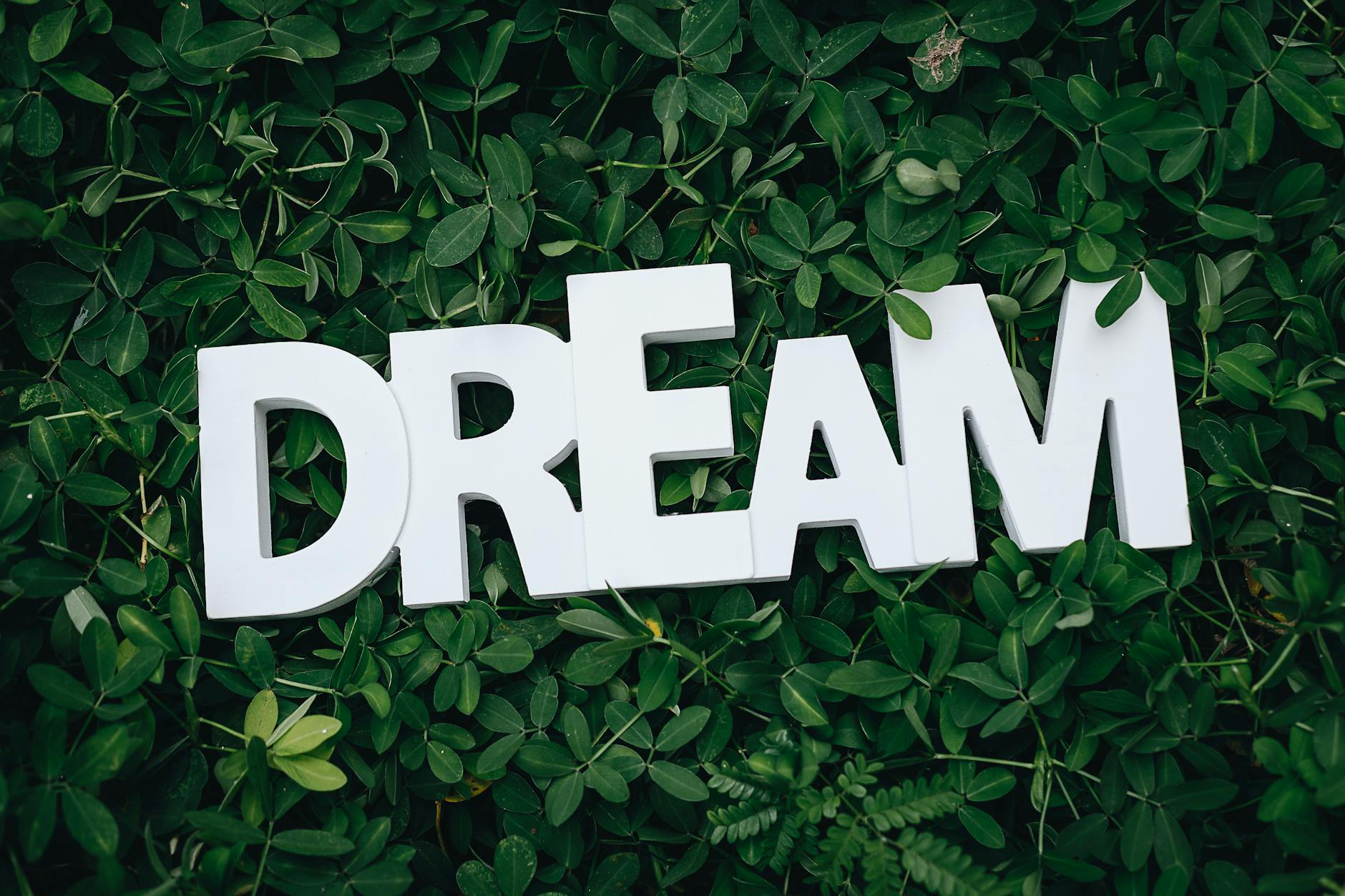
  • Musing Mondays #19: The Curious Case of Forgotten Dreams

    Musing Mondays #19: The Curious Case of Forgotten Dreams

    We spend hours sleeping and dreaming, but the moment we wake up most dreams slip away like sand through fingers. Why do so many dreams vanish instantly, while others stick around for days or even years?

    Are some dreams just mental clutter, quickly discarded as useless? Or maybe our brains protect us by hiding the most confusing or vulnerable parts of ourselves.

    And when we do remember dreams, they’re often bizarre and fragmented — like a half-remembered movie with missing scenes. It’s like our mind’s way of keeping secrets, or maybe just showing us symbolic puzzles.

    Maybe if we learned to catch dreams better, we’d understand ourselves a little more. Or maybe some things are meant to stay mysterious.

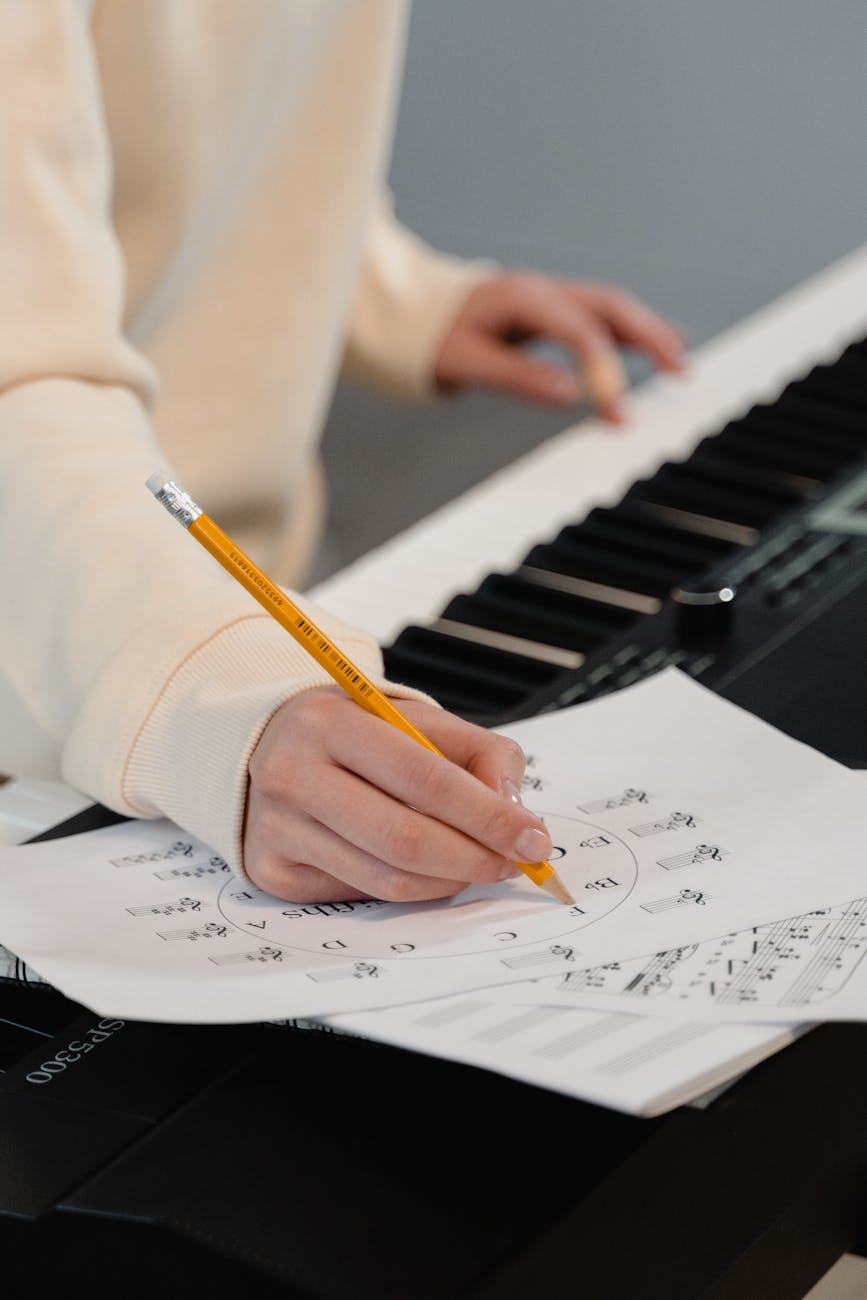
  • Musing Mondays #18: Why Do We Remember Songs Better Than Names?

    Musing Mondays #18: Why Do We Remember Songs Better Than Names?

    Ever notice how you can instantly recall lyrics to a song from 20 years ago but can’t remember the name of the person you just met? Our brains seem wired to hold onto melodies and rhythms tighter than simple facts.

    Maybe it’s the emotional hooks music creates — melodies attach themselves to feelings, memories, moments. Names, on the other hand, are abstract, arbitrary labels we struggle to attach meaning to.

    It makes you wonder how much more effective communication could be if we treated names more like songs—something catchy, meaningful, repeatable. Or maybe that’s why nicknames and inside jokes stick so well — they have rhythm and story baked in.

    Music as memory feels like a reminder: we don’t just need info, we need connection to remember.

  • Musing Mondays #15: We Don’t Actually Hate Ads—We Hate Repetition

    Musing Mondays #15: We Don’t Actually Hate Ads—We Hate Repetition

    It hit me the other day: we don’t hate all ads. We hate bad ads. The ones that feel like we’re being stalked online by a toothpaste company. The ones that blare the same ten-second jingle like it’s trying to hypnotize us. But like… have you ever watched a good commercial and thought, “Wait… I kinda liked that”?

    Because storytelling? Fire. Music? Catchy. Visuals? Crisp. Sometimes an ad hits all the marks and low-key makes us emotional. But the second we see it for the third time in an hour—rage. Why? Because repetition breaks enchantment. What once felt like art starts to feel like an invasion.

    So maybe our real problem isn’t ads at all. Maybe it’s the system that forgets we’re human. That assumes spamming equals persuading. That doesn’t understand that attention is a conversation, not a hostage situation.

  • Musing Mondays #12: The Invisible Energy of Social Awkwardness

    Musing Mondays #12: The Invisible Energy of Social Awkwardness

    Social awkwardness is weirdly powerful. It’s like static electricity in a crowded room — you can feel it, but no one talks about it directly. It disrupts the flow, makes people hesitate, and sometimes creates invisible walls between us.

    But here’s the thing: social awkwardness often comes from wanting to connect so badly that we get tangled in our own nerves and thoughts. It’s not rejection; it’s just humanity stumbling over itself.

    What if instead of fighting it, we saw awkwardness as a sign that connection matters? That the discomfort means we care about being seen and accepted? Maybe the awkward moments are actually some of the most honest ones.