The Musings of Jaime David
@jaimedavid.blog@jaimedavid.blog

The writings of some random dude on the internet

1,168 posts
1 follower

Tag: social media

  • Federating Substack? Apparently You Can.

    Federating Substack? Apparently You Can.

    For the longest time, I assumed that if you wanted a blog connected to the fediverse, you needed something like WordPress, Blogger, Mastodon, or another platform that was already known for federation support. Substack never really came to mind. In my head, it existed in its own separate ecosystem, disconnected from the wider fediverse.

    Recently, though, I discovered something that genuinely surprised me.

    Through a bit of experimentation, I found out that you can connect a Substack publication to Bridgy Fed and effectively federate your Substack blog. That means your posts can become accessible through the fediverse in a way that I honestly did not think was possible. It was one of those moments where I stumbled across a feature almost by accident and immediately thought, “Wait, more people should know about this.”

    The fediverse has become increasingly interesting to me over the years because it offers an alternative way of distributing content. Instead of relying entirely on centralized platforms, federation allows content to flow across interconnected services. A post made in one place can be seen and interacted with from another. For bloggers, that can potentially mean reaching readers who may never have otherwise discovered their work.

    I already knew that WordPress blogs could be federated. Depending on the setup, WordPress users have had federation options available for quite some time. Blogger blogs can also be connected through services like Bridgy Fed. There are various platforms and websites that can be brought into the fediverse ecosystem if you are willing to spend a little time configuring them.

    What surprised me was seeing Substack join that list.

    Substack is often thought of primarily as a newsletter platform. While many creators use it as a traditional blog, the platform itself does not market federation as one of its major features. Because of that, I never really considered the possibility that my Substack content could become part of the fediverse.

    Yet after experimenting with Bridgy Fed, it appears that it can be done.

    For bloggers who care about discoverability, digital independence, and alternative distribution methods, this could be a valuable tool. A lot of writers spend enormous amounts of time trying to figure out how to get their content in front of new readers. Some focus on social media. Others focus on search engines. Some use email newsletters. Federation adds another potential avenue for people to encounter your work.

    Of course, federation is not a magic solution. Connecting your blog to the fediverse is not going to suddenly bring thousands of readers overnight. Just like every other platform, building an audience still requires consistency, quality content, and engagement. However, it does create another pathway for people to find what you are writing.

    I also think there is a broader lesson here about experimentation.

    Sometimes we make assumptions about what platforms can and cannot do. We develop a mental list of capabilities and limitations and rarely revisit them. Then one day we click around, try something new, and discover that the landscape has changed.

    That is essentially what happened here.

    I assumed Substack and federation lived in separate worlds. It turns out that assumption was wrong.

    So if you have a Substack publication and have ever wished it could participate in the fediverse ecosystem, you may want to look into Bridgy Fed. You might discover, as I did, that federation is more accessible than you thought.

    The internet is constantly evolving. New tools appear. Existing tools gain new capabilities. Connections that seemed impossible a few years ago become surprisingly straightforward. Sometimes the only way to find those possibilities is to experiment and see what happens.

    In this case, that experimentation led me to a discovery that I suspect many bloggers may not know about yet: yes, you can federate a Substack blog.

    And honestly, I think that is pretty cool.

  • The Struggle of Consistency: When You Have Too Much to Say and Sometimes Need a Break

    The Struggle of Consistency: When You Have Too Much to Say and Sometimes Need a Break

    One of the biggest misconceptions people have about blogging is that inconsistency always comes from a lack of ideas. People imagine the writer sitting in front of a blank screen, staring at an empty document, desperately trying to think of something, anything, to write about. Sometimes that does happen. Writer’s block is real. But for me, that is rarely the problem. If anything, I have the opposite issue. I often have too many ideas, too many topics, too many directions I could take. Instead of wondering what to write about, I find myself wondering which of the dozens of possible topics deserves my attention first.

    When you run multiple blogs, that challenge becomes even more noticeable.

    I have my main blog, The Musings of Jaime David, but I also have several other blogs focused on different subjects. There is my politics and news blog, The Interfaith Intrepid. There is my mental health blog, Let’s Be Different Together. There is my music blog. There is my science blog. There is my gaming blog. There are platforms like Medium. There are social media accounts. There are podcasts. There are countless places where ideas can potentially become content.

    At first glance, that sounds like an incredible advantage. More outlets mean more opportunities to create. More opportunities mean more chances to reach people. More chances to reach people mean more opportunities to build communities and conversations.

    And all of that is true.

    The problem is that every new platform and every new blog also creates another place where content could be posted.

    A political news story breaks. Should I write about it on The Interfaith Intrepid?

    I have a thought about creativity. Should that go on The Musings of Jaime David?

    I discover an interesting scientific topic. Does that belong on the science blog?

    I have thoughts about a game I recently played. Should that become a gaming article?

    I find a song that inspires me. Is that something for the music blog?

    Then there are the ideas that overlap multiple categories. Some posts could fit in two or three places simultaneously. Some topics touch on politics, psychology, science, and culture all at once. Deciding where something belongs can become its own task before the writing process even begins.

    People often assume that having many ideas makes consistency easier. In some ways it does. But in other ways it creates a different kind of challenge.

    Imagine standing in front of a restaurant menu that contains three options. Making a decision is relatively simple.

    Now imagine standing in front of a menu containing five hundred options.

    Suddenly choosing becomes harder.

    That is sometimes what blogging feels like.

    There are days when I have ten potential articles in my head before breakfast. There are days when I could easily draft multiple posts on entirely different subjects. There are days when my notes are overflowing with future ideas.

    Yet paradoxically, those can be the days when nothing gets published.

    Not because there is nothing to say.

    Because there is too much to say.

    Every potential article competes with every other potential article for attention.

    Should I write about the thing that is timely?

    Should I write about the thing I am passionate about?

    Should I write about the thing that people are most likely to read?

    Should I write about the thing that has been sitting in my drafts for six months?

    Should I write about the thing that is personally meaningful even if nobody else cares?

    Sometimes all those questions create enough friction that I end up writing nothing at all.

    Another reality that many readers do not see is that blogging is not just writing.

    People see a finished article and naturally focus on the words.

    What they do not always see is everything surrounding those words.

    Research takes time.

    Fact-checking takes time.

    Editing takes time.

    Formatting takes time.

    Creating images takes time.

    Finding tags takes time.

    Sharing posts takes time.

    Responding to comments takes time.

    Maintaining multiple platforms takes time.

    Managing social media takes time.

    Even deciding what to write can take time.

    A thousand-word article might only take an hour to draft. But everything surrounding it can easily double or triple that investment.

    When you multiply that across multiple blogs, multiple audiences, and multiple platforms, the workload grows quickly.

    And sometimes life exists outside blogging.

    That might sound obvious, but creators often feel pressure to act as though content creation is their entire existence.

    People have jobs.

    People have families.

    People have responsibilities.

    People have appointments.

    People have stress.

    People have days when they are tired.

    People have days when they simply do not feel like writing.

    That last one is important.

    Not every break needs a dramatic explanation.

    Sometimes you are exhausted.

    Sometimes your brain is tired.

    Sometimes your creativity needs space.

    Sometimes you want to spend a day doing literally anything except writing.

    And that is okay.

    The internet has created a culture where consistency is often treated like a sacred commandment.

    Post every day.

    Upload every day.

    Stay active every day.

    Engage every day.

    Never disappear.

    Never slow down.

    Never stop.

    Algorithms reward consistency, so there is some practical truth behind that advice. But human beings are not algorithms.

    Human beings get tired.

    Human beings need rest.

    Human beings need room to breathe.

    I think many creators struggle with guilt whenever they take breaks.

    I know I sometimes do.

    You look at your blogs.

    You look at your drafts.

    You look at your ideas.

    You know there are things you could be writing.

    You know there are articles that could be published.

    You know there are readers waiting.

    And yet part of you simply wants to step away for a little while.

    The guilt starts whispering.

    “You should be writing.”

    “You are falling behind.”

    “You are wasting time.”

    “Other creators are posting.”

    “You are losing momentum.”

    Maybe sometimes those concerns are legitimate.

    But sometimes the healthiest thing you can do is ignore them.

    Because burnout helps nobody.

    A burned-out writer is not more productive.

    A burned-out writer is not more creative.

    A burned-out writer is not producing their best work.

    A burned-out writer is simply exhausted.

    One thing I have learned over time is that breaks are not necessarily the enemy of creativity.

    In many cases, they are part of creativity.

    Some of my best ideas have arrived when I was not actively trying to write.

    They arrived while walking.

    They arrived while listening to music.

    They arrived while watching a movie.

    They arrived while scrolling through random conversations online.

    They arrived while doing absolutely nothing related to blogging.

    Creativity often needs input.

    If all you ever do is produce, eventually the well starts running dry.

    Sometimes you need to refill it.

    That means reading.

    That means learning.

    That means experiencing life.

    That means stepping away from the keyboard.

    Ironically, taking a break from writing can sometimes make you a better writer.

    Another challenge with running multiple blogs is that every blog represents a different version of your interests.

    I am not just one thing.

    Most people are not.

    Human beings are complicated.

    We contain countless interests, passions, curiosities, frustrations, and obsessions.

    Some days I am interested in politics.

    Some days I am interested in science.

    Some days I am interested in music.

    Some days I am interested in philosophy.

    Some days I am interested in gaming.

    Some days I want to write about personal experiences.

    Some days I want to write about society.

    Trying to balance all those interests can be difficult.

    If I spend too much time on one blog, another blog sits dormant.

    If I focus heavily on one subject, another subject gets neglected.

    There are only so many hours in a day.

    No matter how many ideas exist, time remains limited.

    I think readers sometimes assume creators have a master plan behind everything.

    The reality is often much messier.

    Sometimes content schedules are carefully planned.

    Sometimes they are not.

    Sometimes a post comes together because inspiration struck at exactly the right moment.

    Sometimes a post exists because it was sitting unfinished in drafts for months.

    Sometimes a post exists because I finally decided to stop overthinking and hit publish.

    The truth is that blogging is often less organized than people imagine.

    And honestly, that is part of the beauty of it.

    Blogs are living things.

    They evolve.

    They change.

    They grow alongside the people creating them.

    My blogs today are not identical to what they were years ago.

    My interests have changed.

    My perspectives have changed.

    My writing style has changed.

    My goals have changed.

    And that evolution will probably continue.

    That is another reason I try not to obsess over perfect consistency.

    Consistency matters.

    I am not denying that.

    Showing up matters.

    Building trust with readers matters.

    Maintaining momentum matters.

    But there is a difference between consistency and rigidity.

    Consistency means continuing the journey.

    Rigidity means refusing to adapt.

    I would rather occasionally take a break than force myself to produce content I do not care about.

    I would rather publish something meaningful than publish something merely because a schedule demands it.

    I would rather maintain my enthusiasm for writing than turn blogging into a chore.

    Because the moment writing becomes nothing but obligation, something important gets lost.

    The passion starts fading.

    The excitement starts fading.

    The curiosity starts fading.

    And those things are often what attracted readers in the first place.

    At the end of the day, all of my blogs exist because I have things I want to talk about.

    They exist because I enjoy sharing ideas.

    They exist because I enjoy exploring different topics.

    They exist because I enjoy connecting with people.

    That remains true whether I publish three articles in a week or take a brief break from posting.

    The ideas are still there.

    The passion is still there.

    The curiosity is still there.

    Sometimes the ideas come faster than I can write them.

    Sometimes there are so many possibilities that choosing becomes difficult.

    Sometimes life gets busy.

    Sometimes energy runs low.

    Sometimes I need a break.

    And honestly, I think that is perfectly normal.

    The pressure to constantly create can make us forget that creators are people first and content producers second.

    Blogs are important to me.

    Writing is important to me.

    The communities surrounding my work are important to me.

    But none of those things change the fact that I am still a human being.

    A human being with limited time.

    A human being with limited energy.

    A human being with countless interests competing for attention.

    A human being who occasionally needs to step away from the keyboard.

    The funny thing is that every time I take one of those breaks, the same thing eventually happens.

    Ideas start piling up again.

    A headline catches my attention.

    A thought appears in my mind.

    A conversation sparks inspiration.

    A topic starts demanding to be explored.

    Before long, I am back at the keyboard with more things to write than I can possibly keep up with.

    Not because I forced myself.

    Not because I followed some productivity formula.

    Not because an algorithm demanded it.

    But because the desire to create eventually returned on its own.

    That is why I am learning to be more accepting of those periods when writing slows down.

    They do not mean the creativity is gone.

    They do not mean the blogs are dead.

    They do not mean I have run out of things to say.

    In many cases, they simply mean I am taking the time necessary to recharge before the next wave of ideas arrives.

    And if there is one thing I have learned from running multiple blogs and maintaining a main blog for years, it is this: sometimes having too much to say can be just as overwhelming as having nothing to say at all. The challenge is not always finding ideas. Sometimes the challenge is choosing between them, giving yourself permission to rest, and trusting that the words will still be there when you come back.

    Fediverse Reactions
  • Stop Turning Private Facebook Groups Public

    Stop Turning Private Facebook Groups Public

    There is a trend on Facebook that drives me absolutely insane, and it seems to happen over and over again. A group starts out private. People join it because it is private. The privacy is literally part of the appeal. The group grows. The community develops. People become comfortable posting there. They share opinions, stories, frustrations, hobbies, interests, and sometimes personal experiences that they would never throw onto a fully public page. Then one day, out of nowhere, the admins decide to flip a switch and make the group public.

    Why?

    Seriously, why?

    I do not understand this obsession some Facebook group owners seem to have with taking something that was intentionally private and turning it into a public spectacle. If I wanted to post in a public group, I would have joined a public group. The fact that it was private was the entire point.

    What makes this especially frustrating is that private groups create a different atmosphere. People interact differently when they know their posts are being shared within a contained community. It is not that they are hiding something. It is that they understand context matters. A private group feels more like a conversation among members. A public group feels like standing in the middle of a crowded street with a megaphone.

    The difference is huge.

    When people join a private group, they often do so with the expectation that discussions are largely staying within the walls of that community. Sure, nothing on the internet is ever truly private, but there is still a meaningful distinction between a group that requires membership to view content and one where literally anyone can browse through posts without joining. That distinction matters.

    Yet somehow, some admins seem to reach a point where they decide visibility is more important than community.

    Suddenly, growth becomes the priority.

    Suddenly, engagement becomes the priority.

    Suddenly, attracting outsiders becomes the priority.

    And the people who originally joined because the group was private get completely ignored.

    It feels like a bait and switch.

    You join one thing and end up getting another.

    Imagine signing up for a small local club because you like the atmosphere, only for the organizers to eventually tear down all the walls and invite the entire city to wander through whenever they want. At that point, it is not really the same club anymore.

    The thing that annoys me the most is how often this decision gets justified as if it is automatically positive.

    “We want more visibility.”

    “We want more people to discover us.”

    “We want to grow the community.”

    Okay.

    Not every community needs to grow forever.

    Not every group needs to become massive.

    Not every corner of the internet needs to optimize itself for maximum exposure.

    Sometimes smaller is better.

    Sometimes limited access is better.

    Sometimes privacy is better.

    Why is that such a difficult concept for people to understand?

    There seems to be this modern internet mentality that everything must constantly expand. Every page must gain followers. Every channel must gain subscribers. Every group must gain members. Every community must become bigger than it was yesterday.

    But bigger does not always mean better.

    In fact, many times it means worse.

    As groups get larger, discussions become less personal. The sense of familiarity disappears. More trolls show up. More arguments happen. More spam appears. More low-effort content floods the feed. More outsiders enter who do not understand the culture that originally made the group enjoyable.

    The very thing that attracted people in the first place starts disappearing.

    I have seen this happen repeatedly.

    A niche group starts out great.

    People know each other.

    Conversations are interesting.

    There is a sense of trust.

    Then growth becomes the obsession.

    The group explodes in size.

    The atmosphere changes.

    The quality drops.

    The original members start leaving.

    And everyone acts surprised when the community is no longer what it once was.

    Well, what did you expect?

    You changed the entire structure of the environment.

    Of course things changed.

    What really gets me is that many group admins seem to underestimate how much privacy itself is a feature.

    Privacy is not merely a setting.

    Privacy is part of the product.

    Privacy is part of the experience.

    Privacy is part of what people are signing up for.

    When you remove that, you are not simply tweaking a setting. You are fundamentally altering the nature of the group.

    Some people join support groups because they are private.

    Some people join hobby groups because they are private.

    Some people join local community groups because they are private.

    Some people join discussion groups because they do not want every random stranger on Facebook reading their posts.

    These are perfectly reasonable preferences.

    Yet they often get treated as an afterthought.

    The assumption seems to be that everyone should be excited about increased visibility.

    I am not.

    A lot of people are not.

    If anything, the internet has become increasingly exhausting because everything is public.

    Every opinion becomes content.

    Every discussion becomes content.

    Every interaction becomes content.

    Every conversation becomes something that can be screenshotted, shared, reposted, and spread beyond its original context.

    Private groups offer at least some relief from that.

    Or at least they are supposed to.

    Then they get turned public.

    And suddenly the thing that made them appealing is gone.

    Another thing that bothers me is the lack of respect for existing members when these decisions are made.

    Sometimes admins will post an announcement.

    Sometimes they will not.

    Sometimes they act like it is no big deal.

    But it is a big deal.

    People joined under one set of expectations.

    Changing those expectations deserves serious consideration.

    At the very least, there should be meaningful input from the members.

    At the very least, there should be transparency.

    At the very least, there should be recognition that some people specifically chose the group because of its privacy settings.

    Instead, it often feels like a top-down decision where members are expected to simply accept it.

    Well, maybe they do not want to accept it.

    Maybe they joined for a reason.

    Maybe privacy was not some minor detail buried in the fine print.

    Maybe it was the entire selling point.

    And honestly, I am tired of seeing it happen.

    Every time I find a good group, there is this lingering concern in the back of my mind.

    Will this stay private?

    Or is it eventually going to follow the same pattern?

    Because I have watched it happen enough times that it feels predictable.

    The group gets bigger.

    Admins start talking about growth.

    More people arrive.

    The idea of going public gets floated.

    Then eventually it happens.

    And another private space disappears.

    It is frustrating because the internet already has an abundance of public spaces.

    There is no shortage of places where anybody can walk in and see everything.

    Those spaces already exist.

    They are everywhere.

    Private groups are one of the few alternatives.

    So why keep eliminating them?

    Why keep converting them into the exact thing they were supposed to be different from?

    Not every community needs to chase visibility.

    Not every community needs to chase metrics.

    Not every community needs to become an open-access attraction.

    Some communities work precisely because they are more contained.

    Some communities work precisely because members feel comfortable.

    Some communities work precisely because there is a barrier to entry.

    That barrier is not always a bad thing.

    In many cases, it is the reason the group functions well in the first place.

    And yes, I know admins technically have the right to run their groups however they want.

    That is not really the point.

    The point is that just because you can do something does not mean it is a good idea.

    The point is that if people joined because the group was private, maybe respect that.

    Maybe recognize that privacy is valuable.

    Maybe understand that not everyone wants maximum exposure.

    Maybe stop treating public visibility as the ultimate goal of every online community.

    Because for some of us, it is not.

    For some of us, the entire appeal is that the group is not public.

    For some of us, the appeal is having a space that feels at least somewhat separated from the endless performance culture that dominates social media.

    For some of us, the appeal is being able to participate without feeling like every comment is being broadcast to the entire internet.

    And when a private group suddenly goes public, that appeal disappears.

    So to the Facebook group admins who keep doing this, I have a simple request.

    Stop.

    Just stop.

    If the group started private, maybe leave it private.

    If people joined because it was private, maybe respect that.

    If the community works as a private community, maybe do not fix what is not broken.

    The internet already has more public spaces than anyone could ever reasonably use. Not everything needs to become one more public stage.

    Sometimes a private group should stay exactly what it was meant to be.

    Private.

  • The Absolute Rage Induced by “K.”

    The Absolute Rage Induced by “K.”

    Daily writing prompt
    What’s a word or phrase that annoys you?

    There are many phrases in this world that annoy me. Corporate buzzwords. Fake positivity. Passive aggressive nonsense. People saying “we should totally hang out sometime” when both of you know that is never happening. But there is one response, one microscopic combination of letters, one digital communication war crime that rises above the rest. One phrase so unbelievably lazy, dismissive, cold, and irritating that every time I see it, a tiny part of my soul flatlines.

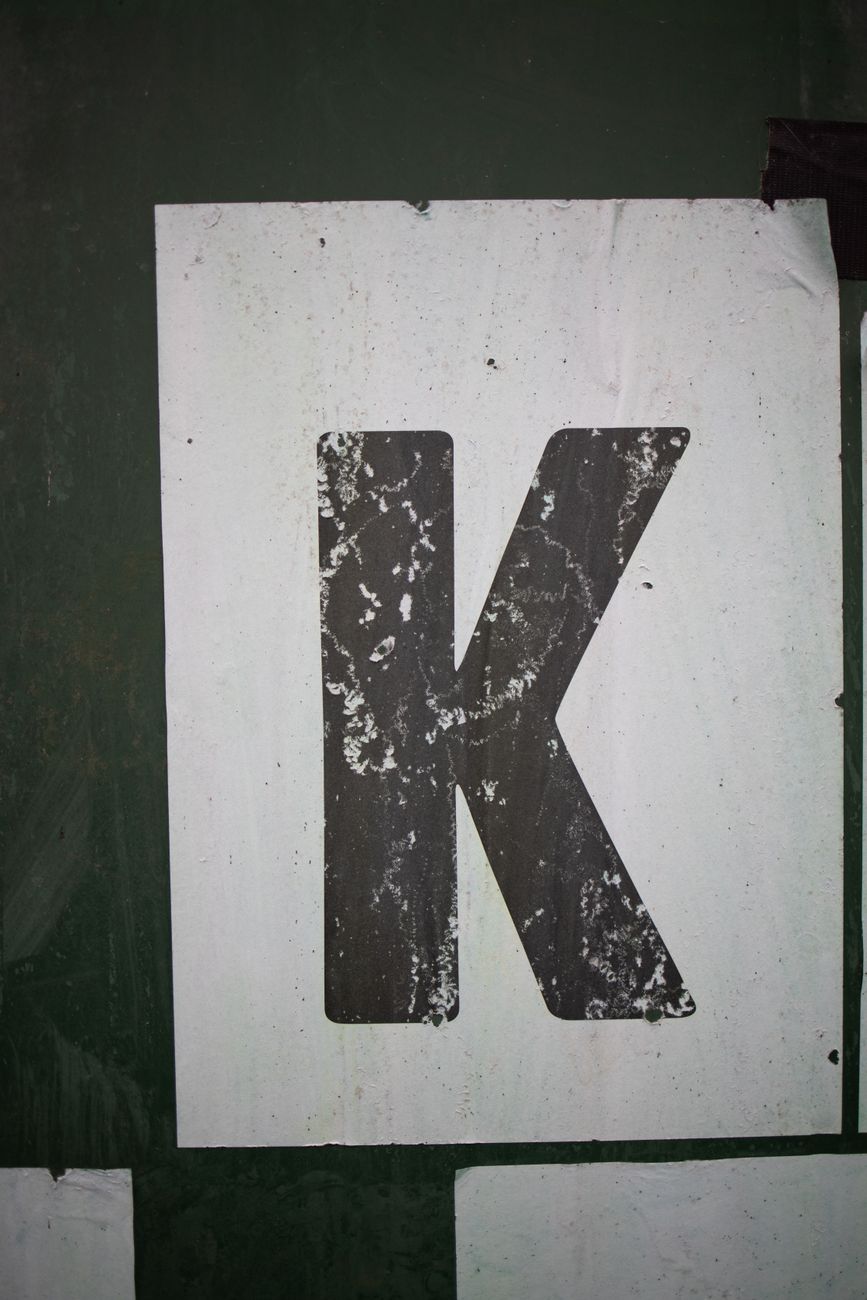
    “K.”

    Just that. K.

    Not “okay.” Not “ok.” Not “alright.” Not even the slightly chaotic but acceptable “kk.” Just a lonely little “k” sitting there like a digital middle finger.

    And I know some people are gonna say, “well maybe they’re busy.” No. I do not care. Because typing “okay” takes maybe half a second longer than typing “k.” You already opened the message. You already looked at it. You already responded. So what exactly was saved here? What incredible amount of time efficiency was gained? Did NASA recruit you mid conversation? Were you suddenly called into a hostage negotiation? Did your phone battery have 0.0001% left and you sacrificed the other letters for survival?

    Because otherwise, what are we doing here?

    Especially when I send an actual thoughtful response. That is where “k” becomes truly infuriating. I could send somebody an entire paragraph. A detailed response. An actual conversation. Maybe I am explaining something important, talking about an idea, telling a story, venting about something, or even just trying to have a normal human interaction. And after all that effort, after all those words, after all that thought, the response I get back is:

    “K.”

    Are you kidding me?

    That is not a response. That is the conversational equivalent of someone shutting a door in your face halfway through a sentence. It feels like I just threw a fully cooked meal onto a plate for someone and they stared at it for two seconds before saying, “aight.” Not even enough respect to capitalize the K sometimes either. Just a lowercase “k” sitting there in all its emotionally vacant glory.

    And the worst part is how weirdly aggressive it feels.

    Because let’s be honest here. “K” does not read as neutral. Nobody on Earth reads “k” and thinks, “wow, what a warm and enthusiastic response.” No. “K” feels annoyed. It feels irritated. It feels passive aggressive even when maybe it is not intended that way. It feels like someone responding while rolling their eyes so hard they can see their own brain.

    Imagine talking to someone in real life like that. Imagine you are telling somebody a story face to face and when you finish, they just stare at you blankly and go, “k.” You would immediately assume they hated you. You would think they were angry. Or bored. Or trying to end the conversation as fast as possible.

    That is because human communication is not just about words. It is about effort. Energy. Tone. Engagement. And “k” has the energy of somebody throwing a single stale cracker onto the table and calling it dinner.

    Now look, I understand not every message needs a five paragraph response. I am not asking for people to write essays every single time. Sometimes short responses are fine. Sometimes there is not much to say. That is normal. But there is a gigantic difference between a simple response and a completely dead one.

    “Okay” feels normal.

    “Gotcha” feels normal.

    “Sounds good” feels normal.

    Even “lol” at least acknowledges humanity still exists.

    But “k” feels like the emotional equivalent of being left on read while technically not being left on read.

    And yes, there are layers to this too. Because context matters. A “k” from your boss somehow feels terrifying. A “k” from a friend feels dismissive. A “k” from someone you are arguing with feels like they are trying to start World War III. A “k” from someone you like romantically? Oh congratulations, now you are going to spend the next three hours wondering if they hate you.

    The single letter “k” has somehow evolved into one of the most emotionally loaded responses in digital communication history.

    And honestly, I think part of why it annoys me so much is because it represents this larger problem with modern communication in general. People have become so weirdly disconnected from conversations. Everything is rushed. Everything is shortened. Everything is compressed into the smallest possible amount of effort. We are communicating faster than ever before while somehow saying less than ever before.

    Conversations now sometimes feel like people are trying to speedrun human interaction.

    And again, I am not demanding constant deep emotional speeches. I am not asking every text conversation to become a philosophical debate about existence itself. But there is something deeply irritating about the absolute bare minimum effort possible becoming normalized.

    Especially when the other person is clearly trying.

    That is the key thing here. Effort should at least somewhat match effort. If somebody sends you an actual message, responding with “k” feels like conversational malpractice. It feels like somebody handing you a handwritten letter and you responding by throwing a sticky note at their forehead.

    And I know somebody reading this right now is thinking, “wow this dude is really angry about one letter.”

    Yes. Yes I am.

    Because somehow that one letter manages to radiate annoyance in ways entire paragraphs cannot.

    Honestly, sometimes “k” feels worse than no response at all. At least being left on read has ambiguity. Maybe they got distracted. Maybe they forgot. Maybe life happened. But “k” confirms they saw your message and actively decided this single consonant was all you were worth in return.

    It is honestly impressive in a horrible way.

    And do not even get me started on the variations of it either. Because there are subclasses of “k” energy.

    Lowercase “k” is cold and dismissive.

    Uppercase “K” feels actively hostile.

    “K…” feels like somebody preparing for murder.

    And then there is “Mk.” Which somehow feels like an exhausted parent trying not to lose their sanity entirely.

    Digital communication has become its own weird language where punctuation and capitalization can completely change emotional meaning. A period at the end of a sentence suddenly feels aggressive. Multiple exclamation points can feel fake. No punctuation can feel detached. And “k” became the king of all emotionally cursed responses.

    What fascinates me too is how universal this annoyance seems to be. So many people hate “k.” Entire memes exist about this. Entire online discussions exist about this. People immediately understand the emotional vibe of it without explanation. Humanity collectively agreed that this one letter carries the energy of disappointment, annoyance, boredom, or emotional shutdown.

    That is honestly kind of incredible.

    Language evolved over thousands of years and somehow we arrived at this.

    One letter.

    Pure irritation.

    And maybe some people genuinely do not mean anything by it. Maybe for some people it really is just shorthand. Maybe they truly are neutral when they send it. But communication is not just about intention. It is also about perception. And if millions of people collectively interpret “k” as irritated or dismissive, maybe there is a reason for that.

    Maybe because it feels incomplete.

    Maybe because it lacks warmth.

    Maybe because it feels like somebody trying to end a conversation instead of participate in one.

    Or maybe because it just looks ugly sitting there on the screen like some emotionally abandoned letter fragment.

    Honestly, even “👍” sometimes feels more human than “k.”

    At least the thumbs up has shape. Presence. Energy. “K” just looks like somebody gave up halfway through typing.

    And there is also a weird imbalance that happens when one person clearly cares more about the conversation than the other. You can feel it instantly. One person is engaged. The other is responding with the verbal equivalent of elevator music. “K” becomes the ultimate symbol of that imbalance. It tells you immediately who is carrying the interaction.

    Nobody wants to feel like they are talking at somebody instead of with somebody.

    That is what “k” does.

    It transforms conversations into brick walls.

    And listen, maybe this sounds dramatic. Maybe it is dramatic. But honestly? Human interaction matters. The little things matter. Tone matters. Effort matters. People can absolutely feel when someone is emotionally checked out of a conversation. Sometimes tiny things communicate massive feelings.

    That stupid little letter somehow communicates exhaustion, irritation, boredom, indifference, and passive aggression all at once.

    Which honestly is almost impressive linguistically.

    Like congratulations, “k.” You somehow became the most efficient delivery system for negative conversational energy imaginable.

    And the thing is, I do not even think people realize how often tiny responses shape interactions. A slightly warmer response can completely change the feeling of a conversation. A little enthusiasm can make somebody feel heard. Even basic acknowledgment can matter more than people realize.

    But “k” feels like anti warmth.

    Anti conversation.

    Anti human connection.

    It is the response equivalent of fluorescent office lighting.

    Cold. Harsh. Soulless.

    And maybe part of my hatred for it comes from how common it has become. Because once you notice it, you start seeing it everywhere. Texts. DMs. Comments. Group chats. Everywhere you go, there is always somebody lurking with their tiny little “k” loaded and ready to destroy the vibe instantly.

    It can kill momentum in seconds.

    You could be having a genuinely fun conversation and suddenly:

    “K.”

    Boom. Atmosphere dead. Conversation buried. Social energy annihilated.

    It is honestly almost comedic how powerful it is.

    One letter should not have this much destructive capability.

    And yes, before anybody says it, I know there are bigger problems in the world. Obviously. But sometimes daily annoyances are what stick with you the most because they happen constantly. Tiny frustrations repeated over and over become their own special category of rage.

    And “k” is absolutely one of them.

    Because at its core, I think what annoys me is not even the letter itself. It is what it represents. Minimal effort. Disengagement. Emotional laziness. The feeling of somebody barely participating while technically still responding.

    It feels like the modern internet distilled into a single character.

    Shortened attention spans.

    Compressed communication.

    Reduced effort.

    Everything becoming smaller, faster, emptier.

    And honestly? I hate that.

    I miss when conversations actually felt alive sometimes. When people bounced ideas off each other. When interactions had energy. When communication did not constantly feel like people trying to escape the conversation as quickly as possible.

    Maybe that makes me old fashioned. I do not know.

    But I do know this.

    If I send somebody an actual thoughtful message and all I get back is “k,” I immediately lose interest in continuing the conversation. Because why am I putting energy into something the other person clearly does not care about?

    Conversation is a two way street.

    Not one person dragging the other through digital quicksand.

    So yes, WordPress daily prompt, my answer is absolutely “k.”

    I cannot stand it.

    That one tiny letter somehow became one of the most irritating phrases in modern communication.

    And every single time I see it pop up on my screen, I swear I can physically feel my soul leave my body for half a second.

    Fediverse Reactions
  • How I Finally Made a Fucking Snapchat

    How I Finally Made a Fucking Snapchat

    For years, I resisted Snapchat with the kind of stubborn determination that only comes from being absolutely convinced you’re right about something. The app seemed pointless to me, genuinely stupid in ways I couldn’t quite articulate but felt deeply in my bones. Every time someone mentioned it, every time I saw those little ghost logos or heard about streaks and stories, I’d feel this visceral resistance, this certainty that whatever Snapchat was offering, I didn’t need it. I had my reasons, or at least I thought I did. The ephemeral nature of it all felt gimmicky, the filters seemed childish, and the whole concept of messages that disappeared struck me as either paranoid or frivolous depending on how generous I was feeling that day. I watched friends obsess over maintaining streaks, those arbitrary chains of daily communication that meant absolutely nothing and yet somehow meant everything, and I felt smugly superior in my refusal to participate. I had Instagram, I had Twitter, I had all the platforms I needed to share whatever I wanted to share with the world. Snapchat seemed like a redundant addition to an already crowded digital landscape, another app demanding my attention and offering nothing substantial in return.

    The thing about Snapchat that bothered me most, I think, was how aggressively casual it seemed. Everything about it felt designed for throwaway moments, for content that didn’t matter enough to preserve. The stories disappeared after twenty-four hours, the messages vanished after you read them, and the whole ecosystem seemed built around the premise that nothing you shared was worth keeping. As someone who cared about creating things that lasted, who spent hours crafting posts and editing photos and thinking about how my online presence would age, this felt almost offensive. Why would I want to put effort into something that would cease to exist almost immediately? The impermanence felt like a feature masquerading as a philosophy, a way to excuse low-quality content by pretending that ephemerality was somehow more authentic than permanence. I didn’t buy it. I thought people who loved Snapchat were settling for less, choosing convenience and immediacy over craft and intention. I thought they were missing the point of social media entirely, which in my mind was about building something, creating a body of work, leaving a digital footprint that meant something beyond the moment it was posted.

    My friends tried to convince me otherwise, of course. They’d tell me about how fun it was, how authentic and unfiltered compared to the carefully curated aesthetics of Instagram or the performative discourse of Twitter. They’d say that Snapchat let them be themselves in ways other platforms didn’t, that the disappearing messages created a freedom to share without worrying about permanent consequences. I’d nod along politely while internally dismissing everything they said. It all sounded like rationalization to me, like people trying to justify their addiction to yet another app by pretending it offered something unique when really it was just another way to waste time and fragment your attention across multiple platforms. I’d see people at dinner parties pulling out their phones to send Snaps instead of engaging with the actual humans in front of them, and it reinforced every negative opinion I’d formed. The app seemed designed to pull you away from reality rather than enhance it, to create artificial urgency around communication that didn’t need to be urgent, to gamify friendship in ways that felt fundamentally dishonest.

    But then, and I’m still not entirely sure how this happened or why it took so long, I had an idea. It came to me today, literally as of writing this post, and it was so obvious in retrospect that I’m almost embarrassed it took me this long to think of it. I could use Snapchat to share my writing. Not just links to my writing hosted elsewhere, not promotional posts directing people to other platforms, but actual pieces of writing shared directly on Snapchat itself. The ephemeral nature that I’d always seen as a flaw suddenly looked like a feature. The casual, unfiltered aesthetic that had seemed cheap and lazy suddenly looked like an opportunity. The platform that I’d dismissed as pointless and stupid and silly suddenly made perfect sense as a space for experimental writing, for fragments and thoughts and pieces that didn’t need to be permanent, that could exist in the moment and then disappear without the weight of permanence attached to them.

    The more I thought about it, the more excited I got. Snapchat could be a space for drafts, for ideas in progress, for writing that was raw and unpolished in ways that felt too vulnerable for other platforms. On Instagram, everything needs to look perfect, needs to fit within a certain aesthetic framework, needs to be optimized for engagement and presentation. On Twitter, everything needs to be clever or insightful or provocative, needs to perform well within the constraints of character limits and algorithmic promotion. But on Snapchat, where everything disappears anyway, where the whole ethos is built around casual sharing and temporary content, I could experiment without the pressure of permanence. I could share stream-of-consciousness pieces, unedited thoughts, fragments of larger works, observations that didn’t need to be polished into essays or compressed into tweets. The lack of permanence that had always felt like a limitation suddenly felt liberating.

    And there was something else too, something about the intimacy of the platform that started to appeal to me once I reframed it through the lens of writing. Snapchat stories feel more personal than Instagram posts, more immediate than blog entries, more direct than tweets floating in the algorithmic void. When someone views your Snapchat story, there’s a sense of intentionality to it, a feeling that they chose to engage with your content in a way that feels different from scrolling past a post in a feed. The audience on Snapchat tends to be smaller, more curated, more genuinely interested in what you’re sharing rather than passively consuming whatever the algorithm serves them. For writing, especially experimental or personal writing, that kind of engaged audience matters. I started imagining sharing short pieces throughout the day, little bursts of writing that captured moments or thoughts or observations as they happened, creating a kind of living literary journal that existed in real-time and then faded away.

    The technical aspects of using Snapchat for writing presented some interesting challenges too, which oddly enough made the idea more appealing rather than less. The character limitations, the visual format, the way text appears on screen, all of these constraints would force me to think differently about how I presented my writing. I’d need to consider how words looked on the screen, how they interacted with backgrounds and images, how they could be broken up across multiple snaps or condensed into single frames. These constraints felt creative rather than limiting, similar to how Twitter’s character count pushed people to be more concise and intentional with their language. Snapchat would require a different kind of writing, something more visual, more immediate, more aware of itself as existing in a specific medium with specific affordances and limitations.

    I also started thinking about how the disappearing nature of Snapchat could actually enhance certain kinds of writing rather than diminish it. Poetry, for instance, often gains power from its transience, from the way it exists in a moment of reading and then lives on only in memory. Flash fiction and micro-essays often work better when they’re encountered as standalone pieces rather than as part of an archive. The confessional, diary-like writing that thrives on immediacy and rawness might actually be better suited to a platform where it doesn’t have to live forever, where the writer can share vulnerable thoughts without worrying about them becoming permanent fixtures of their online identity. The ephemerality that I’d always seen as Snapchat’s biggest weakness suddenly looked like one of its greatest strengths for certain types of creative work.

    There’s also something to be said for reaching audiences where they already are rather than trying to pull them to where you want them to be. I’ve always been guilty of this as a writer, of wanting people to come to my blog or my website or my carefully curated platforms rather than meeting them in the spaces they already inhabit. But the reality is that a lot of people, especially younger people, spend way more time on Snapchat than they do reading blogs or visiting websites or even scrolling Instagram. By refusing to engage with Snapchat, I was essentially refusing to meet a huge potential audience where they already were, insisting that they come to me instead of being willing to go to them. That’s a pretty arrogant position when you think about it, this idea that my preferred platforms are inherently superior and everyone else should adapt to my choices rather than me adapting to theirs.

    So today, I finally did it. I created a Snapchat account, something I never thought I’d do, something that felt almost like a betrayal of all my previous convictions about the platform. But as soon as I set it up, as soon as I started thinking about how I could actually use it for writing, all that resistance melted away. It felt exciting in a way that social media hasn’t felt exciting to me in years, like discovering a new creative medium rather than just signing up for another app. The possibilities started multiplying in my mind, all the different ways I could experiment with sharing writing in this format, all the different types of content I could create that wouldn’t work as well on other platforms.

    I’m sharing my Snapchat here, which also feels strange because I’ve spent so long actively avoiding having a Snapchat to share. But here it is, this thing I finally made after years of resistance: https://snapchat.com/t/uOWAU6Py. I don’t entirely know what I’m going to do with it yet, what form my writing experiments on the platform will take, how frequently I’ll post or what kinds of content I’ll prioritize. But that uncertainty feels good, feels generative, feels like the beginning of something rather than just another obligation or another platform to maintain out of social necessity.

    What strikes me most about this whole experience is how long it took me to have what seems, in retrospect, like an incredibly obvious realization. I spent years dismissing Snapchat without ever seriously considering how it might be useful for my specific interests and goals. I let my initial impressions and biases completely overshadow any possibility that the platform might offer something valuable if approached from a different angle. It’s a good reminder that dismissiveness, even when it feels justified, often blinds us to possibilities we haven’t considered yet. The things we’re most certain are pointless or stupid or silly might actually be incredibly useful once we find the right frame of reference, the right use case, the right way of thinking about them.

    I’m not saying Snapchat is secretly brilliant or that everyone should rush out and create an account. The concerns I had about the platform weren’t entirely wrong, the gamification and the performative aspects and the way it can fragment attention are all still real issues. But my blanket dismissal was too broad, too absolute, too unwilling to acknowledge that something can have problems and still offer value, can be silly in some contexts and useful in others, can be pointless for one purpose and perfect for another. Snapchat isn’t inherently stupid, it turns out. It was just stupid for the uses I was imagining, for the way I was thinking about social media and content creation. Once I found a use case that actually aligned with my interests and goals, the whole platform looked completely different.

    There’s something humbling about changing your mind on something you’ve been stubborn about for years. It requires admitting that you were wrong, or at least that you were missing something important, that your confidence was misplaced. But it also feels good in a weird way, like growth, like evidence that you’re still capable of reconsidering your positions and adapting to new information instead of just calcifying into increasingly rigid opinions. I’m genuinely excited about experimenting with writing on Snapchat, about seeing what kinds of creative work emerge from engaging with the platform’s specific constraints and affordances. Maybe it’ll turn out to be exactly as pointless as I always thought it was, maybe I’ll abandon the account in a week and return to my previous platforms. But maybe not. Maybe this will open up new creative possibilities I haven’t even imagined yet. Maybe the thing I was so certain was stupid will actually teach me something valuable about writing and sharing and connecting with audiences.

    So yeah, I finally made a fucking Snapchat. After years of resistance, after countless conversations where I explained why I’d never create an account, after so much certainty that the platform had nothing to offer me. And the twist, the thing that makes this whole story feel almost absurdly obvious in retrospect, is that the solution was right there the whole time. I could have been using Snapchat for writing all along, could have been experimenting with the format years ago, but I was too busy being certain it was pointless to actually consider whether it might be useful. Sometimes the things we resist most stubbornly are the things we need to reconsider most carefully. Sometimes the platforms we dismiss as stupid are just waiting for us to figure out the right way to use them. Sometimes all it takes is one simple idea, one reframing of the question, to completely change your perspective on something you thought you understood.

    I’m not sure where this experiment will go, what forms my Snapchat writing will take, whether anyone will actually engage with it or if I’ll just be shouting into another void. But for the first time in years, I’m genuinely curious about a social media platform, genuinely excited to see what’s possible rather than just maintaining a presence out of obligation. And that feeling alone, that sense of creative possibility and experimentation, makes creating the account worthwhile. Even if I was wrong about Snapchat being pointless for all these years, at least I’m willing to admit it now, at least I’m open to the possibility that I might discover something valuable in a place I never expected to look.

    Fediverse Reactions
  • Death or Cake? The Absurdity of “Fake Death” Birthday Posts

    Death or Cake? The Absurdity of “Fake Death” Birthday Posts

    Social media, ladies and gentlemen, has officially lost its goddamn mind. Somewhere along the way, we collectively decided that ordinary birthdays—those simple, beautiful reminders that we haven’t yet kicked the bucket—aren’t dramatic enough. No, no, now we need to turn a person’s birthday into a funeral announcement. You know the ones I’m talking about: “We sadly remember the life of John Doe, who would have turned 27 today…” And then, surprise! It’s not a memorial. It’s a cake. Candles. Confetti. People sending GIFs of balloons. What the hell?

    Let’s unpack this nonsense. First off, birthdays are already inherently ego-driven events. You survived another year. You deserve cake. You might even deserve a little attention on social media. But no. Social media has to escalate everything into a spectacle, a melodrama, a minor tragedy disguised as celebration. And the sad truth? People eat it up. They comment, they “like,” they share. It’s all part of the great modern circus of manufactured emotion. Nobody can just say, “Hey, happy birthday.” That would be too simple, too human, too boring. Instead, we have to pretend the person died, briefly scare everyone, and then clap our hands like trained seals when the twist is revealed.

    Now, I get it. There’s a dark humor element here. Some of these posts are clever. “Haha, you thought I was dead!” That’s fine. A little gallows humor, a wink at mortality. But most of these posts aren’t clever. They’re lazy, attention-seeking, tone-deaf exercises in social media chaos. They trivialize death for the sake of engagement. There’s something deeply unsettling about scrolling through your feed, seeing “RIP” posts every few minutes, and realizing half of them are just birthday shoutouts. It’s like the concept of death has been cheapened to the level of a cake emoji.

    And let’s talk about the psychology behind this. Why would anyone do this? Why would anyone want to momentarily convince their friends and family that they’ve shuffled off this mortal coil, only to reveal they’ve merely survived another orbit around the sun? Maybe it’s about attention. Maybe it’s about making people feel something—anything—because birthdays are too ordinary in the age of TikTok dramatics. Maybe it’s about control. You get to scare people, get the sympathy likes, then reveal your triumph over the grim reaper in a single scrollable post. Congratulations, you’ve gamified death. How’s that feel?

    The irony is thick enough to choke on. In a society obsessed with notifications, followers, and virtual validation, what better way to manufacture emotion than by dangling the ultimate fear in front of people’s eyes? Death. The great equalizer. The one thing we all dread. And then, wham, you switch the punchline: cake. Balloons. Singing emojis. And everyone laughs or reacts or posts a crying-laughing emoji because nothing’s sacred anymore, not even mortality. It’s the social media equivalent of putting a clown mask on the Grim Reaper and making him dance at a birthday party.

    And I think the most ridiculous part is how normal this has become. Scroll down any platform, and you’ll see it: fake obituaries, fake memorials, fake mourning, all for someone’s birthday. It’s a generation-wide prank that nobody admits is a prank. You can’t just scroll past anymore. You see “We mourn the passing of…,” and your heart jumps. Your stomach knots. You think, oh god, did this happen? And then, five seconds later, you realize, nope. The only thing that passed was subtlety, dignity, and, probably, your faith in human creativity.

    Here’s my advice: stop it. Stop turning birthdays into theatrical near-death experiences. Stop cheapening death for clicks and reactions. There is nothing clever about this, unless your goal is to demonstrate that we are all desperate for attention and increasingly numb to human emotion. Let people celebrate their birthdays without the pretense of death. Let people grieve when someone dies without the interference of a punchline. Let the absurdity end, for Christ’s sake. Or don’t. But if you continue, I’ll just assume you’re trying to see how many people you can emotionally manipulate before we all give up and start faking our own deaths just to get noticed.

    In conclusion—and yes, I’m actually trying to conclude something in this digital chaos—social media has transformed life, and death, into a performance art piece nobody asked for. Birthdays are now faux-funerals. Funerals are now performances. And we’re all just extras in a tragicomedy nobody rehearsed for. The moral? Maybe there isn’t one. Maybe it’s just another year survived, another birthday survived, another scroll through idiocy survived. And isn’t that, in its own way, worth celebrating?

  • This Post (Wont Delete Now or Ever)

    This Post (Wont Delete Now or Ever)

    There’s a trend going around on the internet these days, one that’s so painfully obvious and, honestly, kind of pathetic, that it’s almost laughable. You know what I’m talking about. Folks post something, maybe something serious, maybe something dumb, and then they tack on a little note at the end, something like “will delete soon” or “might delete later.” And it’s everywhere. Social media, blogs, forums, even meme pages. Everywhere you look, someone is trying to say something, but not really, and then they reassure you that this will disappear, that it won’t last, that they’re not really committing to it. And that’s the thing—it’s such a transparent move that it’s almost insulting to anyone who reads it.

    Here’s my take. If you’re going to post something, just post it. Stand by it. Don’t put a half-hearted disclaimer at the end like you’re protecting yourself from your own words or from the judgment of others. It’s cowardly. Plain and simple. This whole “will delete soon” thing? It’s not clever. It’s not edgy. It’s a flimsy attempt to shield yourself from consequences that, let’s be real, are inevitable anyway. The internet doesn’t forget. Nothing is ever truly deleted. Screenshots exist. Backups exist. Archives exist. Whatever you post, it lives on in one form or another. So when someone says “I’ll delete this soon,” they’re lying. They know it. And you know it. Everybody knows it. It’s a performance, not a statement.

    And here’s what it really says about people. It says that they’re scared. It says that they’re uncertain. It says that they don’t trust themselves or their own judgment enough to put something out into the world and stand by it. That’s the root of it. It’s not a fun, quirky trend—it’s fear wrapped in a digital post. Fear of being judged, fear of being wrong, fear of being hated, fear of simply being seen. And maybe that fear is understandable, in a general sense, because we all live in a world where every opinion can be critiqued endlessly online. But that doesn’t make it noble. It makes it weak. It makes it hesitant. It makes it dishonest. And I can’t help but roll my eyes when I see it.

    Because here’s the truth: if you don’t know what you want to say, don’t say it. There’s no shame in silence. There’s no shame in waiting until you’ve figured out your words. But if you do know, if you do have something to express, then own it. Post it. Make your statement. And then leave it there. Don’t hedge it with a promise to retract, don’t dilute it with a wink, don’t try to sneak it past the world under the guise of impermanence. It’s not a trick. It’s not clever. It’s not protection. It’s a lack of conviction.

    Think about it this way. The people who constantly add these disclaimers, the “will delete soon” crowd—they’re putting the focus on themselves rather than the content. The content doesn’t matter as much as the self-preservation. And isn’t that kind of sad? It’s as if they can’t let their words exist without simultaneously trying to control how others interact with them. They’re trying to cheat the system of social interaction online, trying to have the experience of posting without ever being vulnerable. But vulnerability, however scary, is where authenticity comes from. Without it, your posts are hollow. They’re not statements—they’re props.

    And let’s be honest: posting is a risk. Saying something, anything, puts you out there. It opens you up to agreement, disagreement, ridicule, praise, criticism. That’s unavoidable. You can’t opt out of it while still participating fully. So when people write “will delete soon,” they’re essentially trying to opt out after opting in. It’s a paradox. And the paradox is only funny if you step back far enough to laugh at the ridiculousness of it, but mostly it’s just irritating. It’s irritating because it clutters conversations with half-measures, weak opinions, and shallow performances. And it trains other people to do the same, which, in the end, erodes the quality of discourse anywhere it spreads.

    I’ve seen this happen over and over. Someone posts something important, meaningful even, but then they bury it under a digital shrug, a “don’t take this seriously, I might delete it.” And what happens? People don’t take it seriously. People ignore it. The post is undermined before it even has a chance to exist. And that’s the problem with this trend in general—it’s self-sabotage disguised as humility, disguised as cleverness. It’s the worst kind of attention-seeking because it’s attention-seeking while pretending not to be. It’s manipulation without courage, and it’s everywhere.

    So, if you ask me, the opposite approach is the one worth taking. Say what you mean. Mean what you say. Post it. Leave it. Let it exist. Let people engage with it, positively or negatively, but let it exist. Don’t hedge. Don’t promise deletion. Don’t protect yourself from imaginary consequences that are going to find you anyway. The internet doesn’t forget. Nothing truly goes away. So the real bravery is in saying something knowing it will stay, knowing it will be judged, knowing it will be seen, and still posting it anyway. That’s integrity. That’s authenticity. And yes, it’s scarier than tacking on a little “will delete soon” note, but it’s worth it.

    The “wont delete now or ever” approach, which is exactly what I’m doing here, is not just a joke about a trend—it’s a statement about how to exist online with your words intact. It’s about taking responsibility for what you put out. It’s about rejecting the cowardice of hedging, of preemptive retraction, of lying to yourself and others about your intentions. It’s about standing tall with your thoughts, your opinions, your statements, your jokes, your complaints, your praise, your art, whatever it is that you have to offer. Don’t dilute it. Don’t hide it. Don’t apologize for it before it even has a chance to breathe.

    I think a lot of people don’t realize that there’s a freedom in this. There’s a liberation that comes from knowing that your words, your posts, your thoughts, exist, and that they exist unafraid. There’s a satisfaction in speaking without the chains of pretense. And when you combine that with the inevitable permanence of the internet, it’s almost poetic. You’re acknowledging reality as it is: nothing truly disappears, nothing is ever entirely private, nothing is ever entirely under your control. And rather than fear that, you embrace it. You work with it. You live honestly within it.

    So, to those who feel compelled to write “will delete soon,” I have a simple suggestion: stop. Take a breath. Ask yourself why you feel the need to hedge. Ask yourself why you’re afraid of being fully seen. And then, if your message matters, post it without reservation. Let it live. And if it doesn’t matter, if you’re unsure, then maybe don’t post it at all. Silence is better than cowardice. Thoughtfulness is better than performative vulnerability. Authenticity is better than trend-following, every time.

    And finally, for anyone who reads this and thinks, “Well, maybe I will delete it later,” understand this: the true courage is in knowing that deletion is irrelevant. The courage is in posting, in saying, in committing. Not in hiding. Not in apologizing before it’s necessary. Not in pretending impermanence makes your words any safer or more acceptable. It doesn’t. Words exist once spoken or written, and the internet is the ultimate testament to that. Accept it, embrace it, and for once, post something without shame, without hedging, without disclaimers, and without thinking that deletion is your safety net.

    So yeah, this post won’t delete now or ever. That’s the point. I’m not hedging. I’m not scared. I’m not pretending. And that’s how it should be for everyone. Say what you mean, mean what you say, and let the world deal with it.

  • Fighting Back Against the “BE CV BK 2025 -R-D” Facebook Scam: Drown It Out With Truth, Mockery, and Creativity

    Fighting Back Against the “BE CV BK 2025 -R-D” Facebook Scam: Drown It Out With Truth, Mockery, and Creativity

    The “BE CV BK 2025 -R-D” Facebook puzzle scam is ridiculous — absurd to the point of parody — and yet, it’s spreading like wildfire. The fact that it’s everywhere on Facebook, showing up even on Google, and still somehow flying under the radar of mainstream discussion is absolutely mind-boggling. It’s one of those scams that’s so blatant, so in-your-face, that it almost becomes invisible. People see it, recognize it as nonsense, scroll past, and move on. But here’s the problem: ignoring it isn’t helping. The silence around it is what’s allowing it to grow.

    If this thing is out in the open — and it clearly is — then it’s time we fight back in the open too. Not by quietly reporting it, not by pretending it doesn’t exist, but by doing the exact opposite. By talking about it. By writing about it. By mocking it. By making it impossible for the scammers behind “BE CV BK 2025 -R-D” to control the conversation around it.

    That’s the key. Flood the internet with counter-content.

    When you search that ridiculous code — “BE CV BK 2025 -R-D” or “BE CV BK.2025 -R-D” — you shouldn’t just see scam posts, spam links, and fake puzzle games. You should see real people calling it out. You should see blog posts, discussion threads, videos, memes, essays, even songs and art, all ridiculing how absurd this whole thing is. We can fight this scam the same way we fight misinformation and bad algorithms: by drowning it out with better content.

    Every post, every video, every podcast episode, every blog, every tweet (or post, or toot, or thread, whatever platform you use) that mentions the scam code in a critical or mocking way helps to reclaim visibility. It pushes the legitimate conversation higher up in search results. It buries the spam under real discussion. It turns the scam into something that’s no longer mysterious or enticing — just embarrassing.

    Think about how most scams spread: through obscurity, through silence, through the illusion of being something exclusive or hidden. Scammers rely on people not talking about what they’re doing. They rely on confusion. They thrive on uncertainty. But once people start dragging their scam into the sunlight, making fun of it, breaking down how it works, explaining it openly — that illusion collapses.

    This is how we take the power away from them.

    We need people to make memes about this scam. Mock it relentlessly. Turn “BE CV BK 2025 -R-D” into a punchline. A joke. A running gag. Imagine seeing someone post it and immediately replying with “Ah yes, the sacred code of the Facebook goblins,” or “Finally, the prophecy of BE CV BK 2025 -R-D is fulfilled!” Turn it into a meme so stupid that even scammers can’t take it seriously anymore.

    We should have TikToks making fun of how it looks like a fake alien serial number. We should have YouTubers breaking it down like a mystery documentary, only to reveal that it’s nothing but an empty scam. We should have podcasters analyzing the weirdness of how such a nonsensical thing spread so far.

    Because make no mistake — the fact that “BE CV BK 2025 -R-D” is this widespread is not a good sign. It shows that scammers have figured out how to exploit the holes in Facebook’s system. It shows how easily bot networks can take over a platform, how little oversight exists, and how little effort it takes to make something go viral.

    That’s why waiting for Facebook to fix it is not enough. They won’t move until it becomes a PR problem. And it doesn’t become a PR problem until people start talking about it. Once enough people bring attention to it — once creators, journalists, and commentators begin noticing it — then it becomes real in the public eye. Once YouTubers start making videos about it, that’s the first warning bell. And once the mainstream news outlets start covering it, then you know it’s reached critical mass.

    We shouldn’t wait for that moment to happen. We should cause it to happen.

    This is how grassroots resistance works in the digital age. When corporate platforms ignore obvious problems, regular people have to step in and make noise. You don’t need to be a big influencer or journalist to make a difference here. Every blog post, every repost, every discussion thread counts. Every time someone says “Hey, this ‘BE CV BK 2025 -R-D’ puzzle thing is a scam,” that’s another signal sent to the algorithms. That’s another data point for Google’s index. That’s another small act of resistance against the flood of bot spam.

    And the beauty of it is that it doesn’t take coordination. It doesn’t take organization. It just takes awareness. Once enough people start creating content about it, the counter-content becomes self-sustaining. The algorithm starts to prefer the legitimate, human conversation over the repetitive bot spam.

    In other words: we fight spam with saturation.

    This isn’t a new tactic — it’s how the internet has always fought back against nonsense. When conspiracy theories or fake trends pop up, creators often respond by flooding the topic with debunk videos and satire. When misinformation spreads, fact-checkers and journalists publish articles that dominate the search results. When bots flood hashtags, users reclaim them with memes and positivity. It’s digital resistance, meme warfare, and community-driven moderation all rolled into one.

    That’s what needs to happen here. The more we discuss “BE CV BK 2025 -R-D,” the less power it holds. The more we joke about it, the less it looks like a mystery. The more we call it out, the fewer people will fall for it.

    It’s time to reclaim the code.

    Let’s make “BE CV BK 2025 -R-D” the symbol of the dumbest scam of the decade — the one that was so lazy, so obvious, and so over-the-top that people actually started laughing at it instead of falling for it.

    And the way to do that isn’t to ignore it or delete mentions of it — it’s to own it. Talk about it. Write about it. Flood the conversation.

    Make longform essays dissecting how weirdly viral it became. Create TikTok skits where someone “solves” the fake puzzle only to get Rickrolled. Make digital art where “BE CV BK 2025 -R-D” becomes the new “All your base are belong to us” — a meme representing the absurdity of modern internet scams.

    Hell, make songs about it. Make ambient soundtracks titled “BE CV BK 2025 -R-D (The Algorithm Sleeps Tonight).” Write poetry mocking it. Host a podcast episode titled “The Mystery of BE CV BK 2025 -R-D (Spoiler: It’s Dumb).” The point isn’t just to ridicule it — it’s to reclaim it. To make it so that the only thing people associate that code with is laughter, ridicule, and scam awareness.

    Because when people are laughing at a scam, they’re not falling for it.

    That’s how we win here. Not by ignoring it. Not by quietly reporting it to platforms that won’t do anything anyway. But by overwhelming it with awareness, with creativity, with truth, and yes, with humor.

    If this thing is already spreading as far as it is — if it’s already all over Facebook and creeping into Google — then it’s only a matter of time before bigger creators start noticing. That’s when it’ll hit the mainstream. When the big YouTubers and TikTok creators make videos about it, when commentary channels start doing deep dives, when news outlets finally write think pieces about the “mystery code,” that’s when the scam will start to die.

    Because scammers hate exposure. They thrive on confusion and silence. But once the light hits, once people start clowning on them publicly, they scatter.

    So let’s turn this thing around. Let’s make sure that when anyone searches “BE CV BK 2025 -R-D,” all they find are posts mocking it, calling it out, and explaining exactly how ridiculous it is. Let’s take control of the narrative before the scammers do any more damage.

    This isn’t just about one scam — it’s about setting a precedent. It’s about showing that when nonsense floods our feeds, we don’t just scroll past it and move on. We fight back. We talk. We write. We create. We reclaim the algorithm.

    So, to whoever’s reading this: go make something. Write a tweet. Make a meme. Record a video. Post a blog. Share your thoughts. Use the exact code — “BE CV BK 2025 -R-D” — and talk about it. Spread the truth louder than the spam spreads lies.

    Because if we don’t, the scammers win. And if we do, the internet gets just a little bit smarter.

    Fediverse Reactions
  • The Insanity of the Facebook Puzzle Scam Code: “BE CV BK 2025 -R-D” and the Unbelievable Spread of an Obvious Scam

    The Insanity of the Facebook Puzzle Scam Code: “BE CV BK 2025 -R-D” and the Unbelievable Spread of an Obvious Scam

    It’s hard to overstate just how bizarre it is that something as nonsensical as “BE CV BK 2025 -R-D” has taken over Facebook and even started creeping into Google search results. This strange code — which looks like some mix of a fake model number, a coded message, and a bot gibberish tag — has appeared in thousands of posts across Facebook. And what’s wild is that, despite being so obviously a scam, so clearly fraudulent, so transparently fake, it’s everywhere. The fact that it’s not being widely discussed, not being reported on by major outlets, not being taken down effectively by Facebook, makes the whole thing even more insane.

    You can go on Facebook right now, type that code into the search bar — “BE CV BK 2025 -R-D” or “BE CV BK.2025 -R-D” — and what you’ll find is a flood of the same kinds of posts. Some are in different languages. Some use emojis. Some pretend to be part of “puzzle groups” or “mystery challenges.” Others are just random accounts spamming the same text over and over again, often accompanied by weird links, grainy photos, or random “game” announcements. But the one thing they all share is the same exact scam code.

    The strangest part is that this isn’t just some obscure niche spam chain buried deep in Facebook’s murky corners. It’s out in the open. Public groups. Public pages. Public posts. You can find it by simply searching. It’s like the digital equivalent of walking through a city and seeing “SCAM” graffiti plastered across every wall — and somehow, no one’s talking about it.

    That’s what makes this whole “puzzle scam” phenomenon feel so surreal. It’s not hidden. It’s not subtle. It’s right there in plain sight. And yet, despite being so blatant, it’s spreading like wildfire.

    It’s easy to see why the “puzzle” angle works. These kinds of scams often rely on curiosity — on the human desire to “figure out” something mysterious. The code looks cryptic enough to seem like there’s a deeper meaning behind it. “BE CV BK 2025 -R-D.” It almost feels like it could be a secret message, or a part of a viral challenge, or some kind of ARG (alternate reality game). And that’s what hooks people in. Someone sees a friend post it. They think, “What is this? Is this some new Facebook game? Is this part of something?” And before long, they’re clicking links, joining groups, following instructions, or even sharing the post themselves — unknowingly helping to spread the scam further.

    The entire design of this “puzzle” is meant to exploit one of the simplest psychological triggers: curiosity. Humans are hardwired to seek answers, especially when something looks like a code or a mystery. Scammers have known this for years — that’s why “riddles,” “tests,” “IQ puzzles,” and “hidden messages” have long been a popular front for phishing scams, malware links, and data-harvesting schemes. This particular Facebook scam just takes that formula and dresses it up with a meaningless code that looks intriguing to the untrained eye.

    But what’s really unsettling about this whole thing is just how many posts there are. It’s not just a handful of scammers copying and pasting the same message. There are thousands. Some of them are weeks or months old. Others are being posted in real time. The scam has evolved into a kind of bot swarm, almost like a virus that keeps replicating itself across the platform. And the lack of any large-scale intervention from Facebook makes it even worse.

    You’d think a platform with as much power, as much data control, and as much AI filtering as Facebook would be able to catch something as blatantly repetitive and nonsensical as this. But nope. The scam lives on, thriving. And that’s what’s disturbing. The scammers have found a way to stay one step ahead — maybe by slightly changing punctuation, or spacing, or formatting, to keep slipping past Facebook’s algorithmic filters. The difference between “BE CV BK 2025 -R-D” and “BE CV BK.2025 -R-D” might be enough to fool automated moderation systems.

    And meanwhile, the rest of us are just sitting here, watching this nonsense flood our feeds, while hardly anyone seems to be calling it out.

    It’s a sign of how desensitized we’ve all become to online spam. There’s so much garbage on the internet — from fake giveaways to impersonation accounts to AI-generated comment bots — that something like this barely registers anymore. The absurdity of a code like “BE CV BK 2025 -R-D” showing up everywhere doesn’t even faze people anymore. We’ve reached a point where mass spam has become so normalized that people just scroll past it without question.

    But the danger here isn’t just about annoyance. It’s about what’s behind these scams. Many of these “puzzle” posts are actually phishing attempts or clickbait traps that redirect users to shady sites. Others use the puzzle format to get users to comment, share, or click a “Continue” button — all tactics designed to collect engagement data or personal information. And then there’s the possibility that some of these are part of larger coordinated bot networks — networks designed not just to scam individuals, but to manipulate engagement metrics, artificially inflate content visibility, or even test out new spam strategies that can later be used in political or commercial manipulation.

    That may sound far-fetched, but it’s not. Facebook has long been a testing ground for disinformation and bot campaigns. If scammers can flood the platform with something so meaningless yet widespread, imagine what they can do when they actually put some effort into it.

    What’s also strange is how the scam has spread to Google. Search “BE CV BK 2025 -R-D” and you’ll see that it’s indexed in all kinds of pages — cached Facebook links, random blog comment sections, obscure reposting sites. The digital footprint of this nonsense code is massive. And that means it’s not just a Facebook issue anymore. It’s become part of the broader web ecosystem, another layer in the weird, polluted strata of modern internet junk data.

    It’s almost poetic, in a depressing way. The internet used to be about connection, creativity, and genuine curiosity. Now that same curiosity — the thing that once drove people to explore and learn — is being weaponized against them. Instead of solving puzzles for fun, people are being tricked into interacting with spam. Instead of decoding art or mystery, they’re decoding scams. And it’s not even subtle anymore.

    What’s wild, too, is that Facebook users themselves are often the ones unknowingly keeping it alive. The bots can only do so much — but when real people start engaging, commenting, sharing, or trying to “warn” others by reposting the code, that activity actually boosts the visibility of the scam. Facebook’s algorithm doesn’t care why something is getting engagement — it just sees numbers. So every time someone posts, “Don’t fall for BE CV BK 2025 -R-D, it’s a scam!”, that post can ironically push the code further up the visibility ladder, leading even more people to see it.

    The whole thing feels like an ouroboros of internet stupidity — a self-feeding loop where spam generates attention, attention generates engagement, and engagement keeps the spam alive.

    And maybe that’s the most disturbing part of all: how effortless it’s become for something like this to go viral without any real content behind it. It doesn’t even have to make sense. It doesn’t have to be convincing. It doesn’t have to look real. It just has to exist in large enough quantity to trick the algorithm.

    It’s a perfect reflection of how broken online ecosystems have become. In the old internet, scams had to at least try to look legitimate — a fake website pretending to be your bank, or a phony giveaway with a convincing logo. Now? All it takes is a random string of letters and numbers, a few thousand bot accounts, and a platform too busy or too lazy to do anything about it.

    Facebook’s failure to stop something this blatant speaks volumes. It’s not just an oversight — it’s a sign that their moderation systems are reactive, not proactive. They’re so focused on surface-level metrics that something like this can thrive indefinitely. And in that sense, the “BE CV BK 2025 -R-D” code becomes more than just a scam. It becomes a symptom. A sign of decay. Proof that the systems that were supposed to protect users from obvious manipulation are no longer functioning as intended.

    It’s worth asking: what’s the endgame here? What’s the point of this code? Is it just engagement farming? A front for phishing? A bot experiment? Or is it something even weirder — an automated system left to run amok, spamming for the sake of spamming?

    At this point, no one really knows. But that’s the scary part — no one’s really trying to find out, either. The internet is so overloaded with noise that even something this widespread can go largely unnoticed by the mainstream. People see it, shrug, and move on.

    That’s how scams survive. Not because they’re convincing, but because people have stopped caring enough to investigate.

    Maybe that’s the biggest takeaway from the “BE CV BK 2025 -R-D” puzzle scam — not just how it spreads, but what it reveals about us. We’re living in a time where nonsense thrives because attention is cheap. Where scams succeed not through sophistication, but through sheer saturation. Where even the most absurd, poorly disguised fraud can blanket an entire social network and nobody blinks.

    The “BE CV BK 2025 -R-D” code isn’t just a scam — it’s a mirror. A reflection of an online culture that’s too burned out, too overwhelmed, and too desensitized to call out the obvious anymore.

    And maybe, until more people start noticing the sheer absurdity of things like this, we’re going to keep seeing the same pattern play out — again and again — until our feeds are nothing but codes, spam, and empty noise pretending to be meaning.

    Fediverse Reactions
  • Life is Strange: Rewriting Max and Chloe’s Reunion for the Show

    Life is Strange: Rewriting Max and Chloe’s Reunion for the Show

    When adapting a beloved game like Life is Strange to television, some narrative choices from the original medium need reevaluation. One of the most significant of these involves the reunion between Max Caulfield and Chloe Price. In the game, Max doesn’t immediately recognize Chloe after returning to Arcadia Bay. While this works in an interactive gaming context—where the player experiences discovery and uncertainty—television is a different medium. The audience needs to understand character relationships quickly and believably. Asking viewers to accept that Max, who is socially aware and digitally connected, wouldn’t recognize her long-time friend stretches plausibility. For the TV adaptation, a more realistic approach is necessary: Max and Chloe should reconnect in a way that honors their history and establishes their friendship immediately, even if that means altering the original story slightly.

    From the outset, television can utilize modern communication tools to create a believable setup. Max, returning to Arcadia Bay after months or years away, might naturally reach out to Chloe via text or social media, signaling both initiative and awareness. This small act immediately conveys several character traits: Max is thoughtful, proactive, and still invested in her old friendships. A brief exchange—Max sending a simple “Hey, I’m back in town” message—grounds the interaction in reality while opening the door to dramatic tension. Chloe’s reply, perhaps teasingly noting she’s been busy, mentioning she might be seeing someone on campus, or suggesting they catch up later, establishes the social and emotional dynamics of their renewed connection. This approach preserves narrative tension without relying on an implausible lack of recognition.

    This reconnection also reinforces the continuity of the characters’ histories. In the game, Max’s initial confusion creates a sense of estrangement, which can feel artificial in a television adaptation. Audiences watching the show know these characters have shared a deep past, full of memories and emotional weight. By allowing Max to recognize Chloe immediately, the show honors the audience’s expectations and strengthens the emotional core of their friendship. The characters’ bond is not invented or discovered slowly; it is remembered and rekindled, which makes their interactions more meaningful and their stakes more personal when extraordinary events unfold.

    Introducing this adjustment also allows the show to explore more nuanced character dynamics. Chloe, aware that Max has been away, may express a mix of relief, skepticism, and guarded optimism. She might hint at her own growth or changes in her life—new friends, a potential romantic interest, or experiences she’s had in Max’s absence. Max, in turn, could reveal her anxieties, insecurities, or the reasons she stayed away. This dialogue creates a layered, believable reunion that conveys emotional depth while setting the stage for future narrative arcs. It also helps establish Chloe as a fully realized character, not just a catalyst for Max’s story. Television affords these small but significant character beats, which might be overlooked or handled differently in a game.

    Another advantage of this approach is pacing. A believable reconnection early in the series allows the show to move quickly into central plot developments—Max’s powers, the mysterious tornado, the unfolding mysteries of Arcadia Bay—without spending excessive time on an implausible estrangement. By establishing their friendship from the outset, the series can use the emotional resonance of their bond to heighten suspense, drama, and moral stakes. The audience immediately cares about their relationship, so when supernatural or catastrophic events occur, the impact is more intense. Their connection feels earned and real, rather than artificially constructed by delayed recognition.

    Social media and texting also provide a realistic lens for contemporary storytelling. Unlike the early 2010s setting of the original game, the TV adaptation can depict Max and Chloe as digitally connected characters. Max may have seen Chloe’s new hair color, changes in style, or other indicators of her evolving personality online. This allows the reunion to be rooted in plausibility: Max recognizes Chloe instantly, while Chloe’s personality and experiences during Max’s absence are subtly conveyed. These small narrative choices communicate both continuity and realism, ensuring that viewers accept the reunion without questioning character logic.

    This revised approach also opens opportunities for tension and narrative layering. For instance, Chloe’s reply to Max could include a hint that she’s wary of reconnecting, or that she’s currently engaged in other social or romantic entanglements. Max might respond with humor, hesitation, or self-deprecation, signaling both her eagerness to reconnect and her awareness of the complexities of Chloe’s life. These small exchanges create dramatic depth and set up future conflicts or dilemmas, which are essential for a serialized television narrative. They also reinforce the central theme of friendship and choice: the decisions Max and Chloe make early on will echo throughout the story.

    From a character development perspective, this adjustment allows the show to portray Max as socially aware and emotionally mature. In the game, her initial failure to recognize Chloe could be interpreted as a narrative convenience. On television, however, audiences expect characters to act in ways that are consistent with their established traits. Max is intelligent, observant, and digitally connected; it makes sense that she would remember Chloe and take proactive steps to reconnect. By aligning behavior with characterization, the show avoids jarring inconsistencies and ensures that viewers can fully invest in the narrative.

    Additionally, establishing their connection early creates opportunities for foreshadowing and thematic resonance. As Max and Chloe rekindle their friendship, subtle visual or narrative cues can hint at the supernatural and temporal elements to come. Their conversation might take place against a backdrop of environmental anomalies, minor temporal distortions, or other subtle Easter eggs that signal to the audience that Arcadia Bay is not ordinary. These details, woven into a realistic reunion, maintain tension and intrigue without undermining the believability of the characters’ interactions.

    This approach also deepens emotional stakes. In the TV adaptation, when extraordinary events occur—Max manipulating time, Chloe facing danger, the tornado threatening Arcadia Bay—the audience will feel the weight of their bond more acutely. Because their friendship was never artificially erased or delayed, viewers perceive it as authentic and enduring. The consequences of Max’s choices, Chloe’s risks, and the unfolding mysteries carry greater emotional resonance because the show has established that these characters genuinely care for each other. The dramatic tension is therefore amplified by a foundation of relational realism.

    A more immediate reunion also allows for creative storytelling opportunities that the game did not explore. For instance, early dialogue could hint at Chloe’s personal struggles or past traumas in Max’s absence, which can be revisited in later episodes to enrich character arcs. Max’s awareness of Chloe’s social or romantic entanglements introduces subtle interpersonal tension, creating narrative threads that pay off in later episodes. By integrating these relational dynamics early, the show can weave together character-driven and plot-driven storytelling in a way that feels organic and compelling.

    Moreover, this adjustment reinforces one of the series’ core themes: connection and reconnection. Life is Strange is a story about relationships, memory, and the choices that shape lives. By allowing Max and Chloe to reconnect in a realistic, modern way, the show foregrounds this theme from the beginning. Their friendship is not discovered belatedly; it is rekindled thoughtfully, emphasizing the enduring nature of bonds even across distance and time. This sets the tone for the narrative’s exploration of consequence, choice, and the ways relationships evolve under extraordinary circumstances.

    The adjustment also has visual and narrative advantages. Television can use visual cues to highlight the characters’ familiarity and comfort with each other. A text message notification can trigger a small smile or nervous glance from Max. Chloe’s reaction to seeing Max on campus can be layered with subtle body language: recognition, surprise, warmth, and guarded optimism. These cues create a rich, cinematic portrayal of friendship that transcends dialogue alone. By combining dialogue, visuals, and pacing, the show communicates both emotional depth and narrative clarity.

    This reconnection also resolves a potential implausibility in the game. In reality, even if Max and Chloe had drifted apart, it is highly unlikely that Max would fail to recognize her friend after months or years, especially given social media awareness. By addressing this directly, the show respects audience intelligence and avoids stretching plausibility. Viewers can immediately accept the reunion as natural, which allows them to focus on the drama, suspense, and supernatural elements of the story rather than questioning basic character logic.

    In addition, this approach enriches the pacing of early episodes. With the reunion established from the beginning, the show can quickly transition into the central mysteries: Max’s powers, environmental anomalies, and the tornado that threatens Arcadia Bay. Because viewers understand the characters’ emotional stakes, these plot developments land with greater impact. The audience is already invested in Max and Chloe’s bond, so every decision, every risk, and every supernatural event resonates more deeply.

    Finally, this adjustment highlights television’s ability to enhance narrative plausibility while remaining faithful to the spirit of the original game. Max and Chloe’s friendship, rooted in history and rekindled realistically, maintains the emotional core of the story. Minor changes—texting, acknowledgment of social media awareness, and early dialogue about personal lives—make the reunion believable and relatable without undermining plot or thematic elements. By establishing their connection early, the show can deliver an emotionally resonant, suspenseful, and engaging adaptation that honors both characters and narrative while making necessary adjustments for a modern, serialized television format.

    In conclusion, the TV adaptation of Life is Strange should revise the Max-Chloe reunion to reflect realism and modern social dynamics. Max should recognize Chloe immediately, reconnecting via text or social media after months or years apart. Chloe’s response can hint at current social or romantic dynamics while leaving room for future narrative tension. This approach strengthens character development, honors audience expectations, establishes emotional stakes, and allows the series to move efficiently into central plotlines. By creating a reunion grounded in plausibility, the show preserves the spirit of Max and Chloe’s friendship, enhances narrative coherence, and ensures that viewers are emotionally invested from the very first episode. A believable, early reconnection is not just a minor change—it is essential for selling the characters’ bond, maximizing emotional resonance, and anchoring the extraordinary events of Arcadia Bay in a foundation of authentic friendship.

    Fediverse Reactions