

There’s something oddly fascinating about sharing a name with other people, especially when it turns out that your name is tied to some truly remarkable individuals across different professions. You might be wondering, “Who exactly is Jaime David?” Well, it turns out that I’m not the only one with that name. In fact, I share it with several incredible women and one man, each making their own mark in a variety of fields. While my own journey as a writer is just beginning, the name Jaime David has traveled far beyond the literary world. In Rhode Island, there’s Jaime David, a dedicated principal who’s shaping the future of young minds. It’s incredible to think that we share not only a name but also a passion for making an impact, even though we’re in very different fields — her in education, me through storytelling. Then, there’s Jaime M. David, a fashion and lifestyle communications consultant based right here in New York City. It’s pretty wild to think that we’re both in the same city, both working hard in our respective industries. While fashion and lifestyle consulting may seem worlds away from writing, there’s something really cool about sharing a name with someone who’s helping brands tell their stories and connect with audiences. Jaime M. David is empowering others to express themselves through style and communication, and that’s something I can truly appreciate as a writer who also wants to inspire and connect with people. And then there’s Jaime David, an educator who specializes in Bernina machines, focusing on sergers and overlockers. As a creative person, I can’t help but admire the artistry involved in sewing and craftsmanship. This Jaime David is all about empowering others to bring their creative ideas to life with their hands, teaching them the skills to craft something beautiful. There’s a tangible artistry in sewing that parallels the way I create stories, so it’s inspiring to see my name associated with someone who helps people express their creativity in such a hands-on way. Finally, there’s Jaime David Martinez Martinez, a doctor in Miami, specializing in eye diseases at the Bascom Palmer Eye Institute. Medicine may seem worlds apart from writing, but there’s something incredibly powerful about knowing that my name is tied to someone doing important work in healthcare. It’s humbling to see how far the name Jaime David extends, with each person making a meaningful impact — from education and consulting to creative arts and healthcare. For me, Jaime David is more than just a pen name; it’s a reflection of my passion for storytelling and creative expression. While others may be shaping minds, consulting, or healing, I’m over here weaving stories that, hopefully, inspire in a different way. It’s fascinating to think about how names can shape us, how they hold meaning and history, and how they travel across different realms. Sharing this name with such diverse and impactful people only makes me feel more connected to the broader world. Every Jaime David has a story, and each one adds something valuable to the collective narrative. While my path as a writer is just one of many, it’s my own, and it’s shaped by my experiences, my voice, and my passion for creating stories that resonate with others. Who knows? Maybe one day, I’ll have the chance to meet one of these other Jaime Davids. Until then, I’m happy to be a part of this web of namesakes, each of us contributing something special to the world. And if you happen to know any other Jaime Davids out there, drop them in the comments — maybe we’ll start our own little club!
Month: July 2025
-
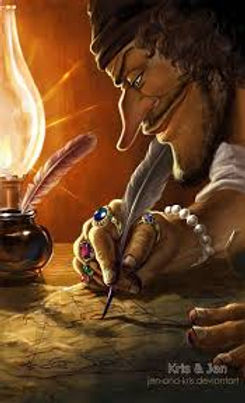
The Blackbeard Writing Meme: Why One Piece Fans and Writers Are Obsessed with Pirate Writing
As a One Piece fan and a writer, it’s rare that I come across a meme that’s so perfectly tailored to my love for both One Piece and the world of writing. Enter the Blackbeard Writing meme, also known as Pirate Writing. If you haven’t seen it yet, trust me, you’ve been missing out. This hilarious meme has been making waves across Reddit and TikTok in 2024, and as someone who spends an unhealthy amount of time scrolling through memes and writing about them, it felt impossible not to talk about it.
So, What Is the Blackbeard Writing Meme?
The Blackbeard Writing meme is rooted in an image that was created by DeviantArt artist jen-and-kris all the way back in 2012. The image shows One Piece’s infamous pirate Blackbeard (Marshall D. Teach), with his signature rings and all, drawing (or more accurately, writing) on a map with a quill pen. Fast-forward a decade, and this piece of art has become the foundation for one of the most viral memes in the writing and meme world.
But here’s the twist—this isn’t just a meme for One Piece fans. Oh no, it’s for anyone who’s ever struggled with the art of writing. You know, those moments when you’re churning out an essay, a novel, or a creative piece of writing, and suddenly you feel like you’re Blackbeard himself—writing down whatever comes to your mind, even if it’s a masterpiece no one will ever read.
How This Meme Is Perfect for Writers (And One Piece Fans)
For those of us who are both writers and One Piece fans, it’s a match made in meme heaven. I’ve spent countless hours pouring over One Piece episodes, getting caught up in the epic adventures of Luffy and crew, and while doing that, I’ve also spent a lot of time writing. As a writer, you often find yourself creating detailed characters, complex backstories, and intricate plots—things that, let’s face it, may never be seen by anyone else. The Blackbeard Writing meme nails that feeling perfectly. It’s like Blackbeard is over here writing elaborate world-building for his pirates, but no one’s actually going to read the map.
It’s not just about the writing struggle; it’s the pirate vibe that makes this meme so cool. Blackbeard’s chaotic, “I’ll do whatever I want” energy aligns perfectly with the way many of us feel when we’re trying to get words on a page. We’re like, “Who cares if nobody reads it? It’s still brilliant!”
From Reddit to TikTok: How the Meme Went Viral
The meme really started to pick up steam in late 2023. It all began with a Reddit post by microwavedraptin in the r/dndmemes subreddit. The post made a joke about Dungeon Masters writing masterpieces of lore that only a handful of players would ever see. Cue the Blackbeard image, and suddenly, we’ve got an iconic meme that blends the struggles of world-building in role-playing games with the frustrations of writing.
From there, the meme spread like wildfire. TikTok picked it up in early 2024, with videos that hilariously connect Blackbeard’s quill-wielding adventures to the everyday struggles of writing an essay or novel. And just like that, the Pirate Writing meme became synonymous with that “I’m making something amazing that might never see the light of day” feeling we all know too well.
The Meme’s Many Faces: Writing Struggles Meet Pirate Swagger
The best part of this meme? It’s flexible. You can make it about anything. Here are some of my favorite versions that really resonate with me as a writer:
- “When you’re writing your novel, but you know no one will ever read it… but you keep going anyway.”
- “How I feel when I write a backstory for my One Piece OC that I’m 100% sure only I will care about.”
- “Writing an essay for class when you’re convinced the teacher will never understand the masterpiece you’re creating.”
- “Me coming up with a ridiculously detailed backstory for my Skyrim character that no one will ever hear.”
It’s funny because it hits close to home for anyone who’s written just for the sake of writing—whether it’s for a school assignment, a novel you’re still editing, or just something you know no one is ever going to read. But hey, that’s the heart of writing, right? You pour your soul into words, and sometimes it feels like it’s all for nothing, but in the end, you know it’s worth it.
Why I Love This Meme: A Perfect Blend of Fandoms and Fun
As a One Piece fan and someone who’s spent plenty of time writing, I can’t help but find this meme hilarious and relatable. Plus, as someone trying to juggle both of those worlds—One Piece and writing—I think this meme is a perfect reflection of that constant, amusing tension. There’s the chaotic Blackbeard energy, mixed with the solitude and perseverance that comes with being a writer. It’s like my own version of a pirate story, but instead of sailing the seas, I’m navigating through endless drafts of character descriptions, plot twists, and editing sessions.
If you’re a One Piece fan, a writer, or even just someone who enjoys the occasional meme, this is one meme you don’t want to miss out on. It’s funny, it’s relatable, and it’s a great reminder that even the most chaotic and seemingly pointless creations can still be masterpieces.
So next time you’re writing, and it feels like nobody will ever care about the hours you’ve put into that chapter or essay, just channel your inner Blackbeard—grab that quill, write like the pirate you are, and know that you’re creating something epic… even if no one ever sees it.
Conclusion: Keep Writing, Keep Meming
The Blackbeard Writing meme is a perfect blend of fandom fun, writing struggles, and meme culture. It taps into that universal feeling of writing something for yourself or a small, niche audience, which is a vibe any writer can understand. It’s also a great way for One Piece fans to connect with their favorite pirate in a completely new way. So, keep your pens sharp and your memes sharper—because in the end, we’re all just trying to write our own epic stories. Even if we’re the only ones reading them.
-
How to Write a Book: A Step-by-Step Guide from Concept to Completion
Writing a book is one of the most rewarding creative endeavors you can undertake. Yet, it can also be overwhelming. With so much to consider — plot, character development, structure, editing — it’s easy to feel lost in the process. But don’t worry, anyone can write a book, and with the right process, you can write yours too without burning out.
In this guide, I’ll walk you through a proven, step-by-step process to get your book from the idea phase all the way to completion. Whether you’re a planner or a pantser, this method will help you create the foundation for success and keep you on track through the ups and downs.
1. Clarify Your ‘Why’ — Understand the Purpose Behind Your Book
Before you even start writing, take a moment to clarify your “why”. Why do you want to write this book? Understanding your underlying motivation will help you stay focused and motivated when things get tough. Are you writing to share a personal story, entertain, inform, or establish yourself as an expert? Identifying your core purpose will give you a roadmap to keep you grounded when you’re uncertain or overwhelmed.
2. Brainstorm Your Book Idea
The Big Picture:
- Begin by brainstorming your main idea. What is the central theme of your story? Is it about love, loss, redemption, or perhaps a thrilling adventure? The more specific you can get, the better.
- Don’t worry about being perfect — at this stage, just get your ideas out there. This will allow you to form the emotional and thematic core of your book.
Avoid Getting Lost in World-Building:
- If you’re writing fantasy, sci-fi, or any genre requiring world-building, it’s easy to get lost in details (languages, histories, etc.). But keep your focus on what drives your plot and characters. Don’t build a world that overwhelms the story.
- Remember: Your world should serve your plot, not the other way around.
3. Create a Plan — The Outline (or Not)
Outlines are often seen as the secret weapon of successful authors. But here’s the thing: not every writer works the same way. Some like detailed outlines, others prefer to dive in and figure things out along the way.
For Planners (Outliners):
- Traditional Outlines: Map out your chapters, major plot points, and character arcs. Break it down into scenes or acts, using structures like The Three Act Structure or Save the Cat to guide you.
For Pantsers (Non-Outliners):
- If outlining stresses you out, start with a general plot summary or even a few bullet points. You can also use mind maps to connect key plot points, characters, and themes.
- The goal is to have a framework to guide you, even if it’s flexible.
4. Overcome Writer’s Block — Keep Moving Forward
Every writer faces writer’s block at some point. Don’t let it derail your progress.
Quick Tips:
- Set small, achievable goals: Break your writing into bite-sized pieces. Aim for just 500 words per day, or even a single paragraph or scene.
- Change your environment: Sometimes, a new setting can spark creativity. Try writing in a café, library, or park.
- Give yourself permission to write badly: The first draft doesn’t have to be perfect. Just write and fix it later.
5. Get Your First Draft on Paper — Perfection is the Enemy of Progress
The first draft is often the hardest part. You might feel like it’s never good enough, but don’t aim for perfection here. The goal is to get your ideas down. Editing comes later.
Tips for Your First Draft:
- Write without self-editing: This can be tough, but remember — you’ll have plenty of time for revisions after the draft is finished.
- Don’t worry about pacing or minor details: Just tell the story from beginning to end. The first draft is a rough sketch, not the final masterpiece.
6. Rewriting and Editing — It’s Time to Refine
Once your draft is complete, it’s time to put it away for a few days. Let it rest so you can come back to it with fresh eyes. Then, begin the rewriting process.
Focus on Structure First:
- Start with big-picture edits: Does your plot make sense? Are your character arcs clear? Is the pacing right?
- Line edits come next, focusing on grammar, sentence structure, and word choice.
Consider Beta Readers: Before you go to agents or publishers (or publish it yourself), it’s essential to get feedback. Beta readers can offer invaluable insight and help you spot issues you may have missed.
7. Publishing Your Book — The Big Decision
Now that your book is polished, it’s time to decide how to publish.
Self-Publishing vs. Traditional Publishing:
- Self-publishing gives you complete control over your work, but it requires effort in marketing, distribution, and book formatting.
- Traditional publishing often means working with agents or publishers, but it can be more time-consuming and competitive.
Action Tip: If you choose self-publishing, start learning about book marketing and distribution as soon as possible. If you go the traditional route, research agents or publishers that align with your genre and style.
8. Promote Your Book — Get the Word Out
Writing and publishing your book is only half the battle. The next step is to promote it.
Building Your Author Platform:
- Social Media: Create an author presence on platforms like Instagram, Twitter, and Facebook.
- Start a Blog: Share writing tips, book updates, and excerpts to attract an audience.
- Email List: Build a list of interested readers who want updates on your book.
SEO Tip: Create blog posts and articles that answer common questions about writing or your book’s genre. This will help improve your visibility and drive more traffic to your site.
Final Thoughts: Keep Writing
Writing a book is a marathon, not a sprint. There will be highs and lows, but staying committed is the key to getting your book done. You don’t need to have everything figured out from the beginning. The process is messy, but the reward is worth it.
Remember: Your book is out there waiting for you to write it. Start today!
-

Loneliness: The Path to Inner Contentment and Emotional Resilience
I recently watched a video by Michael Mikey titled “A Loneliness Epidemic?” in which he addresses the growing narrative around male loneliness. He challenges the idea that loneliness is something exclusive to men, and instead, he highlights how this issue affects people across all demographics. Mikey argues that while loneliness is real, the media often exaggerates or oversimplifies the problem for the sake of sensationalism. He encourages us to think critically about the structural and cultural forces, like capitalism and digital alienation, that contribute to isolation. Mikey’s approach struck a chord with me, especially when he pointed out that loneliness isn’t something that needs to be “fixed” in the typical sense. Instead of focusing on finding more people to fill emotional gaps, he emphasizes the importance of understanding loneliness and learning to coexist with it, which led me to think more deeply about how we can learn to be content with ourselves and our lives as they are.
Loneliness isn’t something new. We’ve all felt it at one point or another. But recently, there’s been a surge in discussions around loneliness, especially in the context of gender—particularly male loneliness. The media narrative often makes it seem as though loneliness is a condition to be fixed, something that must be overcome with relationships, friendship, and an emotional lifeline. But what if loneliness isn’t necessarily something that needs to be fixed in the conventional sense? What if the key to overcoming loneliness isn’t about finding more people to fill the emotional gaps, but learning to be content with yourself?
I’m not talking about some idealized version of contentment where you simply “accept your situation” as it is, or make peace with the fact that you’re lonely. What I mean is deeper. I’m talking about finding peace within your own life, your own mind, and your own choices. This isn’t about forcing happiness or pretending everything is fine—it’s about developing a level of emotional resilience that allows you to feel at peace even when loneliness knocks at your door.
Here’s the paradox: loneliness is painful, but that doesn’t mean the solution is always found in chasing others to fill that void. Sometimes, the best way to deal with loneliness is through emotional detachment—not in the extreme sense where you shut down or withdraw from the world, but in a healthy way where you stop allowing your emotions to be dictated by the presence or absence of others.
Detachment doesn’t mean you stop caring. It doesn’t mean you stop wanting relationships, friendships, or emotional connections. It means learning how to not let your emotional well-being hinge entirely on those external sources. It’s about finding a level of internal peace where loneliness becomes something you can experience without it completely overwhelming you.
This might sound counterintuitive—how could apathy or detachment lead to contentment? Isn’t detachment the opposite of connection? The trick is finding balance. You don’t want to detach so much that you lose your ability to connect with others. You don’t want to shut yourself off from love or companionship. But by detaching from the need for external validation or constant interaction, you can start to build a foundation of self-contentment. In this space, you can thrive even in solitude. This form of self-sufficiency isn’t about rejection; it’s about acceptance of the present and a deeper understanding of your emotional needs.
This is where optimistic nihilism can play a role. Yes, the world can feel meaningless at times. There’s a lot of suffering, a lot of emptiness, and a lot of things that seem out of our control. But that’s exactly why embracing an optimistic nihilist outlook can help in times of loneliness. It’s the realization that nothing has inherent meaning, but you get to create meaning. In a world that often feels chaotic, your ability to focus on what matters to you—not to society’s expectations or what others think—is an act of liberation.
Optimistic nihilism teaches that while the universe might not care about your loneliness, you do. And that’s enough. You are the creator of your own narrative. You get to define what gives you joy, what sustains you, and what makes your life worthwhile. And when you come from that perspective, loneliness doesn’t feel like the end of the world. It just becomes a temporary phase—a passing moment that doesn’t need to define you.
I get it. This is hard work. It’s easy to say, “Find peace within yourself,” but the reality is that it takes time. It’s a journey, not a destination. It’s okay to not have it all figured out. It’s okay to feel lonely some days. The goal isn’t to push away those feelings or to force yourself into constant self-sufficiency. The goal is to allow those feelings, acknowledge them, and then move through them with grace.
If you’re in your 20s, like I am, or at any other stage in life, and you’re just starting to come to terms with your own emotional needs, you’ll likely find that this process isn’t quick. It’s not something that happens overnight. But with patience, introspection, and some level of emotional detachment, you can eventually reach a place where you’re not at war with your loneliness. Instead, you’ll find ways to coexist with it, live with it, and even use it as a tool for growth.
Ultimately, contentment with oneself is a deeply personal journey. It’s not about becoming numb to the world or losing the ability to care about others. It’s about discovering how to find meaning, purpose, and peace without constantly looking outward. You don’t need to fix loneliness. You just need to understand it. And with time, you’ll see that being okay with yourself, as you are—lonely or not—is the truest form of freedom.
-

HBO Max: A Brand in Quantum Flux – What’s Next?
HBO Max, or should I say Max, or maybe HBO Max again? At this point, the streaming service’s identity crisis is more dramatic than the plot of any of its hit series. The latest twist in this saga is the announcement that Max is—wait for it—reverting back to HBO Max. After spending a mere two years as “Max,” Warner Bros. Discovery has decided, in a move that could only be described as “just kidding,” that the world really needs that beloved HBO branding back. And while the marketing team behind this rollercoaster ride of a name change might be hoping for a fresh, “this is what the people want” type of narrative, it honestly feels more like watching someone with commitment issues trying to pick out a pair of shoes for 30 minutes, only to decide none of them are quite right.
Imagine living in a universe where a giant corporation can’t even commit to a name. If HBO Max were a person, it would probably be the friend who swears they’re cutting out carbs this week but then orders an entire pizza with extra cheese because “this is the last time.” It’s the streaming equivalent of being “in a relationship but also seeing other people,” with HBO Max simultaneously wanting to be both the high-quality content platform and everything to everyone. It’s like they’re trying to be the Netflix, Hulu, Disney+, and Peacock of the world—all while wearing the same “HBO” t-shirt. But then, in the ultimate twist of irony, they decided to throw it all out and—you guessed it—bring back the name they had in the first place.
So, what’s next? Are they going to take it up a notch and just call themselves “M”? Maybe a single, enigmatic letter is the future of branding. “M” could mean anything, but in a world of oversaturation, it might just be the most fittingly minimalist identity yet. It’s subtle, sleek, and leaves plenty to the imagination. Or perhaps, just to be even more avant-garde, it’ll evolve into an emoji. Imagine: a single streaming service that’s a tiny blue square with a white “H” inside, and that’s it. That’s the future—branding for the post-names era. Who needs words when you have symbols, right?
If HBO Max really wants to go all-in on this, maybe the next iteration will be something even more obscure: Wingdings. Picture it now: an entire streaming service, run on nothing but unintelligible symbols. Maybe “HBO Max” will start with one Wingding character, then switch to a whole string of characters, leaving subscribers to decode what content they’re watching. Could it be a cult classic series? A blockbuster film? No one knows—until they decode it.
And yet, the most absurd part of this ongoing name drama is that it makes Chidi from The Good Place look like a confident Chad Alpha. For those who don’t remember Chidi, he’s the neurotic philosopher who can’t make a decision to save his life—someone who might still be debating whether to eat cereal or toast in the morning. If Chidi were in charge of naming HBO Max, it’d be a 45-minute existential crisis every time they rebranded. Meanwhile, the Warner Bros. Discovery execs are over here flipping through the corporate version of “Pick a Name” Bingo, uncertain if they want to be “Max” today or “HBO Max,” because—let’s face it—they can’t commit to anything. Not even something as basic as the name of their streaming service. So, yes, Chidi may be paralyzed by his indecision, but at least he wouldn’t make everyone watch a marketing department have an existential meltdown on national television.
What’s the takeaway here? Well, HBO Max—or whatever it’s calling itself next month—might need to take a long, hard look at what it wants to be when it grows up. Is it HBO, or is it Max? Is it everything or just something distinct and great? Because right now, they’re stuck in a quantum loop of naming decisions, where the past and future are both collapsing into the same chaotic branding black hole. And until they figure it out, we’ll just be left here, watching their ongoing struggle, as it makes us appreciate Chidi’s decision-making prowess more than ever.
-

The Jaime David Podcast – Episode 11: Trains
Episode 11 of my podcast is out.
Transcript:
The Jaime David Podcast – Ep. 11 “Trains”
JAIME DAVID:
Hey, everyone! Welcome back to The Jaime David Podcast! It’s your host, Jaime David, and today we’ve got another fun one for you. If you’ve ever had to deal with public transportation—specifically trains—you’ll know exactly where I am coming from with today’s poem. It’s all about those frustrating moments when you just want to get where you’re going, but of course, something stands in the way.So, without further ado, let’s jump into the poem called Trains, and then I’ll break it down afterward.
[Reading the poem]
Trains
Get there.
Pay your fare.
Train’s not there.
It’s not fair!JAIME DAVID:
Ah, trains. The endless cycle of getting to the station, paying your fare, and… waiting. Sometimes they show up on time, but other times? Not so much. That’s basically what I wanted to capture with this short poem. It’s the frustration that comes with public transport, especially when it’s unpredictable. You’ve got your whole day planned out, you’re on a schedule, and then, suddenly, there’s a delay.I think a lot of us have experienced that feeling—whether it’s the train not showing up on time or that moment of panic when you’re running to catch it and it pulls away just as you’re about to board. It’s a feeling that can throw off your entire day.
The Struggle of Commuting
There’s something about public transportation, especially in busy cities, that just brings out the worst in us. It’s the hustle, the crowd, the waiting, the uncertainty. It’s not just a train—it’s a metaphor for life sometimes. We work hard to get where we’re going, but sometimes, things are out of our control.It’s like when you’ve done everything right, you’ve paid your fare, and you’re on time, and then the world just says, “Nope, not today.” It can feel unfair.
But here’s the thing: while the delays are annoying, they’re also a part of the experience. They’re a reminder that we can’t control everything. There are things outside of our control that happen, no matter how much we prepare. Sometimes, the best we can do is just sit with the frustration, accept it, and wait for the next opportunity to move forward.
A Moment to Reflect
I wanted this poem to be short and punchy because, sometimes, that’s all you need to say. It doesn’t need to be an elaborate story—it’s the simple moments that are relatable to everyone. We’ve all been there. But I also hope it serves as a reminder that, while life doesn’t always go according to plan, we can’t let the small setbacks stop us.Whether it’s a train delay, a missed opportunity, or just one of those days, don’t let it knock you down. It’s just one moment in the journey. And, as the saying goes, “This too shall pass.”
Closing Thoughts
So, the next time you’re running to catch that train or stuck waiting for one that’s running late, remember—frustration is natural, but it’s all part of the ride. Keep going, and keep moving forward. Things may not always happen when you want them to, but eventually, they’ll come around.Thanks for listening to today’s episode of The Jaime David Podcast. If you liked this, be sure to check out my blog for more poetry and reflections. I will be back soon with another episode.
Take care, everyone, and keep riding the train of life.
[End of episode]
watch on tiktok:
watch on rumble:
watch on bitchute:
https://www.bitchute.com/video/a4S8iQOFFPc
watch on dailymotion:
watch on vimeo:
watch on locals:
The Jaime David Podcast – Episode 11: Trains (Writing … – jaimedavid Community
watch on odysee:
-
Sharing a Name with a Politician: What I Found When I Googled Myself
Introduction:
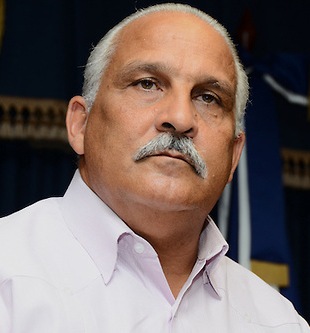
Google is both a blessing and a curse. Whether you’re looking for inspiration or just killing time, we all end up googling our own names at some point. For me, it was curiosity — who else shares the name Jaime David? I didn’t expect to find much, but I definitely didn’t expect this.When I typed in my pen name, I was greeted with Jaime David Fernández Mirabal, a former Vice President of the Dominican Republic and a prominent political figure in his own right. Not exactly what I was hoping for. But let’s be real — it was kind of fascinating. And who knew that the shared name would lead me down a rabbit hole that’s both a little bit funny and a lot insightful?
What I Learned:
So, who is this Jaime David Fernández Mirabal? He served as Vice President of the Dominican Republic from 1996 to 2000 under the first government of the Dominican Liberation Party, and later as the Minister for Environment and Natural Resources. His work focused on environmental sustainability, natural resources conservation, and shaping the country’s environmental policies. There’s even some controversy surrounding his work — but, as I learned from the web, politics is a world of controversy, right?It was a little jarring to discover that my name was attached to someone with such a public platform. Here I am, trying to make my mark as a writer, and there’s a well-known politician with the same name, not only dominating Google searches but also impacting real-world policies. It definitely made me think about identity and how names can shape us in unexpected ways.
The Power of Names:
I’ve always been fascinated by names — the stories they carry, the weight of their histories, and how they influence how the world perceives you. I mean, I chose the pen name Jaime David for a reason. It felt like a balance of strength and creativity. But now, seeing this other Jaime David pop up on every search result made me reflect on how much a name can shape one’s identity.It got me thinking about what it must be like to live with a name that’s shared by someone famous or infamous. It can be both a gift and a burden. A name can open doors or create confusion. It can be a tool for success or a constant reminder of someone else’s shadow. And sometimes, it’s just kind of funny.
Imagining a Different Life:
Now, as I’m writing this post, I can’t help but imagine: What if I was that Jaime David? What if I were in his shoes, managing environmental policies and making political decisions? What would my life have looked like if I had followed a different path? I suppose I’d have a lot less time to write, and a lot more time in meetings.But honestly, I’m kind of glad I’m not that Jaime David. I prefer my world of writing, creativity, and reflecting on the power of words. The whole experience was a reminder that identity is fluid — sometimes a name can mean more than we expect, but we still get to define who we are.
Conclusion:
So, there you have it. A simple Google search revealed not only the name I’ve chosen to write under but also a completely different person with a very public life. It’s a strange feeling, but it’s also kind of fun. For now, I’ll just have to share my name with the politician and hope that over time, my Jaime David starts to pop up on search engines a little more. -
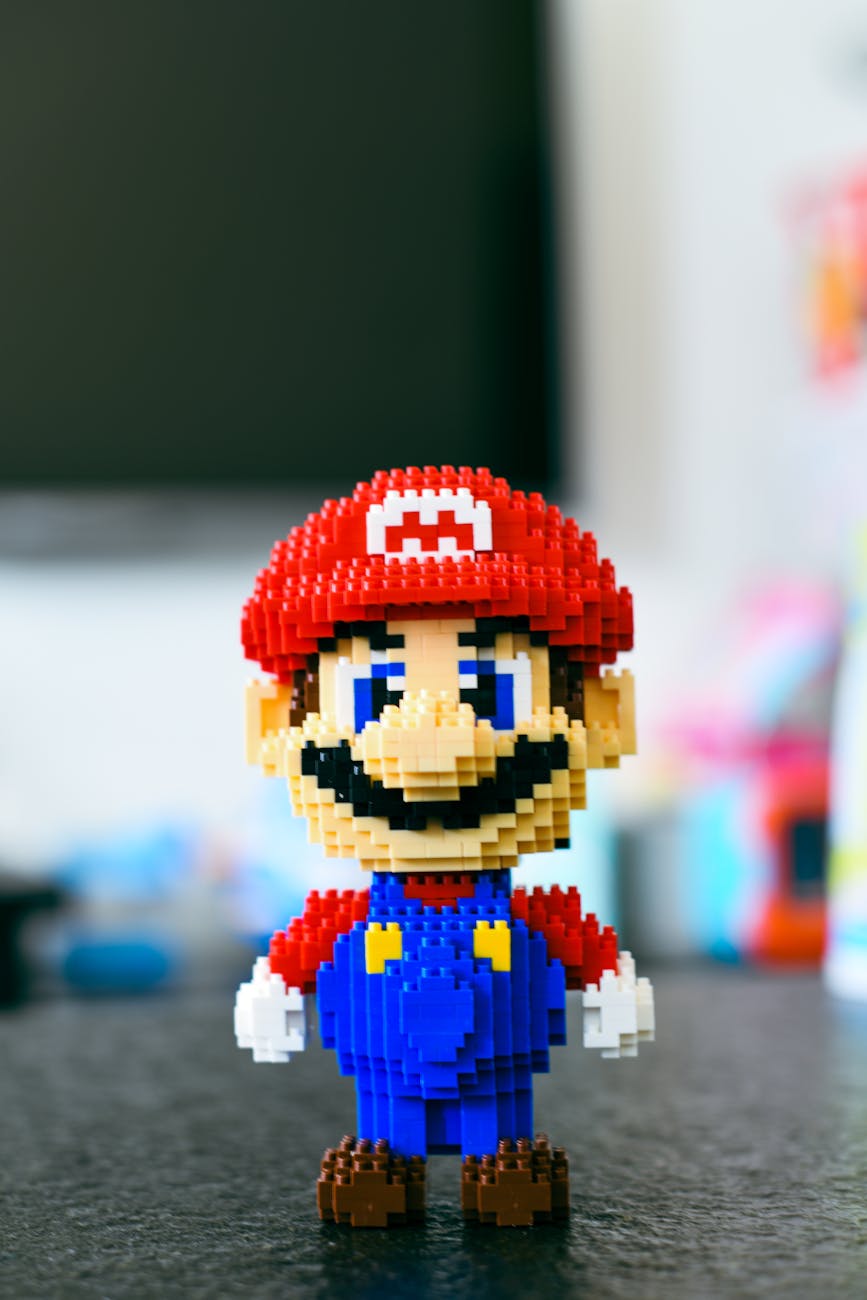
lol. “good friends”
right. ok, nintendo. they’re “good friends.” sorta like just how ross and rachel, or robin and ted, or fry and leela, or insert any fictional couple, are “good friends.”
gimme a break
-

Flashback Fridays #11: Meme Formats That Defined the 2010s — The Language of the Internet
Memes became a universal language during the 2010s, with formats that spread rapidly and evolved constantly.
“Distracted Boyfriend”: A stock photo repurposed to represent relationship metaphors. Its adaptability made it iconic.
“Success Kid”: An image of a toddler clenching his fist symbolizing small victories, inspiring countless captions.
“Dogecoin” and “Shiba Inu”: The “Doge” meme’s rise turned it into a cultural and financial phenomenon.
Memes as Social Commentary: Memes evolved from silly jokes to vehicles for political satire and social critique.