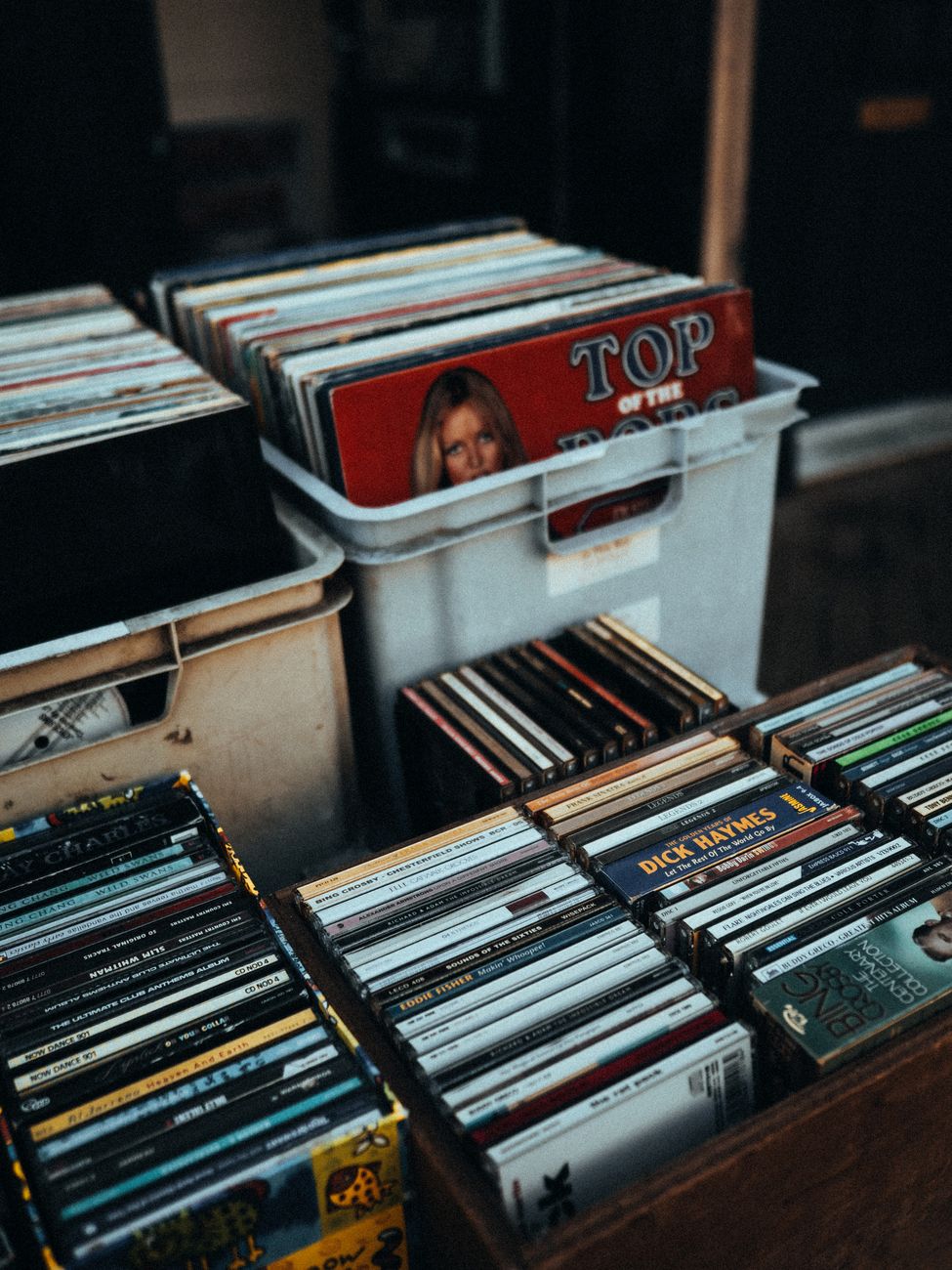
There is something satisfying about building a music collection. In a world where almost every song imaginable can be streamed instantly, there is still something special about owning music in a physical format. Holding an album in your hands, opening the case, looking through the booklet, reading the credits, and knowing that it is part of your own collection feels different than simply clicking play on an app. Streaming is incredibly convenient, and I use it all the time, but there is a certain feeling that comes from collecting physical music that just cannot be replicated digitally.
For me, collecting CDs has become one of those hobbies that slowly sneaks up on you. It starts with one album. Then another catches your eye. Then another. Before you know it, you are checking online stores, browsing local shops, and thinking about which artist you want to add next. There is no rush to build a giant collection overnight. In fact, I think taking your time makes the hobby even more enjoyable because every new addition feels meaningful.
My collection originally started with Blue October. That band has been incredibly important to me for years, and it felt like the perfect place to begin. If you know me through my writing, my podcast, or even some of my conversations online, you probably already know how much I appreciate Blue October’s music. Their songs have a way of balancing emotional honesty with incredible musicianship, and their albums have become some of my favorites. Starting my collection with them simply felt right.
After that, though, I started branching out.
It is funny how collecting works. Once you have one artist on your shelf, suddenly you start thinking about all the other artists whose music has been part of your life over the years. You realize that your listening habits are much broader than you originally thought. Instead of stopping with a single band, you begin creating a collection that reflects your musical journey.
That is exactly what happened with me.
Since then, I have added several more artists to my growing CD collection. Alter Bridge has joined the shelf with their powerful blend of hard rock and incredible guitar work. Linkin Park, one of the defining bands of the 2000s, naturally earned a place as well. Evanescence brings their unmistakable mix of rock, orchestral elements, and haunting vocals. Eminem represents an artist whose lyrical ability and storytelling have influenced multiple generations of hip-hop listeners. Jay-Z adds another legendary voice whose impact on rap and music as a whole is impossible to ignore.
Then there is Story of the Year, another band whose energetic sound fits perfectly into the kind of music I have always enjoyed. Finally, My Chemical Romance has become another addition to the shelf, bringing along the theatrical style and emotion that made them one of the defining alternative rock bands of their era.
Looking at the collection now, I realize it is beginning to represent different chapters of my own life. Every artist reminds me of different moments, different memories, and different stages of growing up. Music has a funny way of attaching itself to experiences. Sometimes you hear a song and instantly remember where you were, who you were with, or what was happening in your life when you first discovered it. Physical collections almost become memory collections in that sense.
One thing I find interesting is that I am not trying to become a completionist. There are people who collect every single release, every deluxe edition, every international pressing, every promotional copy, every colored vinyl variant, and every limited edition imaginable. I have a lot of respect for collectors like that because it takes incredible dedication.
For me, though, I simply enjoy building a collection that represents artists I genuinely enjoy listening to. I do not feel pressure to own absolutely everything. I think hobbies become much more enjoyable when you remove the feeling that you have to collect every single item. Instead, every purchase becomes something you actually want instead of something you feel obligated to buy.
Another thing I enjoy about CDs is how practical they still are. They are compact, relatively inexpensive compared to many other physical formats, and they are easy to store. Modern cars may not always include CD players anymore, but there are still plenty of ways to enjoy them at home or rip them for personal listening. Plus, they simply look nice lined up together on a shelf.
There is also an appreciation for album artwork that often gets lost in streaming. Sure, Spotify, Apple Music, and other services display album covers, but it is different seeing them in person. You notice details that you may have overlooked before. You read the acknowledgments, the production credits, the photography, and sometimes even the lyrics. Albums become complete artistic packages instead of just collections of audio files.
As someone who has also started releasing my own music, I think I appreciate physical media even more than I used to. Creating music involves so much work behind the scenes that sometimes gets overlooked. Recording, mixing, mastering, designing artwork, planning releases, writing credits, and countless other steps all contribute to the final product. Holding a physical album reminds me that every release represents months or even years of effort from the artists involved.
One thing I have noticed while building my collection is that it has encouraged me to revisit artists I had not listened to in a while. Sometimes buying an album reminds you just how many great songs an artist has beyond the biggest radio hits. You start listening from beginning to end instead of jumping between playlists. That is one of my favorite parts of owning albums. They encourage you to experience music the way the artists originally intended.
Albums tell stories.
Some albums flow naturally from one song into another. Others build emotional arcs throughout the track list. Some experiment with different sounds while maintaining a consistent theme. Listening to an album straight through often creates a completely different experience than hearing individual songs randomly shuffled together.
That is one reason why I still think albums matter.
Even in the streaming era, albums remain artistic statements. They capture where an artist was creatively during a specific period of time. Owning physical copies makes that feel even more tangible.
Now, I do have to admit something that still makes me laugh.
While expanding my collection, I accidentally ordered a vinyl record.
Yep.
A vinyl.
The funny part?
I do not even own a record player.
Somehow, while ordering online, I selected the vinyl edition instead of the CD version. I did not notice until after it arrived. I opened the package, looked at this much larger square sleeve, and immediately realized something was not quite right.
My first thought was basically, “Well…that’s definitely not a CD.”
After laughing at myself for a minute, I thought about returning it. Then I stopped and asked myself a simple question.
Why?
Sure, I cannot actually play it right now, but there is really no harm in keeping it. Vinyl records look fantastic. The larger artwork is beautiful, and maybe someday I will eventually buy a record player anyway. If that day comes, I will already have my first record waiting for me.
Sometimes little mistakes end up becoming fun stories instead of actual problems.
In a way, I almost like that my first vinyl came into my collection completely by accident. It was not planned. It was not part of some grand strategy to start collecting records. It just happened, and now it has become one of those little stories I will probably tell every time someone notices it sitting on my shelf.
Honestly, I think almost every collector eventually has a story like that.
Maybe someone ordered the wrong edition.
Maybe they accidentally bought a duplicate.
Maybe they forgot they already owned something.
Maybe they purchased a version from another country without realizing it.
Collecting is rarely perfect, and sometimes those imperfections make the hobby even more memorable.
If there is one lesson I learned from my accidental vinyl purchase, it is actually a useful one.
Always double-check the format before placing your order.
Seriously.
This sounds obvious until you are scrolling through listings online. Many albums are available in multiple versions at the exact same time. CDs, vinyl records, cassettes, digital downloads, deluxe editions, anniversary editions, collector’s editions, and sometimes several color variants of the same release all appear together.
If you are shopping quickly, it is surprisingly easy to click the wrong one.
The product photos often look similar.
The titles may differ by only one word.
Sometimes the format is listed in relatively small text.
Before you click that final purchase button, take an extra few seconds to confirm exactly what you are buying. It can save you from receiving something you were not expecting.
Of course, if your mistake ends up being as harmless as mine, you may just end up with a funny story and a nice decorative piece until you eventually have something to play it on.
As my collection continues to grow, I have no idea where it will eventually end up. There are countless artists I enjoy, and there will probably always be another album that catches my attention. I am perfectly okay with taking things slowly. There is no deadline. There is no race. Every addition simply reflects another artist whose work has meant something to me.
I also enjoy the idea that my shelf is becoming a snapshot of my own musical tastes. Years from now, I will probably look back at it and remember exactly when I added each artist. Some albums will remind me of certain jobs, certain friendships, certain creative projects, or even certain seasons of life. Music has always had that ability to preserve memories in ways few other things can.
It is also interesting how collecting physical media has changed my relationship with music. Instead of endlessly scrolling through thousands of songs wondering what to listen to next, I sometimes find myself standing in front of the shelf, looking at the spines of the CDs, and simply picking one. There is something refreshingly simple about that experience. It feels intentional. Instead of algorithms making suggestions, I am choosing an album because I genuinely want to hear it.
That is another reason I enjoy collecting. It slows things down just enough to appreciate the music itself rather than constantly chasing whatever is newest or trending. Great albums remain great albums no matter how old they are. Whether they came out last month or twenty years ago, good music continues to connect with listeners.
Who knows? Maybe one day I really will buy a record player and accidentally starting with a vinyl will turn out to have been the perfect beginning to another collection. Or maybe I will stick primarily with CDs and simply let that one record remain the oddball conversation piece that started with an online shopping mistake. Either way, I am not complaining.
Every collection starts somewhere. Mine happened to begin with Blue October before expanding to include Alter Bridge, Linkin Park, Evanescence, Eminem, Jay-Z, Story of the Year, and My Chemical Romance. Along the way, I accidentally added a vinyl record that I cannot even play yet. Somehow, that unexpected detour has become one of my favorite parts of the story.
So if you are thinking about starting your own music collection, my advice is simple. Buy the artists you genuinely love. Take your time. Do not worry about having the biggest collection. Enjoy the experience of discovering music in a physical format. Appreciate the artwork, the packaging, and the stories behind each album. Most importantly, before you click that checkout button online, take one last look and make absolutely sure you selected the correct format. Otherwise, you just might find yourself unexpectedly becoming the owner of a vinyl record before you even own a record player.