Paste my profile into the search field of your favorite open social app or platform.
Your Profile
Or, if you know your own profile, we can start things that way! Why do I need to enter my profile?
This site is part of the ⁂ open social web, a network of interconnected social platforms (like Mastodon, Pixelfed, Friendica, and others). Unlike centralized social media, your account lives on a platform of your choice, and you can interact with people across different platforms.
By entering your profile, we can send you to your account where you can complete this action.
Hey again, and welcome back to The Jaime David Podcast. I’m your host, Jaime David, and today we’re diving into Episode 5 of this poetry series. Thanks for spending some time with me.
Each episode, I read one of my poems and unpack a little of the meaning behind it—where my head was at when I wrote it, and where your thoughts might wander as you listen.
Today’s poem is called Night. It’s about darkness—literal and emotional—and the quiet promise of light.
Let me read it for you.
JAIME DAVID (reading “Night”):
It is darkest at night, When there is no light, And you don’t feel right Because there is no sight.
But in time, the Sun will rise, and soon there will be complete daylight.
JAIME DAVID (reflective commentary):
This piece came from a place of stillness and struggle. That feeling when everything is heavy, uncertain, maybe even frightening. It’s about those moments—whether late at night or deep in life—where you feel like you’re completely in the dark. You can’t see ahead, can’t find your footing, and everything just feels off.
That’s the emotional core of the opening lines: “It is darkest at night, / When there is no light, / And you don’t feel right…”
There’s a sense of helplessness that comes when you’re lost in the unknown. That darkness isn’t just outside—it’s internal. And what makes it worse is the absence of sight—of clarity, of hope, of direction.
But this poem is also a reminder. A quiet reassurance.
Because even in the deepest night, time doesn’t stop. And eventually, the sun does rise.
“In time, / the Sun will rise, / and soon there will be complete daylight.”
It’s a truth we all know, but sometimes forget when we’re hurting: no night lasts forever. The light does return, and with it, peace, perspective, maybe even renewal.
PERSONAL NOTE:
I wrote this for anyone who’s ever gone through a hard season—whether that’s depression, loss, anxiety, or just feeling stuck. I wanted to put something gentle and hopeful into the world, something simple enough for anyone to hold on to.
Because sometimes all we need is a reminder that darkness isn’t the end of the story. It’s just a chapter.
BIGGER PICTURE:
There’s something universal about the sun rising. No matter where you are, or who you are, it happens. Every single day.
That kind of reliability—especially when things feel chaotic—can be grounding. It’s nature’s way of reminding us that cycles exist, and that healing, clarity, and light are part of the rhythm.
So if you’re listening to this and going through a tough time, maybe this poem can sit with you. Maybe it’s not offering solutions, but it is offering companionship and a little bit of faith in what’s coming next.
OUTRO:
That was Night, a poem about darkness and the quiet certainty of morning.
Thanks for being here for Episode 5 of The Jaime David Podcast. If you’d like to read the poem or share it, it’s up on the blog at jaimedavid.blog.
Feel free to follow or subscribe to the podcast, and if it speaks to you, pass it along to someone else who might need a little light.
Next time, we’ll explore another poem—maybe something about movement, memory, or change. We’ll see.
Until then, take care of yourself. Keep going. The sun always rises.
🎙️ The Jaime David Podcast — Episode 4: “Language”
JAIME DAVID (thoughtful, curious tone):
Hey everyone—welcome back to The Jaime David Podcast. I’m your host, Jaime David, and this is the space where I take you behind the poems. Every episode, I choose a piece I’ve written, read it aloud, and explore what inspired it, what it means, and what it might stir up for you, the listener.
Today’s poem is called Language. It’s short, rhythmic, and deceptively simple—but it holds something powerful about how we experience and understand communication.
Here’s the piece.
JAIME DAVID (reading “Language”):
We see it. We hear it. We write it. We think it. But you don’t actually know it until you learn it.
JAIME DAVID (reflection/analysis):
I remember writing this with the idea that language is everywhere—we’re immersed in it. It’s on signs, on screens, in our thoughts, in the voices around us. It’s such a constant presence that we almost take it for granted.
But just because we interact with language doesn’t mean we understand it.
That’s what the last line is about: “But you don’t actually know it until you learn it.”
And learning a language—really learning it—goes beyond memorizing words or grammar rules. It’s about catching the nuances, the tone, the rhythm, the context. It’s about understanding the unspoken—the cultural, emotional, and historical baggage that comes with certain phrases or expressions.
So much of language is coded. It carries meaning that changes depending on who’s speaking, who’s listening, where it’s being used, and what’s not being said.
PERSONAL REFLECTION:
I’ve always been fascinated by how language shapes thought. Like, how the words available to you—your vocabulary—can limit or expand the way you process the world.
There’s that famous quote: “The limits of my language mean the limits of my world.” This poem is kind of a whisper in that direction.
Just because we’re surrounded by language doesn’t mean we’re fluent in it—or that we’re fluent in someone else’s. And sometimes, we think we understand what someone means, when really, we’re missing the point completely because we haven’t learned their language—not just the words, but the experience behind them.
SOCIETAL CONNECTION:
We see this everywhere in communication breakdowns—across cultures, across generations, across political lines. People might be speaking the same language on paper, but not really understanding each other.
And on the flip side, sometimes people who don’t speak the same language do understand each other—through tone, gesture, empathy. Because learning a language is also about being open. Being willing to slow down, to ask questions, to listen with curiosity.
So this poem is a little reminder not to assume comprehension just because we recognize the symbols. We’ve got to actually learn—and keep learning—if we want to truly connect.
OUTRO:
That was Language—another micro poem with macro implications.
Thanks again for tuning in to The Jaime David Podcast. You can find this poem, along with others, on my blog at jaimedavid.blog. If you’re enjoying these episodes, go ahead and hit that subscribe button or share this podcast with someone who might vibe with the content.
In the next episode, I’ll dive into another piece—maybe something a little more emotional or philosophical. We’ll see where the writing takes us.
Until then—keep learning, keep listening, and as always… keep musing
🎙️ The Jaime David Podcast — Episode 3: “Perception”
JAIME DAVID (calm, reflective tone):
Hey everyone—welcome back to The Jaime David Podcast.
I’m your host, Jaime David. And if you’re new here, this podcast is all about exploring the layers behind my writing—sharing poetry, personal reflections, and deeper conversations about the emotions, meanings, and questions that inspire each piece.
Today, I’m revisiting a very short poem. Just two lines. But sometimes, two lines are all you need to hit something real.
The poem is called Perception, and I originally posted it on October 28, 2019—the same day as Instant Gratification, which I covered in the last episode. That was clearly a creative day for me.
Here it is.
JAIME DAVID (reading “Perception”):
It takes just one word To change the perception of someone’s world.
JAIME DAVID (reflection/analysis):
I think what I love most about this piece is how much it says with so little.
One word. That’s all it takes. One compliment. One insult. One label. One sentence said the wrong—or right—way. And suddenly, someone’s entire experience, their sense of self, their view of you, or of life, shifts.
It’s wild how fragile perception can be. We think of it as something solid—like a worldview that’s built up over time. But in reality, it can pivot in a second. A single word can open a door… or slam it shut.
There’s a kind of caution embedded in this poem. A reminder to be mindful of our language, because words matter. Words shape things. They’re not just tools for communication—they’re tools for construction, for destruction, for transformation.
PERSONAL REFLECTION:
I remember writing this and thinking about all the moments in my own life where someone said something to me—whether it was intentional or offhand—and it just stuck.
Sometimes for better, sometimes for worse.
A teacher telling me I was “a good writer” when I was a kid—that sparked something in me. But I’ve also carried phrases that chipped away at my confidence, even if they were just said once.
And I’ve done the same to others—whether I meant to or not. We all have.
So this poem, in a way, is also about accountability. We all have the power to influence how someone sees the world, how they see themselves. And we can’t always control the impact of our words—but we can try to be intentional about them.
SOCIETAL CONNECTION:
Zooming out, this piece speaks to a larger truth about storytelling, media, identity politics—really, how the world is framed.
Think about how language is used in headlines, in policies, in social movements. One word can frame a group as heroes or threats. One term can humanize—or dehumanize.
Language isn’t neutral. It’s loaded. And perception isn’t passive—it’s shaped by what we hear, what we internalize, what we’re told over and over again.
This poem is a quiet reminder of that.
OUTRO:
So that’s Perception—a tiny poem with a big ripple effect.
Thank you for listening to this episode of The Jaime David Podcast. You can find this poem and all the others on my blog at jaimedavid.blog. If this episode resonated with you, I’d love if you’d subscribe, share it with a friend, or leave a review to help more folks discover the podcast.
In the next episode, I’ll be diving into another early piece—maybe something about memory, or the weight of time. You’ll just have to tune in and see.
The Jaime David Podcast – Episode 3_ Perception In this episode of the podcast, I go over my poem “Perception” from my blog site, the third ever poem I wrote on there. podcast blog poetry
Inspired by Noer’s video and the fan concerns surrounding a linear adaptation
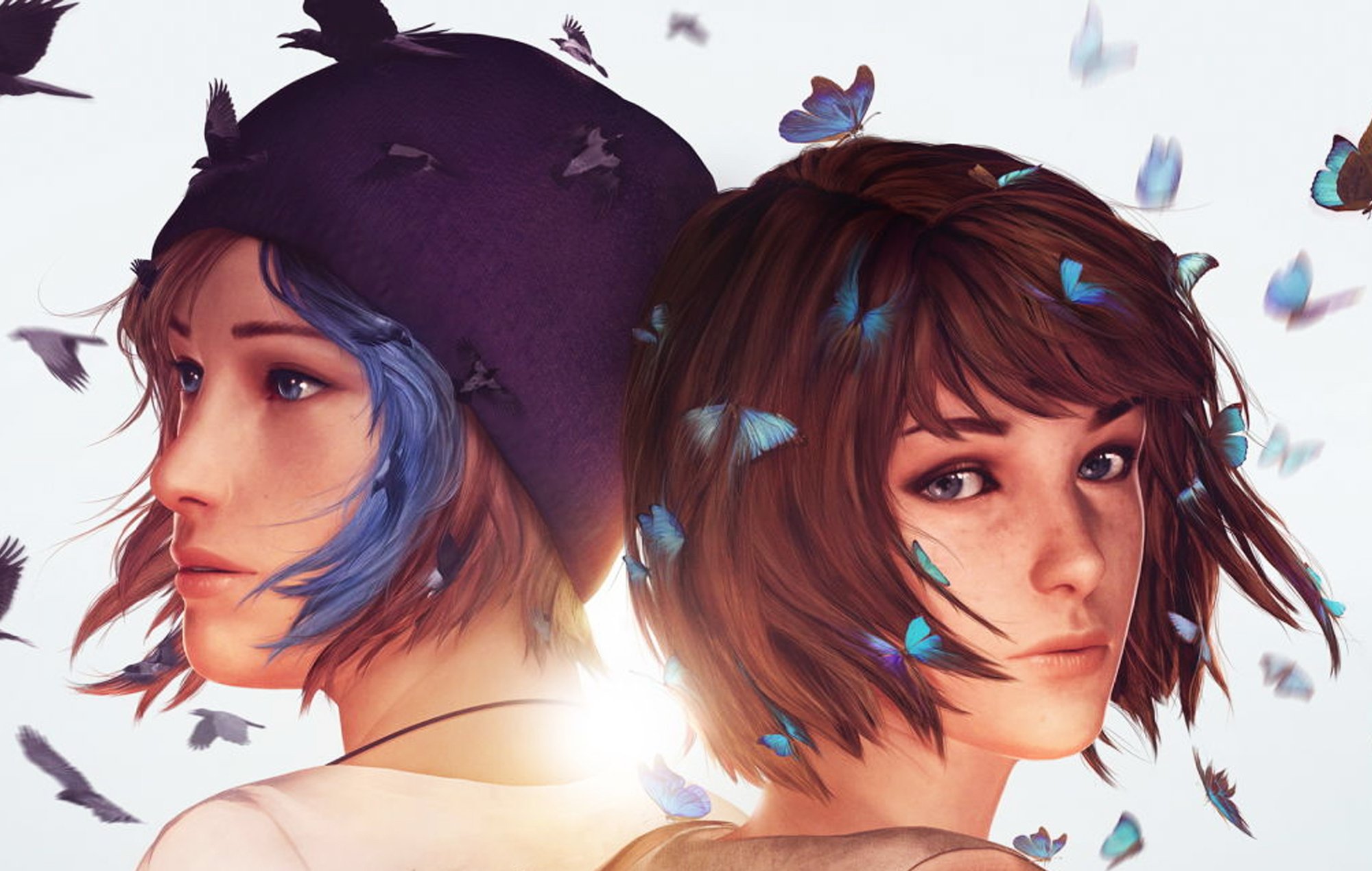
The upcoming Life Is Strange TV adaptation has generated a ton of excitement — and a fair share of concern. As a longtime fan of the game series, I’ve been cautiously optimistic. But after watching Noer’s recent video, “The Life is Strange Show Has Me Concerned…”, I felt inspired to sit down and explore one of the most important questions: How do you turn a game known for its multiple narrative branches into a linear show — without losing the magic of choice?
Let’s be real: the Life Is Strange games are built around consequence. Every major choice feels like a moral gut punch, and the ripple effects often blindside you hours later. That’s hard to translate into television — a format that’s inherently passive and traditionally linear.
But here’s a solution I think could work beautifully: introduce a narrative mechanic where Max Caulfield — the series’ iconic protagonist — briefly sees potential outcomes of both major decisions before she makes them.
Glimpses of Consequences: A Cinematic Rework of Max’s Powers
We already know Max can rewind time in the game. It’s one of the most memorable gameplay features. In a show, that should absolutely stay. But to keep the emotional complexity of the branching choices, the creators could add a new dimension to her powers:
When Max faces a pivotal decision — saving someone, revealing a secret, choosing who to trust — she momentarily sees flashes of both outcomes.
We’re not talking full alternate timelines, but short, disorienting glimpses. A teardrop. A shattered photo. Someone walking away. A gun on the floor. Maybe even symbolic, dreamy fragments like those we see in the game’s surreal sequences.
There’s Already Evidence This Could Work — In the Game Itself
This might sound like a stretch to some, but here’s the kicker: this concept already exists in the source material. In Life Is Strange, Max has apocalyptic visions of a tornado devastating Arcadia Bay — days before it actually happens.
These visions aren’t the result of her rewinding time. She’s not reacting to an event she’s already seen — she’s peering into a possible future. In fact, her visions come unprovoked, disconnected from any direct choice. That proves the framework is there.
The game only focuses on that moment — the tornado — but who’s to say that’s the only type of future glimpse Max is capable of having? If the show expands this mechanic just slightly, it opens the door to a whole new kind of storytelling. One that:
Honors the branching nature of the game
Adds new visual and emotional depth
Feels authentic to Max’s established abilities
Why This Works
It preserves the emotional weight of decision-making — fans still get to experience Max’s internal conflict.
It mimics the “player choice” tension from the games in a way that works on screen.
It adds visual flair — perfect for intense editing, mood shifts, or dreamlike montages.
It reinforces Max’s power while showing that she, too, is haunted by uncertainty.
She still has to choose. The show would follow one path. But now we know what was at stake — and that hits just as hard.
Less Is More: Use Sparingly for Impact
To keep the mechanic from becoming gimmicky or overwhelming, these glimpses should only appear during the most meaningful choices — moments like:
Intervening with Kate on the rooftop
Choosing whether to blame David or Nathan
The finale’s ultimate sacrifice decision
This makes each instance feel earned and adds gravity to the moments where it matters most.
Real Talk: Could They Actually Do This?
With Amazon now tied to the adaptation — according to Screen Rant (April 12, 2024), Collider (April 11, 2024), and GamesRadar (April 10, 2024) — there’s both budget and narrative room to get creative. The show has reportedly been in development limbo for years (GGRecon, October 19, 2023; Keengamer, March 14, 2025), but the addition of Shawn Mendes as executive producer (IGN, August 15, 2023) signals a renewed commitment to bringing it to life.
With Mendes’ influence and Amazon’s resources, this is a golden opportunity to expand on the original vision. The idea of using Max’s powers to simulate branching could be a powerful middle ground — satisfying long-time players while offering an emotionally resonant story for newcomers.
Wrapping Up
This idea wasn’t just pulled from thin air — I owe a lot to Noer’s insightful commentary on the risks of linear storytelling in a franchise like this. His video helped me crystallize the narrative anxiety a lot of fans are feeling — and sparked this idea for a possible fix.
The truth is, we all want this show to succeed. We want to see Max and Chloe brought to life with all the nuance and heartbreak we experienced in the games. And maybe — just maybe — this idea can help the show keep that sense of weight and wonder that made Life Is Strange so unforgettable.
What do you think? Could this approach work? How would you handle choice in a Life Is Strange series?
Hey folks! Today I want to take you on a deep dive into my personal fancast for a Life Is Strange live-action TV show. This is purely hypothetical and speculative — no official casting announcements yet — but with the show reportedly in development, it’s fun to imagine who could bring these beloved characters to life.
I was actually inspired to make this post after watching Noer’s recent YouTube video titled The Life is Strange Show Has Me Concerned… (May 25, 2025). Noer raises some interesting points about the challenges the show might face, especially with its music direction and staying true to the game’s unique vibe. That really got me thinking about how important the right casting and creative choices will be for this adaptation.
What’s the Deal with the Life Is Strange TV Show?
The Life Is Strange live-action series has been in development talks for some time. According to multiple sources, Legendary Television initially spearheaded the project, and more recently, the show is potentially moving to Amazon Studios after a new deal was announced (GamesRadar, April 2024; Screen Rant, April 2024).
Shawn Mendes has been linked as an executive producer and is said to be heavily involved in the music direction for the show (IGN, August 2023), which is a pretty cool twist given the game’s reputation for having a memorable indie soundtrack. However, as Noer pointed out, the musical direction might feel a bit dated or out of sync with what longtime fans expect from Life Is Strange.
For more on the current status of the show’s development and some delays, Keengamer’s article from March 2025 offers a good update on what’s happened so far and what fans can expect moving forward (Keengamer, March 2025).
Why This Fancast?
Casting is crucial for a show like this — these characters are complex, emotionally layered, and beloved by fans for their depth and authenticity. Here’s who I think could really capture their spirit:
Teagan Croft as Max Caulfield
Max is thoughtful, artistic, and quietly strong. Teagan’s role as Raven in Titans shows she can balance vulnerability and inner strength, perfectly reflecting Max’s introspective personality.
Emily Rudd as Chloe Price
Chloe is rebellious and raw with emotional scars beneath her tough exterior. Emily’s portrayal of Nami in the live-action One Piece series demonstrates her ability to mix toughness and vulnerability, capturing Chloe’s fiery spirit.
Zendaya as Rachel Amber
Rachel is charismatic and mysterious, with an alluring presence. Zendaya’s MJ in the Spider-Man films embodies that magnetic charm combined with emotional nuance, making her a great fit.
Giancarlo Esposito as Mark Jefferson
Mark Jefferson is a polished, charming professor hiding something sinister. Esposito’s legendary Gus Fring from Breaking Bad nails that calm menace and control.
Jon Bernthal as David Madsen
David is strict and intimidating but with a caring side. Bernthal’s roles in The Punisher and The Walking Dead show he can bring moral complexity and authenticity.
Aaron Paul as Frank Bowers
Frank is rough around the edges but vulnerable. Paul’s Jesse Pinkman is an almost perfect parallel — street-smart and emotionally raw.
About the Music: Good but a Bit Dated?
The original Life Is Strange games are famous for their indie, emotive soundtrack that became part of their identity. Shawn Mendes’s involvement as a producer suggests the show might take a different musical direction — which could be exciting but might feel a little out of step with the game’s original vibe, especially since this news has been around since 2023 (IGN, August 2023).
Noer’s video really highlighted these concerns, pointing out how the music and some creative choices might clash with the expectations of longtime fans. It’s a thoughtful critique that inspired me to think carefully about how the show should be cast and crafted to honor the source material.
Wrapping Up
The Life Is Strange live-action show has potential but also faces challenges — casting the right actors to capture these nuanced characters and balancing the iconic game’s music and mood with fresh new elements. My fancast reflects the kind of emotional depth and complexity this story demands.
What do you think? Agree? Disagree? Have your own dream cast? Drop a comment — I’d love to hear your thoughts!
Sources
GGRecon, Life Is Strange TV Series (October 19, 2023) — ggrecon.com
IGN, Shawn Mendes to Executive Produce Life Is Strange TV Show (August 15, 2023) — ign.com
Screen Rant, Life Is Strange and Disco Elysium Shows Moving to Amazon (April 12, 2024) — screenrant.com
GamesRadar, Life Is Strange TV Series Potentially Coming to Amazon (April 10, 2024) — gamesradar.com
Keengamer, What Happened to the Life Is Strange TV Show? (March 14, 2025) — keengamer.com
Collider, Amazon Studios Developing Life Is Strange and Disco Elysium TV Series (April 11, 2024) — collider.com
YouTube, Noer, The Life is Strange Show Has Me Concerned… (May 25, 2025) — youtu.be/hmjUR4zCXc4
Hey folks! So, I recently came across some interesting news about the upcoming Life Is Strange live-action show — Shawn Mendes is apparently heading up the music. Now, I know this isn’t exactly fresh off the press. The news has been floating around for a little while, but I only just found out about it from a YouTube video by Noer called “The Life is Strange Show Has Me Concerned…” that dropped just three days ago, on May 25, 2025. (Here’s the link if you want to check it out: https://youtu.be/hmjUR4zCXc4?si=FvhYs-HTacQt3c8l).
What We Know About Shawn Mendes’ Involvement
So far, it looks like Shawn Mendes is not only executive producing but also taking charge of the show’s music through his company Permanent Content. Reports from outlets like Teen Vogue mention Mendes’ focus on emotional storytelling, which seems like a good fit given the heartfelt nature of Life Is Strange (Teen Vogue).
The Original Soundtrack — Loved, But a Bit Dated
Let’s be real: the Life Is Strange game soundtrack is amazing. Songs by Syd Matters, Angus & Julia Stone, José González, and others perfectly captured that indie, melancholic, and nostalgic mood that the game thrives on. Tracks like “Obstacles” and “Spanish Sahara” aren’t just background music — they’re emotional anchors for players. They are the game’s soul.
But here’s the thing — the game came out back in 2015, and the soundtrack, while still beautiful, does feel a bit… stuck in the past. Indie folk and atmospheric alternative music from a decade ago doesn’t always hit the same way with today’s younger audiences or those who might be new to the franchise. The style is a bit dated, and some of the production feels tied to that era.
Why Shawn Mendes Could Be a Great Fit
This is where Shawn Mendes’ involvement could be a game-changer. Shawn is known for his emotional vocal style and has shown he can pull off stripped-down, intimate performances (think of acoustic versions of his songs). His ability to blend pop with alternative elements means he could take the original Life Is Strange songs and give them a fresh, modern polish — without losing the heart and soul of the originals.
Imagine Shawn Mendes covering “Obstacles” or “Spanish Sahara” with a modern twist that appeals to today’s audience but still respects the emotional core of the game. That kind of approach could introduce these songs to a whole new generation, making them more relatable and impactful.
Plus, Shawn’s history of collaborating with other artists — Justin Bieber, Charlie Puth, and more — means there’s potential for exciting musical partnerships to bring diversity and depth to the soundtrack.
What Fans Are Worried About — And What I Think Needs to Happen
A lot of fans are understandably nervous about Shawn Mendes taking over the music because they fear the show might ditch the iconic songs for Mendes’ own pop hits or a totally different style. That would be a big misstep and could disappoint longtime fans who hold the original soundtrack close to their hearts.
My hope is that Mendes doesn’t just drop his own music in the show. Instead, he should cover every major song from the game — preserving their emotional weight but modernizing the arrangements and production. This could be the best compromise: honoring the original music and giving it new life.
Final Thoughts: A Fresh Soundtrack for a New Generation
So yeah, the news about Shawn Mendes leading the music isn’t brand new, but discovering it recently made me think a lot about how this could work if done right.
The Life Is Strange soundtrack is undeniably powerful, but it is tied to a specific era and sound that might not resonate as well with today’s viewers. If Shawn Mendes brings a fresh, modern perspective — covering the beloved songs and collaborating with other artists to enhance the sound — it could give the show’s music a new heartbeat that hits just as hard, if not harder.
I’m cautiously optimistic. What do you think? Would you want Shawn Mendes to cover the original Life Is Strange songs, or would you prefer something different? Drop your thoughts below!