Episode 19 of The Jaime David Podcast is now out!
Tag: Jaime David
-
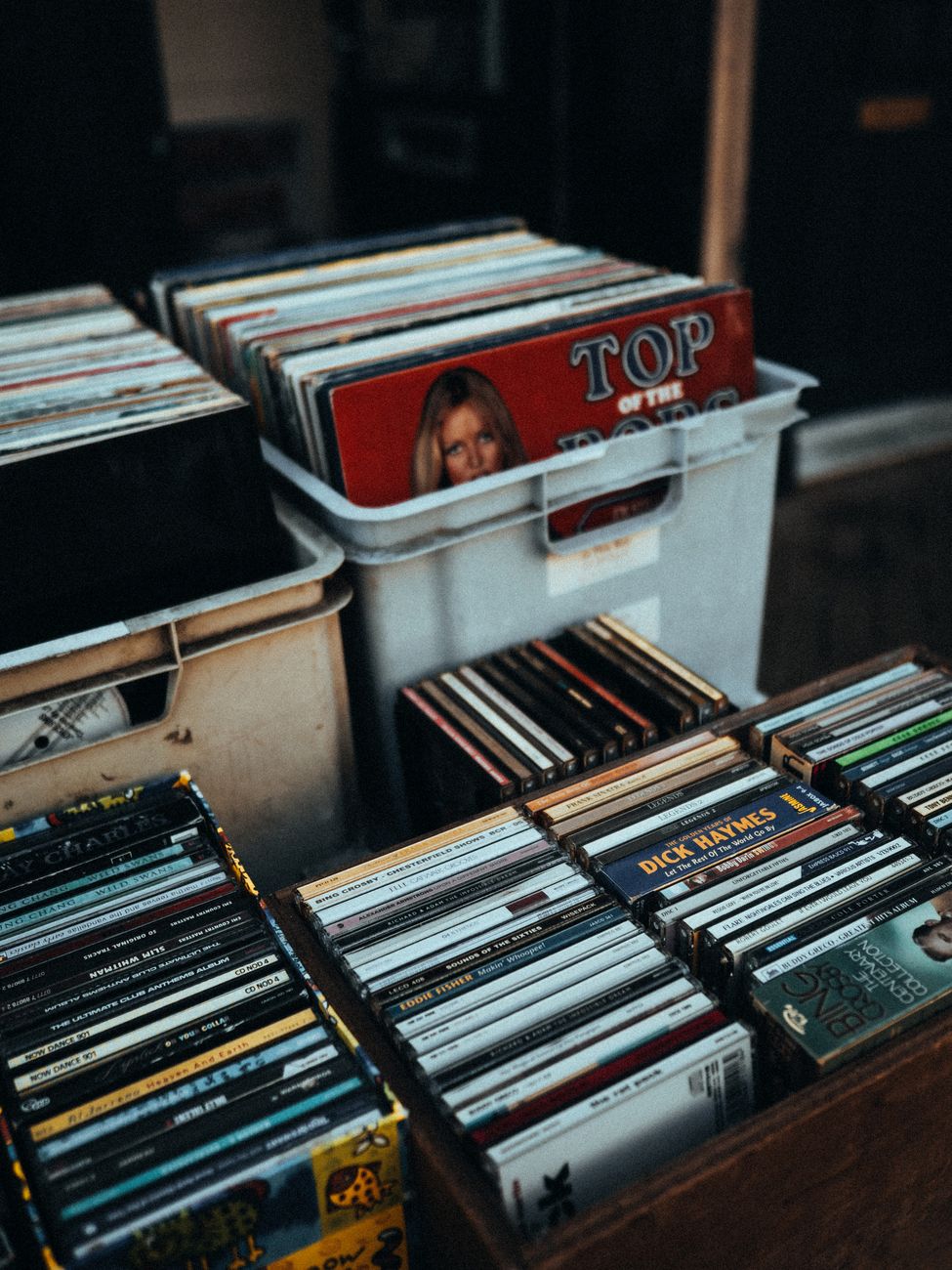
Growing My Music Collection One CD at a Time (And the Time I Accidentally Bought a Vinyl)
There is something satisfying about building a music collection. In a world where almost every song imaginable can be streamed instantly, there is still something special about owning music in a physical format. Holding an album in your hands, opening the case, looking through the booklet, reading the credits, and knowing that it is part of your own collection feels different than simply clicking play on an app. Streaming is incredibly convenient, and I use it all the time, but there is a certain feeling that comes from collecting physical music that just cannot be replicated digitally.
For me, collecting CDs has become one of those hobbies that slowly sneaks up on you. It starts with one album. Then another catches your eye. Then another. Before you know it, you are checking online stores, browsing local shops, and thinking about which artist you want to add next. There is no rush to build a giant collection overnight. In fact, I think taking your time makes the hobby even more enjoyable because every new addition feels meaningful.
My collection originally started with Blue October. That band has been incredibly important to me for years, and it felt like the perfect place to begin. If you know me through my writing, my podcast, or even some of my conversations online, you probably already know how much I appreciate Blue October’s music. Their songs have a way of balancing emotional honesty with incredible musicianship, and their albums have become some of my favorites. Starting my collection with them simply felt right.
After that, though, I started branching out.
It is funny how collecting works. Once you have one artist on your shelf, suddenly you start thinking about all the other artists whose music has been part of your life over the years. You realize that your listening habits are much broader than you originally thought. Instead of stopping with a single band, you begin creating a collection that reflects your musical journey.
That is exactly what happened with me.
Since then, I have added several more artists to my growing CD collection. Alter Bridge has joined the shelf with their powerful blend of hard rock and incredible guitar work. Linkin Park, one of the defining bands of the 2000s, naturally earned a place as well. Evanescence brings their unmistakable mix of rock, orchestral elements, and haunting vocals. Eminem represents an artist whose lyrical ability and storytelling have influenced multiple generations of hip-hop listeners. Jay-Z adds another legendary voice whose impact on rap and music as a whole is impossible to ignore.
Then there is Story of the Year, another band whose energetic sound fits perfectly into the kind of music I have always enjoyed. Finally, My Chemical Romance has become another addition to the shelf, bringing along the theatrical style and emotion that made them one of the defining alternative rock bands of their era.
Looking at the collection now, I realize it is beginning to represent different chapters of my own life. Every artist reminds me of different moments, different memories, and different stages of growing up. Music has a funny way of attaching itself to experiences. Sometimes you hear a song and instantly remember where you were, who you were with, or what was happening in your life when you first discovered it. Physical collections almost become memory collections in that sense.
One thing I find interesting is that I am not trying to become a completionist. There are people who collect every single release, every deluxe edition, every international pressing, every promotional copy, every colored vinyl variant, and every limited edition imaginable. I have a lot of respect for collectors like that because it takes incredible dedication.
For me, though, I simply enjoy building a collection that represents artists I genuinely enjoy listening to. I do not feel pressure to own absolutely everything. I think hobbies become much more enjoyable when you remove the feeling that you have to collect every single item. Instead, every purchase becomes something you actually want instead of something you feel obligated to buy.
Another thing I enjoy about CDs is how practical they still are. They are compact, relatively inexpensive compared to many other physical formats, and they are easy to store. Modern cars may not always include CD players anymore, but there are still plenty of ways to enjoy them at home or rip them for personal listening. Plus, they simply look nice lined up together on a shelf.
There is also an appreciation for album artwork that often gets lost in streaming. Sure, Spotify, Apple Music, and other services display album covers, but it is different seeing them in person. You notice details that you may have overlooked before. You read the acknowledgments, the production credits, the photography, and sometimes even the lyrics. Albums become complete artistic packages instead of just collections of audio files.
As someone who has also started releasing my own music, I think I appreciate physical media even more than I used to. Creating music involves so much work behind the scenes that sometimes gets overlooked. Recording, mixing, mastering, designing artwork, planning releases, writing credits, and countless other steps all contribute to the final product. Holding a physical album reminds me that every release represents months or even years of effort from the artists involved.
One thing I have noticed while building my collection is that it has encouraged me to revisit artists I had not listened to in a while. Sometimes buying an album reminds you just how many great songs an artist has beyond the biggest radio hits. You start listening from beginning to end instead of jumping between playlists. That is one of my favorite parts of owning albums. They encourage you to experience music the way the artists originally intended.
Albums tell stories.
Some albums flow naturally from one song into another. Others build emotional arcs throughout the track list. Some experiment with different sounds while maintaining a consistent theme. Listening to an album straight through often creates a completely different experience than hearing individual songs randomly shuffled together.
That is one reason why I still think albums matter.
Even in the streaming era, albums remain artistic statements. They capture where an artist was creatively during a specific period of time. Owning physical copies makes that feel even more tangible.
Now, I do have to admit something that still makes me laugh.
While expanding my collection, I accidentally ordered a vinyl record.
Yep.
A vinyl.
The funny part?
I do not even own a record player.
Somehow, while ordering online, I selected the vinyl edition instead of the CD version. I did not notice until after it arrived. I opened the package, looked at this much larger square sleeve, and immediately realized something was not quite right.
My first thought was basically, “Well…that’s definitely not a CD.”
After laughing at myself for a minute, I thought about returning it. Then I stopped and asked myself a simple question.
Why?
Sure, I cannot actually play it right now, but there is really no harm in keeping it. Vinyl records look fantastic. The larger artwork is beautiful, and maybe someday I will eventually buy a record player anyway. If that day comes, I will already have my first record waiting for me.
Sometimes little mistakes end up becoming fun stories instead of actual problems.
In a way, I almost like that my first vinyl came into my collection completely by accident. It was not planned. It was not part of some grand strategy to start collecting records. It just happened, and now it has become one of those little stories I will probably tell every time someone notices it sitting on my shelf.
Honestly, I think almost every collector eventually has a story like that.
Maybe someone ordered the wrong edition.
Maybe they accidentally bought a duplicate.
Maybe they forgot they already owned something.
Maybe they purchased a version from another country without realizing it.
Collecting is rarely perfect, and sometimes those imperfections make the hobby even more memorable.
If there is one lesson I learned from my accidental vinyl purchase, it is actually a useful one.
Always double-check the format before placing your order.
Seriously.
This sounds obvious until you are scrolling through listings online. Many albums are available in multiple versions at the exact same time. CDs, vinyl records, cassettes, digital downloads, deluxe editions, anniversary editions, collector’s editions, and sometimes several color variants of the same release all appear together.
If you are shopping quickly, it is surprisingly easy to click the wrong one.
The product photos often look similar.
The titles may differ by only one word.
Sometimes the format is listed in relatively small text.
Before you click that final purchase button, take an extra few seconds to confirm exactly what you are buying. It can save you from receiving something you were not expecting.
Of course, if your mistake ends up being as harmless as mine, you may just end up with a funny story and a nice decorative piece until you eventually have something to play it on.
As my collection continues to grow, I have no idea where it will eventually end up. There are countless artists I enjoy, and there will probably always be another album that catches my attention. I am perfectly okay with taking things slowly. There is no deadline. There is no race. Every addition simply reflects another artist whose work has meant something to me.
I also enjoy the idea that my shelf is becoming a snapshot of my own musical tastes. Years from now, I will probably look back at it and remember exactly when I added each artist. Some albums will remind me of certain jobs, certain friendships, certain creative projects, or even certain seasons of life. Music has always had that ability to preserve memories in ways few other things can.
It is also interesting how collecting physical media has changed my relationship with music. Instead of endlessly scrolling through thousands of songs wondering what to listen to next, I sometimes find myself standing in front of the shelf, looking at the spines of the CDs, and simply picking one. There is something refreshingly simple about that experience. It feels intentional. Instead of algorithms making suggestions, I am choosing an album because I genuinely want to hear it.
That is another reason I enjoy collecting. It slows things down just enough to appreciate the music itself rather than constantly chasing whatever is newest or trending. Great albums remain great albums no matter how old they are. Whether they came out last month or twenty years ago, good music continues to connect with listeners.
Who knows? Maybe one day I really will buy a record player and accidentally starting with a vinyl will turn out to have been the perfect beginning to another collection. Or maybe I will stick primarily with CDs and simply let that one record remain the oddball conversation piece that started with an online shopping mistake. Either way, I am not complaining.
Every collection starts somewhere. Mine happened to begin with Blue October before expanding to include Alter Bridge, Linkin Park, Evanescence, Eminem, Jay-Z, Story of the Year, and My Chemical Romance. Along the way, I accidentally added a vinyl record that I cannot even play yet. Somehow, that unexpected detour has become one of my favorite parts of the story.
So if you are thinking about starting your own music collection, my advice is simple. Buy the artists you genuinely love. Take your time. Do not worry about having the biggest collection. Enjoy the experience of discovering music in a physical format. Appreciate the artwork, the packaging, and the stories behind each album. Most importantly, before you click that checkout button online, take one last look and make absolutely sure you selected the correct format. Otherwise, you just might find yourself unexpectedly becoming the owner of a vinyl record before you even own a record player.
-
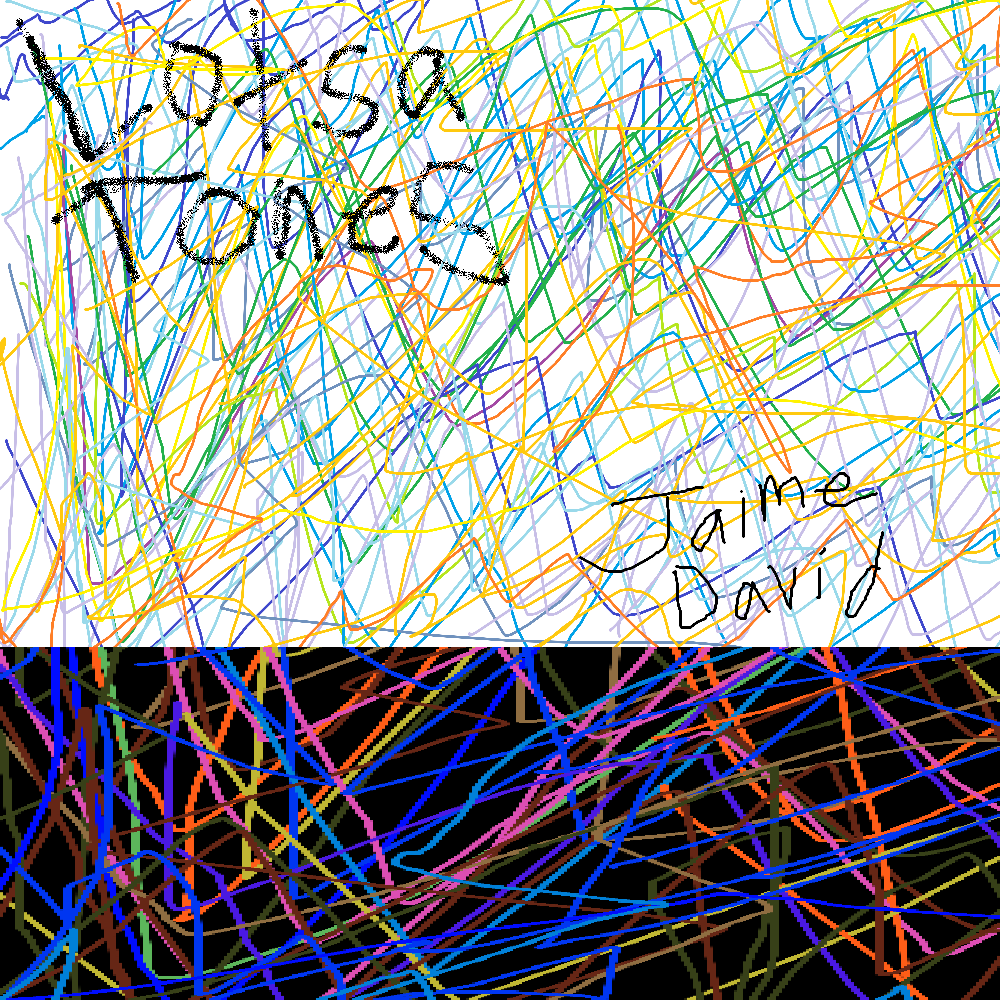
My Debut Song, “Lotsa Tones,” Is Now Streaming on Spotify
There are moments in life that feel like the opening of an entirely new chapter. Today is one of those moments for me. I am incredibly excited to share that my debut song, “Lotsa Tones,” is officially available to stream on Spotify.
You can listen to the song here:
“Lotsa Tones” on Spotify:
You can also follow my Spotify artist profile here:
Jaime David on Spotify:
When I first began writing publicly years ago, I never imagined where the creative journey would eventually take me. My original goal was simple: create something meaningful and share it with the world. That philosophy has remained the same, even though the mediums through which I create have continued to grow.
Many of you first came to know me through my writing. Whether it was reading my blog, following my articles, or eventually picking up one of my books, writing has been one of the biggest parts of my life. It allowed me to explore ideas, tell stories, express emotions, and build worlds that only existed in my imagination until they found their way onto the page.
That journey eventually led to the publication of my debut science fiction novel, Wonderment Within Weirdness, followed by My Powerful Poems and Some Small Short Stories. Each book represents a different side of my creativity. My novel gave me the opportunity to create an expansive fictional universe, my poetry allowed me to express thoughts and emotions in a more intimate way, and my short story collection became a place to experiment with different ideas, concepts, and styles.
After that came podcasting. Launching The Jaime David Podcast opened another creative door that I had never explored before. Instead of writing stories for readers, I was now speaking directly to listeners. The podcast became another extension of my creative voice, allowing me to discuss writing, life, creativity, current events, personal experiences, and whatever else happened to inspire me during a given episode.
Now, another chapter begins.
Today, I officially add musician to that list.
I honestly never set out with the expectation of becoming a musician. Music has always been something I appreciated and admired. Like many people, I’ve spent countless hours listening to songs that became attached to memories, emotions, and different periods of my life. Music has an incredible ability to communicate feelings that sometimes words alone cannot fully capture.
Eventually I reached a point where I wondered what it would be like to create something of my own.
Not because I believed I had mastered music.
Not because I expected perfection.
Simply because I wanted to experiment.
That curiosity eventually became Lotsa Tones.
The title itself is intentionally simple. It reflects exactly what the project became: an exploration of sounds, textures, rhythms, and ideas. I wasn’t trying to imitate another artist or force myself into a particular genre. I wasn’t asking whether the song fit neatly into a label. Instead, I approached the project with curiosity and allowed the creative process to guide me.
Sometimes creativity works best when there are very few expectations.
One of the things I’ve learned throughout my life is that experimentation is often the birthplace of growth.
My first blog posts weren’t perfect.
My first attempts at writing fiction certainly weren’t perfect.
The first drafts of my books required countless revisions.
My podcast improved over time as I gained experience recording and editing episodes.
Music is no different.
Every creative field begins with someone deciding to try.
I think that’s something worth remembering because it is easy to compare yourself to people who have been creating for ten, twenty, or even forty years. We often see the finished product without seeing the years of learning, mistakes, failures, revisions, and persistence that made those accomplishments possible.
Nobody begins at the finish line.
Every artist has a first song.
Every author has a first manuscript.
Every podcaster has a first episode.
Every painter has a first canvas.
Every filmmaker has a first project.
Lotsa Tones is my first step into music, and I’m proud of that.
One thing I have always appreciated about creativity is that it isn’t limited by labels. Society often encourages people to choose one identity. You’re expected to become known as one thing and remain there for the rest of your career.
But I’ve never felt comfortable limiting myself that way.
I’m an author.
I’m a blogger.
I’m a podcaster.
And now I’m also a musician.
To me, these aren’t separate identities competing against one another. They’re simply different ways of expressing ideas.
Sometimes an idea belongs in a novel.
Sometimes it belongs in a poem.
Sometimes it belongs in a podcast episode.
Sometimes it belongs in music.
Different creative mediums allow us to communicate different experiences, and I don’t think any artist should feel restricted to only one.
This song also represents something else that has become increasingly important to me over the years: allowing myself permission to create without immediately worrying whether something fits perfectly into a category.
Art does not always need to justify itself.
Sometimes creating something because you are curious is reason enough.
Sometimes experimenting is valuable even if you don’t know exactly where it will lead.
Sometimes the journey itself becomes the reward.
That mindset has shaped much of my creative work, and I suspect it will continue shaping future musical projects as well.
I don’t know exactly what my music will sound like six months from now.
I don’t know what it will sound like five years from now.
Perhaps future songs will become more melodic.
Perhaps they’ll become more electronic.
Perhaps they’ll lean into cinematic soundscapes.
Perhaps they’ll become something I haven’t even imagined yet.
That’s one of the most exciting parts of beginning something new.
The possibilities remain open.
Instead of trying to predict exactly where this musical journey will go, I’d rather let it evolve naturally.
Learning is part of the process.
Growth is part of the process.
Making mistakes is part of the process.
Discovering unexpected ideas is part of the process.
Every release becomes another opportunity to improve.
Looking back, it’s interesting to see how one creative pursuit gradually led to another. Writing helped me become more comfortable telling stories. Podcasting helped me become more comfortable sharing my voice. Music now offers another way to communicate ideas without relying entirely on words.
Each creative endeavor has taught me something different.
Each one has expanded my perspective.
Each one has made me a better creator overall.
That’s one of the reasons I encourage people to explore interests outside of their comfort zone. You never know which hobby might become a passion, or which experiment might open the door to an entirely new chapter of your life.
If someone had told me several years ago that I’d publish books, host a podcast, and eventually release music onto Spotify, I probably would have laughed.
Yet here we are.
Life has a funny way of surprising us.
I also want to take a moment to sincerely thank everyone who has supported me throughout the years.
To those who have read my blog.
To those who purchased my books.
To those who listened to The Jaime David Podcast.
To those who have encouraged me to continue creating.
Thank you.
Creative work often begins alone. It’s just one person sitting with an idea, wondering whether it is worth pursuing. But once that work is shared, it becomes something larger than ourselves because other people choose to spend part of their day reading, listening, watching, or experiencing what we’ve created.
That is something I never take for granted.
Whether you’ve been following my work for years or whether Lotsa Tones happens to be the first thing you’ve discovered from me, I’m grateful you’re here.
This release marks the beginning of my journey as a musician, not the end of it.
There will be more songs.
There will be more experiments.
There will be more opportunities to learn.
There will almost certainly be surprises along the way.
Some projects will succeed.
Some projects may not.
But I hope one thing always remains true: that everything I create is genuine.
Authenticity has always mattered more to me than chasing trends. I’d rather make something that reflects my own curiosity than try to imitate what everyone else is doing. That philosophy has guided my writing, my podcast, and now my music as well.
If Lotsa Tones encourages even one person to start their own creative journey—to write that story they’ve been putting off, record that podcast they’ve been thinking about, paint that picture, compose that melody, or simply experiment with something new—then I’ll consider this debut to have accomplished something meaningful beyond the music itself.
Creativity belongs to everyone willing to explore it.
Thank you for joining me as I take this first step into a brand-new artistic adventure.
I hope you’ll give Lotsa Tones a listen, follow my Spotify artist page to stay updated on future releases, and continue following along as this creative journey continues to unfold.
Here’s to new beginnings, unexpected paths, and the excitement of creating something simply because the idea refused to stay inside your imagination.
This is only the beginning.
Fediverse Reactions
-
-
When Literary Titan Put My Book on Their Podcast
There are certain moments in an author’s journey that stand out forever.
Publishing a book is already a surreal experience. For years, a story exists only in your imagination. It lives inside your head. Then, eventually, you take that idea and turn it into something physical. You write the words, edit the manuscript, format the pages, create the cover, and finally release it into the world.
But once a book is released, something else happens.
You have to let go.
The story that was once completely yours now belongs to readers. It belongs to reviewers. It belongs to anyone who decides to pick it up and experience it for themselves.
As an independent author, those moments can feel especially meaningful because every milestone represents something you built yourself.
Recently, I experienced another one of those moments.
My debut novel, Wonderment Within Weirdness, was featured on the Literary Titan podcast, and that podcast episode was recently uploaded to YouTube.
Seeing that happen was incredibly exciting because Literary Titan was already an important milestone in my journey as an author.
They were one of the first major literary organizations to recognize my work.
They reviewed my book.
They awarded it the Literary Titan Silver Book Award.
And now, their discussion of my novel has reached an even wider audience through YouTube.
For an indie author, moments like this are incredibly meaningful.
When I first published Wonderment Within Weirdness, I knew I was creating something unusual.
I knew it was not a typical science fiction story.
I knew it was not going to fit neatly into one category.
The book was a combination of science fiction, fantasy, satire, adventure, cosmic speculation, and my own personal ideas about life, existence, morality, and the universe.
It was a story that I wanted to be big.
I wanted it to feel like an epic journey.
I wanted it to explore massive ideas while still being driven by personal emotions.
And when Literary Titan reviewed it, they recognized many of those elements.
Their podcast discussion focused on exactly what makes Wonderment Within Weirdness the type of story it is.
The review begins with the basic premise.
The story follows Matthew Tiberius, who dies and awakens in a strange and unexpected version of heaven.
Instead of finding a simple, peaceful afterlife, Matthew discovers a bizarre world filled with politics, conflicts, strange systems, and mysteries.
The heaven of Wonderment Within Weirdness is not just a place of eternal peace.
It is a fully developed world.
It has neighborhoods.
It has organizations.
It has conflicts.
It has power struggles.
It has systems that reflect many of the issues found in human society.
That was one of the things Literary Titan highlighted.
The idea of taking something traditionally viewed as perfect and exploring what happens when that environment becomes complicated.
Because one of the biggest themes behind Wonderment Within Weirdness is questioning systems.
Questioning authority.
Questioning judgment.
Questioning whether even supposedly perfect worlds can contain flaws.
The podcast also highlighted the scale of the story.
One thing I always wanted with this series was to create something massive.
The first book is not just about one character discovering a strange afterlife.
It expands into larger conflicts involving cosmic forces, different realities, and multiverse-level stakes.
The goal was to create a feeling of exploration.
A feeling that the universe was much bigger than the characters initially understood.
That sense of wonder is something that has always attracted me to science fiction and fantasy.
The idea that there are endless possibilities beyond what we know.
The idea that existence itself can be questioned and explored.
Literary Titan also discussed the tone of the novel.
And this was something I found especially interesting.
They described the writing style as bold, loud, messy, and intentionally excessive.
And honestly, that description fits.
Wonderment Within Weirdness was never meant to be a quiet story.
It was never meant to be a small, simple adventure.
The title itself says a lot.
There is wonder.
There is weirdness.
There is imagination.
There is chaos.
The story embraces being unconventional.
And that is something I have always valued as a creator.
Not every story has to follow the same formula.
Not every book has to feel like everything else already published.
Sometimes the most interesting stories are the ones that take risks.
Of course, a bold style is not going to appeal to every reader.
Every creative choice has people who love it and people who do not connect with it.
But as an author, I would rather create something that has a strong identity than something that feels like it was designed to be completely safe.
Literary Titan also discussed the world-building.
One of the biggest ideas behind the novel was imagining heaven as an actual functioning society.
What would happen if the afterlife had infrastructure?
What would happen if it had communities?
What would happen if beings with immense power still had disagreements, conflicts, and different interpretations of existence?
Those questions helped shape the world of Wonderment Within Weirdness.
The afterlife in the story is not simply a destination.
It is a place with history.
A place with politics.
A place with mysteries.
A place where characters still have to confront questions about morality, identity, and purpose.
Another major point from the review was the exploration of themes.
At its core, Wonderment Within Weirdness is not just about action and adventure.
It is also about bigger questions.
What does it mean to be judged?
Who gets to decide what is right and wrong?
What happens when systems designed to create order become complicated?
How do individuals find meaning in a universe that is larger than themselves?
These are questions that have fascinated humanity for centuries.
Science fiction and fantasy have always been powerful genres because they allow creators to explore those ideas through impossible scenarios.
A spaceship.
A magical world.
An alternate reality.
A strange version of heaven.
The setting may be fictional, but the questions are often very real.
That is what I have always loved about speculative fiction.
It allows us to explore reality by imagining something beyond reality.
The Literary Titan podcast also emphasized who might enjoy this type of story.
They highlighted readers who enjoy unconventional indie science fiction and fantasy.
Readers who enjoy mythological reinterpretations.
Readers who enjoy stories that are not afraid to experiment.
Readers who enjoy big ideas and unusual concepts.
And that means a lot to me because that is exactly the audience I hoped would connect with the book.
I never wanted Wonderment Within Weirdness to simply be another generic science fiction story.
I wanted it to feel like something that could only come from my imagination.
Something unique.
Something strange.
Something different.
The fact that Literary Titan recognized those qualities is incredibly meaningful.
Especially because independent authors often face a unique challenge.
When you publish traditionally, there is usually an established system behind you.
Editors.
Publishers.
Marketing teams.
Distribution networks.
When you publish independently, you are responsible for much more.
You are the writer.
You are the editor.
You are the marketer.
You are the person trying to convince the world that your story is worth discovering.
So when an organization like Literary Titan recognizes your work, it feels like validation that all those hours mattered.
Receiving the Literary Titan Silver Book Award was already an incredible honor.
Having them discuss the book on their podcast was another amazing step.
And now seeing that discussion uploaded to YouTube creates another opportunity.
It means more people can discover the story.
More people can learn what Wonderment Within Weirdness is about.
More people can see what kind of journey I created.
Looking back, it is still amazing to think about how far this book has traveled.
It started as an idea.
Then it became a manuscript.
Then a published novel.
Then an award-winning book.
Then a podcast discussion.
Then a YouTube video.
Every step represents another person encountering something that began in my imagination.
That is one of the most rewarding parts of being an author.
Stories have a life beyond their creators.
Once they are released, they can travel places the author never expected.
They can reach people the author never meets.
They can create conversations.
They can inspire thoughts.
They can become part of someone else’s experience.
That is the dream every writer has.
Not necessarily fame.
Not necessarily becoming the biggest author in the world.
But simply knowing that something you created reached another person.
For me, Literary Titan’s recognition of Wonderment Within Weirdness represents exactly that.
It represents someone else seeing the creativity, ambition, and imagination that went into the book.
It represents a reminder that taking a chance on yourself can lead to unexpected opportunities.
And it represents another chapter in my journey as Jaime David.
When I first wrote Wonderment Within Weirdness, I did not know where it would go.
I just knew I had a story I wanted to tell.
Now, years later, that story has been recognized, reviewed, awarded, and discussed by others.
And that is something I will always appreciate.
Because every book has a journey.
Every author has a journey.
And this has been one of the most incredible parts of mine.
Fediverse Reactions
-
-

The Time I Sent a YouTuber Fan Mail
There are certain moments in life that feel almost impossible to predict. They are the kinds of moments that, years earlier, would have sounded like unrealistic daydreams. You imagine them happening to someone else, not to you. Then, one day, life surprises you.
Recently, I experienced one of those moments.
For the first time in my life, I sent fan mail to a YouTuber.
Not only that, but the package contained something far more personal than a letter or a piece of merchandise. Instead, I sent three books that I wrote and published under my pen name, Jaime David. A short time later, I watched that same YouTuber open the package live on his show, flip through my books, read part of the dedication from my debut novel, discover that I had thanked him in the acknowledgements, and genuinely express his appreciation.
Even now, it still feels surreal.
This is the story of how that happened, why I decided to do it, and why this became such a meaningful full-circle moment in my journey as a writer.
For years, I have watched Dusty Smith on YouTube. Whether you know him from his political commentary, livestreams, or his long-running online presence, he has been one of those creators whose content I have consistently followed.
Like many people, I do not agree with every single opinion he has or every single thing he says. But beyond that, there has always been something about his content that kept me coming back. I have appreciated his humor, his personality, his ability to build a community, and his willingness to create content that feels different from many other channels online.
And that is an important part of this story.
Because when I decided to send my books to Dusty, it was not something I wanted to do with just anyone.
I did not simply think, “I wrote books, so I should send them to every YouTuber I watch.”
That was never the point.
There are thousands upon thousands of creators online. But I specifically chose Dusty because he was someone whose work genuinely mattered to me over the years.
He was one of my favorite YouTubers.
That mattered.
I wanted the books to go to someone whose content I had actually watched, someone whose work had been part of my life for years, and someone who had influenced me creatively.
There was also another important reason.
My debut novel, Wonderment Within Weirdness, contains an acknowledgements section where I thank people and creators who helped influence me throughout my writing journey.
Dusty Smith was included in those acknowledgements.
That was something personal.
Writing a book does not happen in a vacuum. Every author has influences. Every creative person has moments, stories, and people who inspire them.
And in Dusty’s case, there was something especially interesting.
Dusty was not only a YouTuber.
He was also an author.
Years ago, before his current online presence became what many people know him for today, Dusty wrote and published a book called Seven Deadly Sins under the pen name Michael Bishop. This was not the famous science fiction author Michael Bishop, but rather a pen name Dusty used for his own writing.
While Dusty himself has since been critical of that book and has expressed that he does not necessarily consider it his best work, the fact remains that he was an author.
He went through the process of writing a book.
He went through the process of publishing a book.
He put a creative work into the world.
And that is something that always stood out to me.
Because as someone who eventually became an author myself, I understand the significance of taking an idea that exists only in your head and turning it into something physical that other people can hold.
Even if an author later looks back at an earlier work and thinks, “I could have done that differently,” there is still something meaningful about having created it in the first place.
That part of Dusty’s story resonated with me.
I remember when I was in college watching Dusty talk about his book and showcase it on one of his shows.
At the time, I found it fascinating.
Here was someone I followed online who had actually written a book.
Someone who had taken the leap from simply consuming stories to creating one.
That did not single-handedly inspire me to become an author. My journey came from many different places: science fiction, movies, television, anime, video games, other writers, personal experiences, and my own imagination.
But that moment was one small piece of the larger puzzle.
Sometimes inspiration does not come from one huge event.
Sometimes it comes from small moments that stay with you.
A creator talking about writing.
A person sharing their creative process.
A reminder that ordinary people can create something meaningful.
So when I eventually became an author myself, it felt fitting that Dusty would be someone I thanked.
And once I realized he had a P.O. Box for fan mail, I thought about it.
If I had already written his name in the acknowledgements of my book, why not give him the chance to actually see it?
That was really the reason I decided to send the books.
I wanted him to know his work had an impact.
I wanted him to have the opportunity to read the acknowledgement himself.
I wanted him to have the chance to check out the books if he wanted.
Whether he ever opened them, read them, or talked about them was completely his choice.
There were no expectations.
It was simply gratitude.
A way of saying, “Thank you for being part of my journey.”
I had never sent fan mail to a YouTuber before.
This was a first.
And honestly, that made the decision feel even more meaningful.
Since my books are self-published through Lulu, the process of getting copies to Dusty was not as simple as grabbing books from a shelf.
My books are produced through print-on-demand.
For people unfamiliar with self-publishing, print-on-demand is a system where books are created after an order is placed rather than being mass-produced ahead of time.
Traditional publishing often involves printing large quantities of books, storing them, and distributing them through retailers.
With print-on-demand, the book is printed specifically for the person who orders it.
The files are submitted, the book enters production, it is printed, bound, inspected, packaged, and shipped.
The advantage is that independent authors do not need to spend thousands of dollars upfront printing massive quantities of books.
There is no need for warehouses.
There is no need for storing hundreds of copies.
The book exists whenever someone wants a copy.
The tradeoff is time.
Because each copy has to be produced, there is a waiting period before shipping.
So after placing the order, I waited.
The books went through production.
Then they were shipped.
A few weeks passed.
Then a few more weeks passed as the package traveled.
Eventually, the books arrived.
Seeing your own writing become a physical object never stops being special.
These were not just books.
They represented years of ideas, drafts, revisions, editing, formatting, publishing decisions, and perseverance.
Inside the package were:
Wonderment Within Weirdness.
My Powerful Poems.
Some Small Short Stories.
I carefully packaged everything and sent them to Dusty’s P.O. Box.
Then I waited.
At that point, there was nothing else I could do.
Maybe he would open it.
Maybe he would not.
Maybe he would mention it.
Maybe he would simply keep the books privately.
And honestly, any of those outcomes would have been okay.
The important thing was that I had sent them.
Last week, I saw that the package had been delivered.
That alone made me happy.
The books had reached him.
Then, during the week of July 6, 2026, Dusty picked up the mail.
I still had no idea what would happen.
Creators receive countless packages from viewers. Some things are opened privately. Some things appear on streams. Some things are saved for later.
There was no guarantee.
Then came July 8, 2026.
During Dusty’s livestream, he opened my package.
And suddenly, there they were.
My books.
Watching that moment was difficult to describe.
These books had once existed only as ideas in my head.
Now they were sitting in front of someone whose own creative journey had helped inspire mine.
He picked up My Powerful Poems first.
He reacted to the size of the book and complimented the printing quality.
Then he looked through Some Small Short Stories.
Finally, he reached Wonderment Within Weirdness.
That was the moment that truly hit me.
He opened my debut novel.
He read from the dedication.
Then he reached the acknowledgements.
And he saw that I had thanked him.
Watching that happen was incredibly special.
Not because a YouTuber noticed my books.
But because the reason I sent them was recognized.
He understood that this was someone reaching out with appreciation.
He thanked me for thinking of him.
He complimented the quality of the books.
And he gave my work a moment of recognition.
After the stream ended, I kept thinking about why this moment meant so much.
Eventually, I realized it was because of the connection between the past and the present.
Years ago, I was watching an author who happened to be a YouTuber.
Now, that same person was watching my own journey as an author.
A person who once put his own book into the world was now holding mine.
That is the part that feels like the ultimate full-circle moment.
It is a reminder that creativity connects people in ways we do not always expect.
An author can inspire another author.
A viewer can eventually become a creator.
A person watching someone else’s dream can eventually create a dream of their own.
And sometimes, years later, those paths cross.
Sending these books was not about seeking attention.
It was not about demanding recognition.
It was about gratitude.
It was about saying thank you to someone who, even indirectly, was part of my creative journey.
And the fact that he opened them, read them, and appreciated them made the experience even more memorable.
This was my first time ever sending fan mail to a YouTuber.
And I think it was the perfect reason to do it.
Because sometimes fan mail is not really about receiving something back.
Sometimes it is about finally getting the chance to give something.
A thank you.
A memory.
A reminder that someone’s work mattered.
Years after watching Dusty talk about his own book, I got to experience the incredible feeling of seeing him hold one of mine.
That is something I will never forget.
You can find the segment of Dusty unboxing my books starting at 26:33.
Fediverse Reactions
-
-

The Digital Echoes of My Work: Google Knowledge Panels, Creative Timeline, Monetization, Platform Struggles, and Building an Independent Internet Ecosystem
My name is Jaime David, and I am an independent writer, author, blogger, podcaster, and creative thinker from New York City. Over time, I have built a large, interconnected online presence spanning books, blogs, podcasts, video platforms, newsletters, monetization systems, and social media networks. None of this appeared overnight. It is the result of years of gradual expansion, experimentation, persistence, and adaptation across a constantly shifting internet landscape.
At the center of this entire ecosystem is writing. Everything else branches outward from that.
And now, when I search my name or my books, I see something surreal: Google Knowledge Panels that reflect parts of this work.
Jaime David Google Knowledge Panel: Jaime David Knowledge Panel
Wonderment Within Weirdness panel: Wonderment Within Weirdness Panel
My Powerful Poems panel: My Powerful Poems Panel
Some Small Short Stories panel: Some Small Short Stories PanelThese feel less like “features” and more like markers of recognition—digital structures forming around years of independent creative work.
The Foundation: Blogs and Early Timeline
The foundation of my online presence began in October 2019 with The Musings of Jaime David through WordPress. This blog became my primary creative outlet for writing about philosophy, creativity, media, storytelling, internet culture, emotions, and personal reflections. It was never originally meant to become an “ecosystem.” It started as a place to write consistently.
In 2020, I expanded with The Interfaith Intrepid, a blog focused on politics, culture, ideology, social systems, and broader societal analysis. This was built during a period of global instability that made political and cultural reflection feel especially urgent.
In early 2025, I launched Let’s Be Different Together, a blog centered on mental health, emotional honesty, vulnerability, anxiety, loneliness, and human struggle. That project became an important emotional extension of my writing identity.
2025: Expansion, Publishing, and New Creative Layers
February 2025 marked a major milestone: I published my debut novel, Wonderment Within Weirdness, through Lulu. This science fiction work represents multiversal storytelling, surrealism, imagination, and existential exploration. It was my first major step into long-form published fiction beyond blogging.
In May 2025, I launched The Jaime David Podcast, which focuses on reading older poems from my blog and reflecting on them. This introduced an audio dimension to my creative ecosystem.
In June 2025, I published my two compilation books:
My Powerful Poems
Some Small Short StoriesThese collections drew heavily from my earlier blogging work and represented a consolidation of years of creative writing into structured published formats.
Summer 2025: Major Expansion of the Ecosystem
Around summer 2025, my online presence expanded significantly into a full multi-platform ecosystem.
I launched multiple new blogs and projects:
Jaime David Gaming
Jaime David Science
Jaime David Music
Jaime David Archive
A Medium blog through MediumEach served a different function:
Gaming focused on interactive storytelling, culture, and game analysis.
Science focused on curiosity, data, and analytical thinking.
Music focused on emotional and cultural interpretation of music.
Archive focused on preservation of my digital work.
Medium focused on long-form essays and experimental writing.This same period also marked another important addition: I started a newsletter. This became another way to connect directly with readers outside of algorithm-driven platforms, allowing for more direct communication and long-form updates about my work, thoughts, and projects.
Monetization: A Major Turning Point in My Identity as a Creator
Summer 2025 also marked a major psychological shift: I began seriously monetizing my work.
For years, I did not think monetization was realistic. I assumed it was reserved for large creators or established media figures. Even when I considered it, I dismissed it quickly.
But things changed when The Musings of Jaime David crossed 10,000 total views. That milestone made something undeniable: people were actually reading my work.
That realization, combined with personal circumstances during 2025, led me to reconsider monetization entirely.
From late summer 2025 through early 2026, I attempted to monetize my Jaime David Music blog through Google AdSense. The repeated response was always the same: “low value content.” No specific explanation. No feedback. No clarity. Just rejection.
Despite building nearly 200 posts over time, I was repeatedly denied without meaningful guidance.
That experience became a turning point. I began expanding beyond a single monetization system and started exploring alternatives.
Monetization Expansion Across Platforms
During summer 2025, I successfully monetized multiple parts of my ecosystem beyond AdSense:
I monetized my three main WordPress blogs:
The Musings of Jaime David
The Interfaith Intrepid
Let’s Be Different TogetherI also monetized my Medium blog.
In addition, I set up monetization systems across video and alternative platforms, including:
BitChute monetization
Dailymotion monetization
Ongoing attempts to monetize on RumbleAlongside this, I expanded into direct support systems:
I created a Ko-fi page for direct reader support.
I launched a merch store connected to my main site.All of these links are available through my central website hub.
This phase marked a major transition: I was no longer only publishing content—I was building a self-sustaining creator ecosystem.
2026: Platform Instability and YouTube Loss
Beginning in January 2026, I also experienced major disruptions on YouTube.
Manager channels connected to my ecosystem—including those tied to my Luffymonkey0327 channel, my Jaime David channel, and related accounts—were terminated under vague policy claims such as “spam” and “circumvention.”
No detailed explanation was provided.
My Luffymonkey0327 channel, which contained meme content, mashups, and gaming videos developed over years, still exists publicly here:
https://youtube.com/@luffymonkey0327?si=H64a-BY4Spu4Cdb6However, I no longer have access to manage it.
This created a disconnect between ownership and access—where content remains visible but control is removed.
Because of awareness of platform instability, I had already begun backing up content across multiple services, including alternative platforms such as Odysee, Rumble, and BitChute. This was not ideological. It was practical. It was about ensuring continuity of creative work in the event of platform loss.
Addendum: The Longer History of My YouTube Channel and What Its Loss Actually Means
A key part of my creative ecosystem that often gets overlooked when I list everything out is my long-standing relationship with YouTube itself, particularly through my channel YouTube presence under the name Luffymonkey0327.
That channel is not something I created recently. It is something I have had for over a decade.
It goes all the way back to my high school years.
Back then, I was already deeply interested in YouTube—not just as a viewer, but as a participant in the culture of it. I watched creators closely, followed gaming content, memes, mashups, commentary videos, and the evolving ecosystem of early online video culture. At a certain point, I naturally stepped into that space myself.
That is when Luffymonkey0327 was born.
It started as a simple personal channel, like so many early YouTube channels do. It was not polished. It was not strategic. It was just experimentation, expression, and participation in something I was genuinely excited about.
Over time, that channel accumulated history.
It went through phases.
It had different styles of content depending on what I was interested in at the time—gaming videos, meme content, mashups, experimental uploads, and other forms of digital expression that reflected different stages of my life.
Some of those older videos no longer exist because I deleted them over time. Part of that was normal creative evolution. As I changed, my standards for my work changed too. I refined things, removed things, and reshaped the channel more than once.
During my college years, I eventually stepped back from YouTube for a period. Not because I lost interest entirely, but because life shifted, priorities changed, and like many creators, I needed distance from it for a while.
Then in 2018, I decided to return and actively revamp the channel.
That moment mattered.
It was not just a return to uploading—it was a reset. A rebuilding phase. I started shaping the channel again with more intention, more structure, and more awareness of what I wanted it to be. From that point onward, it became part of my broader creative identity again rather than just a casual side activity.
And for years after that, it continued to exist as part of my digital footprint.
Not just as a channel, but as a record of time.
A record of ideas, humor, experimentation, and creative output spread across different phases of my life.
That is why what happened in 2026 carries so much weight for me.
Because that history matters.
In early 2026, my manager channels associated with my YouTube presence—including those tied to Luffymonkey0327, my main channel identity, and related content management accounts—were terminated under vague policy labels such as “spam” and “circumvention.”
No clear explanation was ever provided in practical terms.
No detailed breakdown of what content or actions allegedly triggered those violations was given.
And as a result of those terminations, I lost access to managing my own channel ecosystem.
My Luffymonkey0327 channel still exists publicly, but I cannot access it anymore. I cannot upload. I cannot manage content. I cannot respond to my audience. I cannot control something I spent over a decade building and maintaining through different phases of my life.
That disconnect is difficult to fully put into words.
Because it is not just about losing a platform feature.
It is about losing access to a long-running creative archive of your own life.
A channel that started in high school.
Survived college.
Went through multiple creative phases.
Was rebuilt in 2018.
And continued forward into adulthood as part of a larger creative ecosystem.
When something like that is taken away through vague policy enforcement without clear explanation, it does not just feel like a technical issue. It feels like a break in continuity. A disruption in something that was otherwise stable across many years of personal and creative development.
What makes it even more complicated is that the content itself is still visible. The channel still exists publicly. The work is still there. The audience connection still exists in theory. But the ability to engage with it, manage it, and continue building it has been removed.
That creates a strange kind of creative limbo.
Where something you built is still “alive” in one sense, but inaccessible to you in another.
Because of situations like this, I had already taken steps before 2026 to preserve my work wherever possible. I maintained backups of videos, including content from both my main YouTube identity and parts of my Luffymonkey0327 archive. I also began distributing content across multiple platforms so that no single system held complete control over my entire creative output.
That decision was not ideological.
It was based on experience.
Experience with how fragile platform access can be, even for long-running channels.
So when I talk about my current ecosystem—blogs, books, podcast, newsletters, monetization systems, and multi-platform distribution—it is important to understand that part of it comes from learning that stability on the internet is never guaranteed.
The loss of access to my YouTube channels did not erase the history behind them.
It did not erase the years of work, experimentation, and growth that went into them.
But it did change how I view platform dependency, ownership, and control over creative work.
And it reinforced something that has now become central to how I operate:
If you build something online over time, you cannot assume you will always retain access to it.
So you build redundancies.
You build across platforms.
You build systems that do not rely on a single gatekeeper.
And you keep moving forward, even when parts of your history become temporarily or permanently inaccessible.
Because the work itself still matters.
Even when access to it becomes complicated.
May 2026: Monetization Breakthrough
In May 2026, my Jaime David Music blog finally became monetized through an alternative advertising platform (not disclosed publicly).
This moment mattered not just financially, but conceptually. It confirmed that despite repeated rejection from Google AdSense, my content still held value in other monetization ecosystems.
It also reinforced a broader realization:
No single platform determines the value of creative work.
The Full Picture: What This Ecosystem Represents
When viewed together, everything forms a single interconnected timeline:
October 2019: The Musings of Jaime David begins
2020: The Interfaith Intrepid launches
Early 2025: Let’s Be Different Together launches
February 2025: Wonderment Within Weirdness published
May 2025: The Jaime David Podcast begins
June 2025: My Powerful Poems and Some Small Short Stories published
Summer 2025: Massive expansion into blogs, newsletter, monetization systems, and multi-platform ecosystem
Late 2025–early 2026: AdSense rejections and monetization exploration
January–May 2026: YouTube channel and access terminations
May 2026: Alternative monetization success
Final Reflection
What I have built is not a single blog, or a single book, or a single platform.
It is an interconnected creative system that grew gradually over time through writing, experimentation, expansion, setbacks, adaptation, and persistence.
It includes blogs, books, podcasts, video platforms, newsletters, monetization systems, archives, and ongoing creative projects.
It includes failures and rejections and systems that did not work out.
And it includes successes that emerged anyway.
Seeing it all together—including the Google Knowledge Panels—feels like seeing a map of something that took years to form.
And I am still building it.
Fediverse Reactions
-
-
How My Debut Book “Wonderment Within Weirdness” Won a 4-Star Literary Titan Award
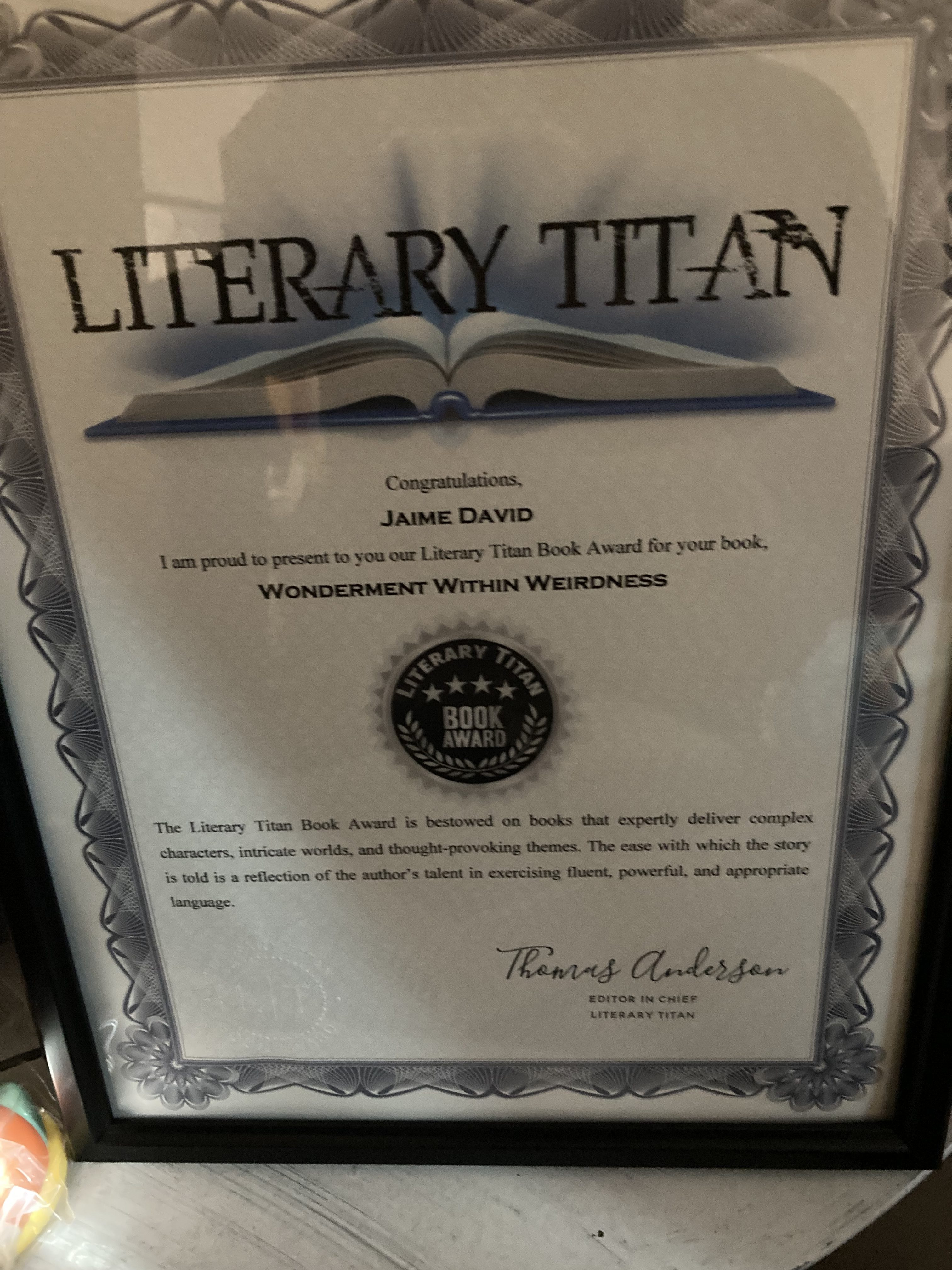
There are moments in life that do not fully register at first. Moments where you stare at a screen, reread the same sentence multiple times, and wonder if what you are seeing is actually real. For me, one of those moments came when I found out that my debut book, Wonderment Within Weirdness, had received a 4-star silver award from the Literary Titan.
Now, before anyone misunderstands what I am saying, no, the Literary Titan award is not the Pulitzer Prize. It is not one of those century-old literary institutions that immediately dominate headlines or get discussed endlessly in academic circles. I understand that. I am aware of the hierarchy that exists within the literary world. There are massive awards with generations of prestige behind them, and then there are smaller, newer awards trying to carve out their own identity in the publishing landscape. Literary Titan falls more into that latter category. But here is the thing people often overlook: recognition is still recognition. An award does not have to be the most famous literary honor on Earth in order to matter.
And for a debut author, especially an independent one, receiving any kind of legitimate literary recognition can mean far more than outsiders realize.
Because here is the reality that many people do not talk about enough: writing a book is hard. Finishing a book is even harder. Publishing one is another mountain entirely. Then comes the most brutal stage of all, getting anyone to notice it in a world overflowing with content. Every day, countless books are released onto the internet. Thousands upon thousands of stories, poetry collections, essays, memoirs, philosophical works, experimental projects, and novels appear online, all fighting for visibility. Most disappear almost instantly into the digital void. Some never receive reviews. Some never find an audience. Some barely get read outside of friends and family circles. That is simply the brutal reality of modern publishing.
Which is why the Literary Titan award mattered to me.
Not because it suddenly transformed me into a globally recognized literary icon overnight. Not because I now expect to be discussed alongside literary giants. But because it represented something important: external validation. It meant that someone outside of my immediate circle looked at my work and believed it deserved recognition. That matters. Especially for a first book.
Debut books exist in a strange space. Established authors often have advantages that new writers simply do not possess. They may already have audiences built over years. They may have publishers backing them with marketing budgets. They may have editors, agents, industry connections, media exposure, or simply the power of name recognition. Readers approach established writers with preconceived expectations. There is already a built-in level of trust there.
A debut author has none of that.
When someone picks up a first book from a completely unknown writer, there is no guarantee attached to it. There is no proven track record. No legacy. No assurance that the work will even be coherent, let alone compelling. A debut writer has to earn every ounce of credibility from scratch. That is part of what makes literary recognition for a first book feel especially significant.
And in my case, Wonderment Within Weirdness was not some hyper-calculated, market-tested project designed specifically to appeal to mainstream publishing trends. If anything, the book reflects many of the themes and ideas that define my broader creative identity. Weirdness. Wonder. Introspection. Emotion. Existential thought. Philosophical wandering. Experimental energy. It is deeply tied to my voice as a writer and thinker. In many ways, it represents me authentically rather than trying to imitate what the market supposedly wants.
That can be risky.
The internet often pushes creators toward conformity. Algorithms reward familiarity. Publishing industries sometimes reward predictability. There is pressure everywhere to fit neatly into categories, genres, aesthetics, and market expectations. But creative work that embraces weirdness and individuality can sometimes cut through precisely because it feels different. It feels human. It feels personal. And I think that is part of why the recognition meant something to me.
Because it suggested that originality still has value.
I also think there is something psychologically important about literary awards for independent authors that many people underestimate. When you are creating largely on your own, doubt becomes constant. Every writer experiences it to some degree, but independent creators especially know what it feels like to question themselves endlessly. Is the work good enough? Is anyone reading? Does any of this matter? Am I wasting my time? These thoughts can become relentless.
So when an outside organization says, “We see merit here,” it can genuinely impact a creator’s confidence. Not in an egotistical way, but in a stabilizing way. It becomes proof that the work connected with someone beyond yourself. That is valuable fuel for continuing forward creatively.
And honestly, the award also made me reflect on how strange and unpredictable artistic journeys can be.
There are writers who spend decades producing work before receiving recognition. There are others who explode into visibility instantly. Some receive praise early and disappear later. Others struggle for years before eventually finding audiences. There is no universal roadmap for creativity. No guaranteed formula. No clear sequence that determines who succeeds and who does not. The literary world is chaotic. Sometimes brilliant books are ignored. Sometimes mediocre books become massive phenomena. Sometimes deeply personal projects unexpectedly resonate with readers and reviewers alike.
That unpredictability is both terrifying and beautiful.
I think part of why this award mattered so much to me is because it symbolized momentum. Not finality. Not completion. Momentum. It felt like confirmation that I am not simply shouting into the void entirely unnoticed. Even smaller recognitions can create psychological momentum for artists. They can reinforce the idea that continuing to create is worthwhile.
And perhaps most importantly, it reminded me that the definition of success is more nuanced than people often make it out to be.
Modern internet culture tends to frame success in extremes. Either you are world famous, or you are irrelevant. Either you win the biggest awards imaginable, or your accomplishments supposedly do not count. But reality is far more layered than that. There are countless levels of artistic success between obscurity and superstardom. A smaller literary award can still represent a meaningful achievement. Especially for a first-time author.
I also think there is something fascinating about newer literary awards in general. Every prestigious institution that exists today had to begin somewhere. The Pulitzer Prize was once new. The Booker Prize was once unknown. Every literary tradition starts small before history determines whether it grows into something larger. Now, I am not claiming Literary Titan will become the next Pulitzer. Nobody can predict that. But I do think people sometimes dismiss newer awards too quickly simply because they lack decades of legacy.
The reality is that literary culture is constantly evolving. Independent publishing itself has changed dramatically over the last twenty years. The barriers between traditional and independent authorship have blurred. Online platforms have allowed writers to build audiences without relying entirely on gatekeepers. Smaller awards and independent review organizations have emerged partly because the literary ecosystem itself has expanded beyond older institutional models.
And frankly, independent authors often need these spaces.
Because traditional literary systems can be incredibly difficult to penetrate. Many talented writers never receive attention from major publishers or prestigious literary organizations despite producing meaningful work. Smaller awards can provide visibility where mainstream institutions may overlook emerging voices. That does not make the recognition fake or meaningless. It simply means it exists within a different layer of the literary landscape.
Another thing that struck me after receiving the award was how differently creators experience recognition compared to outsiders observing from a distance. Someone scrolling online might see “4-star Literary Titan award” and move on after two seconds. But for the creator behind the work, that recognition often represents years of thought, effort, doubt, rewriting, editing, emotional investment, and persistence condensed into a single moment.
People see the outcome. They rarely see the process behind it.
They do not see the nights spent questioning whether the project will ever come together properly. They do not see the anxiety involved in publishing something personal into public view. They do not see the fear of rejection. They do not see the vulnerability required to create sincerely in a culture that often rewards irony and detachment more than authenticity.
And perhaps that is another reason why this award felt meaningful to me specifically. It validated authenticity.
I have always been drawn toward ideas that sit outside rigid convention. Whether through my writing, my philosophical ideas surrounding anarcho-compassionism, my blog posts, or my broader creative identity, I tend to gravitate toward introspection, emotional honesty, nuance, existential exploration, and unconventional thinking. Wonderment Within Weirdness reflects that mindset heavily. It is not trying to be sterile or artificially polished into generic marketability. It embraces weirdness directly, even in its very title.
And honestly, I think the title itself matters.
“Wonderment Within Weirdness” captures something fundamental about how I view creativity and existence. There is wonder inside the strange. Beauty inside imperfection. Meaning hidden within chaos. Modern society often pressures people to suppress weirdness, flatten individuality, and conform to expectations. But creativity frequently thrives in the exact opposite direction. Some of the most memorable art emerges precisely because it dares to be unusual.
That does not mean every unconventional work automatically becomes brilliant. But authenticity has power. Readers can often sense when something comes from a genuine place rather than existing solely as a calculated product.
I also think there is something inspiring about the fact that a debut independent book can receive recognition at all in today’s environment. We live in an era where gatekeeping still exists, but it is no longer absolute. Independent creators have more opportunities than ever before to publish work, connect with audiences, and gain visibility. The internet has created overwhelming saturation, yes, but it has also democratized creativity in many ways.
That democratization comes with contradictions. Visibility is harder because everyone is competing simultaneously. Yet opportunities also exist that previous generations of writers could barely imagine. A person can build a blog, publish books independently, create podcasts, interact directly with readers, and cultivate a creative ecosystem almost entirely outside traditional institutions.
That is part of the journey I have been navigating myself through The Musings of Jaime David and my broader online presence.
And perhaps that is another reason this award felt important. It represented not just one isolated accomplishment, but evidence that the broader creative path I have been pursuing might actually be leading somewhere meaningful.
What made the experience even more surreal was seeing the recognition expand beyond the award announcement itself. Literary Titan did not simply hand out the award quietly and move on. There was an actual press release published about my book receiving the award, which made the accomplishment feel far more tangible and publicly documented. FinancialContent press release about the award
That mattered to me because there is something psychologically different about seeing your work discussed publicly in a professional context. It transforms the experience from feeling purely internal into something externally recognized and archived. Suddenly, the book was not just existing within my own creative ecosystem. It was being discussed beyond it.
Then there was the author interview that Literary Titan conducted with me, which honestly made the entire experience feel even more real. Literary Titan author interview with Jaime David The title alone, “It Started With a YouTube Comment,” captures something fascinating about modern creativity and internet culture. So many creative journeys now begin in strange, seemingly insignificant digital moments. A comment. A post. A random idea. A passing conversation online. Something tiny eventually snowballs into something much larger.
That interview gave me the opportunity to reflect not just on the book itself, but on the broader creative process behind it. And honestly, interviews can sometimes feel even more vulnerable than the work itself because they require the creator to directly articulate thoughts, motivations, insecurities, and inspirations in their own voice. There is nowhere to hide behind fictional structure or poetic abstraction at that point. It becomes direct human reflection.
And then there was the review itself from Literary Titan. Literary Titan review of Wonderment Within Weirdness Reviews are fascinating because they represent interpretation. Once creative work enters the world, readers begin forming their own relationships with it. They notice things the creator may not have fully realized themselves. They interpret themes differently. They emotionally connect to unexpected aspects of the work. That is part of what makes literature so interesting in the first place. Books stop belonging solely to the author once they are released publicly. They become shared experiences between creator and reader.
Perhaps one of the strangest and coolest parts of all this, though, was the fact that there was even a podcast episode discussing my book. Literary Titan podcast episode about Wonderment Within Weirdness There is something surreal about hearing people talk about your creative work in audio form, almost like listening to your ideas echo back at you from outside yourself. It creates this bizarre sensation where the project suddenly feels alive beyond your own head.
And honestly, when you step back and look at the full picture, it becomes clear that the experience extended beyond simply “winning an award.” There was the award itself, the review, the interview, the press release coverage, and even a podcast discussion. For a debut independent book, that is genuinely meaningful visibility.
Will the Literary Titan award alone suddenly make me famous? Of course not. I am realistic about that. But creative careers are often built incrementally. Recognition accumulates piece by piece over time. One review leads to another. One award builds credibility. One reader recommends a book to someone else. Momentum compounds gradually rather than explosively for most writers.
People often romanticize overnight success while ignoring how many creators build their audiences slowly over years. Persistence matters enormously in creative fields. So does consistency. So does continuing to create even when visibility feels limited.
And honestly, I think the award reinforced something deeper psychologically for me: the importance of continuing despite uncertainty.
Because uncertainty never fully disappears for artists. Even successful writers experience doubt constantly. There is no magical point where creators suddenly become immune to insecurity. Every project involves risk. Every piece of writing involves vulnerability. Every publication becomes an act of exposure in some way.
But recognition can help counterbalance that uncertainty enough to keep moving forward.
It can remind creators that their work has impact beyond their own internal world. That someone connected with it. That the effort mattered to another human being somewhere out there.
And for me, as a debut author, that feeling carries enormous significance.
Fediverse Reactions
-
-

Everything That’s Happened, And Why I’m Still Fighting: A Full Update Including My Latest YouTube Appeal
If you follow my main blog, you know I’ve been writing about this situation for months now. But I want to bring everything together in one place for my main audience, for people who might be discovering this for the first time, and for anyone who needs the full picture of what Google and YouTube have been doing to me as a Hispanic creator since early 2026. And I have a new update to share at the end that I’m cautiously hopeful about. Cautiously. Very cautiously. Because at this point, hope is something I have to ration carefully when it comes to anything involving Google or YouTube.
Let me start from the very beginning.
Back in late January or early February 2026, I woke up around 6 AM to discover that YouTube had terminated multiple manager channels overnight. No warning. No prior strikes. No communication of any kind before the terminations happened. Just gone. These manager channels were completely inactive administrative accounts with absolutely zero content. No videos. No community posts. No playlists. No public facing activity of any description. They existed purely as backend access points that allowed me to manage my actual content channels. That was their entire purpose. They sat quietly in the background doing exactly what manager channels are supposed to do.
YouTube’s explanation for terminating them? They violated spam, deceptive practices, and scams policies. The logical impossibility of that claim was apparent from the very first moment I read it. How does an account with zero content violate policies about spam? What spam was I posting? There was nothing there. No content. No activity. No way to spam anyone or deceive anyone or scam anyone because there was nothing to use as a vehicle for any of those things. YouTube’s automated system looked at inactive accounts and decided they were suspicious. Flagged them. Terminated them. Done. No human being looked at this. No human being made this decision. An algorithm did.
I filed appeals immediately. YouTube responded within approximately five hours claiming they had carefully reviewed my channels and confirmed the violations. Five hours of careful review. Think about what that means. Five hours to examine my channel history, assess my content, investigate my supposed violations, and reach a definitive conclusion that the terminations were justified. That’s not careful review. That’s an automated system rubber stamping a decision that was already made before I even filed the appeal. The response was a generic template that provided zero specifics, zero evidence, zero examples of actual violations. Just: we reviewed it, it violates our policy, it’s not coming back, thanks, the YouTube team.
The real consequence of losing my manager channels wasn’t just losing those accounts themselves. It was losing access to everything they controlled. My Luffymonkey0327 meme and mashup channel with over 500 subscribers is still live right now. Anyone can visit it at https://youtube.com/@luffymonkey0327?si=H64a-BY4Spu4Cdb6. It’s public. It’s accessible. Over 500 subscribers can see it. But I cannot access it. I cannot upload new content. I cannot respond to comments. I cannot check analytics. I cannot update anything. I cannot manage my own channel because the manager account that gave me that access was terminated based on false accusations that were never supported by a single piece of evidence.
Then, after I filed a formal complaint with the Better Business Bureau documenting everything that had happened, YouTube deleted my JaimeDavid327 author channel. Their reason? Circumvention policy. Because my manager channels had been terminated, YouTube decided that having other channels constituted circumvention of that termination. The circular logic of this is staggering. YouTube wrongfully terminated my manager channels. Then they used that wrongful termination as justification to terminate my content channels. They punished me for YouTube’s own mistake. My author channel, which represented my professional identity as a Hispanic writer, my platform for connecting with readers interested in my creative work, was erased. Gone. Deleted. For the crime of existing after YouTube made a mistake.
Over the following months, I documented everything extensively across multiple blog posts. I addressed YouTube CEO Neal Mohan, Google CEO Sundar Pichai, Google President Ruth Porat, and Google Senior Vice President James Manyika by name over and over. I called on major YouTubers including Smosh, PewDiePie, Markiplier, SomeOrdinaryGamers, ReviewTechUSA, Amazing Atheist, Secular Talk, Humanist Report, MrBeast, Jacksepticeye, Nexpo, Vaush, HasanAbi, and Hank Green to amplify my story and put pressure on YouTube to fix their obvious mistake. I filed formal complaints with the Better Business Bureau. I documented how this situation felt like discrimination against me as a Hispanic creator, how the timing of certain decisions felt like retaliation for speaking up, how the pattern of treatment across YouTube’s platform was consistent with targeted harassment rather than neutral policy enforcement.
By February 23rd, YouTube had implemented mandatory sign in requirements on the web, threatening to lock me out completely as even a basic viewer. By March 15th, one full month into the situation, nothing had changed. By April 18th, two full months in, still nothing. The same situation. The same lockout. The same silence from YouTube and Google. Not one word from anyone with actual authority or decision making power. Not one acknowledgment that they’d received my complaints. Not one human being reaching out to say they were looking into it. Complete and total corporate silence maintained through months of documented discrimination.
And running parallel to the YouTube situation the entire time was my experience trying to monetize my Jaime David Music blog on Blogger through Google AdSense. This blog has been running for almost a year. I’ve written nearly 200 posts. Essay style, in depth pieces about music and the music industry. Not short throwaway content. Substantial writing that takes time and thought and provides real value to readers who care about music. Google AdSense has rejected my application multiple times with the same vague determination: low value content. No specifics. No examples. No explanation of what low value means or what would make it valuable by their standards. The same copy paste response, over and over, with nothing actionable for me to work with.
I wrote about how infuriating it is to have nearly 200 posts over almost a year rejected as low value content without any specific feedback. I wrote about how it felt like part of the same pattern of Google discrimination that was happening on YouTube. I wrote about how I use AI tools to help with my writing and wondered whether that was a factor, while also making clear that using AI assistance doesn’t make content low value, that the topics and perspective and voice are still mine, that the tool doesn’t replace the creator. And I made clear that I wasn’t going to change anything about my blog because there is nothing wrong with my blog. I want an actual human to review my AdSense application and give me a real, specific, honest answer.
I also wrote about UnderSparked, a YouTube channel that posted a video a few days ago about YouTube demonetizing them, flagging their content as not having value through the same kind of automated AI process that wrongfully terminated my channels. Their video is at https://youtu.be/OB_5dzU0W_w?si=t7FNm8mRw6CdD2iK and it’s worth watching because it illustrates that what’s happening to me isn’t an isolated incident. It’s part of a systemic pattern of YouTube’s automated systems making consequential decisions about creators without adequate human oversight, without transparent reasoning, without fair process. UnderSparked is still demonetized. Still getting nowhere. And YouTube still owes them the same thing they owe me: genuine human review, honest specific communication, and fair resolution.
That’s the full background. Now here’s the new update.
Recently, I submitted a new appeal to YouTube to reinstate my JaimeDavid327 channel. My author channel. The one that was deleted for circumventing a wrongful termination. I filled out the appeal as completely as I possibly could. I documented everything. I explained the situation clearly. I made the case for why the termination was unjust and why the channel should be reinstated. And I submitted it.
And now I’m waiting.
I want to be honest about how I feel about this appeal. On one hand, I had to try. I had to use every available channel, including the official appeal process, even after that same process rejected my previous appeals with template responses in five hours. I had to try because giving up completely means YouTube wins by default. It means accepting that their wrongful decisions are final. And I’m not ready to accept that. So I filed the appeal.
On the other hand, I’m not going to pretend I’m feeling optimistic about it. YouTube’s track record with my appeals has been: automated rejection in five hours with no specifics, no evidence, no real review. So I have no particular reason to believe this appeal will be treated any differently. I have no particular reason to believe a human being will actually look at it rather than another automated system running another automated check and producing another automated rejection.
But here’s what I’m hoping for. Here’s what I’m asking YouTube to do with this appeal. I’m asking them to actually sit down and review it. A live human. A real person with actual judgment and actual authority. Not a robot. Not an algorithm. Not an automated system running pattern recognition against metrics that have nothing to do with actual justice or fairness. A human being who reads what I submitted, who looks at the history of what happened, who examines the logical impossibility of inactive contentless channels violating spam policies, and who makes a real decision based on reality.
Because if a real human actually looks at my case, the conclusion should be obvious. My manager channels were inactive. They had no content. They could not have violated spam policies because there was no content to be spammy. The automated system made a mistake. A human who actually looks at this with real eyes and real judgment should be able to see that. Should be able to recognize the error. Should be able to make the call to reinstate what was wrongfully terminated.
That’s all I’m asking for. Human review. Real attention. Actual judgment applied to actual facts rather than automated pattern recognition applied to algorithmic metrics. I’ve been asking for that since the very beginning of this situation. I’m still asking for it now with this new appeal.
I’m also still asking Neal Mohan, YouTube CEO, to ensure that this appeal gets that human review. I’m still asking Sundar Pichai, Google CEO, to take responsibility for what his subsidiary has been doing to me for months. I’m still asking Ruth Porat and James Manyika to use their positions and their influence to make sure that Google and YouTube are treating creators with the fairness and transparency they deserve. I’m still asking Smosh, PewDiePie, Markiplier, SomeOrdinaryGamers, ReviewTechUSA, Amazing Atheist, Secular Talk, Humanist Report, MrBeast, Jacksepticeye, Nexpo, Vaush, HasanAbi, and Hank Green to amplify this story and help apply the public pressure that might be the only thing capable of forcing YouTube to actually respond.
I’m still asking Google to approve my AdSense application for my music blog. Still asking YouTube to restore my access to my Luffymonkey0327 channel at https://youtube.com/@luffymonkey0327?si=H64a-BY4Spu4Cdb6. Still asking YouTube to reinstate monetization for UnderSparked. Still asking for all of it. Because none of it has been resolved. None of it has been fixed. None of it has received the genuine human attention it deserves.
The appeal is in. The waiting begins. And I genuinely, cautiously, reluctantly hope that this time is different. That this time a real human being at YouTube actually looks at what happened, actually applies real judgment to real facts, and actually makes the right call.
Let’s hope.
Because hope is pretty much all I have left at this point when it comes to YouTube doing the right thing voluntarily. But I’m still here. Still fighting. Still documenting. Still refusing to accept systematic discrimination as a final answer.
More updates to come. Watch this space.
-
YouTube’s AI Is Destroying Creators: UnderSparked’s Demonetization Story Sounds Familiar
It’s May 1, 2026. And I want to talk about something that happened just a few days ago that caught my attention because it hit close to home. A YouTube channel called UnderSparked posted a video about how YouTube demonetized them, how YouTube’s automated systems flagged their content as not having value, and how this could seriously impact them financially. You can watch their video here: https://youtu.be/OB_5dzU0W_w?si=t7FNm8mRw6CdD2iK
Before I get into UnderSparked’s situation and why it resonated with me so deeply, let me give you the full picture of where I’m coming from. Because this isn’t the first time I’ve talked about YouTube’s broken systems, and it won’t be the last. My name is Jaime David. I’m a Hispanic creator. And for months now, I’ve been on the receiving end of YouTube and Google’s discriminatory, automated, broken moderation systems. My story and UnderSparked’s story aren’t identical, but there’s enough overlap that I feel compelled to speak up, to add my voice to the conversation, and to point out what I believe is a systemic problem affecting creators of all sizes across YouTube’s platform.
Let me summarize what’s been happening to me because it’s important context. Back in late January or early February 2026, YouTube terminated my manager channels without warning. These were completely inactive administrative accounts with zero content, zero videos, zero community posts, zero anything. They existed purely to give me access to manage my actual content channels. YouTube claimed they violated their spam, deceptive practices, and scams policy. They provided zero evidence of any actual violation. They rejected my appeals within five hours with generic template responses. Shortly after I filed a Better Business Bureau complaint documenting their discrimination, YouTube deleted my JaimeDavid327 author channel under their circumvention policy, claiming that having content channels after they wrongfully terminated my manager channels was somehow circumvention. My Luffymonkey0327 meme and mashup channel with over 500 subscribers is still live at https://youtube.com/@luffymonkey0327?si=H64a-BY4Spu4Cdb6 but I cannot access or manage it because my manager channel remains terminated. I’ve been locked out of my own content for months. YouTube is hosting my work and potentially benefiting from any traffic it generates while denying me the ability to manage it. That’s discrimination. That’s theft. And beyond YouTube, Google has been rejecting my AdSense applications for my Jaime David Music blog on Blogger, citing “low value content” despite the blog having nearly 200 essay-style posts and almost a year of activity. The pattern of discrimination against me across Google’s entire ecosystem is clear and documented.
I’ve called out YouTube CEO Neal Mohan, Google CEO Sundar Pichai, Google President Ruth Porat, and Google Senior Vice President James Manyika by name multiple times. I’ve filed formal BBB complaints. I’ve documented everything publicly. I’ve asked major YouTubers including Smosh, PewDiePie, Markiplier, SomeOrdinaryGamers, ReviewTechUSA, Amazing Atheist, Secular Talk, Humanist Report, MrBeast, Jacksepticeye, Nexpo, Vaush, HasanAbi, and Hank Green to amplify my story. And I’ve gotten essentially nothing in return except continued silence, continued discrimination, continued lockout from my own work.
That’s my situation. Now let me talk about UnderSparked.
A few days ago, UnderSparked posted a video explaining that YouTube had demonetized their channel. YouTube’s automated systems flagged their content as not having value, essentially labeling it as spam or low quality content not worthy of monetization. This has real financial consequences for UnderSparked. Monetization isn’t just a nice bonus for creators who make YouTube videos as a hobby. For many creators, it’s income. It’s how they sustain themselves, fund their content creation, pay for equipment and software and time invested. When YouTube’s automated systems arbitrarily strip that away, it’s not just an inconvenience. It’s a financial hit that can threaten a creator’s ability to keep making content at all.
Now I want to be careful here because I’m not trying to shoehorn myself into UnderSparked’s situation. Their circumstances aren’t exactly the same as mine. They were demonetized, which is serious and damaging. My channels were terminated, which is a different and arguably more severe action. They still have their channel. I don’t have access to mine. The specifics differ. But the underlying mechanism, the root cause, the fundamental problem is exactly the same: YouTube’s automated AI systems making consequential decisions about creators’ channels without adequate human oversight, without proper review, without fair process, and without meaningful recourse.
YouTube’s system flagged UnderSparked’s content as not having value. YouTube’s system flagged my inactive manager channels as spam. Different labels, different specific outcomes, but the same broken AI making the same kind of arbitrary, unjustified decision about a creator’s channel based on automated pattern recognition that clearly lacks the context and nuance to make fair determinations. And in both cases, the result is a creator being harmed by YouTube’s platform while having limited ability to fight back or get meaningful human review of the decision.
This is the pattern I’ve been talking about for months. This is the systemic problem that goes way beyond my personal situation. YouTube has built automated systems that have enormous power over creators’ livelihoods, their channels, their income, their ability to reach audiences. And those systems are clearly making mistakes. They’re flagging content incorrectly. They’re demonetizing channels that don’t deserve demonetization. They’re terminating accounts based on faulty pattern recognition. They’re applying labels like “spam” and “low value” and “no value” to content and channels that clearly don’t fit those descriptions, without any adequate human oversight to catch and correct the errors.
UnderSparked having their channel flagged as not having value is exactly the kind of decision that should require human review before it goes into effect. A real person should be watching the content, assessing whether it genuinely lacks value, and making a judgment call based on actual analysis rather than automated detection. But YouTube doesn’t do that. They let the AI make the call, and then when creators try to appeal, the appeals often go through similarly automated or inadequately resourced review processes that don’t provide meaningful reassessment.
I remember when YouTube’s automated system rejected my appeals in approximately five hours. Five hours to “carefully review” my channels and determine definitively that they violated policies. That’s not careful review. That’s automated rubber-stamping. And I’d bet that UnderSparked’s experience with appealing or challenging their demonetization involves similarly inadequate review processes. Because that’s how YouTube handles these things. They let the AI decide, and then they create the illusion of an appeals process without actually providing meaningful human assessment.
What makes UnderSparked’s situation particularly resonant for me is the “not having value” framing. Because that’s essentially what YouTube said about my channels too, just in different language. My manager channels were deemed to be “spam” which in YouTube’s framework means they’re not providing legitimate value to the platform. My JaimeDavid327 author channel was terminated for “circumvention” which is their way of saying I was trying to get around their system rather than engaging with it legitimately. And separately, Google’s AdSense has been telling me my music blog has “low value content.” Value, or the alleged lack of it, keeps coming up across all of YouTube and Google’s automated determinations about me and my work.
And now YouTube is telling UnderSparked the same thing. That their content doesn’t have value. That it doesn’t meet the bar for monetization. That YouTube’s AI has assessed their channel and determined it doesn’t deserve the same monetization opportunities that other channels have access to. Without adequate human review. Without transparent explanation of what specific criteria they’re failing to meet. Without meaningful process for challenging the determination.
This is what YouTube’s AI does. It makes sweeping judgments about value, about legitimacy, about whether creators and their content deserve access to the platform’s features and monetization. And it makes those judgments at scale, automatically, without the nuance and context that fair human assessment would require. Sometimes those judgments are probably correct. But clearly, sometimes they’re catastrophically wrong. And the problem is that the appeals and review processes aren’t robust enough to catch and correct the errors, so creators end up stuck with unjust outcomes that harm them financially and professionally.
I want to say directly to UnderSparked: I see you. I hear you. What’s happening to you is wrong. YouTube’s automated systems making decisions about your channel without proper human oversight and fair process is wrong. The financial impact of arbitrary demonetization is real and serious and shouldn’t be dismissed or minimized. And I hope you fight it. I hope you appeal, document everything, make noise about it, and demand the human review and transparent explanation that you deserve.
Your situation isn’t exactly mine, but it comes from the same place. The same broken systems. The same inadequate oversight. The same YouTube that decides through automated means that a creator’s work doesn’t have value, doesn’t deserve monetization, doesn’t merit the same opportunities other channels have. And that YouTube needs to be held accountable. Not just for what they did to me. Not just for what they’re doing to you. But for the pattern of automated injustice they’re perpetrating against creators across their platform.
Because here’s what I know after months of dealing with YouTube’s broken systems: this isn’t going to stop on its own. YouTube isn’t going to wake up one day and decide to implement better human oversight, more transparent processes, fairer appeals systems. They’re going to keep running automated AI across billions of pieces of content and billions of channels and making consequential decisions without adequate review until they’re forced to do better. Either through regulatory pressure, through government oversight, through massive public accountability campaigns, or through some combination of all of the above.
And that’s why it matters that UnderSparked made their video. That’s why it matters that I’ve been documenting my situation for months. That’s why it matters when creators speak up about how YouTube’s systems have failed them. Every story adds to the body of evidence that these aren’t isolated incidents. These are systemic failures. These are patterns of behavior from a platform that has too much power over creators and too little accountability for how it exercises that power.
Neal Mohan, YouTube CEO, are you watching UnderSparked’s video? Are you aware that your platform’s automated systems are demonetizing creators who don’t deserve demonetization? Are you paying attention to the pattern of harm your AI is causing to creators who depend on YouTube for their livelihoods? And while you’re at it, are you aware that you’ve been locking me out of my Luffymonkey0327 channel at https://youtube.com/@luffymonkey0327?si=H64a-BY4Spu4Cdb6 for months based on the same kind of automated, unjustified determination?
Sundar Pichai, Google CEO, this is your company. YouTube is your subsidiary. The AI systems making these unjust determinations about creators are your responsibility. UnderSparked being demonetized for supposedly lacking value. Me being terminated for supposedly being spam. These are outcomes of systems built and maintained under your leadership. When are you going to take responsibility for fixing them?
Ruth Porat, Google President, and James Manyika, Google Senior Vice President, these questions apply to you too. How many more creators have to document YouTube’s AI making harmful, unjustified decisions about their channels before someone in a position of leadership at Google and YouTube decides that enough is enough, that better oversight is needed, that creators deserve fairer treatment and more transparent processes?
To Smosh, PewDiePie, Markiplier, SomeOrdinaryGamers, ReviewTechUSA, Amazing Atheist, Secular Talk, Humanist Report, MrBeast, Jacksepticeye, Nexpo, Vaush, HasanAbi, and Hank Green, please watch UnderSparked’s video. Please share it. Please add your voices to the conversation about YouTube’s automated systems and the harm they’re doing to creators. Because you have platforms that can make this impossible for YouTube to ignore. You have audiences that care about creator rights. And the more voices that join this conversation, the harder it becomes for YouTube to pretend these are isolated incidents rather than systemic failures.
UnderSparked being demonetized matters. Me being locked out of my channels matters. Every creator whose channel has been wrongfully flagged, demonetized, or terminated by YouTube’s AI matters. And it’s going to keep mattering, it’s going to keep happening, until YouTube builds systems worthy of the trust creators place in them by building their work on this platform. Go watch UnderSparked’s video at https://youtu.be/OB_5dzU0W_w?si=t7FNm8mRw6CdD2iK and share it. Make noise. Demand better. Because YouTube’s AI is broken and creators are paying the price.